

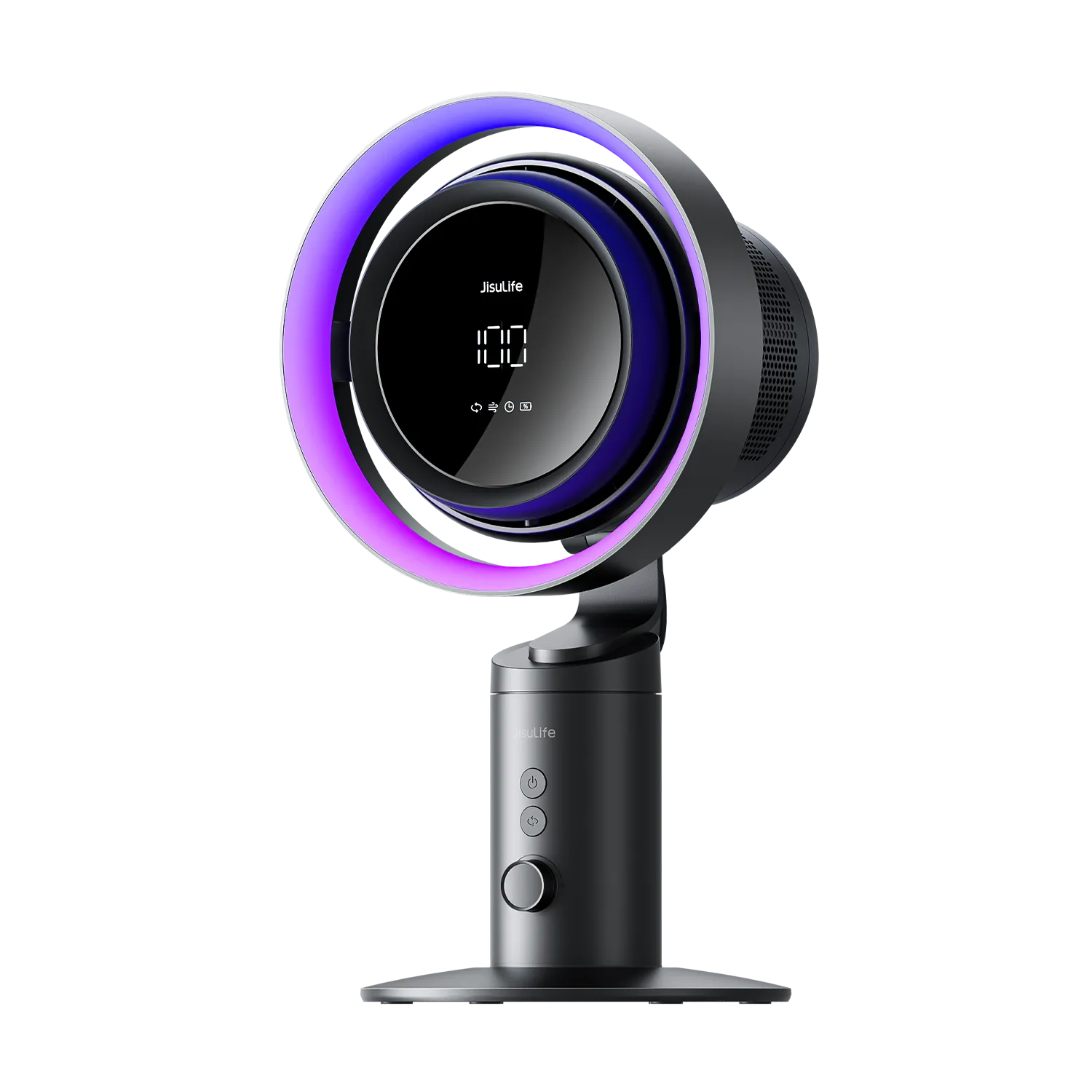
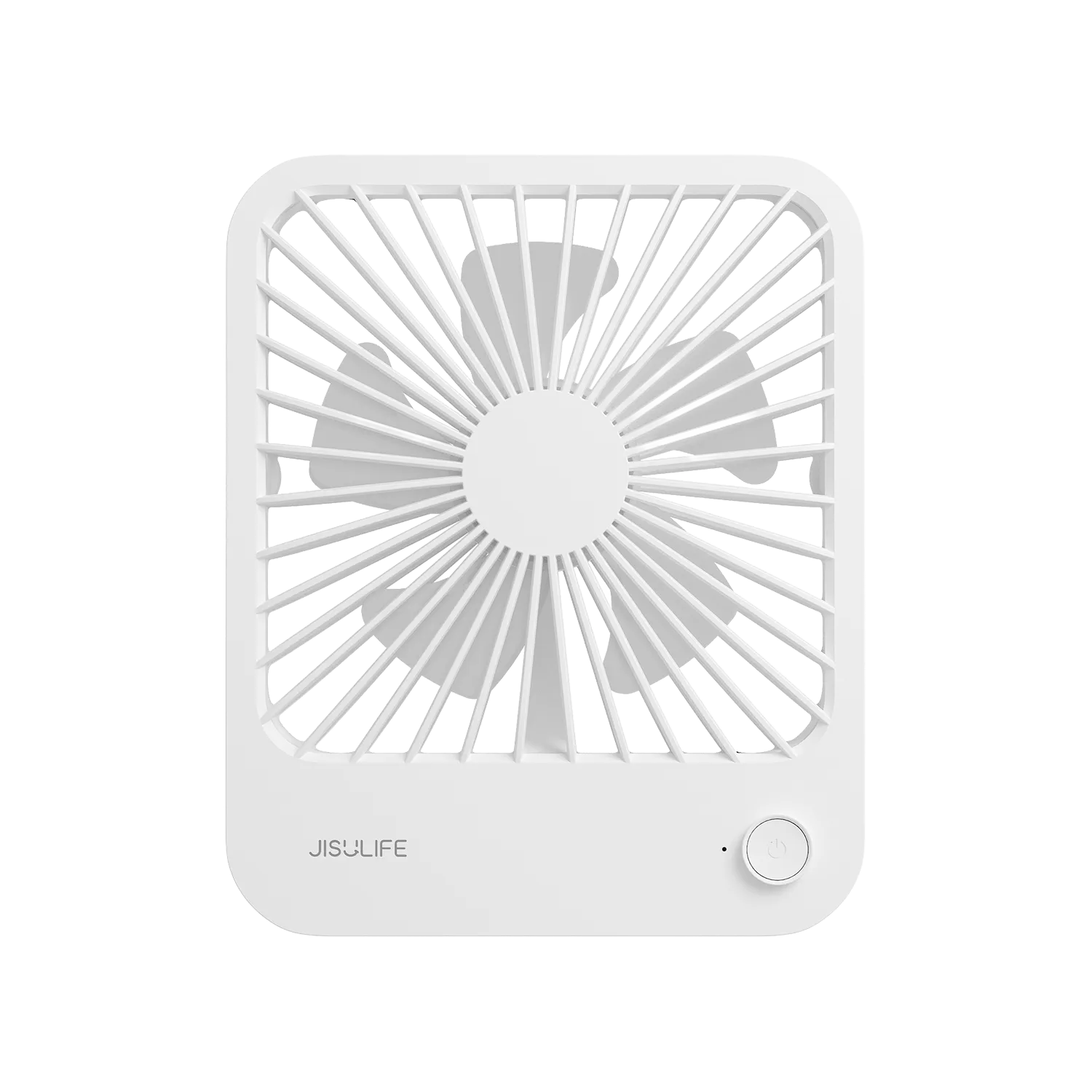
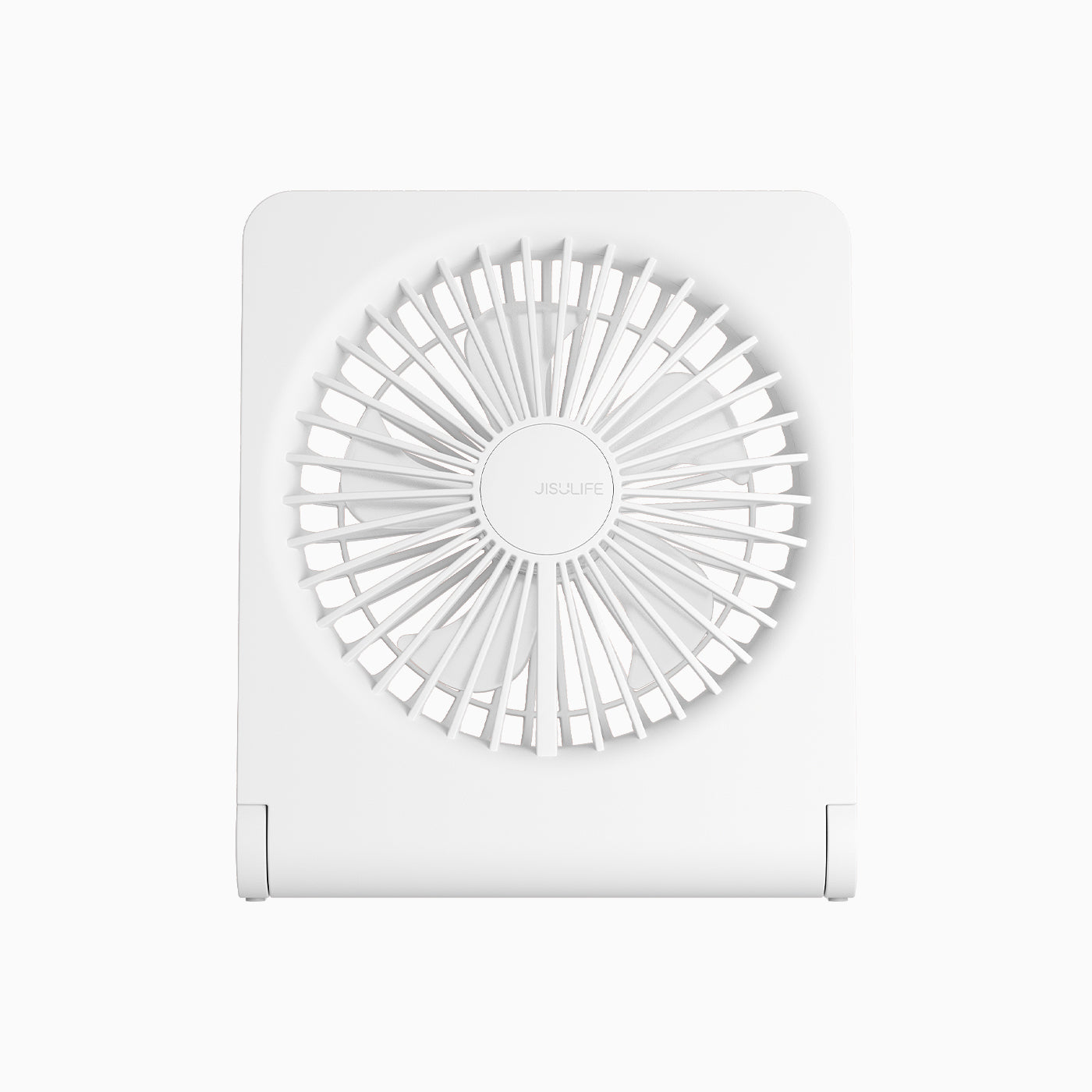

Orang tua sering mencari kipas genggam mini untuk anak-anak yang tetap aman di sekitar tangan kecil sambil memberikan aliran udara yang cukup selama hari sekolah yang panas atau latihan olahraga. Kipas genggam isi ulang yang baik untuk anak-anak menyeimbangkan operasi yang tenang di bawah 35 desibel, konstruksi ringan di bawah satu pon, dan pengisian USB-C sehingga mudah dimasukkan ke dalam tas punggung. Model dengan kisi-kisi yang aman untuk jari paling cocok untuk pengguna yang lebih muda, sementara remaja cenderung lebih menyukai aliran udara yang sedikit lebih kuat dan gaya modern yang tidak terkesan kekanak-kanakan. Pilihan yang tepat tergantung pada usia, batas kebisingan yang biasa, dan bagaimana kipas akan dibawa.
Pendinginan Pribadi Penting untuk Siswa dan Atlet
Kelas yang panas dan olahraga aktif menciptakan ketidaknyamanan nyata bagi anak muda. Anak-anak membutuhkan waktu lebih lama daripada orang dewasa untuk menyesuaikan diri dengan suhu yang meningkat karena mereka menghasilkan keringat lebih sedikit dan beradaptasi lebih lambat. Perbedaan ini meningkatkan kemungkinan kelelahan atau masalah terkait panas selama istirahat atau latihan. Kipas pribadi memberikan kelegaan cepat dengan menggerakkan udara di kulit dan menurunkan suhu permukaan secara langsung.
Banyak siswa duduk selama pelajaran panjang tanpa pendingin udara. Aliran udara tambahan membuat mereka tetap waspada dan tidak mengantuk. Atlet di pinggir lapangan membutuhkan pendinginan cepat di antara latihan agar tetap aman dan tampil baik. Perangkat pribadi menyelesaikan masalah ini saat pendinginan sentral kurang memadai.
Para ahli kesehatan menyarankan istirahat dan hidrasi yang sering saat suhu naik, namun kipas portabel menambah lapisan kenyamanan yang praktis. Perangkat ini bekerja paling baik sebagai bagian dari rencana yang lebih besar yang mencakup tempat teduh dan air. Keluarga yang bepergian atau menghadiri acara luar ruangan juga mendapatkan ketenangan pikiran saat setiap anak membawa alat pendingin yang dapat diandalkan.
Fitur Keamanan Penting untuk Anak-anak dan Remaja
Keamanan adalah yang utama saat membeli perangkat apa pun yang akan dipegang anak. Orang tua harus mulai dengan memeriksa desain kisi-kisi. Bukaan yang aman untuk jari mencegah tangan kecil mencapai bilah yang berputar. Celah yang lebih lebar pada beberapa kipas dasar menciptakan risiko yang tidak perlu untuk kelompok usia ini.
Kompartemen baterai harus memiliki kunci yang aman. Aturan federal kini mewajibkan desain tahan anak pada produk yang bisa mengekspos baterai tombol atau koin. Model isi ulang menghindari baterai lepas sama sekali, namun bagian kecil apa pun tetap harus memenuhi standar ketat.
Sertifikasi keselamatan memberikan kepercayaan ekstra. Standar UL 507 menguji motor terhadap panas berlebih dan menguji pelindung untuk daya tahan. Kipas bersertifikat lolos uji rotor terkunci yang mensimulasikan baling-baling terhalang. Langkah ini mengurangi risiko kebakaran dan bahaya mekanis dalam penggunaan sehari-hari.
Bahan yang Tahan terhadap Penanganan Sehari-hari
Anak-anak aktif sering menjatuhkan barang dan memasukkan perlengkapan ke dalam tas yang penuh sesak. Cari plastik yang kuat namun ringan yang tahan retak. Bahan ramah lingkungan sering terasa lebih halus dan tahan lama meski sering dibersihkan. Hindari tepi tajam atau klip rapuh yang bisa patah saat bermain kasar.
Pemeriksaan Tambahan Sebelum Membeli
Baca manual produk untuk rekomendasi usia. Beberapa model mencantumkan usia minimum berdasarkan kekuatan motor dan ukuran. Uji beratnya di tangan Anda. Apa pun yang lebih berat dari ponsel besar akan melelahkan pergelangan tangan kecil setelah beberapa menit.
Cara Menyeimbangkan Kinerja dan Kebisingan di Lingkungan Kelas
Lingkungan kelas menuntut suara latar yang rendah. Standar akustik menyarankan menjaga kebisingan sekitar di bawah 35 desibel agar siswa dapat mendengar guru dengan jelas. Kipas yang melebihi tingkat ini mengganggu orang lain dan mungkin mendapat keluhan dari staf.
Kecepatan rendah biasanya cukup senyap untuk ruang belajar. Kecepatan tinggi lebih efektif di lapangan olahraga di mana angin dan percakapan sudah meningkatkan tingkat kebisingan. Orang tua dapat menyesuaikan pengaturan kipas dengan lingkungan yang diharapkan sebelum membeli.
Daya tahan baterai penting saat perangkat dibawa keluar rumah pukul delapan pagi dan kembali setelah olahraga. Pengisian USB-C sesuai dengan kabel yang sudah dimiliki sebagian besar keluarga untuk ponsel dan tablet. Pengisian penuh yang bertahan enam hingga delapan jam mencakup hari sekolah biasa dengan waktu istirahat.
Pertimbangan Berat dan Ukuran
Kipas berat biasanya disimpan di loker atau di rumah. Pilihan ringan di bawah 0,5 pon mudah dimasukkan ke dalam kantong samping tanpa menambah volume yang terasa. Panjang kompak di bawah tujuh inci muat di tas makan siang dan tempat pensil. Detail ini menentukan apakah kipas benar-benar digunakan setiap hari.
Pengaturan Kecepatan dan Kontrol
Kontrol satu tombol sederhana membantu anak-anak yang lebih muda mengoperasikan perangkat tanpa bantuan. Remaja mungkin menyukai model dengan beberapa kecepatan atau tampilan digital. Kuncinya adalah memilih rentang yang memberikan aliran udara yang terasa tanpa melewati ambang kebisingan untuk setiap pengaturan.
Pilihan Terbaik untuk Berbagai Kelompok Usia
Perubahan usia mengubah prioritas untuk kipas portabel yang aman untuk sekolah dan perjalanan. Anak-anak yang lebih muda membutuhkan perlindungan mekanis yang kuat terlebih dahulu. Remaja menghargai aliran udara yang lebih kuat dan tampilan yang sesuai gaya mereka. Diagram di bawah ini menjelaskan pertukaran ini sehingga orang tua dapat mempersempit pilihan dengan cepat.
Diagram berikut menunjukkan pola kecocokan yang mungkin berdasarkan kelompok usia. Anak-anak yang lebih muda umumnya paling diuntungkan dari perlindungan jari yang lebih kuat dan aliran udara yang lebih tenang, sementara remaja dapat menukar sebagian perlindungan keamanan dengan aliran udara yang lebih kuat dan tampilan yang lebih modis.
Jenis Kipas Sesuai Kelompok Usia dan Lingkungan Harian
Tampilan bertingkat dari pertukaran antara keamanan dan aliran udara. Anak-anak yang lebih muda umumnya membutuhkan perlindungan jari yang lebih kuat, sementara remaja dapat mentolerir desain yang lebih fokus pada aliran udara jika tata letak ruangan dan kontrolnya sesuai.

Jenis Kipas Sesuai Kelompok Usia dan Lingkungan Harian
Data tabel di atas menggunakan tiga tingkatan sederhana. Skor tiga berarti sangat cocok untuk faktor tersebut. Orang tua dapat melihat baris untuk mengetahui bagaimana pilihan desain berubah sesuai usia.
Fitur yang Membantu Usia Lima hingga Dua Belas Tahun
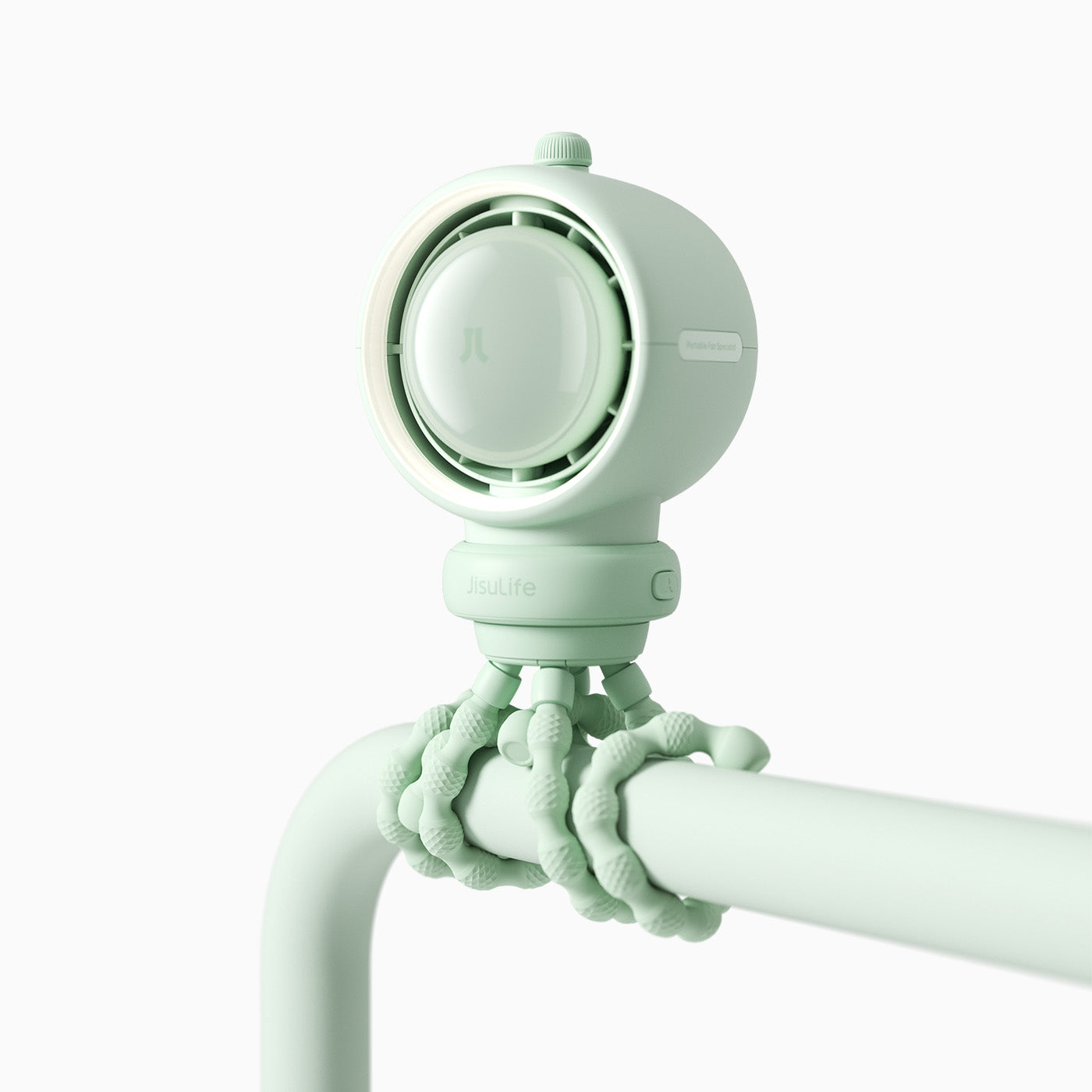
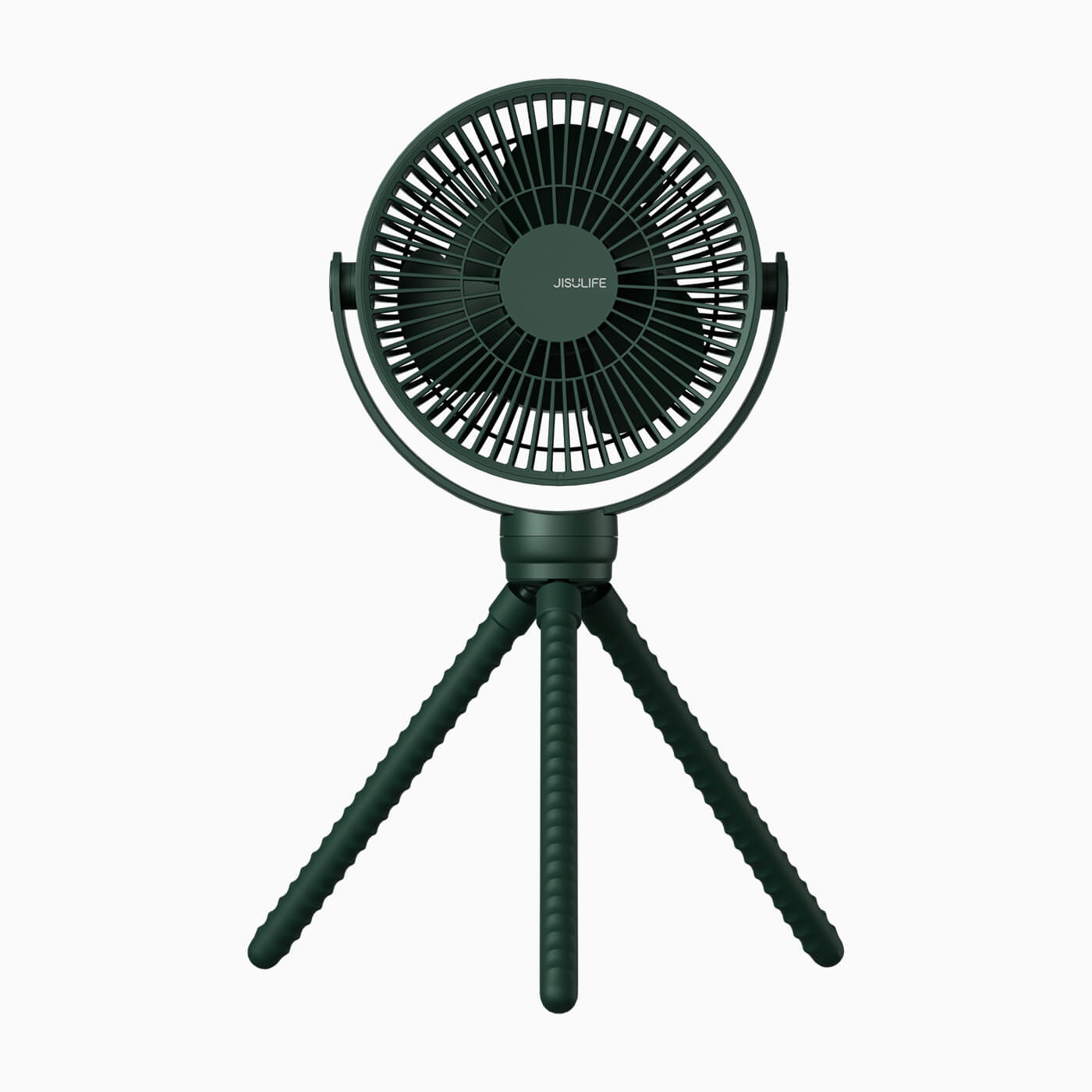
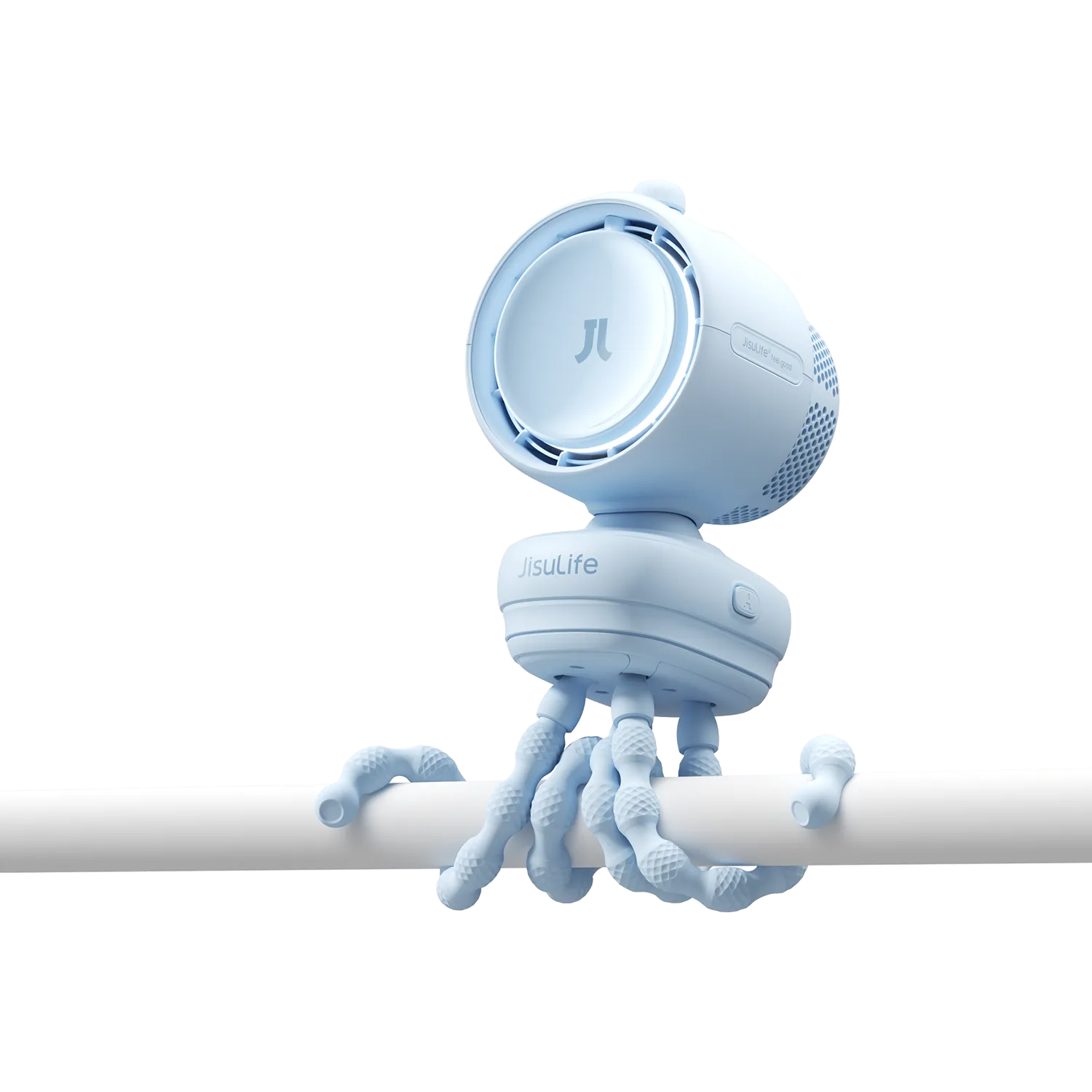
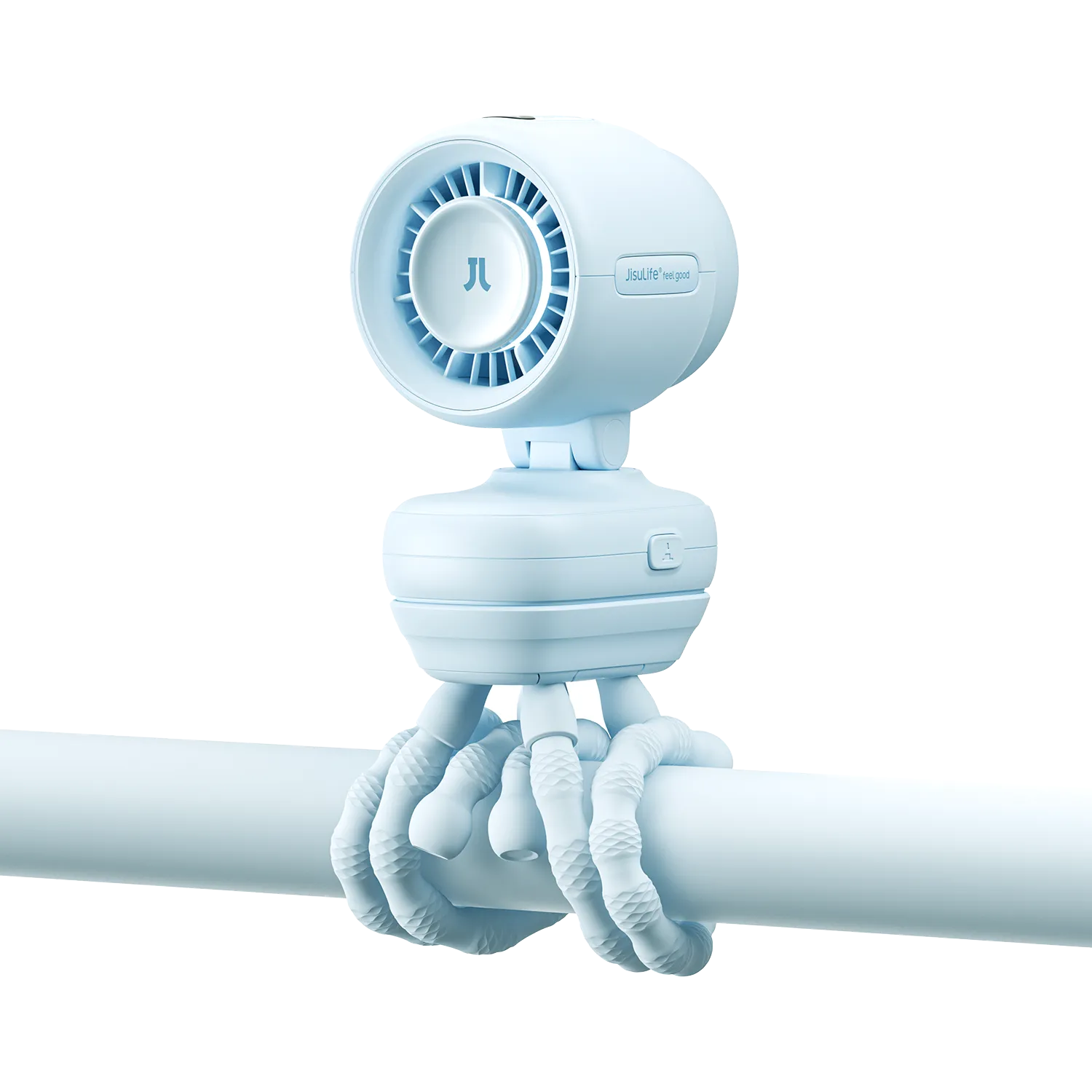
Anak-anak yang lebih muda mendapat manfaat dari desain yang dapat diklip atau sepenuhnya tertutup. Penutup jaring halus menjaga jari tetap aman sambil tetap memungkinkan aliran udara yang cukup pada kecepatan rendah dan sedang. Kaki tripod fleksibel memungkinkan kipas menempel pada pegangan stroller atau tepi meja tanpa harus terus dipegang. Model ini mengurangi kemungkinan kontak tidak sengaja saat bermain.
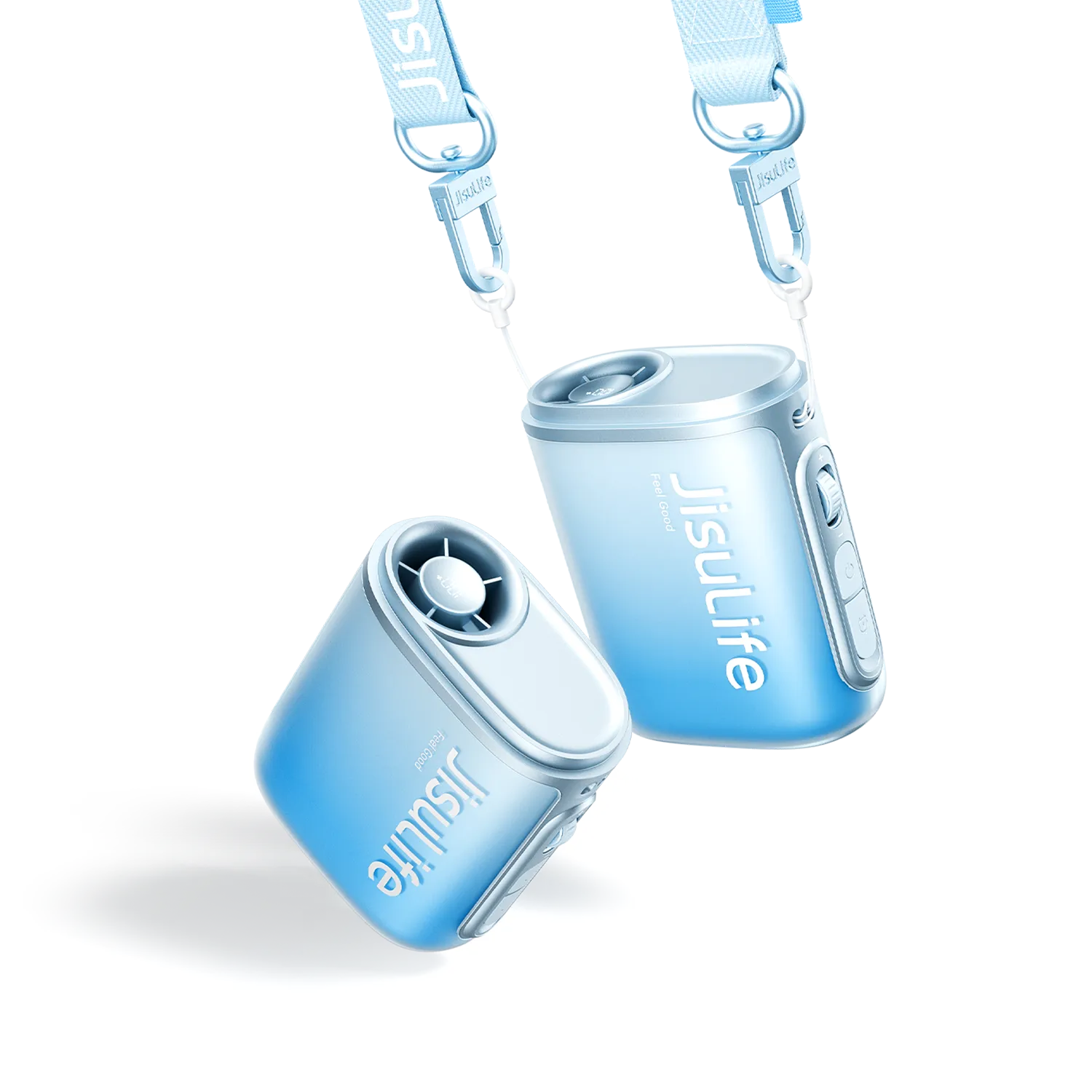
Warna terang dan bentuk bulat menarik bagi usia ini tanpa terlihat terlalu kekanak-kanakan. Klip carabiner atau loop tali membuat kipas mudah digantungkan pada tas punggung. Daya tahan baterai sekitar empat hingga enam jam cocok dengan jadwal sekolah setengah hari saat anak ingat mengisi daya di malam hari.
Fitur yang Menarik untuk Usia Tiga Belas hingga Delapan Belas Tahun
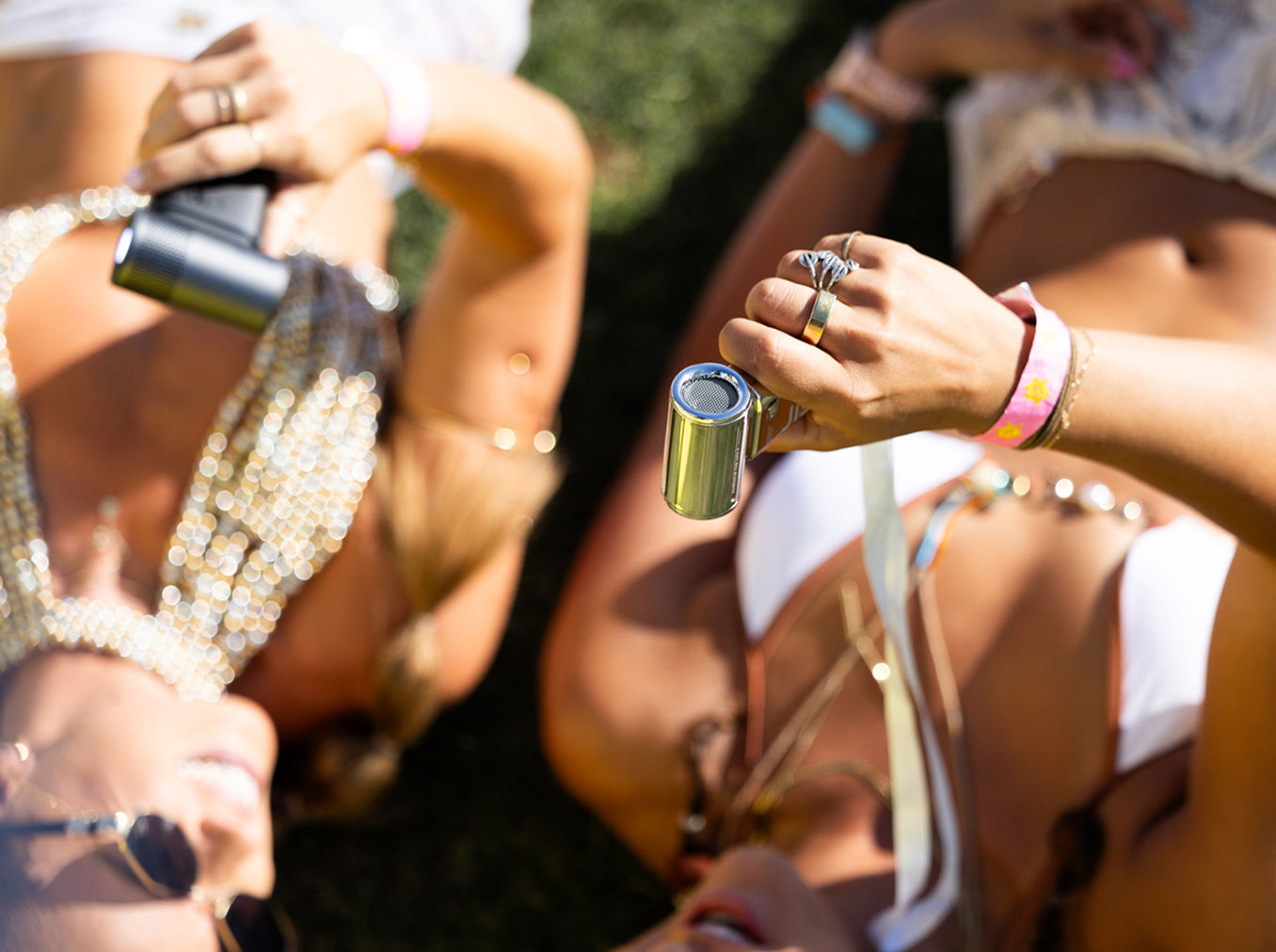
Remaja sering menginginkan daya lebih untuk pendinginan cepat antara kelas atau saat berolahraga. Kipas genggam berukuran saku dengan beberapa kecepatan memungkinkan mereka menyesuaikan output saat bepergian. Tampilan digital atau indikator LED sederhana menunjukkan sisa baterai tanpa menambah berat. Finishing metalik atau transparan mengikuti tren elektronik remaja saat ini dan menghindari kesan kekanak-kanakan.
Pengguna ini mentolerir sedikit kebisingan lebih tinggi pada kecepatan tinggi karena mereka menggunakan kipas di luar ruangan atau di lorong yang lebih bising. Port USB-C mengisi daya dengan cepat di antara periode penggunaan. Model di bawah tujuh ons dapat dimasukkan ke dalam saku celana jeans sehingga dapat dibawa ke mana saja tanpa perencanaan sebelumnya. Kipas Genggam JISULIFE Life9 sangat cocok dengan profil ini: hanya 5,62 ons dengan 5 tingkat kecepatan dan daya tahan baterai hingga 18 jam, cukup ringan untuk saku belakang dan bertahan dari pelajaran pertama hingga latihan setelah sekolah.

Desain Serbaguna untuk Keluarga
Beberapa kipas menggabungkan basis klip dengan badan genggam yang dapat dilepas. Unit yang sama dapat digunakan di meja, kereta dorong, atau di tangan. Fleksibilitas ini membantu rumah tangga dengan anak-anak dari berbagai usia. Cari versi yang dapat dilipat rata untuk perjalanan agar mudah dimasukkan ke dalam tas kabin.
Saran Praktis untuk Memaksimalkan Kipas Portabel
Kipas bekerja paling baik bersama langkah pendinginan lainnya. Minum air secara teratur dan cari tempat teduh jika memungkinkan. Perangkat ini menggerakkan udara tetapi tidak dapat menggantikan pendingin udara saat cuaca sangat panas. Pedoman medis mencatat bahwa kipas menjadi kurang efektif di atas 90 derajat Fahrenheit dan bahkan dapat menghangatkan tubuh jika digunakan sendiri dalam panas ekstrem.
Langkah Perawatan yang Memperpanjang Umur
Debu menumpuk di kisi-kisi dan mengurangi aliran udara seiring waktu. Lap bagian luar setiap minggu dengan kain yang sedikit lembap. Hindari merendam unit atau menggunakan pembersih keras yang dapat merusak plastik. Periksa port pengisian daya untuk serat yang dapat memperlambat pengisian.
Simpan kipas di tempat yang sejuk dan kering saat tidak digunakan. Suhu ekstrem di dalam mobil pada hari musim panas dapat memperpendek kapasitas baterai. Tas pembawa sederhana melindungi perangkat dari goresan di dalam ransel.
Kapan Memilih Metode Pendinginan yang Berbeda
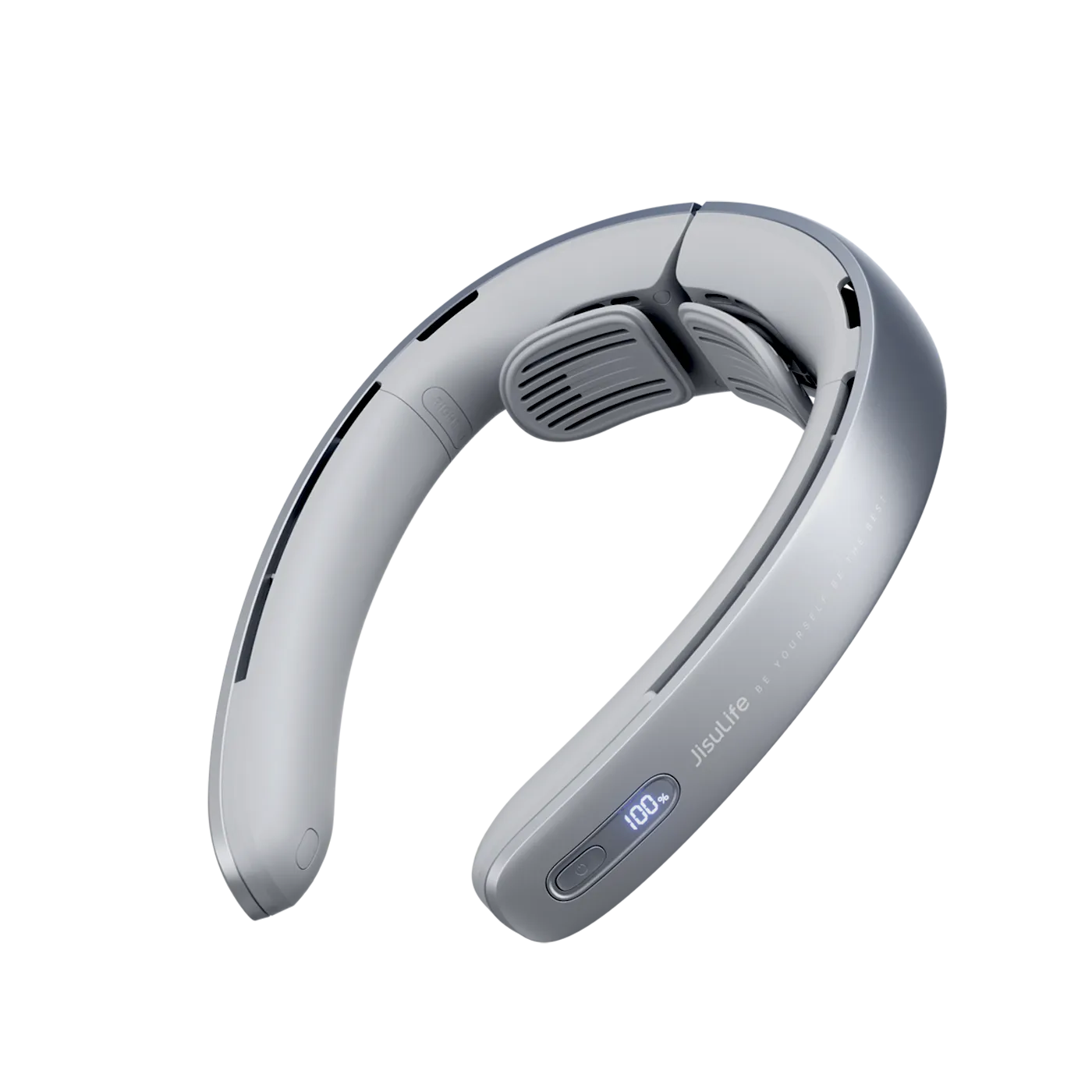
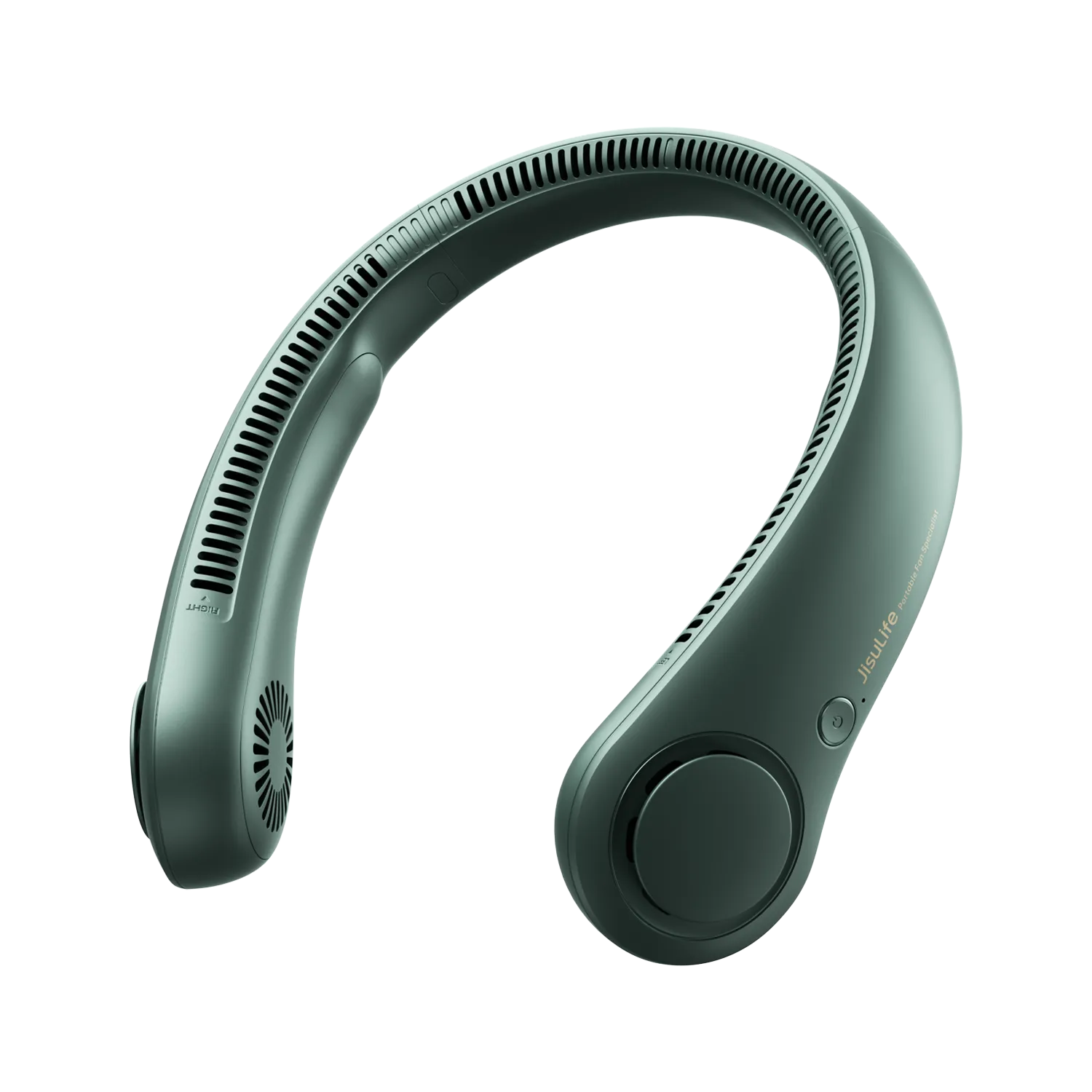
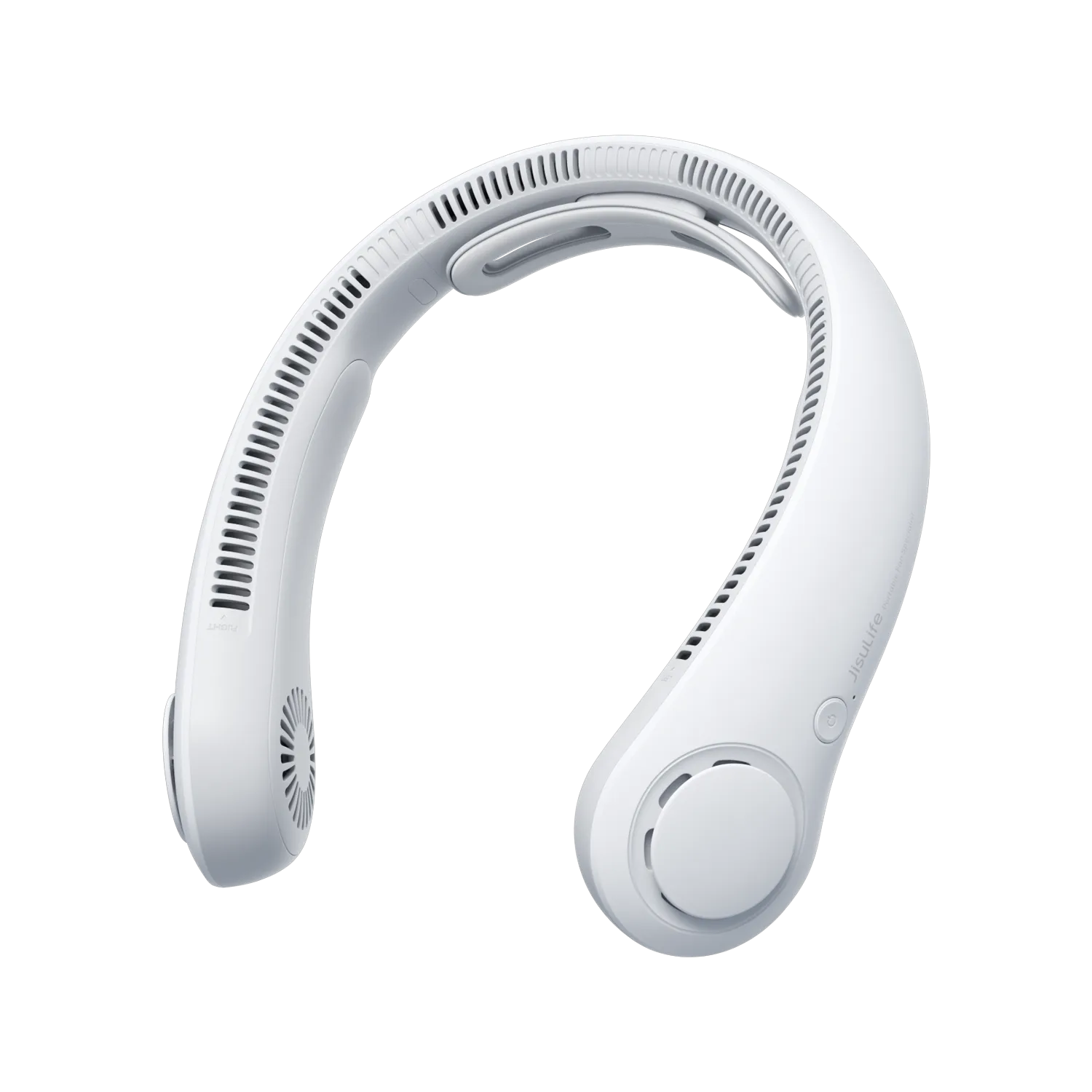
Jika suhu sering naik melewati angka sembilan puluhan rendah, kipas pribadi saja mungkin tidak cukup. Pertimbangkan kipas klip yang lebih besar untuk penggunaan stasioner atau rencanakan aktivitas di dalam ruangan saat panas puncak. Untuk anak yang sangat kecil, kipas leher atau alat penyemprot bisa memberikan kenyamanan tanpa harus menggunakan tangan dan tanpa risiko bilah.
Pilih Kipas yang Tepat Hari Ini
Pilih kipas yang sesuai dengan usia anak Anda, aktivitas yang biasa dilakukan, dan toleransi terhadap kebisingan. Kisi pengaman dan baterai yang aman sangat penting untuk pengguna yang lebih muda, sementara remaja mendapat manfaat dari daya tahan baterai lebih lama dan desain yang stylish. Model ringan yang dapat diisi ulang dengan USB-C biasanya memberikan pengalaman terbaik sehari-hari untuk perjalanan ke sekolah, olahraga, dan perjalanan keluarga. Periksa tingkat kebisingan pada setiap pengaturan kecepatan sebelum membeli agar perangkat tetap diterima di kelas. Mulailah dengan satu yang sesuai dengan skenario paling umum Anda. Kipas portabel yang tepat membantu anak-anak dan remaja tetap nyaman dan fokus sepanjang musim panas dan seterusnya.
Pertanyaan yang Sering Diajukan
Q1: Apakah kipas genggam aman untuk anak di bawah lima tahun?
Balita yang lebih muda membutuhkan pengawasan penuh dan model dengan bilah yang sepenuhnya tertutup. Jaring halus pada banyak kipas klip mencegah jari menyentuh bilah, namun orang tua tetap harus memilih opsi yang sesuai usia dan menghindari bagian yang longgar. Uji berat dan pegangan sebelum penggunaan rutin.
Q2: Berapa lama baterai tahan pada kipas genggam anak-anak biasa?
Sebagian besar model dapat beroperasi selama empat hingga delapan jam pada kecepatan sedang setelah pengisian penuh dengan USB-C. Waktu pakai sebenarnya tergantung pada kecepatan yang dipilih dan suhu ruangan. Isi daya semalaman untuk menutupi hari sekolah penuh plus aktivitas setelah sekolah.
Q3: Tingkat kebisingan berapa yang paling cocok untuk penggunaan di kelas?
Kipas yang tetap di bawah 35 desibel pada kecepatan rendah dan sedang jarang mengganggu pelajaran. Kecepatan lebih tinggi cocok untuk olahraga luar ruangan atau lorong yang bising. Dengarkan suara kipas di toko pada setiap pengaturan sebelum membeli untuk sekolah.
Q4: Haruskah saya membeli kipas klip atau model genggam untuk remaja?
Remaja yang sering berpindah kelas biasanya lebih suka kipas genggam kecil yang muat di saku. Versi klip lebih cocok untuk penggunaan di meja atau dipasang di stroller. Banyak keluarga memiliki satu dari masing-masing untuk situasi berbeda.
Q5: Bagaimana cara membersihkan kipas portabel tanpa merusaknya?
Lap kisi luar dan bodi dengan kain mikrofiber yang lembap. Jangan pernah membilas unit dengan air. Bersihkan debu dari area masuk udara setiap minggu agar aliran udara tetap kuat. Biarkan kipas benar-benar kering sebelum mengisi daya.
Q6: Bisakah kipas kecil menggantikan pendingin udara pada hari perjalanan yang panas?
Kipas pribadi membantu saat menunggu sebentar dalam antrean atau saat cuaca agak panas. Kipas ini tidak dapat mendinginkan seluruh mobil atau kamar hotel. Gunakan kipas bersama dengan hidrasi, tempat teduh, dan istirahat ber-AC saat suhu naik di atas 90 derajat Fahrenheit.



Tinggalkan komentar
Semua komentar dimoderasi sebelum dipublikasikan.
Situs ini dilindungi oleh hCaptcha dan berlaku Kebijakan Privasi serta Ketentuan Layanan hCaptcha.