

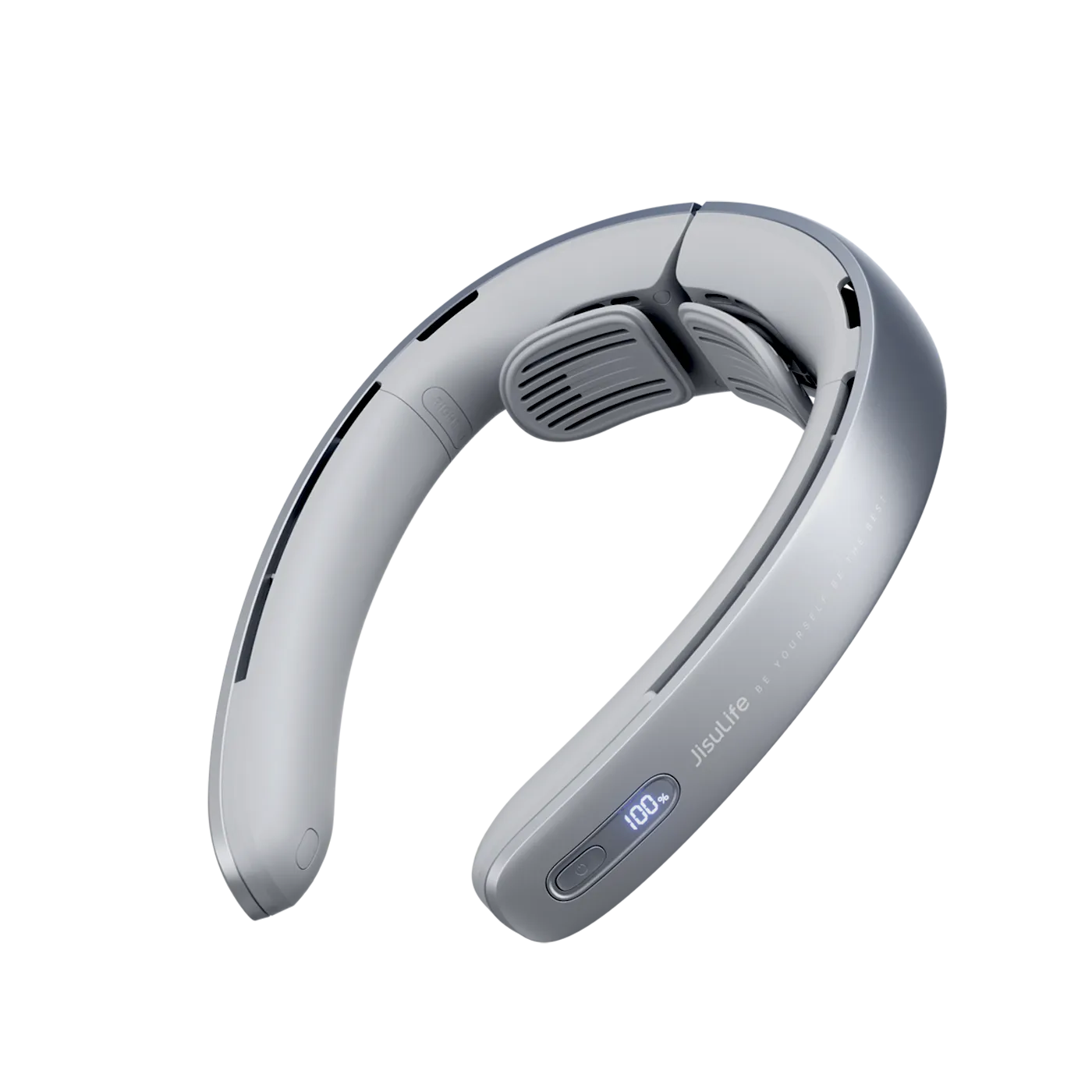
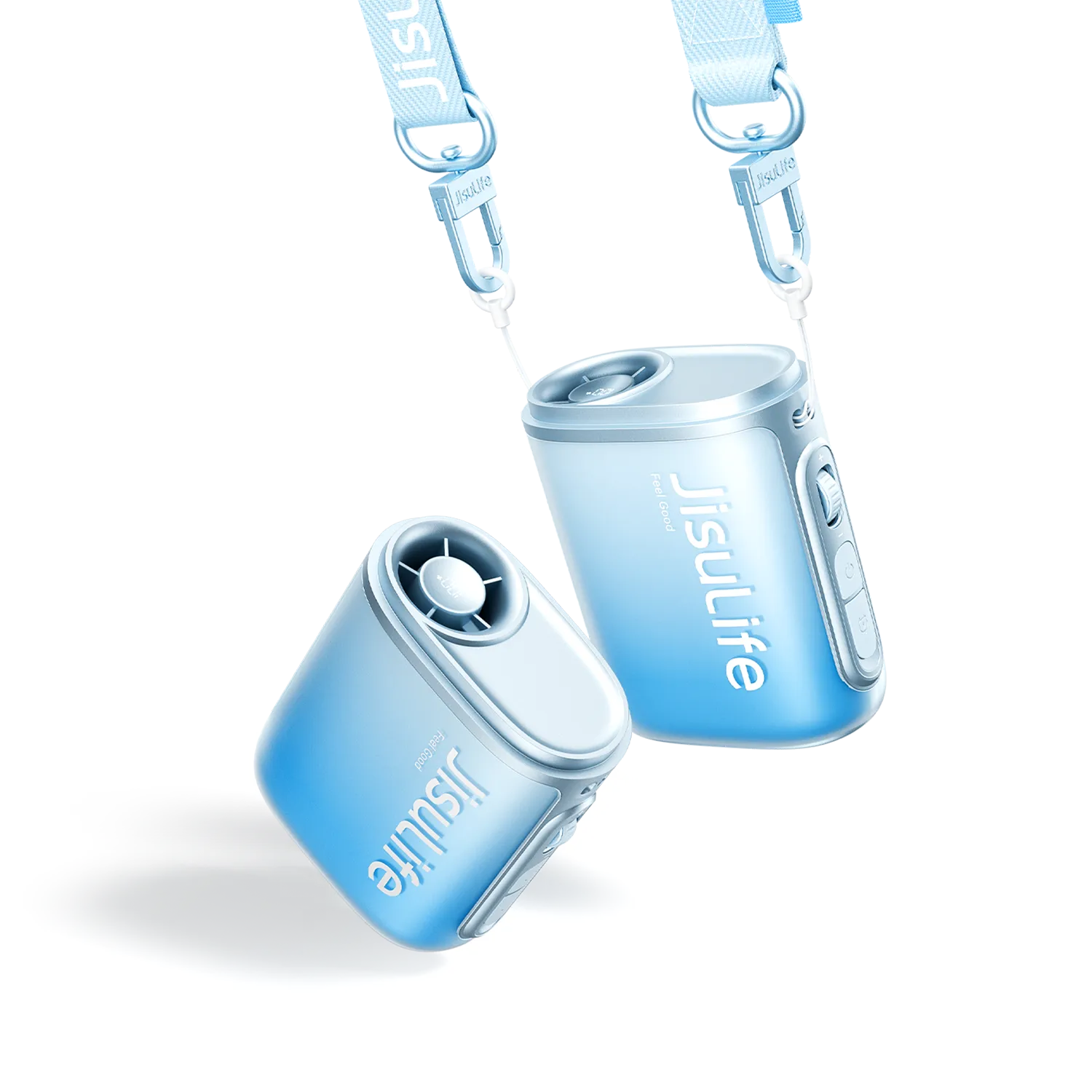
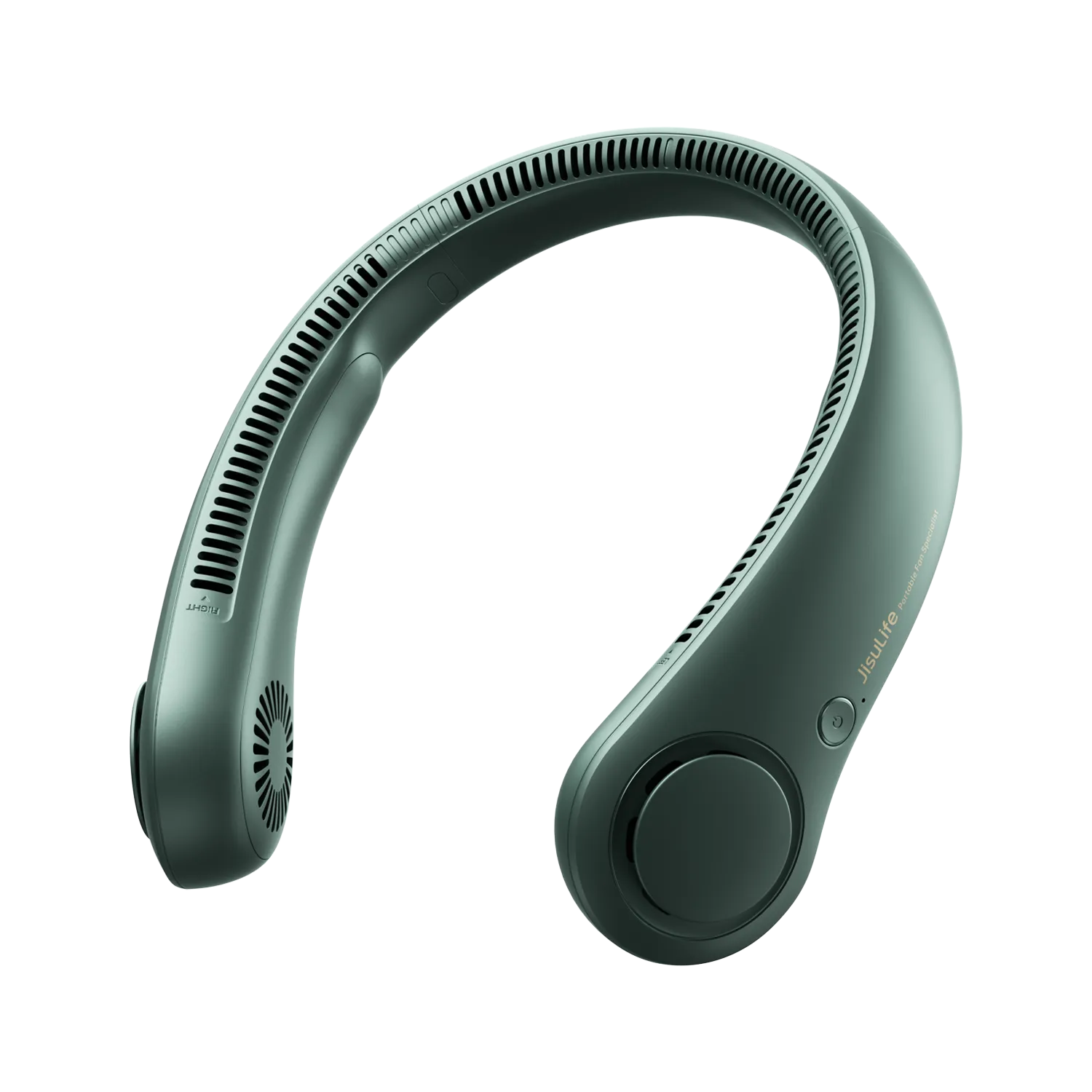
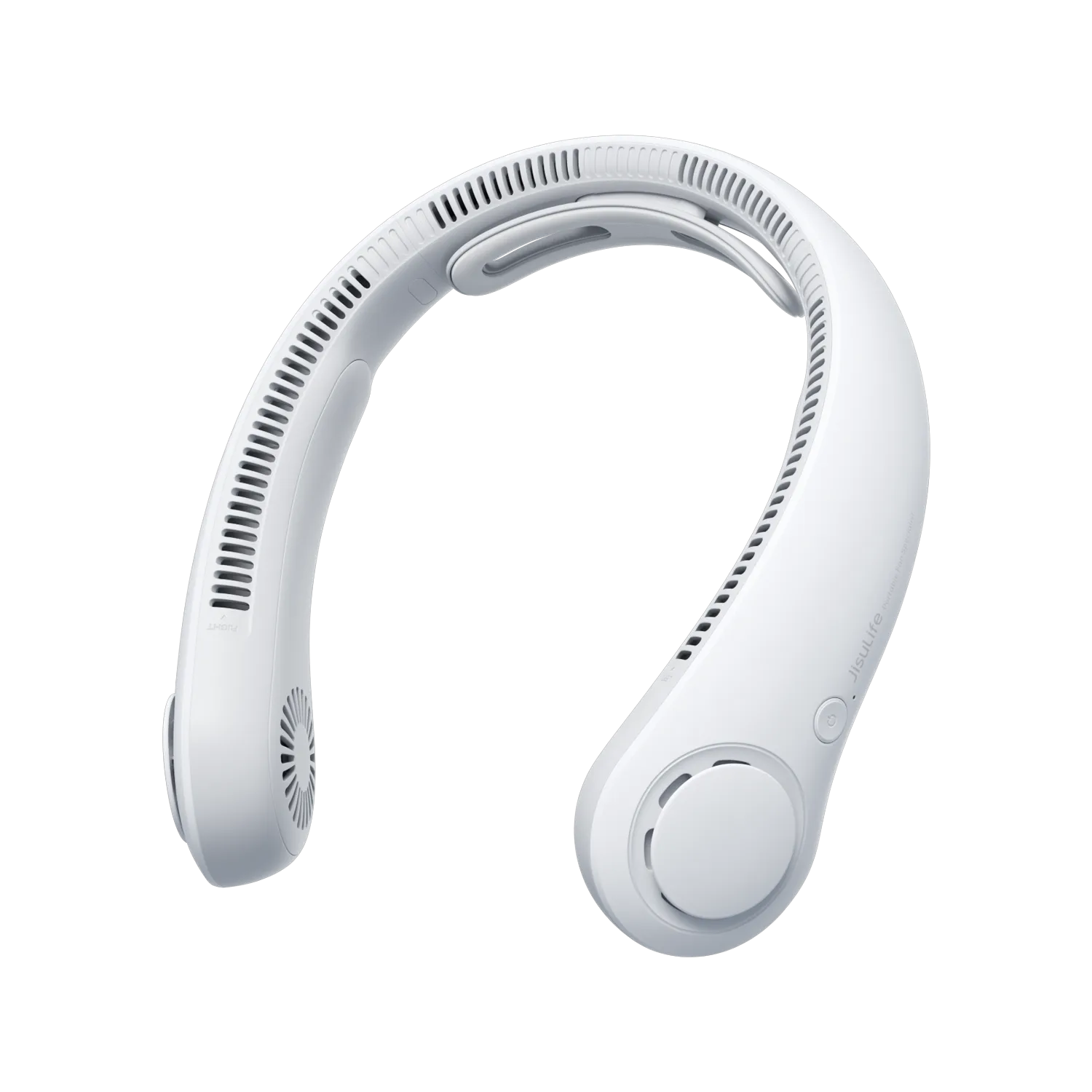
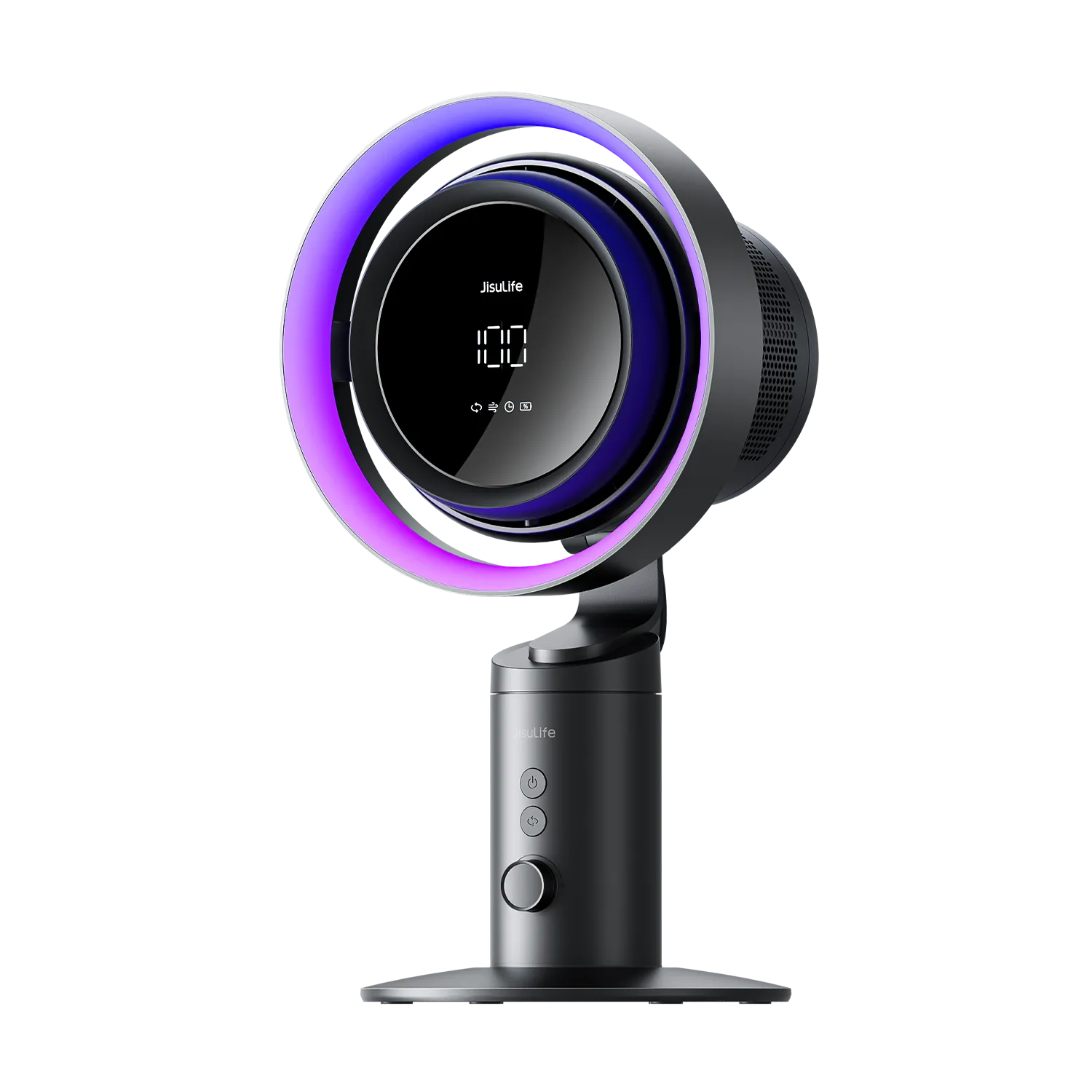
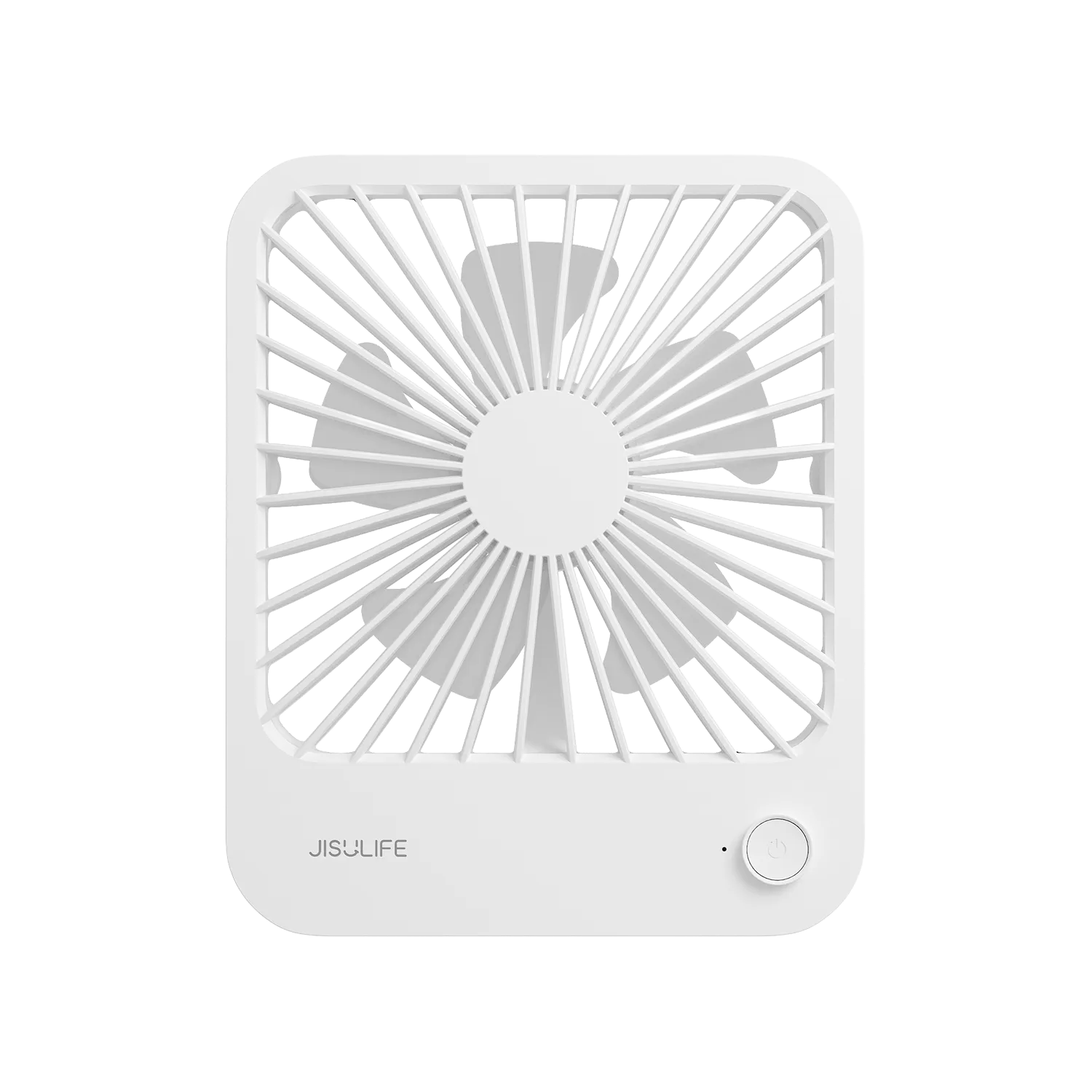
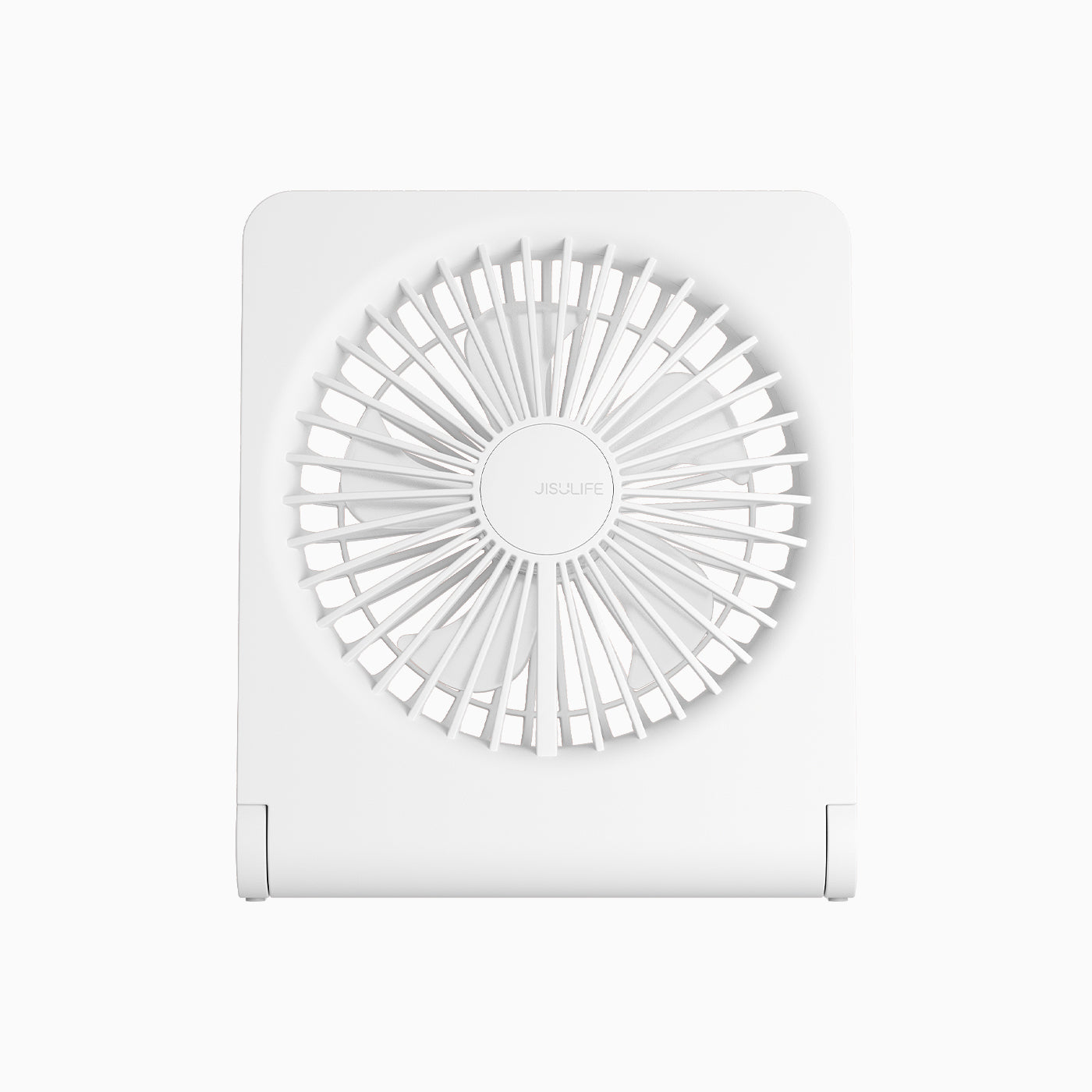

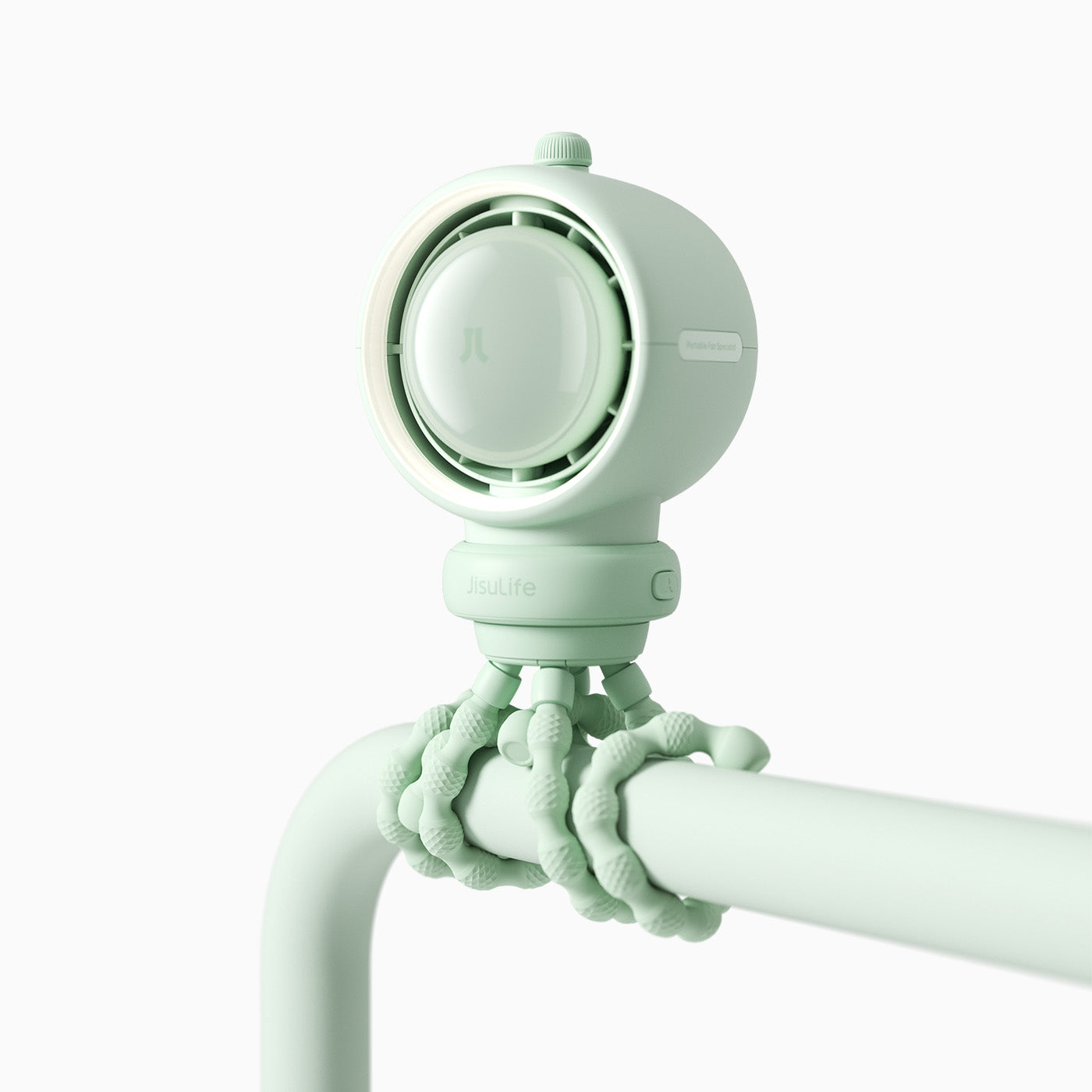

Kipas portabel isi ulang dengan mAh lebih tinggi tidak otomatis lebih baik. Nilai mAh terutama menunjukkan seberapa banyak daya yang dapat disimpan baterai, sementara durasi penggunaan sebenarnya bergantung pada seberapa besar daya yang digunakan kipas dan kecepatan yang benar-benar Anda pilih. Jika Anda bepergian, melakukan perjalanan, atau membawa kipas setiap hari, kapasitas baterai harus dinilai bersama bobot, aliran udara, dan kemudahan pengisian daya.
Apa yang Sebenarnya Ditunjukkan oleh mAh
mAh adalah singkatan dari milliampere-jam, yaitu label kapasitas baterai. Sederhananya, nilai ini menunjukkan seberapa banyak energi yang dapat ditampung baterai, bukan seberapa kuat hembusan anginnya.
Perbedaan ini penting untuk kipas portabel isi ulang. Dua kipas dapat sama-sama memiliki kapasitas 5.000mAh, tetapi kipas dengan motor yang lebih efisien atau profil kecepatan yang lebih lembut mungkin dapat beroperasi lebih lama. Hal sebaliknya juga dapat terjadi: baterai yang lebih besar tetap dapat cepat habis jika kipas menggunakan lebih banyak daya pada kecepatan yang Anda gunakan.
Aturan paling sederhananya adalah, mAh merupakan titik awal, bukan penentu akhir. Jika sebuah kipas hanya tampak lebih baik karena angka baterainya lebih besar, Anda tetap perlu menanyakan seberapa cepat kipas tersebut menggerakkan udara, berapa banyak tingkat kecepatannya, dan apakah klaim durasi penggunaannya berlaku pada pengaturan yang secara realistis akan Anda gunakan. Bagi sebagian besar pembeli, inilah perbedaan antara spesifikasi yang bermanfaat dan spesifikasi yang menyesatkan.
Mengapa Baterai Lebih Besar Tidak Menjamin Pendinginan yang Lebih Baik
Baterai yang lebih besar dapat mendukung durasi penggunaan yang lebih lama, tetapi tidak menghasilkan pendinginan dengan sendirinya. Durasi penggunaan dipengaruhi oleh hubungan antara daya yang tersimpan dan konsumsi daya. Jika kipas bekerja lebih keras pada kecepatan tinggi, baterai akan lebih cepat habis daripada yang mungkin disiratkan oleh labelnya.
Bagi pembeli, ini berarti angka mAh terbesar belum tentu paling sesuai. Kipas yang disetel dengan baik dan memiliki baterai lebih kecil terkadang terasa lebih praktis daripada model yang lebih besar dengan baterai berkapasitas lebih tinggi, terutama jika Anda menghabiskan sebagian besar waktu pada kecepatan sedang. Dalam penggunaan sehari-hari, pertanyaannya bukan hanya, “Berapa lama baterai ini dapat digunakan?” Pertanyaannya juga, “Seberapa berat kipas yang bersedia saya bawa untuk mendapatkan durasi tersebut?”
Keuntungan dan kerugian ini segera terasa saat dibawa sehari-hari. Baterai kipas tanpa kabel yang lebih besar biasanya menambah ukuran dan bobot, dan hal ini penting jika kipas disimpan di tas, ransel, atau perlengkapan perjalanan. Jika Anda hanya membutuhkan pendinginan singkat di antara perjalanan, ukuran tambahan tersebut mungkin tidak sepadan.
Berikut pembagian keputusan yang praktis:
- Pilih baterai yang lebih besar jika Anda membutuhkan sesi penggunaan yang lebih lama jauh dari stopkontak dan tidak keberatan dengan bobot tambahan.
- Pilih kipas yang lebih ringan jika Anda membawanya sepanjang hari dan biasanya menggunakannya dalam waktu singkat.
- Jangan berasumsi bahwa baterai yang lebih besar lebih baik jika pengaturan kecepatan kipas terlalu kuat sehingga memperpendek durasi penggunaan dengan cepat.
Untuk kipas portabel, baterai yang lebih besar hanya lebih baik jika seluruh desain lainnya mampu mengendalikan konsumsi daya. Jika tidak, Anda menukar bobot tambahan tanpa benar-benar mendapatkan durasi penggunaan yang lebih lama.
Perbandingan kapasitas baterai pada berbagai kecepatan
- mAh rendah: Kuat pada kecepatan rendah; cepat melemah pada kecepatan sedang atau tinggi.
- mAh sedang: Seimbang pada kecepatan rendah dan sedang; cadangan daya terbatas pada kecepatan tinggi.
- mAh tinggi: Daya tahan terbaik pada kecepatan rendah; bobot bertambah tanpa peningkatan yang sebanding pada kecepatan tinggi.
Cara Membandingkan Spesifikasi Kipas Portabel
Sebelum membeli kipas isi ulang, bandingkan keseluruhan gambaran durasi penggunaan, bukan hanya satu angka kapasitas baterai.
Gunakan daftar periksa berikut:
- Periksa durasi penggunaan berdasarkan pengaturan kecepatan. Angka tertinggi yang diiklankan biasanya terkait dengan pengaturan terendah, sehingga mungkin tidak sesuai dengan penggunaan sehari-hari Anda.
- Bandingkan mAh dengan kebutuhan aliran udara. Jika Anda hanya menginginkan pendinginan ringan untuk diri sendiri, baterai berkapasitas sangat besar mungkin tidak diperlukan.
- Perhatikan bobot dan bentuk secara bersamaan. Kipas yang lebih mudah dibawa sering kali menjadi pilihan harian yang lebih baik, meskipun baterainya lebih kecil.
- Periksa kemudahan pengisian daya. USB-C dan pengisian daya yang lebih cepat dapat sama pentingnya dengan kapasitas baterai jika Anda mengisi ulang daya di antara perjalanan.
- Anggap kebisingan dan aliran udara sebagai spesifikasi penggunaan. Kipas yang senyap tetapi lemah belum tentu terasa lebih baik daripada kipas yang lebih bising dengan pergerakan udara yang lebih bermanfaat.
Bagi banyak pembeli, pertanyaan utamanya adalah apakah kipas tersebut mendukung cara Anda menggunakannya. Jika Anda membutuhkan kipas untuk perjalanan singkat dan waktu istirahat di kantor, portabilitas biasanya harus lebih diutamakan daripada kapasitas maksimum. Jika Anda membutuhkan durasi penggunaan sepanjang hari di luar ruangan, kapasitas baterai lebih penting, tetapi hanya jika kipasnya tetap cukup ringan untuk dibawa dengan nyaman.
Pemeriksaan sederhana untuk diri sendiri: tanyakan masalah apa yang ingin Anda atasi. Jika masalahnya adalah “Saya membutuhkan kipas yang dapat bertahan sepanjang hari di dalam tas,” maka mAh layak diperhatikan. Jika masalahnya adalah “Saya ingin pendinginan cepat tanpa menambah beban,” desain yang lebih ringan mungkin lebih sesuai meskipun baterainya lebih kecil.
Posisi JisuLife Handheld Fan Ultra2
Jika Anda menginginkan kipas portabel isi ulang yang sesuai dengan pola pikir pembelian yang mengutamakan portabilitas, JisuLife Handheld Fan Ultra 2 layak dipertimbangkan. Intinya bukan bahwa kipas ini unggul hanya karena satu angka kapasitas baterai. Intinya, model ini patut dipertimbangkan setelah Anda memutuskan bahwa keseimbangan saat dibawa, bukan sekadar kapasitas maksimum, adalah tujuan utama.
Kipas ini lebih sesuai ketika Anda membandingkan kipas untuk perjalanan, bepergian, penggunaan di meja, atau pendinginan pribadi secara cepat dan Anda peduli pada kenyamanan saat membawanya setiap hari. Kipas ini kurang sesuai jika Anda hanya memilih berdasarkan angka mAh terbesar di halaman produk dan berharap angka tersebut sendirian dapat mengatasi masalah durasi penggunaan atau kenyamanan.

Pemeriksaan Akhir Sebelum Memilih
Periksa pengaturan kecepatan yang benar-benar akan Anda gunakan, bukan pengaturan yang tampak paling menarik pada kemasan. mAh yang lebih tinggi hanya membantu jika kapasitas tersebut menghasilkan durasi penggunaan yang bermanfaat pada kecepatan normal Anda dan tidak membuat kipas terlalu berat untuk dibawa. Bandingkan klaim durasi penggunaan dengan kenyamanan saat dibawa sehari-hari, lalu uji bobotnya secara langsung jika memungkinkan. Pertimbangkan kembali JisuLife Handheld Fan Ultra 2 jika pilihan yang seimbang dan mengutamakan portabilitas sesuai dengan kebiasaan Anda.
Tanya Jawab
Q1. Apakah baterai dengan mAh lebih tinggi selalu berarti durasi penggunaan lebih lama pada kipas portabel?
Tidak selalu. mAh yang lebih tinggi memberi kipas lebih banyak energi tersimpan, tetapi durasi penggunaan tetap bergantung pada seberapa besar daya yang digunakan motor dan kecepatan yang Anda pilih. Kipas yang lebih efisien pada pengaturan rendah dapat beroperasi lebih lama daripada baterai yang lebih besar pada pengaturan yang boros daya.
Q2. Mengapa baterai kipas portabel yang lebih kecil dapat bertahan lebih lama daripada baterai yang lebih besar?
Baterai yang lebih kecil dapat bertahan lebih lama jika kipasnya lebih efisien atau profil kecepatannya menggunakan lebih sedikit daya. Karena itu, kapasitas baterai saja merupakan indikator yang kurang akurat. Dua kipas dengan motor berbeda dapat bekerja sangat berbeda meskipun angka mAh-nya hampir sama.
Q3. Berapa mAh yang sebaiknya saya cari pada kipas isi ulang?
Tidak ada satu angka yang paling ideal. Mulailah dari berapa lama Anda membutuhkan kipas untuk beroperasi dan kecepatan yang benar-benar akan Anda gunakan. Pengguna yang bepergian sehari-hari mungkin lebih menghargai kipas yang ringan dengan durasi penggunaan sedang, sementara pelancong mungkin memilih kapasitas lebih besar jika bobot tambahannya masih dapat diterima.
Q4. Apakah kipas portabel dengan baterai lebih besar dapat terlalu berat untuk dibawa sehari-hari?
Ya. Baterai yang lebih besar biasanya menambah ukuran dan bobot, yang mungkin lebih berpengaruh daripada tambahan durasi penggunaan jika kipas disimpan di tas atau saku. Jika Anda membawanya setiap hari, kenyamanan dan portabilitas harus menjadi bagian dari pertimbangan baterai, bukan sekadar hal yang dipikirkan belakangan.
Q5. Bagaimana cara membandingkan klaim daya tahan baterai kipas portabel pada kemasan?
Perhatikan durasi penggunaan pada kecepatan tertentu, lalu bandingkan dengan cara Anda berencana menggunakan kipas tersebut. Durasi penggunaan tertinggi yang diiklankan sering kali terkait dengan pengaturan terendah, sehingga mungkin tidak mencerminkan penggunaan normal. Karena itu, konteks pengaturan kecepatan lebih penting daripada angka kapasitas baterai saja.


Tinggalkan komentar
Semua komentar dimoderasi sebelum dipublikasikan.
Situs ini dilindungi oleh hCaptcha dan berlaku Kebijakan Privasi serta Ketentuan Layanan hCaptcha.