

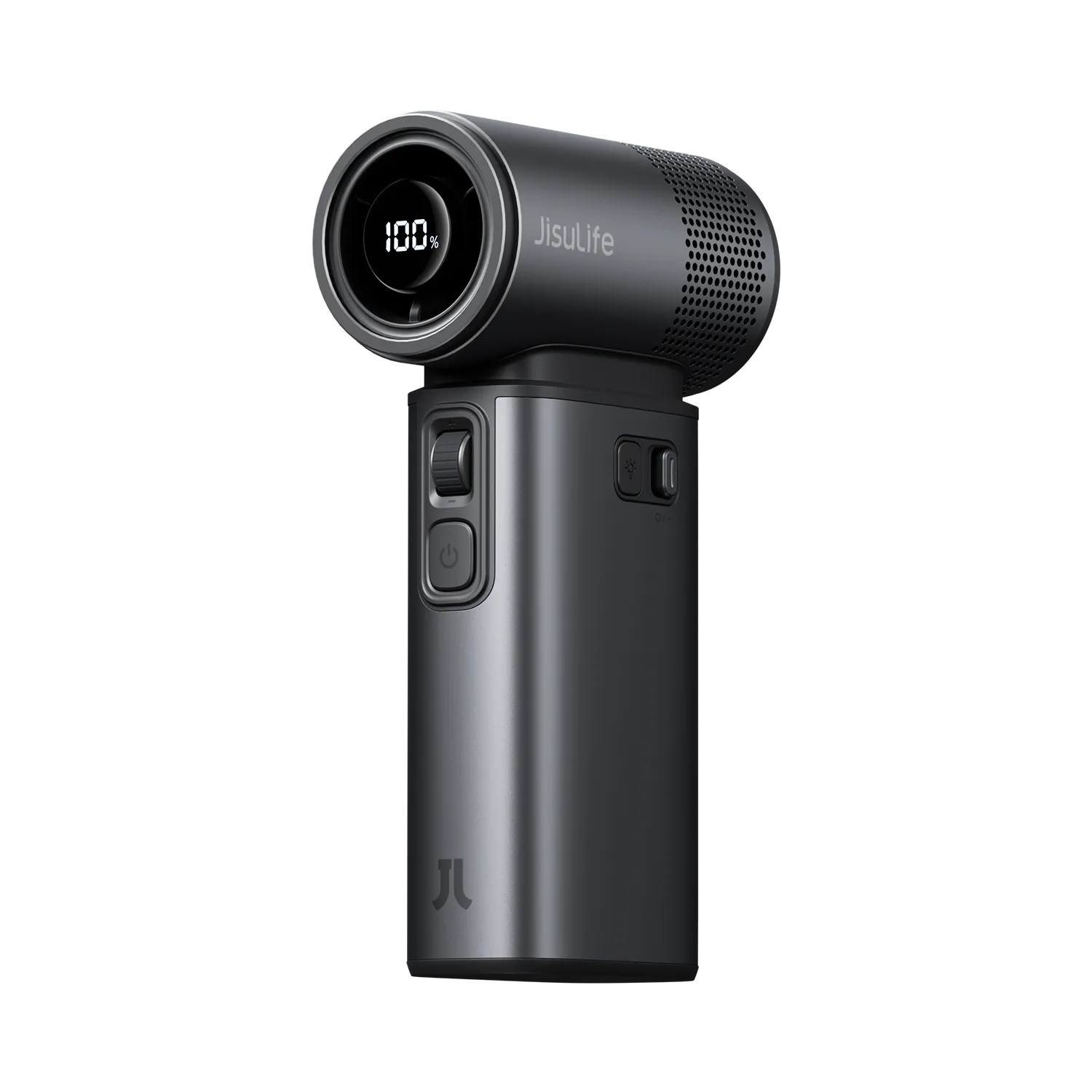
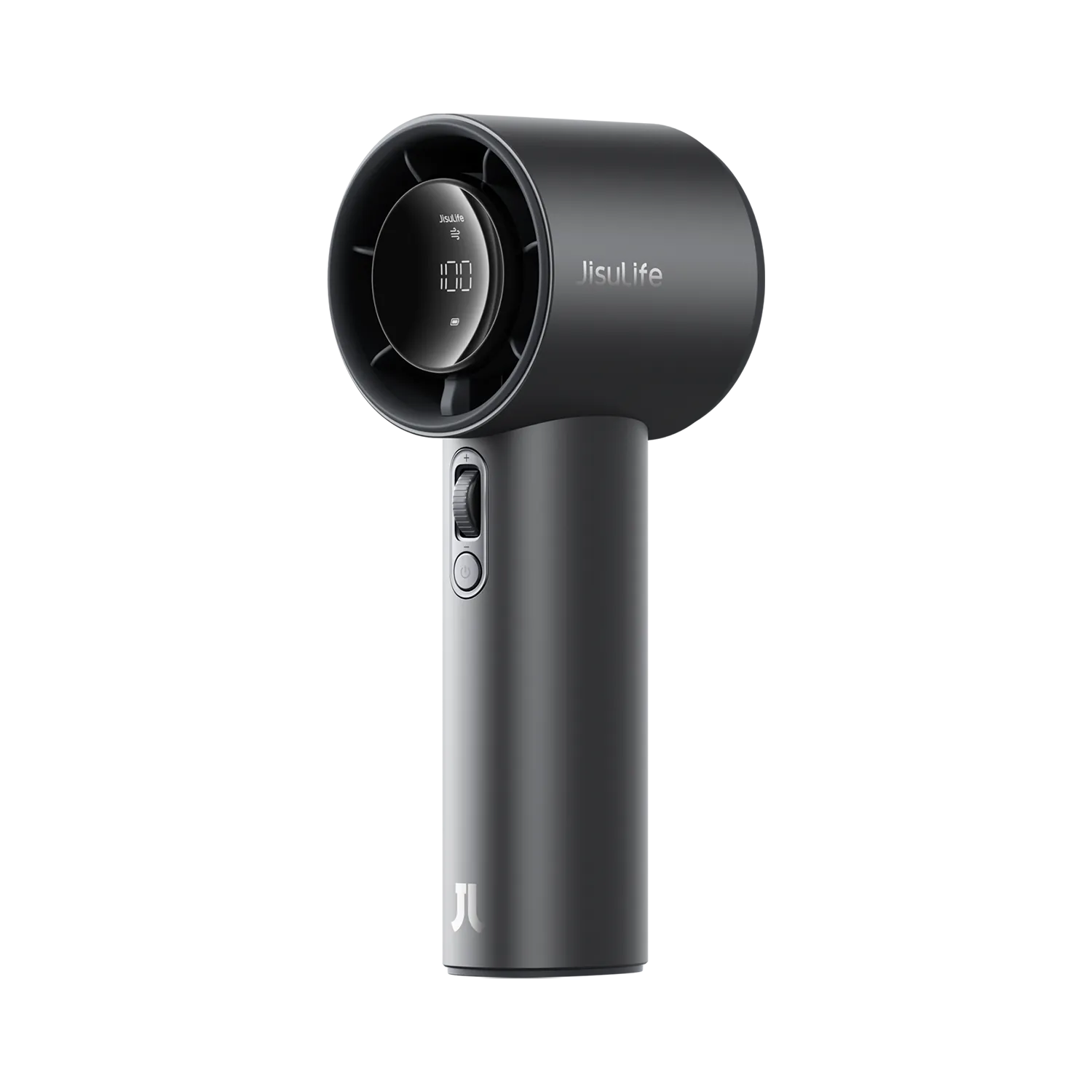
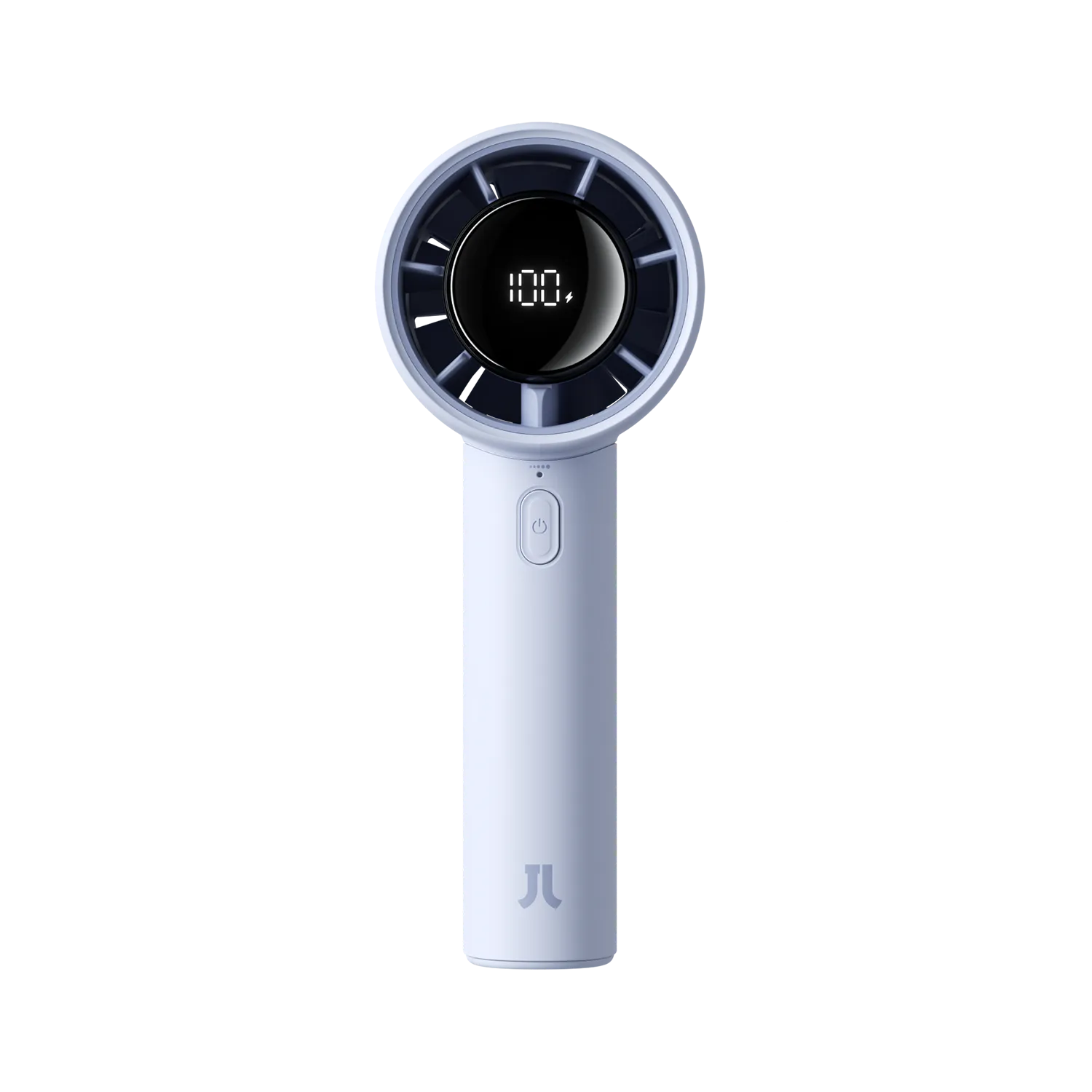
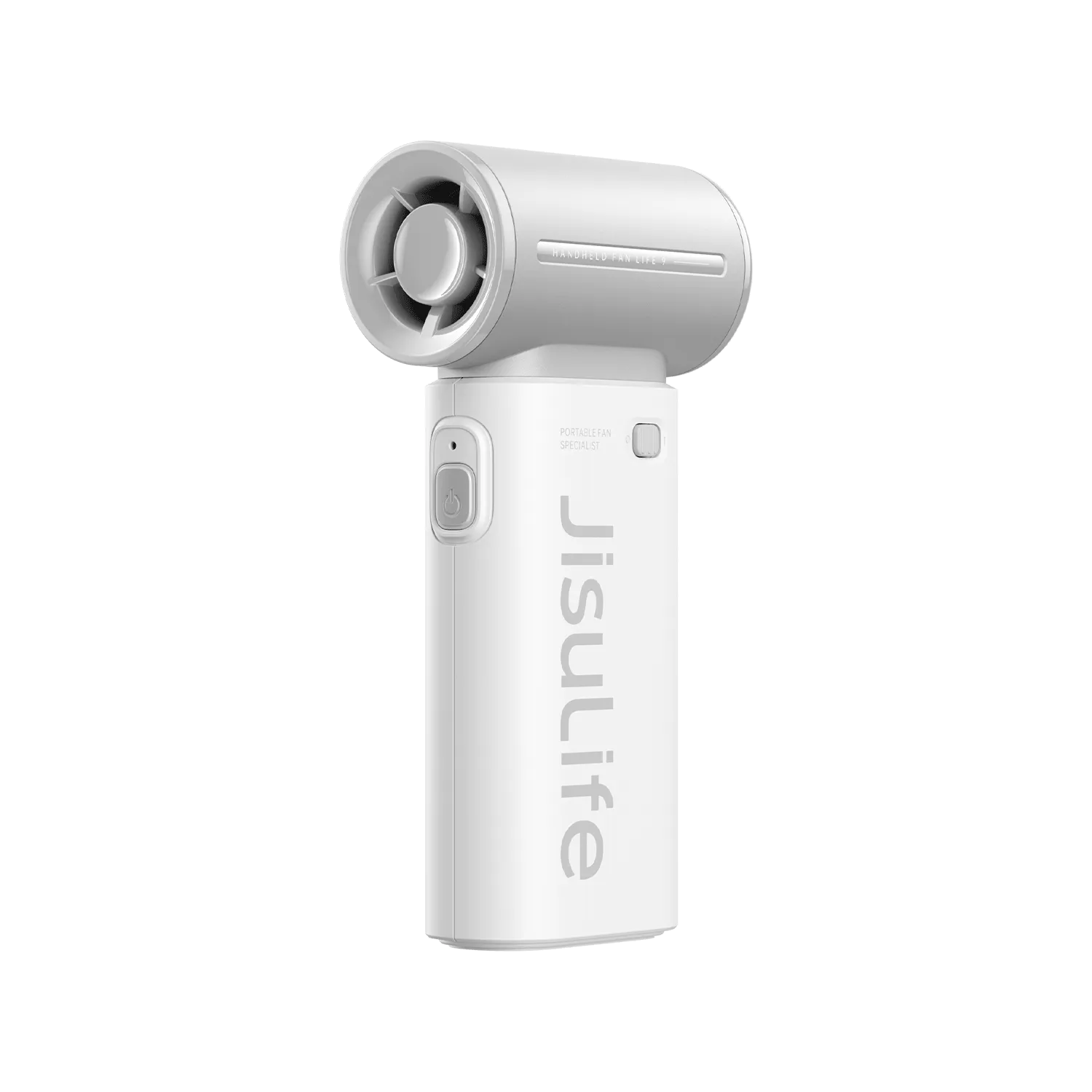
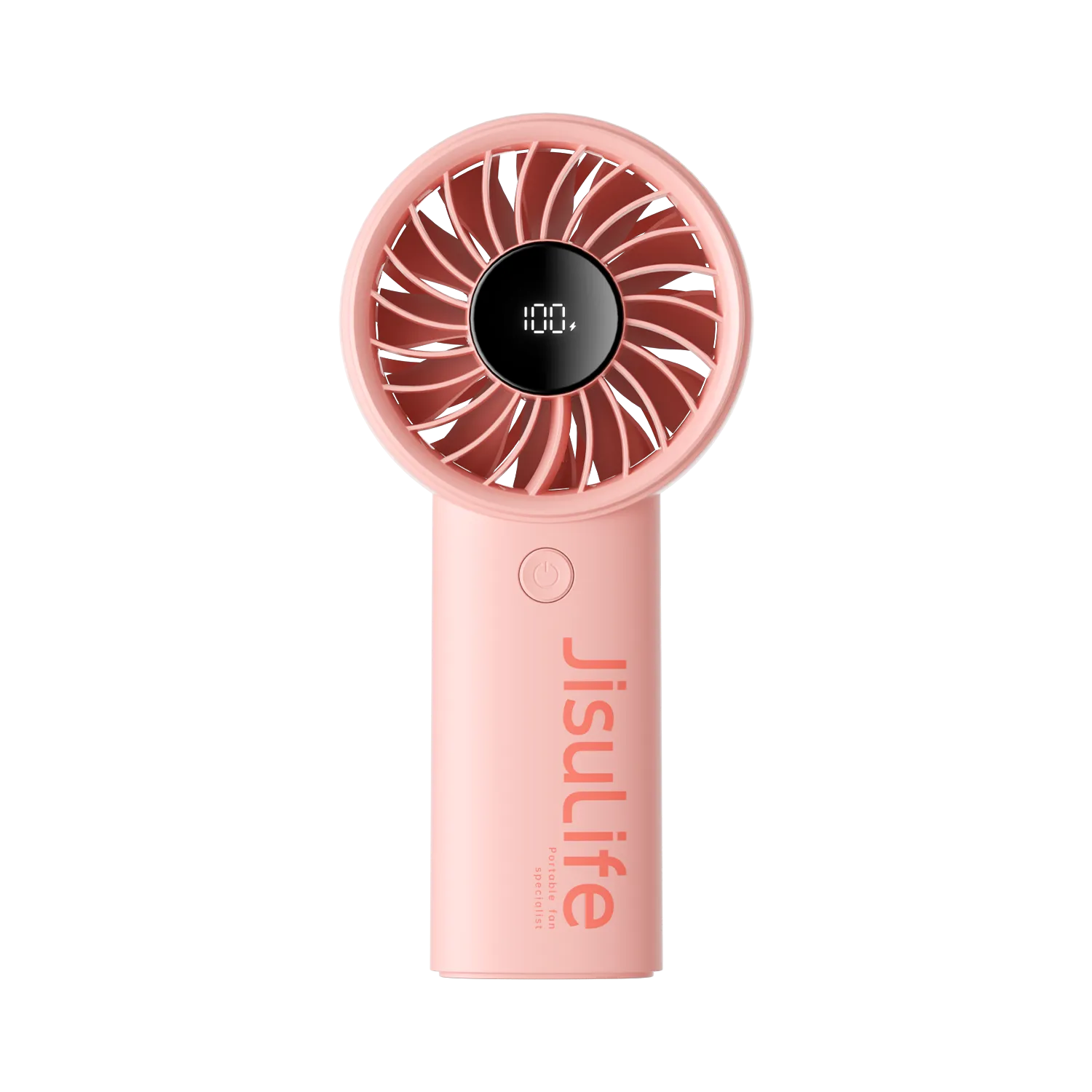
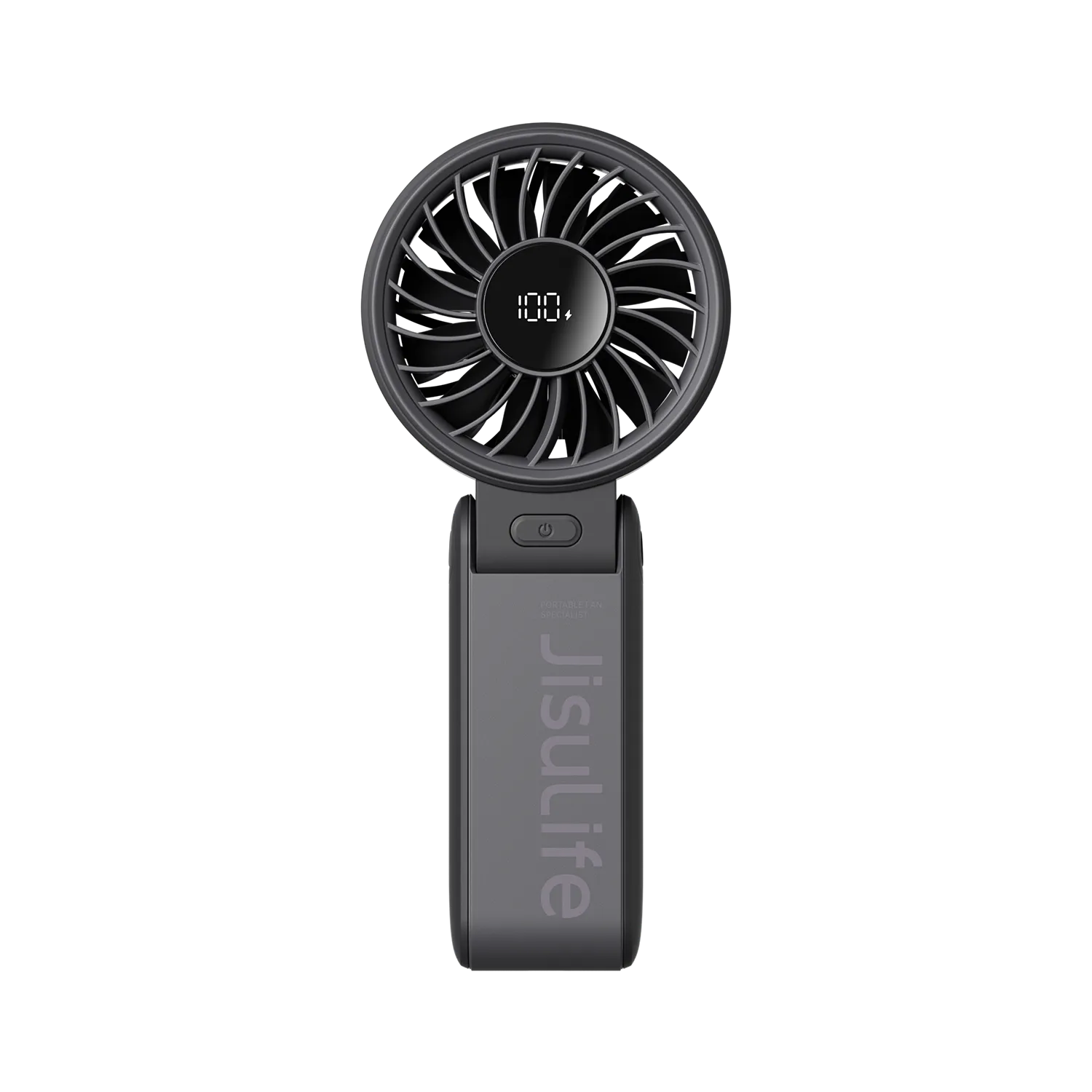

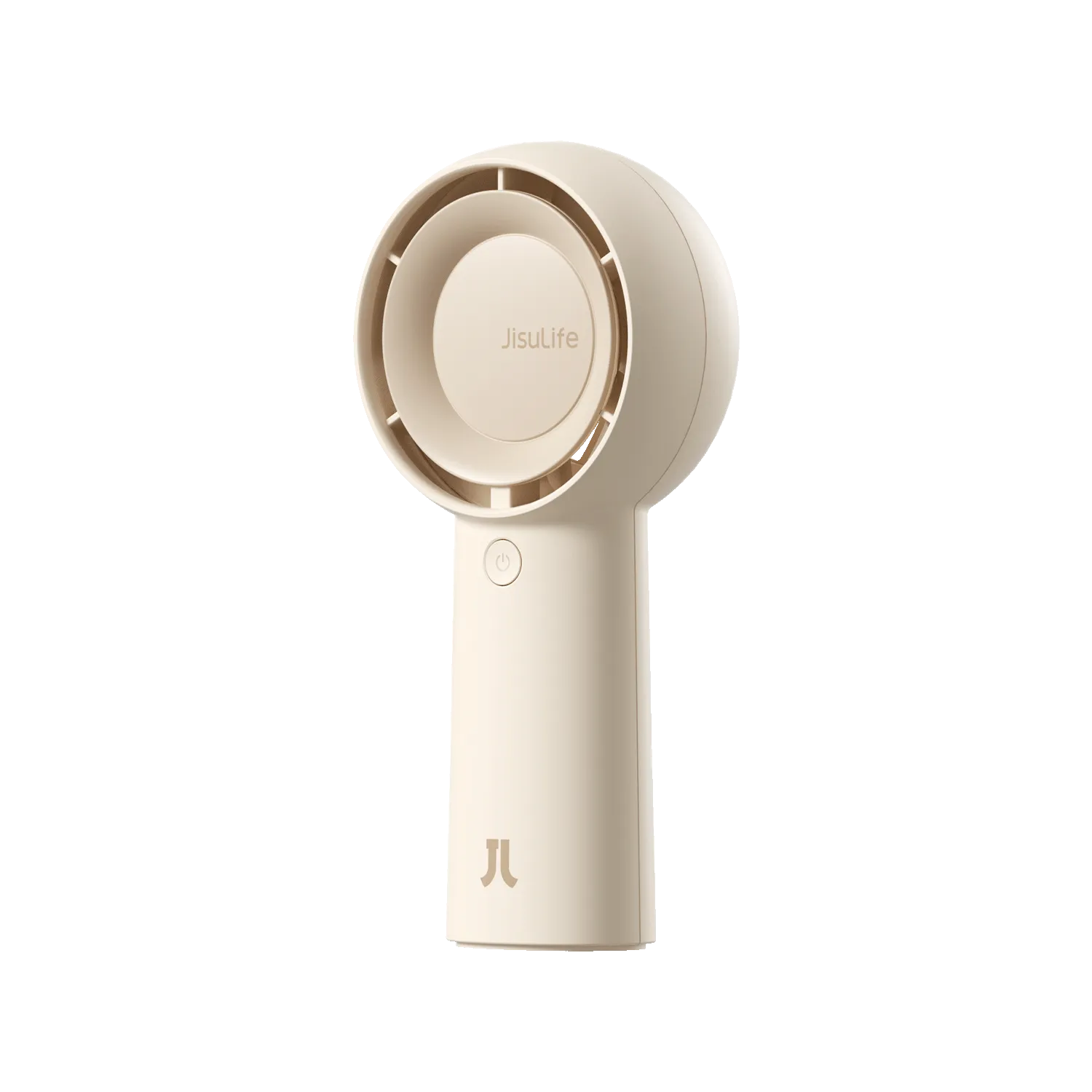
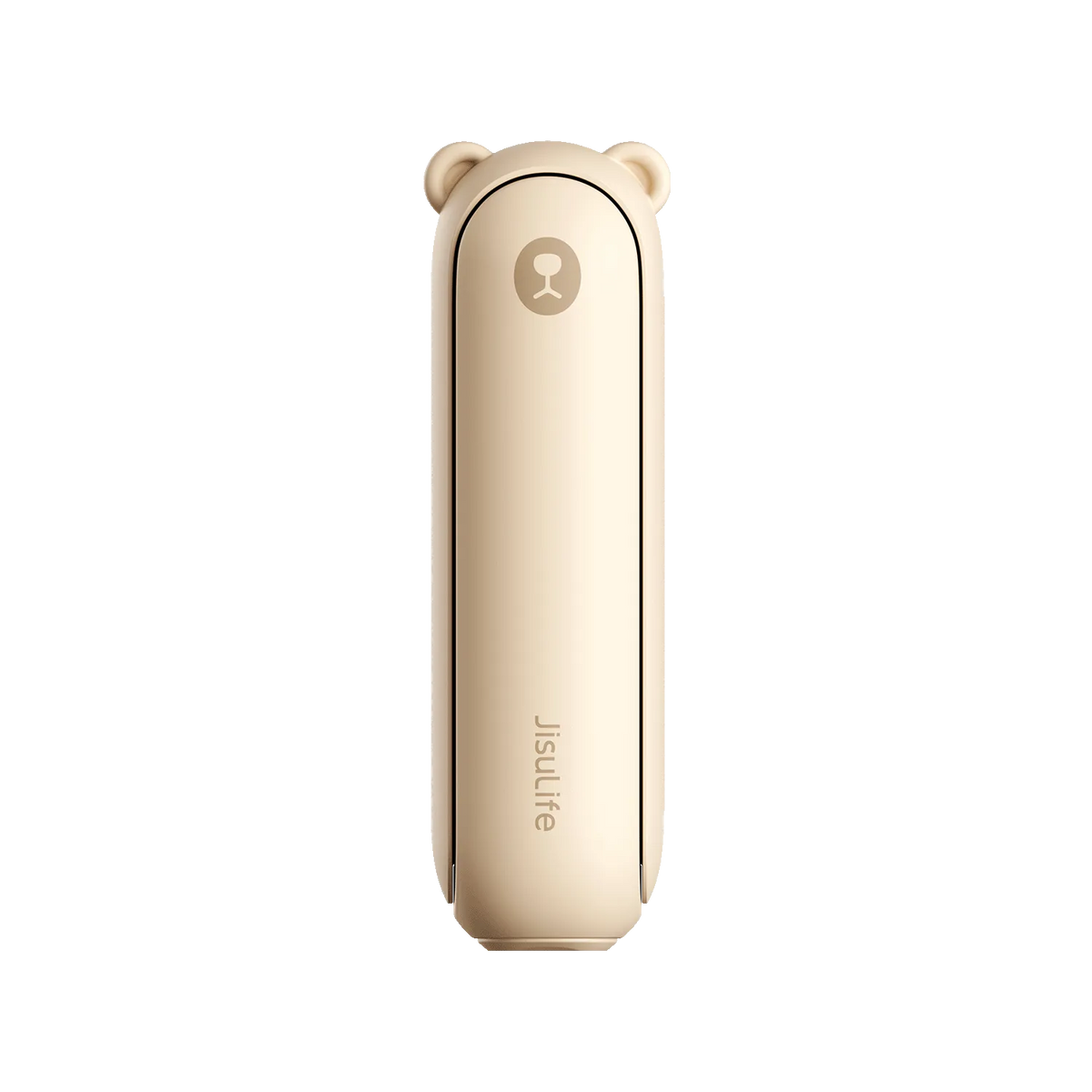
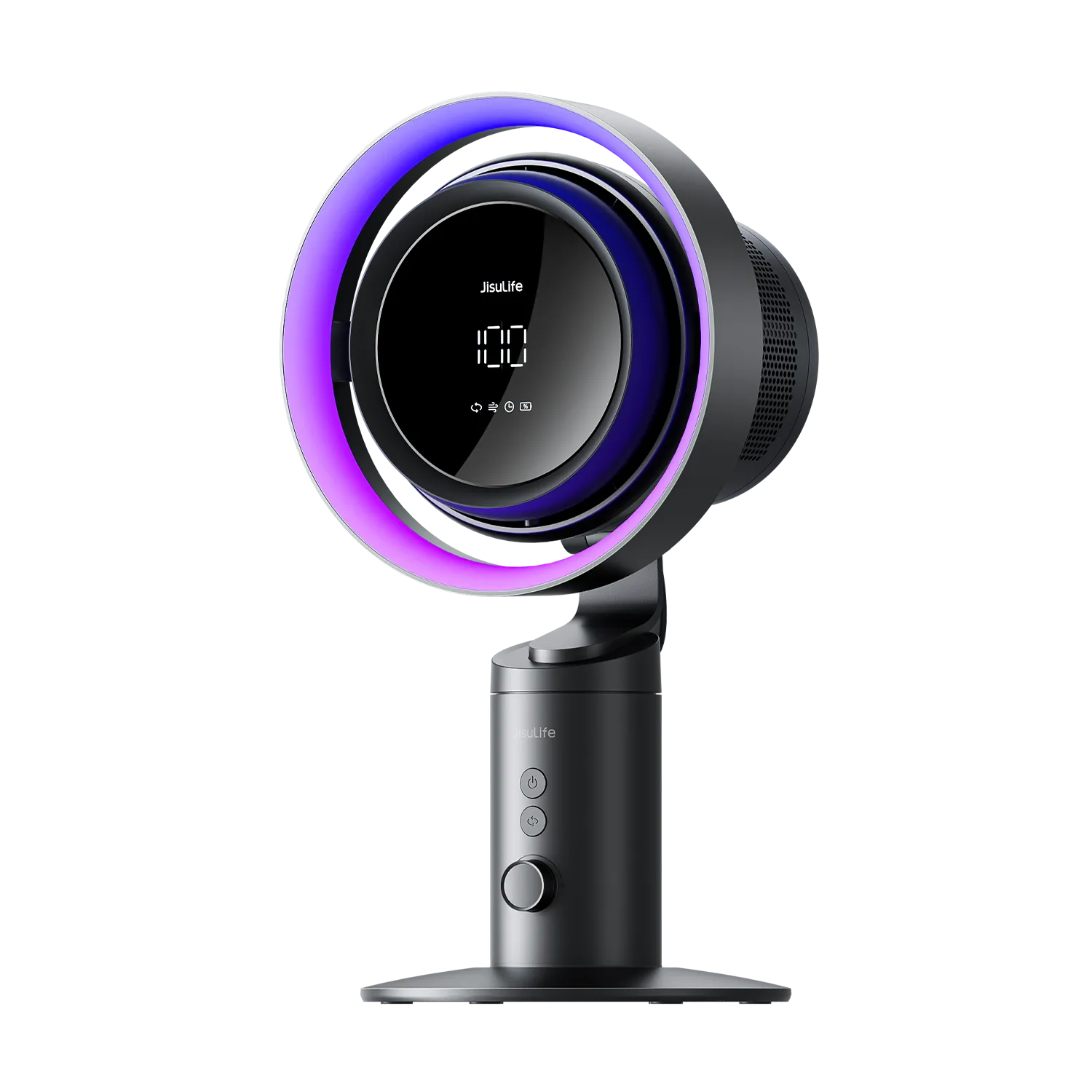
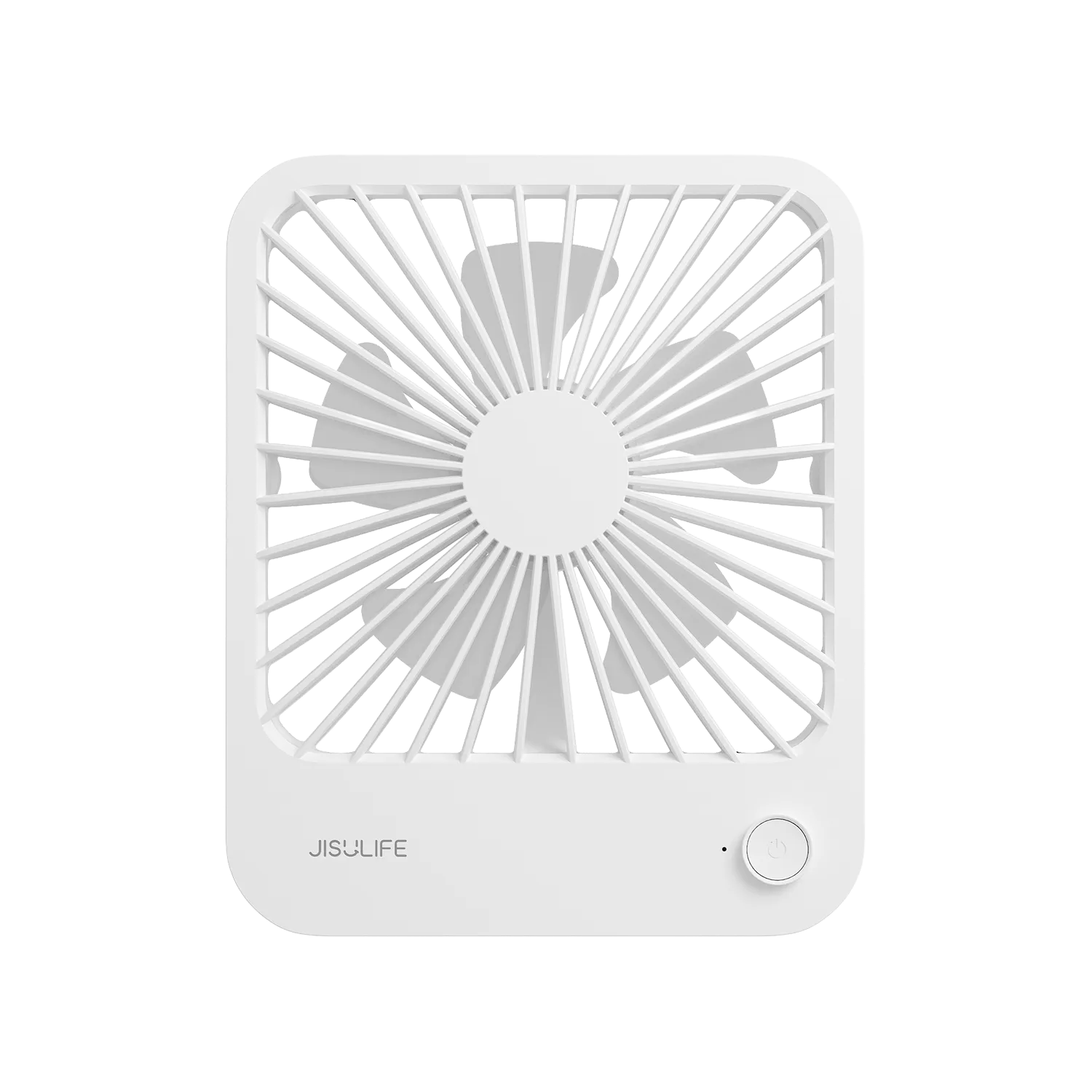
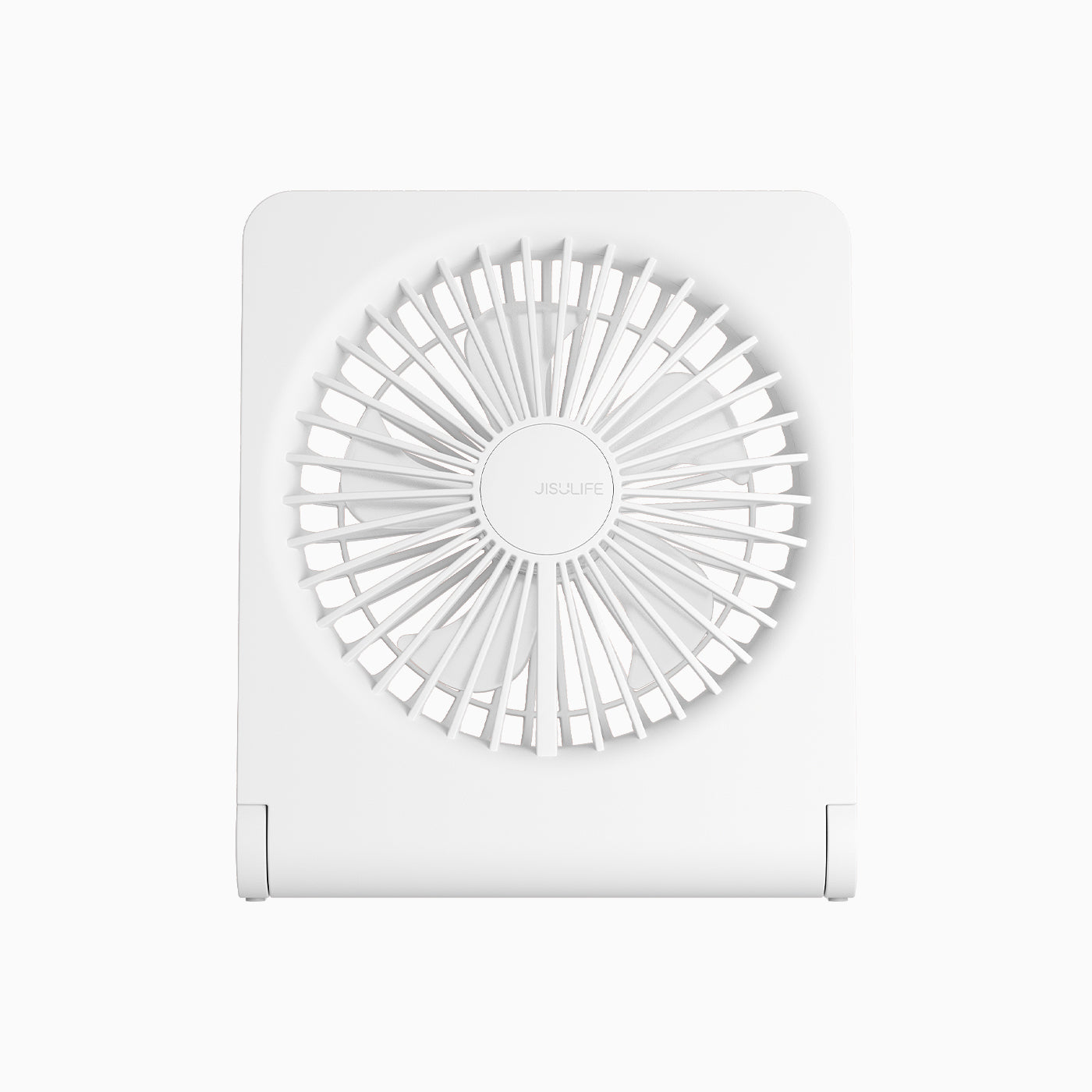

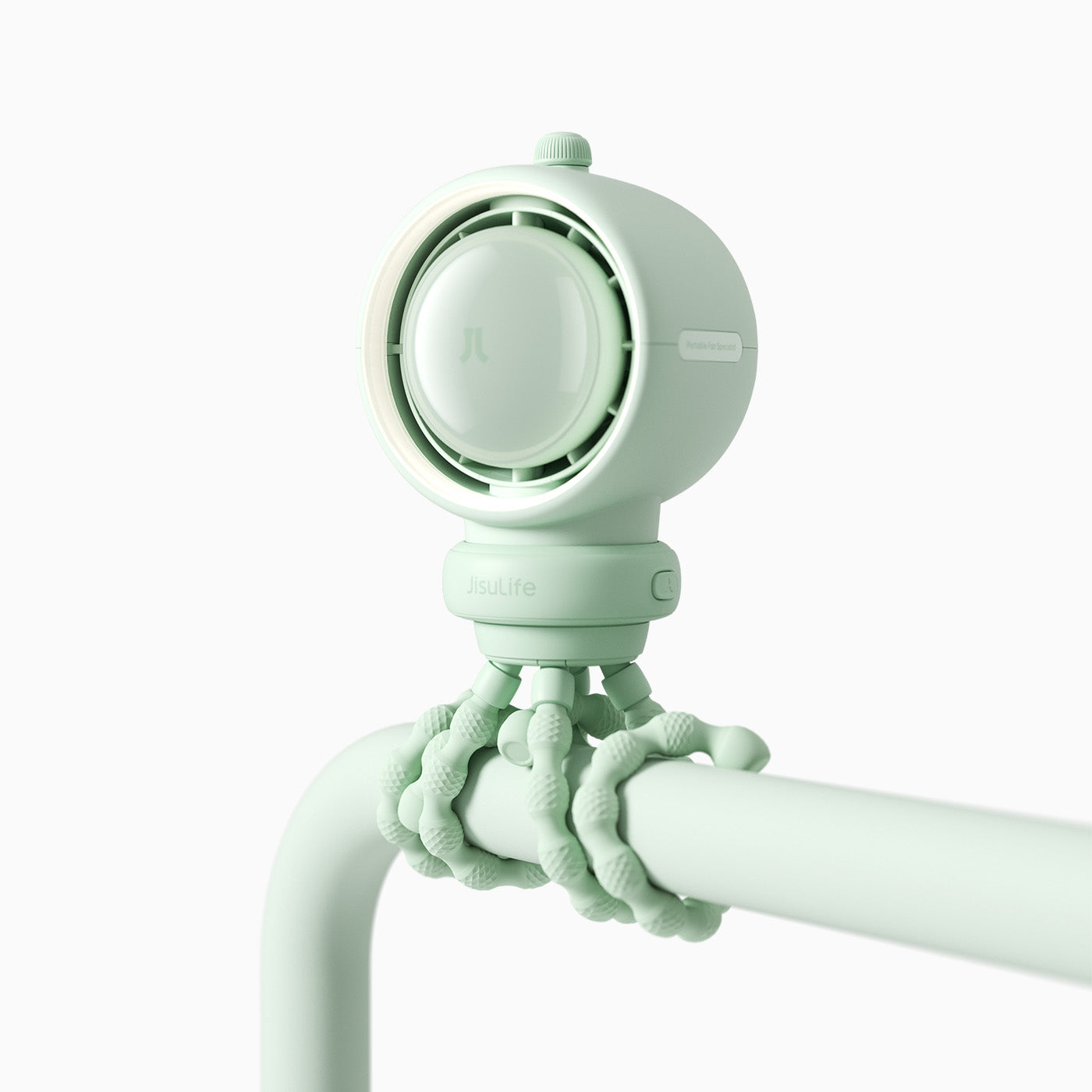
바람 세기는 보통 휴대용 선풍기에서 가장 먼저 확인해야 할 사양입니다. 배터리 크기, 속도 단계, 소음, 디자인도 중요하지만, 바람 세기가 실제로 선풍기가 얼마나 시원하게 느껴지는지를 결정합니다. 바람 세기가 약한 선풍기는 세련되어 보여도 야외, 운동 중, 통풍이 좋지 않은 따뜻한 방, 특히 습한 날에는 기대에 못 미칠 수 있습니다.
왜 바람 세기가 휴대용 선풍기의 시원함을 결정하는가
속도 수준이나 배터리 주장보다 먼저 바람 자체를 살펴보세요. 바람 세기는 얼마나 많은 공기가 움직이고, 얼마나 빠르게 움직이며, 얼마나 멀리 피부에 닿는지를 결정합니다.
바람 양
바람 양은 선풍기가 움직이는 공기의 양입니다. 높은 바람 세기의 휴대용 선풍기는 바람이 피부를 더 넓게 덮어 더 풍부하게 느껴집니다. 얇은 바람이 한 곳만 때리는 것보다 꾸준한 쾌적함이 필요할 때 중요합니다.
바람 속도
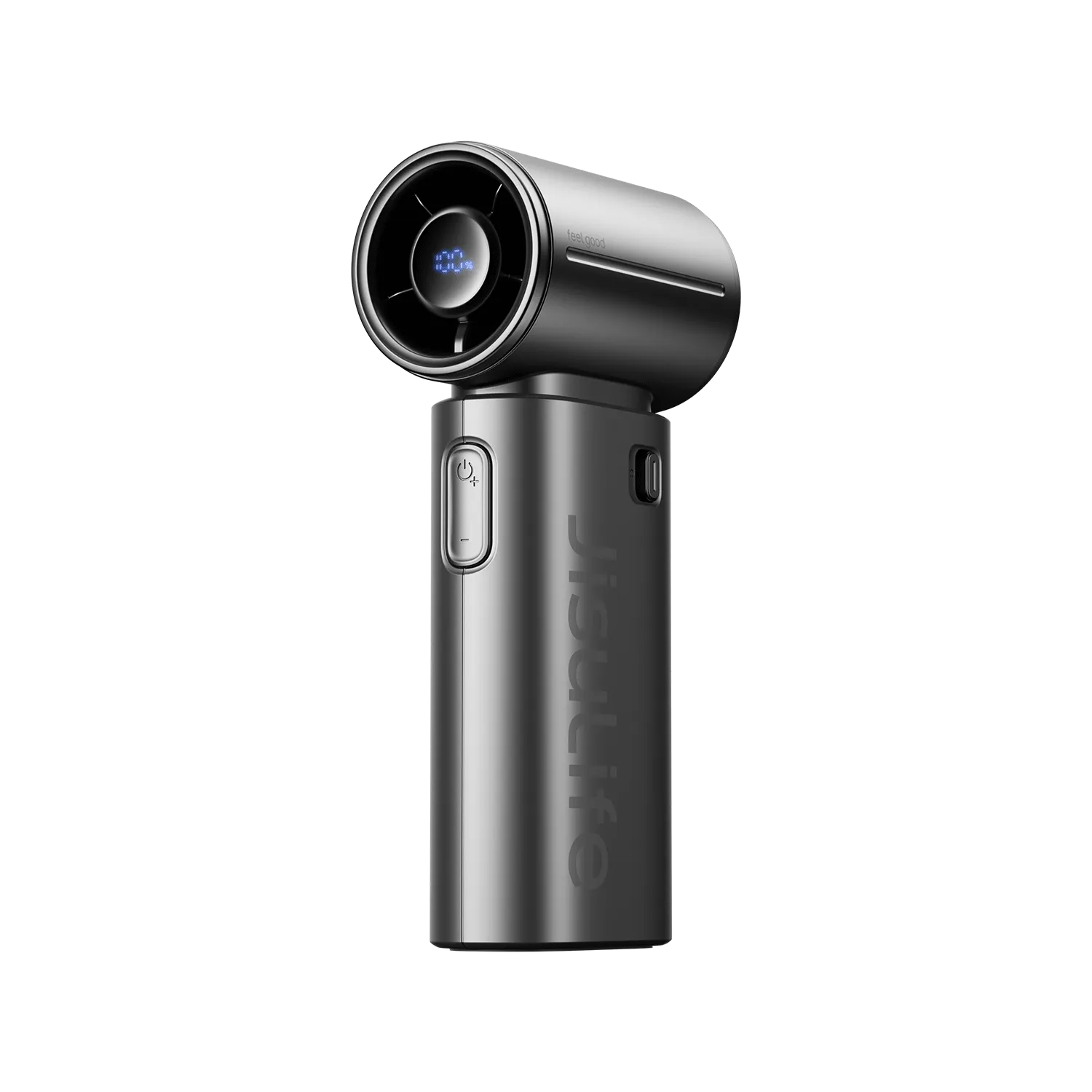
바람 속도는 느껴지는 힘입니다. 강력한 휴대용 선풍기는 보통 바람을 더 멀리 보내므로 걷거나 야외에 서 있거나 선풍기에서 떨어져 앉을 때 더 효과적입니다. JisuLife 핸드헬드 팬 울트라2는 최대 43,000 RPM의 인상적인 모터 속도를 제공하여 바람이 빠르고 강력합니다. 최고 속도 17m/s는 까다로운 야외 환경에서도 빠르고 효율적으로 시원함을 제공합니다.

바람 도달 거리
바람 도달 거리는 바람이 유용하게 느껴지는 거리입니다. 책상용 선풍기는 도달 거리가 짧을 수 있습니다. 여행용, 목걸이형, 야외용 선풍기는 열, 움직임, 열린 공간 때문에 냉각 효과가 약해지므로 더 높은 압력이 필요합니다.
바람 세기를 강하게 또는 약하게 만드는 주요 요소
바람이 명확하게 느껴지면 다음 단계는 그것을 만드는 요소를 확인하는 것입니다. 여러 부품이 함께 작동하므로 한 가지 뛰어난 사양만으로 전체 선풍기가 강력하게 느껴지지는 않습니다.
모터와 날개
모터는 날개를 돌리고, 날개 모양은 공기를 끌어들이고 밀어내는 방식을 조절합니다. 넓은 날개는 더 많은 공기를 움직일 수 있습니다. 작은 날개는 더 높은 속도가 필요할 수 있습니다. 강한 모터가 도움이 되지만, 날개 설계가 좋지 않으면 소음만 늘고 유용한 바람은 적을 수 있습니다.
바람 나오는 구멍 모양
바람 나오는 구멍은 바람의 느낌을 바꿉니다. 좁은 구멍은 날카롭고 집중된 느낌을 줄 수 있습니다. 넓은 구멍은 부드럽고 고르게 느껴집니다. 터보 선풍기에서는 구멍이 압력을 높여 짧은 시간 강한 냉각을 제공합니다.
배터리 출력
배터리 용량은 작동 시간을 결정합니다. 배터리 출력은 높은 속도에 영향을 줍니다. 선풍기는 낮은 속도에서는 오래 작동하지만 높은 속도에서는 빨리 방전될 수 있습니다. 일상 사용에는 자주 충전하지 않아도 충분한 바람을 제공하는 제품이 더 좋습니다.
바람 세기가 일상 사용에 미치는 영향
사양 다음으로 진짜 쾌적함이 중요합니다. 바람 세기는 휴대용 선풍기가 작업 중, 야외, 이동 중에 느껴지는 방식을 바꿉니다.
실내 쾌적함
실내에서는 약한 바람만으로도 독서, 책상 작업 또는 수면에 충분할 수 있습니다. 너무 강한 바람은 눈을 건조하게 하거나 종이를 날릴 수 있습니다. 일정한 중간 세기가 시끄러운 높은 세기보다 더 편안하게 느껴지는 경우가 많습니다.
야외 더위
야외에서는 약한 공기 흐름이 더 쉽게 느껴집니다. 햇빛, 습도, 움직이는 공기가 작은 바람을 사라지게 할 수 있습니다. 고풍량 휴대용 팬은 줄, 시장, 야외 행사 또는 여름 출퇴근에서 더 눈에 띄는 시원함을 줄 수 있습니다.
출퇴근 및 이동
걷는 동안 사용하는 팬은 책상에서 사용하는 팬보다 더 넓은 도달 거리가 필요합니다. 핸드팬은 조준하기 쉬워야 합니다. 넥팬은 턱, 목 또는 얼굴 하단 쪽으로 바람을 보내야 합니다.
여기서 실용적인 휴대용 팬 공기 흐름 비교가 도움이 됩니다. 같은 거리, 속도 수준, 설정을 비교하세요. 6인치에서 강하게 느껴지는 팬이 팔 길이 거리에서는 약하게 느껴질 수 있습니다.
사양에 속지 않고 휴대용 팬 비교하는 방법
팬을 사용할 위치를 알면 사양을 읽기가 더 쉬워집니다. 페이지에서 가장 큰 숫자만 보지 말고 실용적인 방식으로 공기 흐름을 비교하세요.
실제 거리 확인
팬이 놓일 위치를 생각하세요. 책상 팬은 12~24인치 떨어져 있을 수 있습니다. 핸드팬은 더 가까울 수 있습니다. 넥팬은 얼굴 아래에서 시작하므로 공기 경로가 중요합니다.
중간 속도 확인
최고 속도는 더위가 심할 때 도움이 될 수 있지만, 많은 사람들은 하루 종일 사용하지 않습니다. 강한 중간 설정이 실내 및 여행용으로 더 나을 수 있습니다.
공기 흐름 폭 비교
좁은 바람은 직접적입니다. 넓은 바람은 부드럽게 느껴집니다. 야외 더위에는 집중된 바람이 도움이 될 수 있습니다. 작업, 독서, 메이크업에는 넓은 바람이 더 차분하게 느껴질 수 있습니다.
다양한 필요가 가리키는 다양한 휴대용 팬 유형
비교 기본 사항이 명확해지면 공기 흐름 스타일을 실제 일상에 맞추세요. 가장 강력한 옵션이 도움이 될 수 있지만, 편안함, 무게, 소음도 중요합니다.
책상 및 침실 사용
낮거나 중간 속도에서 안정적인 공기 흐름을 찾으세요. 조용하고 넓은 바람을 내는 팬이 고속에서만 잘 작동하는 팬보다 더 쾌적할 수 있습니다.
여행 및 야외 사용
컴팩트하지만 강력한 휴대용 팬은 출퇴근, 걷기, 캠핑 또는 야외 행사 중에 도움이 될 수 있습니다. 터보 팬은 빠른 냉각에 유용할 수 있지만, 이 모드에서는 배터리 수명이 더 빨리 줄어들 수 있습니다.
핸드팬 및 넥팬
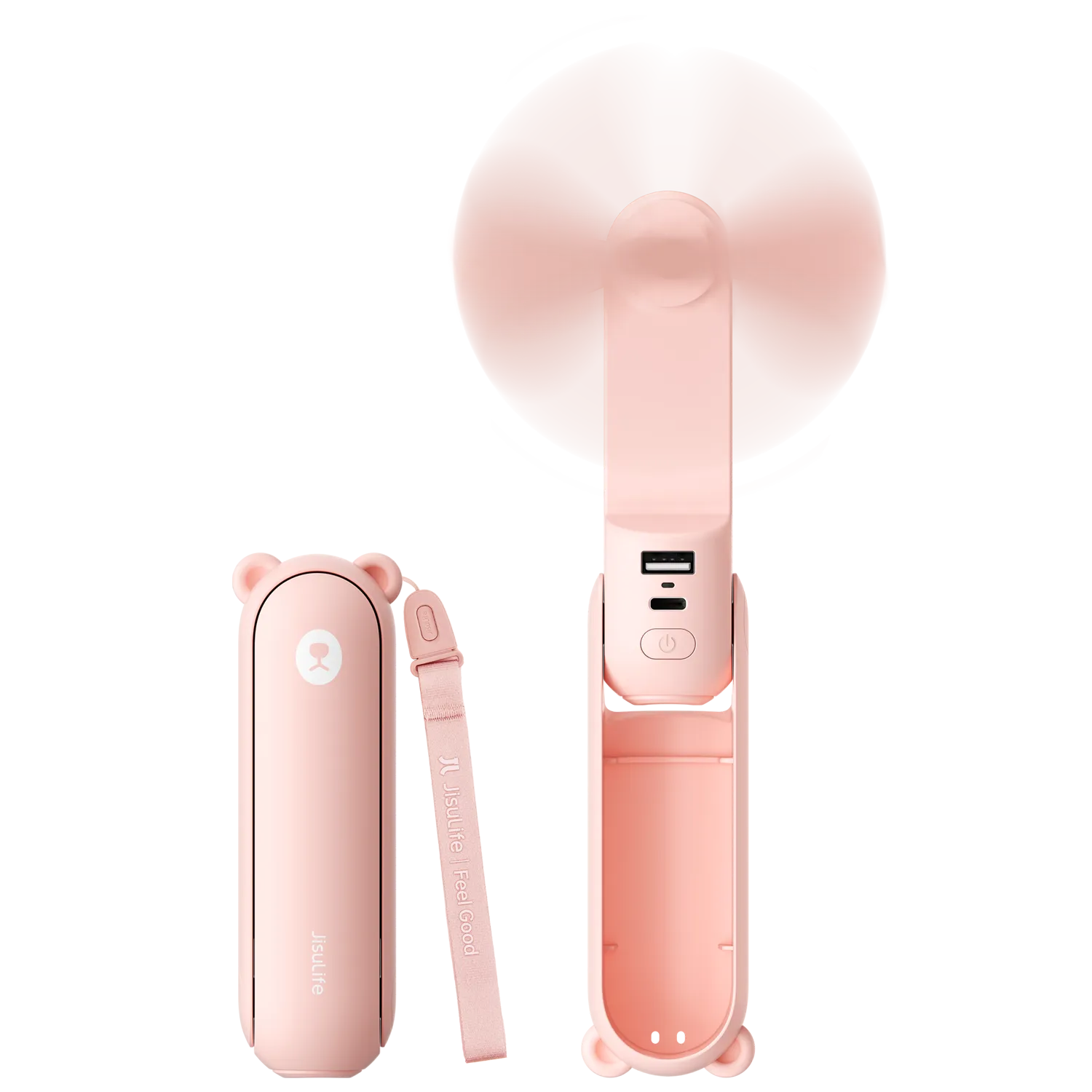
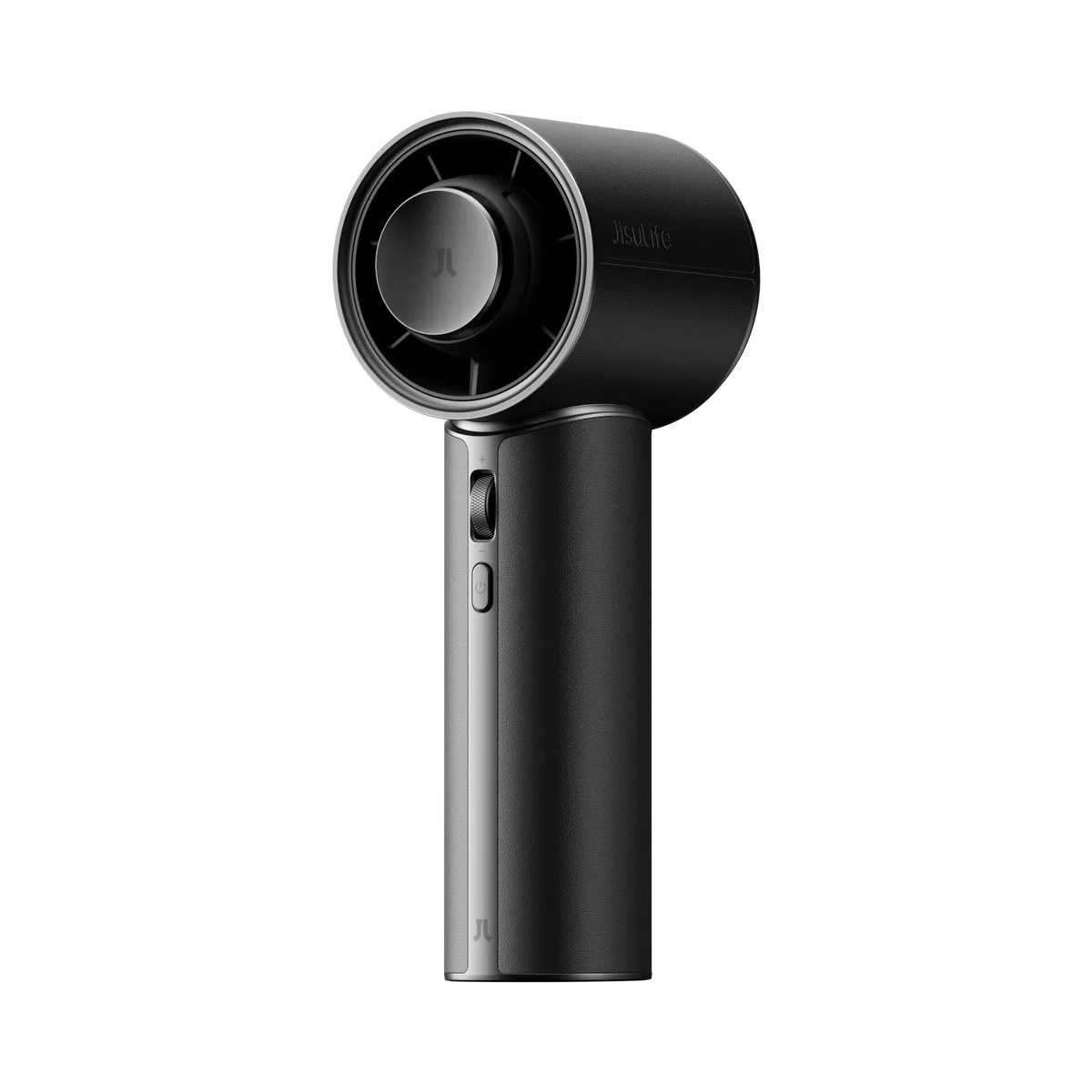
가장 강력한 핸드팬을 찾는 사람들은 그립, 무게, 헤드 각도도 확인해야 합니다. 강력한 핸드팬은 조준하기 쉬울 때 더 편안합니다.
가장 강력한 넥팬을 찾는 사람들은 통풍구 위치를 확인해야 합니다. 균형 잡힌 측면 공기 흐름을 가진 넥팬이 잘못된 방향으로 바람을 보내는 더 강한 모델보다 더 쾌적할 수 있습니다.
팬 스타일과 공기 흐름 우선순위를 더 빠르게 맞추는 방법입니다.
| 주요 필요 | 공기 흐름 우선순위 | 유용한 기능 |
|---|---|---|
| 조용한 책상 사용 | 낮음에서 중간 | 넓고 부드러운 바람 |
| 일상 출퇴근 | 중간에서 높음 | 강한 도달력 |
| 야외 더위 | 높음 | 터보 모드 |
| 운동 후 회복 | 중간에서 높음 | 쉬운 그립감 |
| 손을 사용하지 않는 사용 | 중간 | 잘 배치된 목걸이 통풍구 |
이 표는 실용적인 선택을 돕습니다. 항상 최대 출력이 필요한 것은 아닙니다. 열기, 거리, 사용 시간에 맞는 풍량이 필요합니다.
풍량과 소음, 배터리, 편안함의 균형 맞추기
풍량이 우선이지만 일상 생활에 맞아야 합니다. 5분 동안 강하게 느껴지는 선풍기도 소음이 크거나 무겁거나 불편하면 덜 유용할 수 있습니다.
소음
풍량이 많을수록 소음도 커집니다. 사무실, 공유 공간, 수면 시에는 조용한 중간 설정이 최고 출력보다 더 중요할 수 있습니다.
배터리 수명
사용 시간은 보통 저속 기준입니다. 고속과 터보 모드는 배터리를 더 빨리 소모하니 실제 사용할 속도를 확인하세요.
편안함
휴대용 선풍기는 가볍게 들어야 합니다. 목걸이 선풍기는 걸을 때 눌리거나 움직이지 않아야 합니다. 강한 바람은 선풍기를 쉽게 휴대할 때 더 효과적입니다.
실제로 사용하는 곳에서 시원함을 느낄 수 있는 선풍기를 선택하세요
먼저 풍량을 기준으로 선택한 후, 디자인을 일상에 맞추세요. 공기 흐름이 피부에 명확히 닿으면 작은 선풍기도 유용하게 느껴집니다. 더 큰 모델은 더운 날씨, 출퇴근, 운동, 공유 공간에 더 적합할 수 있습니다. 풍량, 소음, 배터리 수명, 편안함을 함께 비교하면 매일 시원함을 느낄 수 있는 휴대용 선풍기를 찾을 수 있습니다.
자주 묻는 질문
Q1: 휴대용 선풍기의 적절한 풍량은 어느 정도인가요?
휴대용 선풍기의 적절한 풍량은 일반적인 사용 거리에서 효과적으로 시원함을 줄 수 있을 정도로 강해야 합니다. 실내에서는 중간 풍량으로도 쾌적함을 유지할 수 있지만, 야외, 출퇴근, 운동 시에는 더 강한 풍량과 더 먼 거리까지 닿는 바람이 필요합니다. 야외 및 신체 활동에는 최소 10~15m/s의 풍속이 이상적이며, 실내 환경에서는 5~7m/s 정도면 쾌적한 바람을 제공합니다.
Q2: 터보 선풍기가 일상 사용에 더 좋은가요?
터보 선풍기는 야외 사용이나 운동 후 빠른 냉각에 좋습니다. 하지만 일상 사용에는 너무 강하게 느껴지고 배터리를 빨리 소모할 수 있습니다. 여러 설정과 강한 중간 속도를 가진 선풍기가 하루 종일 편안하게 사용하기에 더 적합합니다.
Q3: 가장 강력한 휴대용 선풍기가 더 강하게 느껴지는 이유는 무엇인가요?
가장 강력한 휴대용 선풍기는 강한 풍속, 효율적인 모터 출력, 잘 설계된 날개를 결합해 효과적으로 공기를 이동시킵니다. 좁은 공기 출구는 바람을 더 집중시키고, 큰 날개는 더 많은 공기를 이동시킵니다. 선풍기는 일관되고 방향성 있는 냉각을 위해 쉽게 조준하고 잡을 수 있어야 합니다.
Q4: 목걸이 선풍기가 휴대용 선풍기만큼 강력한가요?
목걸이 선풍기는 일반적으로 휴대용 선풍기보다 바람이 덜 집중되는 경향이 있습니다. 손을 사용하지 않고 편리하게 쓸 수 있지만, 얼굴이나 목처럼 중요한 부위에 바람이 닿지 않으면 시원함이 덜 느껴질 수 있습니다. 고급 목걸이 선풍기는 강력할 수 있지만, 휴대용 모델보다 냉각 효과가 덜 강한 경우가 많습니다.


댓글 남기기
모든 댓글은 게시 전 검토됩니다.
이 사이트는 hCaptcha에 의해 보호되며, hCaptcha의 개인 정보 보호 정책 과 서비스 약관 이 적용됩니다.