



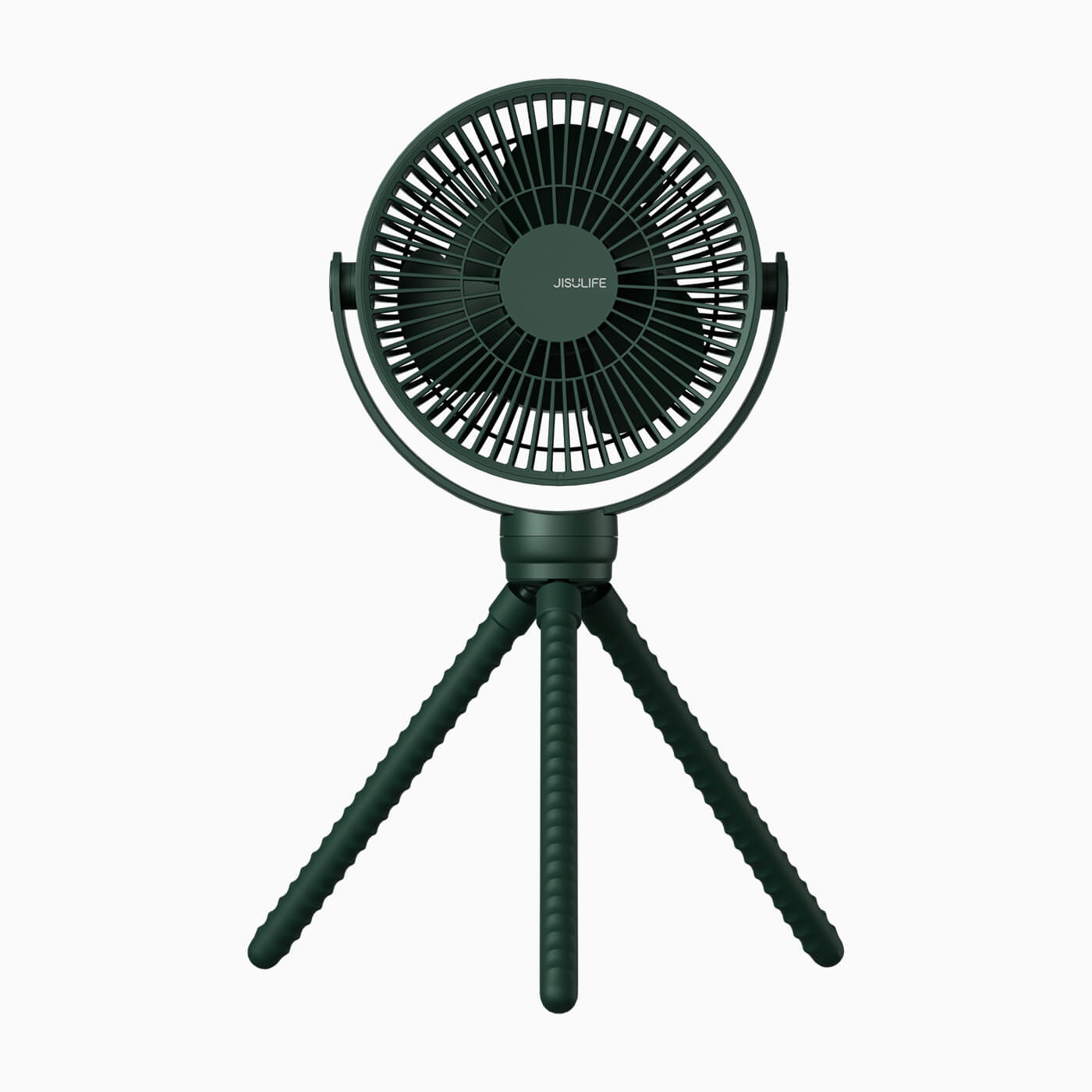
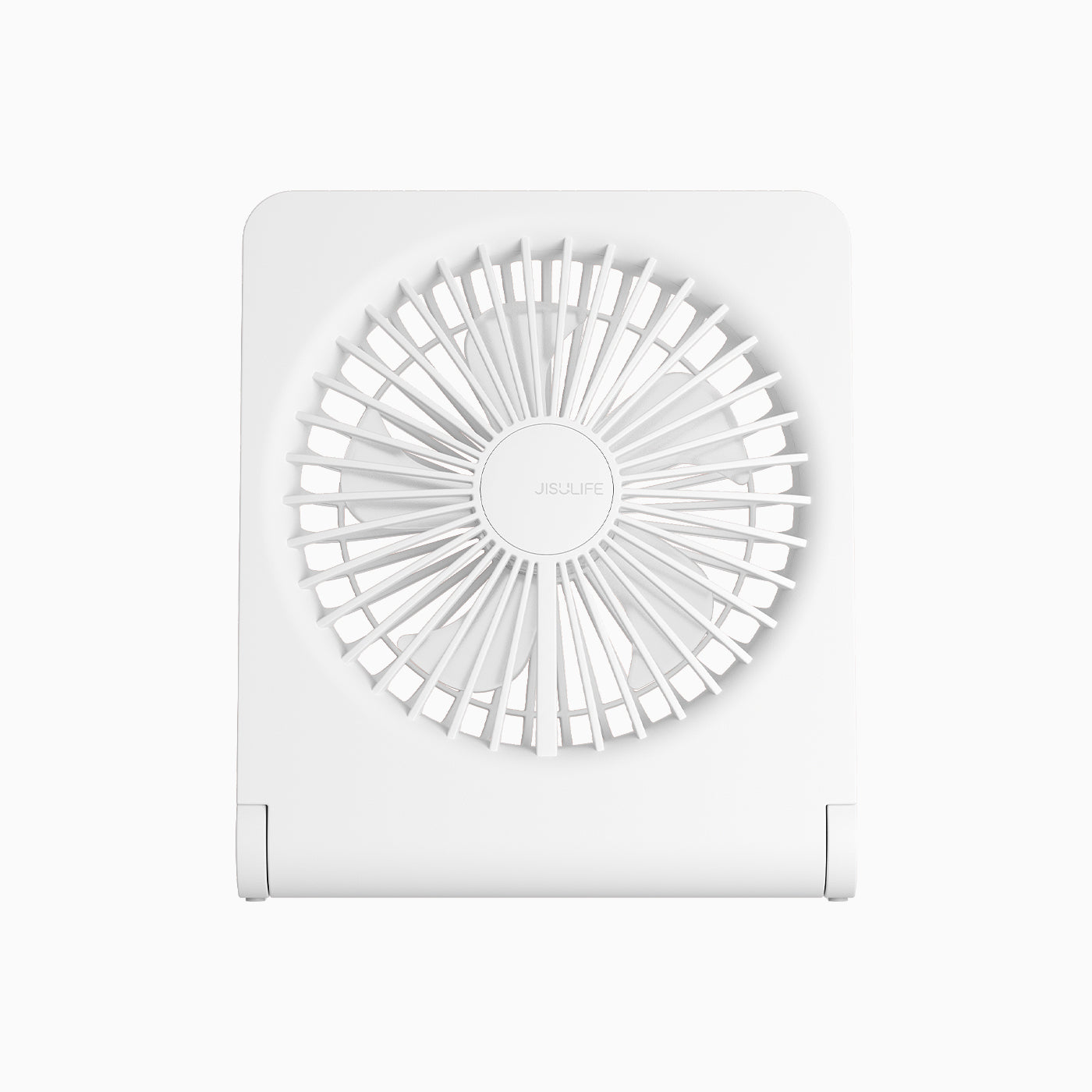
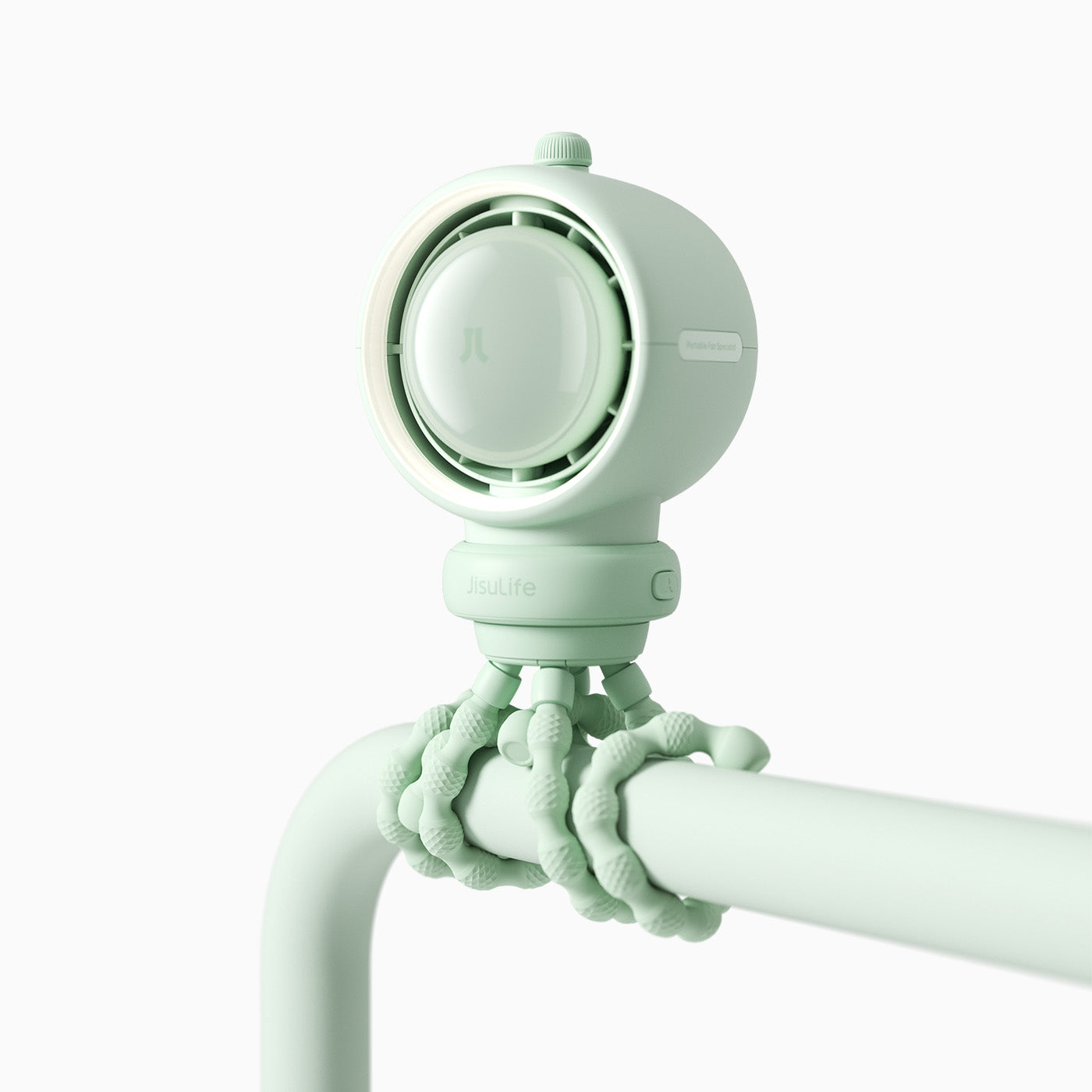
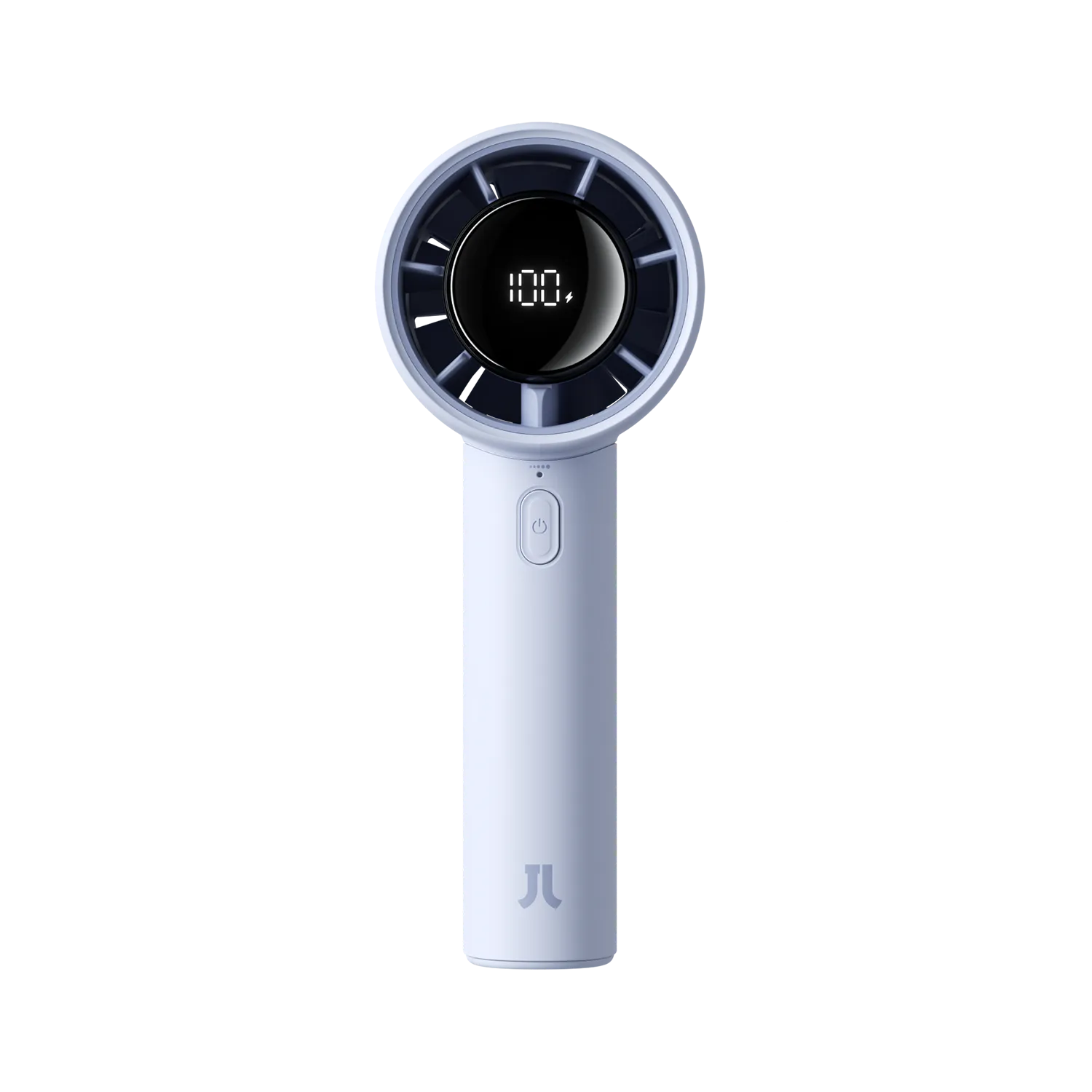
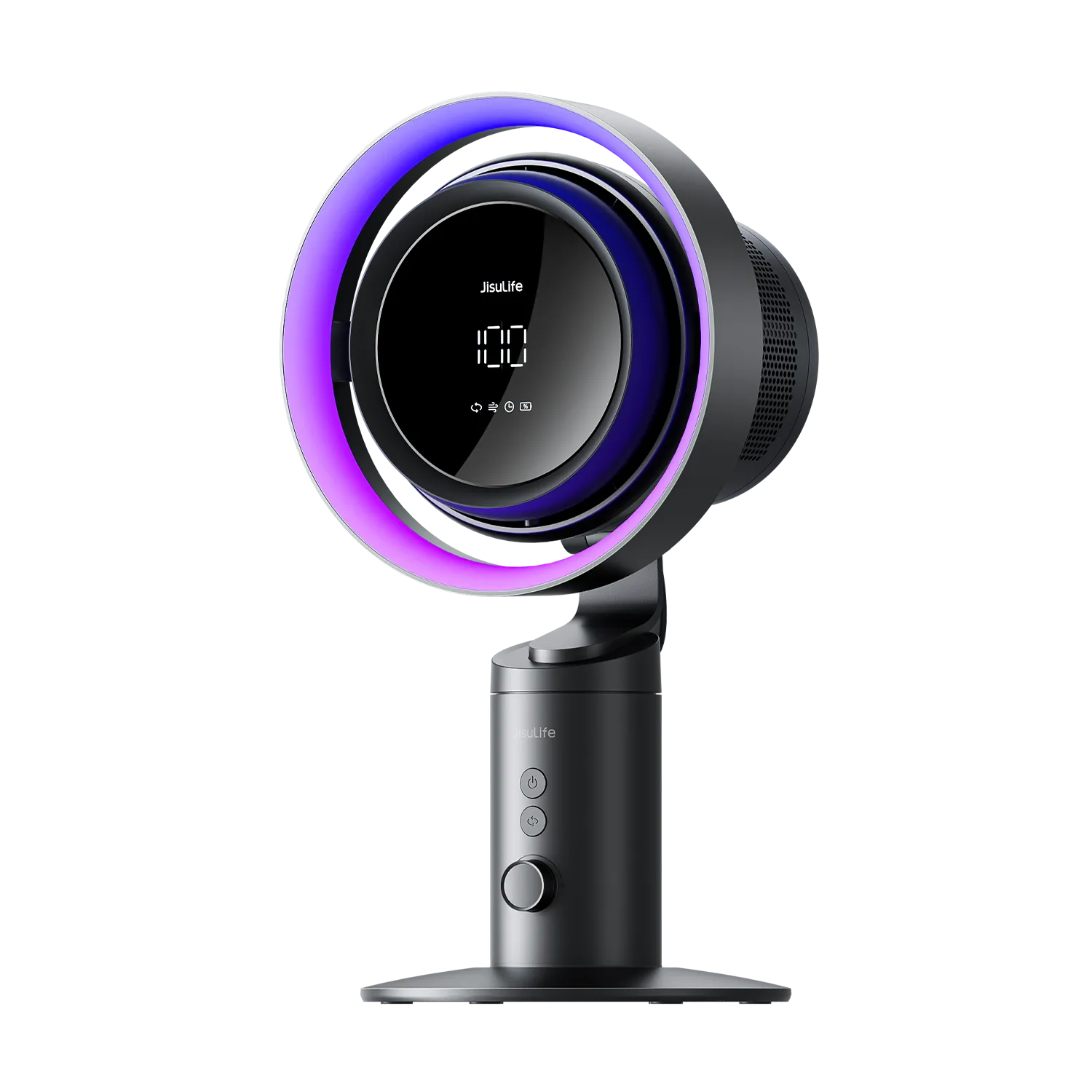
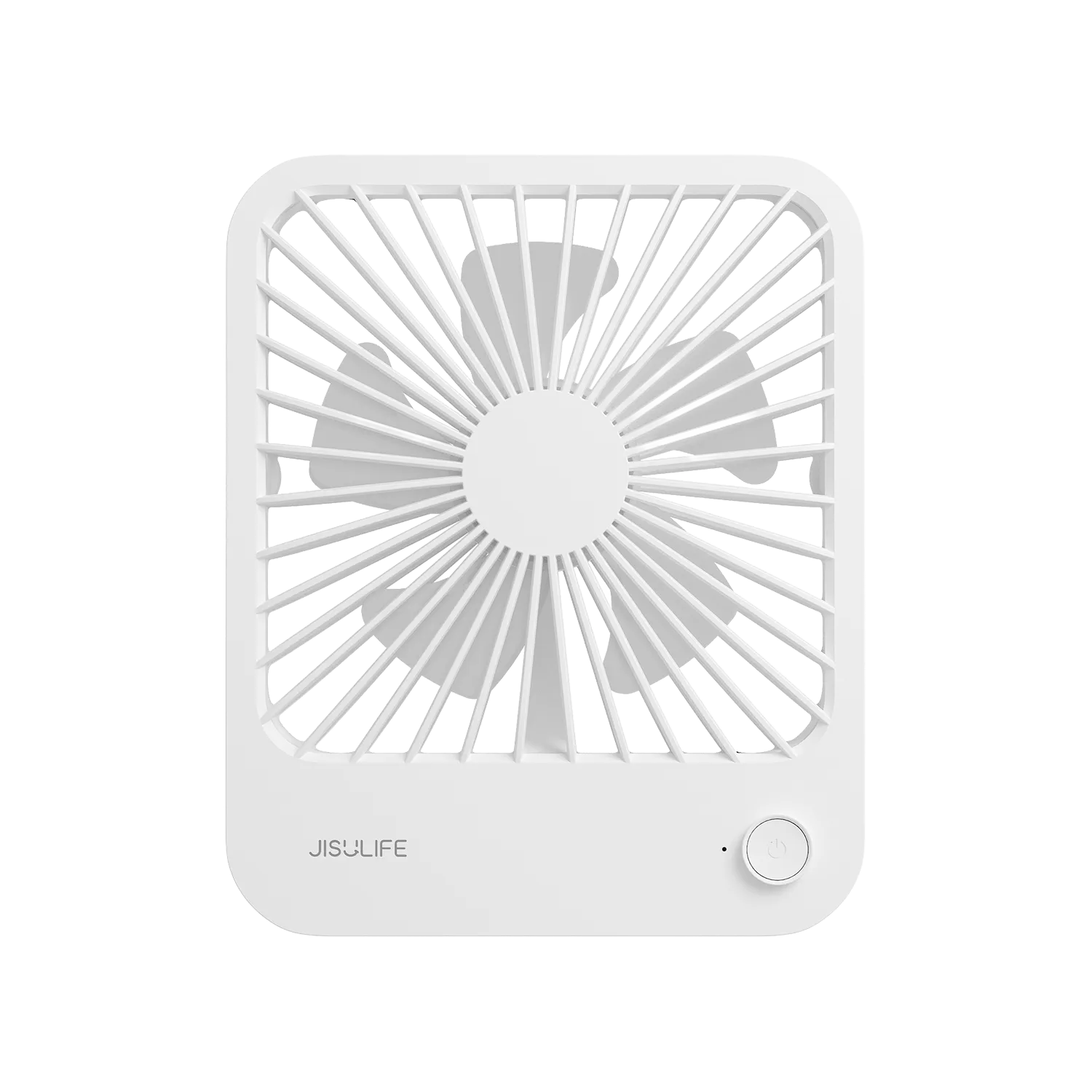
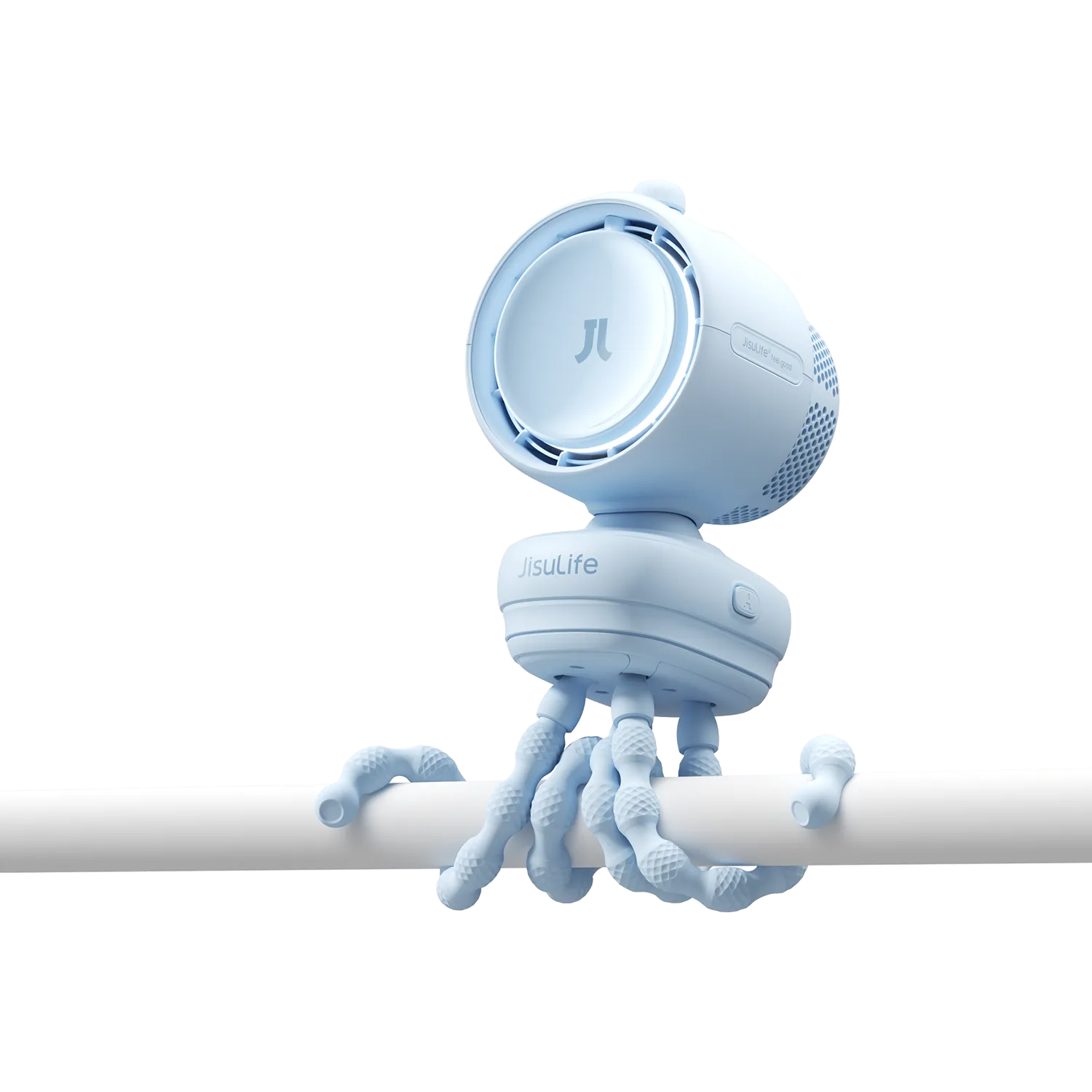
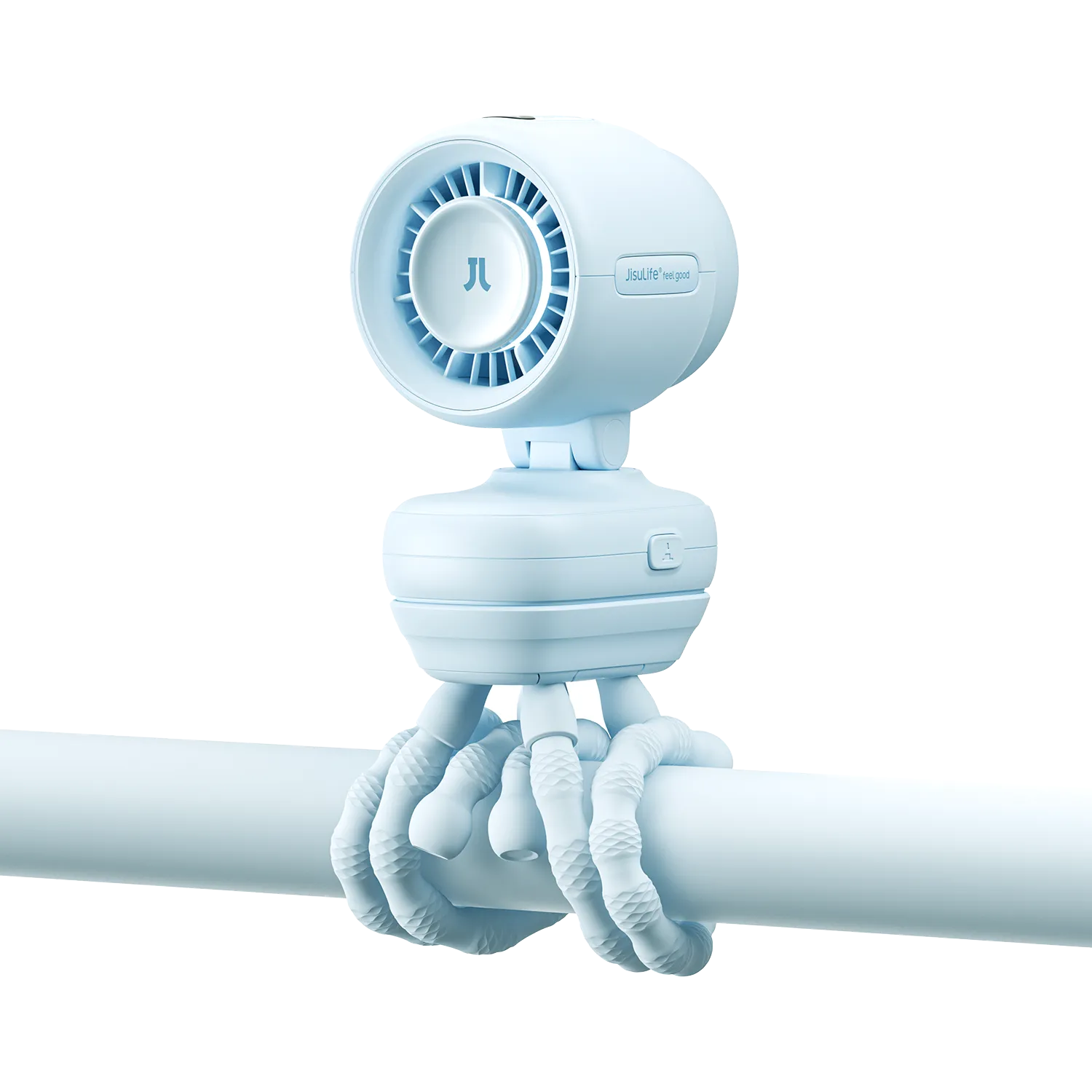

Калі ўлетку адключаецца электрычнасць, ваш дом хутка награваецца. Кандыцыянер спыняецца, столевыя вентылятары спыняюцца, і кожны пакой становіцца душным і непрыязным менш чым за гадзіну. Партатыўны зараджаемы вентылятар — адзін з самых простых спосабаў заставацца прахалодным, пакуль электрычнасць не вернецца. Ён працуе на ўласнай батарэі, не патрабуе разеткі і пачынае працаваць адразу пасля націску кнопкі.
Што адбываецца з вашым домам, калі ўлетку адключаецца электрычнасць
Большасць людзей недаацэньвае, наколькі хутка павышаецца тэмпература ў памяшканні без кандыцыянера. Змена адбываецца не паступова. У першы ж гадзіну гэта можа быць вельмі адчувальна, асабліва ў пэўных тыпах дамоў.
Цяпло назапашваецца хутчэй, чым вы чакаеце
Добра ізаляваны дом можа захоўваць прахалоду 30-60 хвілін пасля адключэння электрычнасці. Пасля гэтага цяпло звонку пачынае пранікаць праз сцены, вокны і дах. Плоха ізаляваны дом або дом з вялікімі вокнамі, якія выходзяць на захад, можа пацяплець на 5-10 градусаў менш чым за дзве гадзіны.
Верхнія паверхі церпяць найбольш
Цёплае паветра падымаецца ўверх. Калі вы жывяце ў двухпавярховым доме або кватэры на другім паверсе, другі паверх награваецца хутчэй за першы. Спальні на другім паверсе могуць стаць невыноснымі за некалькі гадзін, што робіць сон амаль немагчымым падчас начнога адключэння электрычнасці.
Уразлівыя людзі падвяргаюцца большым рызыкам
Маленькія дзеці, пажылыя члены сям’і і хатнія жывёлы больш адчувальныя да павышэння тэмпературы ў памяшканні. Яны хутчэй пераграваюцца і пазней паказваюць сімптомы. Вентылятар на батарэйках, накіраваны на ложачка, ложак жывёлы або крэсла пажылога чалавека, можа істотна дапамагчы, пакуль вы чакаеце вяртання электрычнасці.
Чаму вентылятар на батарэйках добра працуе падчас адключэння электрычнасці
Вы можаце задумацца, наколькі эфектыўны маленькі вентылятар, калі ўся сістэма кандыцыянавання паветра не працуе. Адказ залежыць ад руху паветра.
Вентылятар не паніжае тэмпературу ў пакоі. Ён проста перамяшчае паветра па скуры, што паскарае выпарэнне поту. Гэтае выпарэнне і астуджае вашае цела. Нават маленькі вентылятар на начным століку стварае дастатковы паток паветра, каб дапамагчы вам спаць або адпачываць камфортней у цёплым пакоі.
Перавага зараджаемага вентылятара перад традыцыйным сеткавым відавочна падчас адключэння: яму не патрэбна сцянавая электрасетка. Цалкам зараджаны прыбор можа працаваць гадзінамі на ўбудаванай батарэі. Некаторыя мадэлі працуюць 6 гадзін, іншыя — больш за 20 гадзін на нізкай хуткасці. Гэта часта дастаткова, каб перажыць звычайнае адключэнне электрычнасці.
Як выбраць правільны вентылятар для падрыхтоўкі да адключэння электрычнасці
Калі вы купляеце вентылятар спецыяльна для аварыйнага астуджэння, прыярытэты змяняюцца ў параўнанні з паўсядзённым выкарыстаннем. Час працы і надзейнасць важнейшыя за стыльны дызайн або колеравыя варыянты.
Ёмістасць батарэі
Гэта самая важная характарыстыка для сцэнарыяў адключэння. Вось агульны разбор таго, што забяспечваюць розныя ёмістасці.
| Памер батарэі | Час працы на нізкай хуткасці | Час працы на высокай хуткасці | Прыдатнасць для адключэння |
|---|---|---|---|
| 2000–3000 мАг | 5–10 гадзін | 1,5–3 гадзіны | Кароткія адключэнні (менш за 4 гадзіны) |
| 4000–5000 мАг | 10–16 гадзін | 3–5 гадзін | Большасць адключэнняў (4–12 гадзін) |
| 6000–9000 мАг | 16–25 гадзін | 4–7 гадзін | Працяглыя адключэнні або начное выкарыстанне |
Для большасці дамоў вентылятар з ёмістасцю 4000–5000 мАг з'яўляецца аптымальным. Ён працуе ўсю ноч на нізкай хуткасці і падыходзіць для дзённага выкарыстання на сярэдніх наладках.
Варыянты зарадкі
Зарадка USB-C хутчэйшая і больш гнуткая, чым Micro-USB. Падчас адключэння электрычнасці вы, верагодна, будзеце зараджаць ад павербанка, аўтамабільнага зарадніка або сонечнай панэлі. USB-C працуе з усімі гэтымі прыладамі і зараджае хутчэй, што важна, калі вашы крыніцы энергіі абмежаваныя.
Тып вентылятара
Розныя тыпы вентылятараў выконваюць розныя функцыі падчас адключэння электрычнасці. Лепшы партатыўны вентылятар для вашай сітуацыі залежыць ад таго, дзе вам найбольш патрэбны паветраны паток.
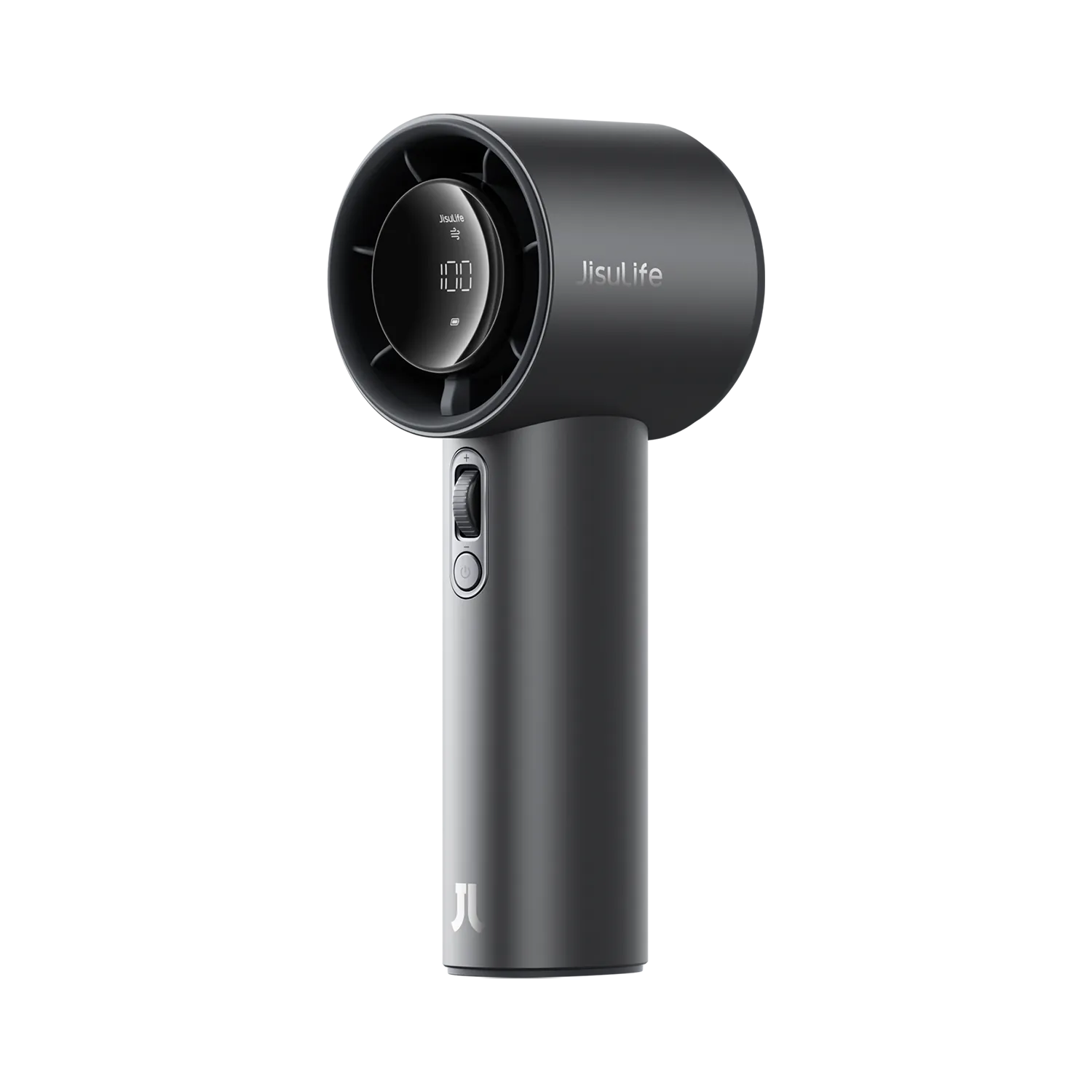
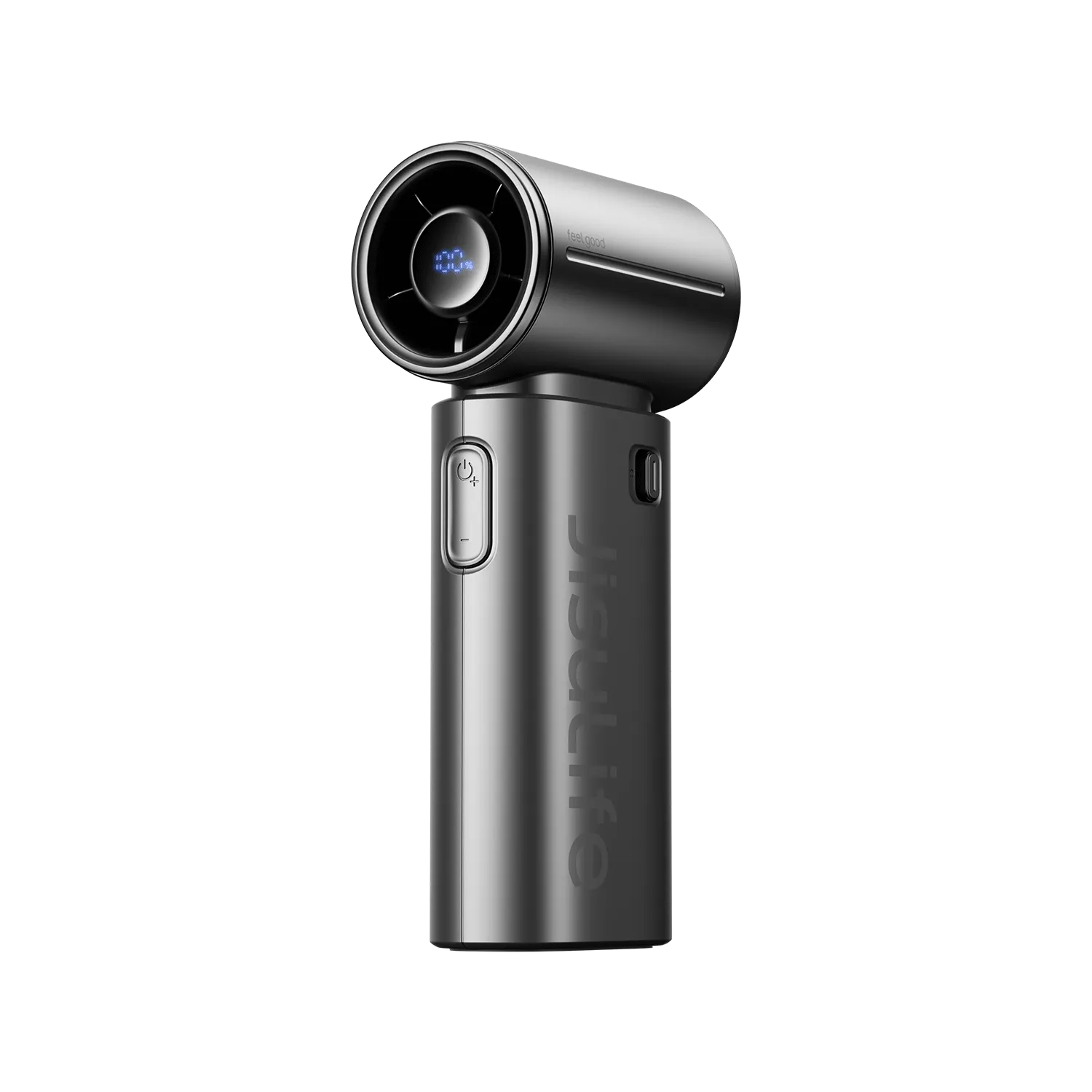
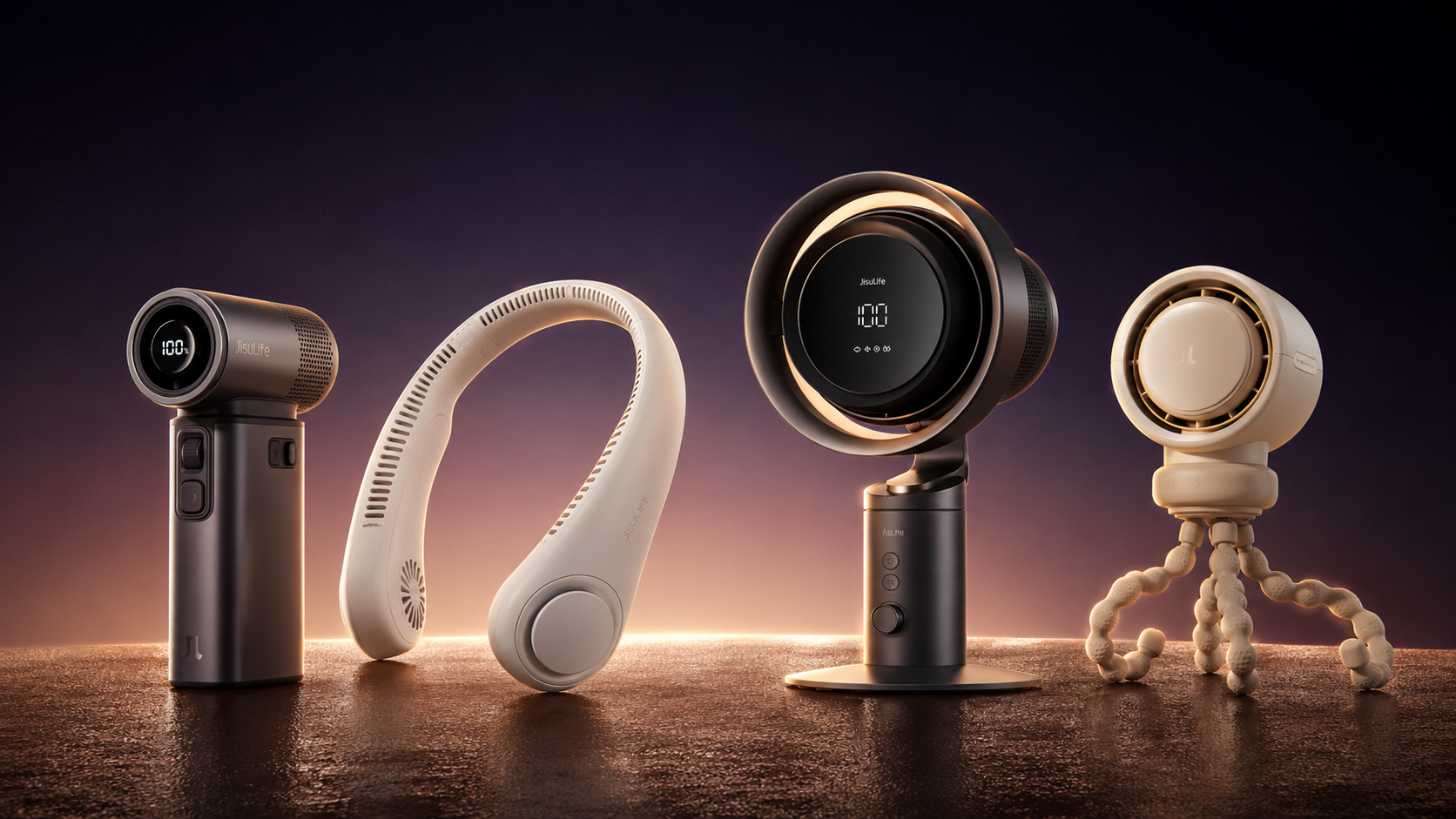
- Ручныя вентылятары лёгка пераносіць з пакоя ў пакой. Добрыя для асабістага астуджэння ў дзень.
- Настольныя вентылятары можна паставіць на начны столік або кухонную стойку, і яны дзьмуць шырэйшым патокам паветра. Лепш падыходзяць для агульных памяшканняў.
- Кліпавыя вентылятары прымацоўваюцца да паліцы, поручня дзіцячага ложка або каркаса ложка. Карысныя для накіравання паветра менавіта туды, дзе яно патрэбна, асабліва для дзяцей або хатніх жывёл.
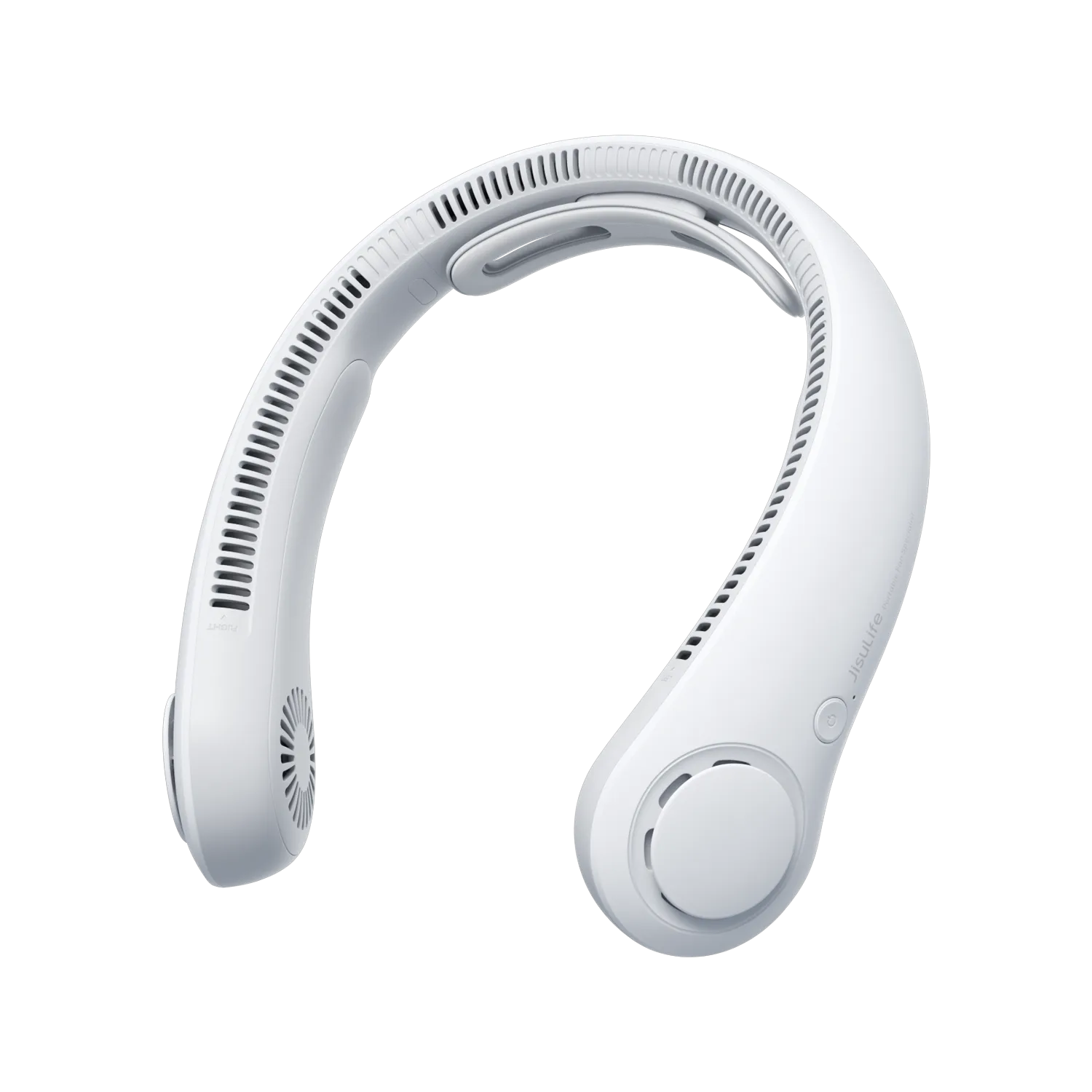
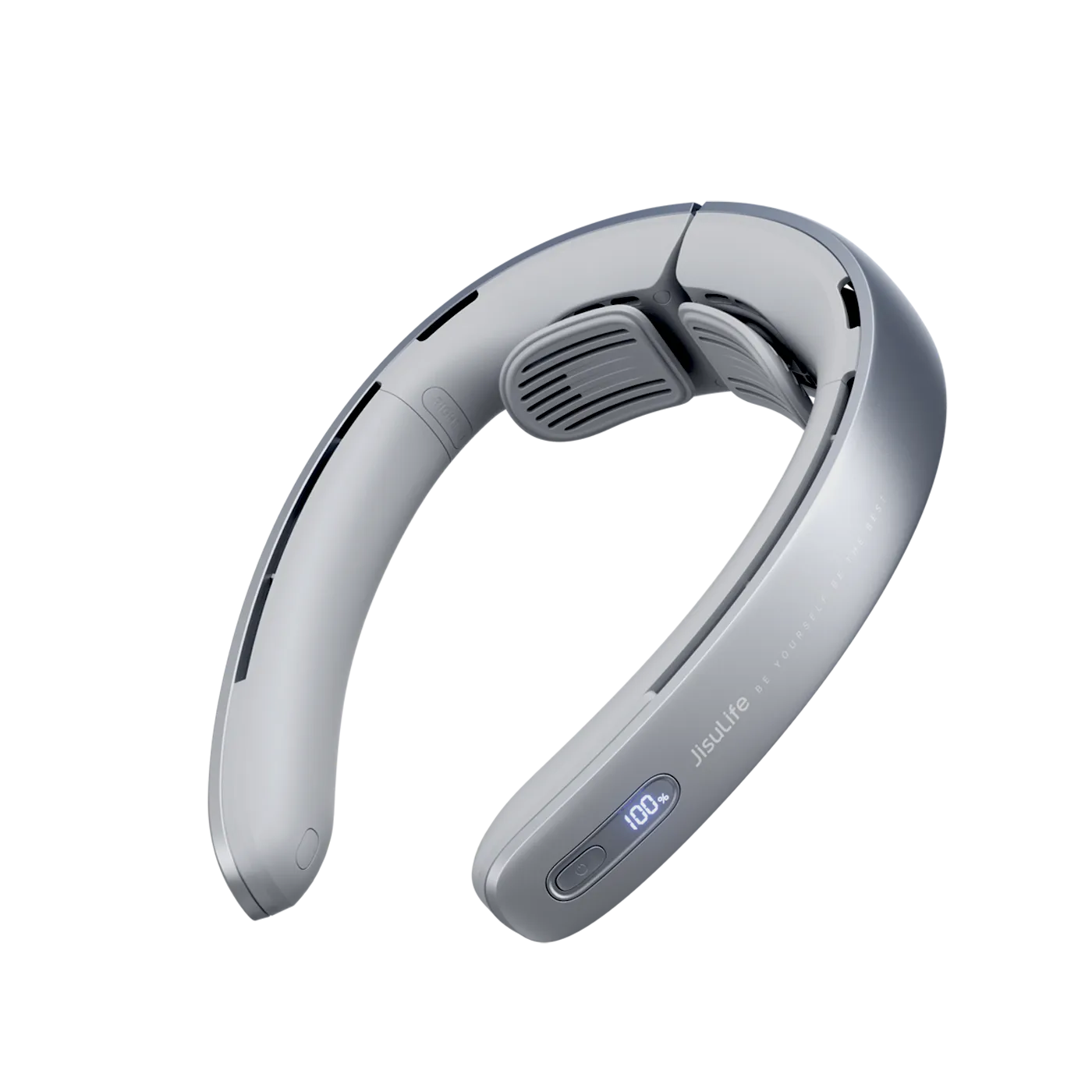
- Вентылятары на шыю вызваляюць рукі цалкам. Гэта практычна, калі вы рухаецеся па доме і выконваеце справы.
Узровень шуму
Падчас начнога адключэння шум мае большае значэнне, чым звычайна. Адсутнічае фонавы гул кандыцыянера або халадзільніка, які маскіруе гук вентылятара. Шукайце вентылятары з узроўнем шуму ніжэй за 40 дБ на нізкай хуткасці, калі плануеце спаць з уключаным вентылятарам побач.
Пакой за пакоем: план выкарыстання вентылятараў падчас адключэння электрычнасці
Як толькі электрычнасць адключаецца, невялікае планаванне дапамагае вам больш эфектыўна выкарыстоўваць вентылятары. Месца іх размяшчэння і рэжым працы ўплываюць на камфорт у вашым доме.
Спальня
Размясціце настольны вентылятар або кліпавы вентылятар каля падушкі. Працоўце на нізкай хуткасці, каб падоўжыць час працы батарэі на ноч. Калі ў вас два вентылятары, накіруйце адзін на ложак, а другі пастаўце каля адкрытага акна, каб пасля заходу сонца ўцягваць халаднейшае паветра звонку.
Гасцёўня
Настольны вентылятар на кавовым століку або паліцы робіць агульную прастору прыдатнай для жыцця ў дзень. Калі ваша сям’я збіраецца ў адным пакоі, адзін вентылятар з добрым патокам паветра можа абслугоўваць двух ці трох чалавек, якія сядзяць побач.
Кухня
Гатаванне падчас адключэння электрычнасці дадае цяпло ў і так цёплы дом. Калі вы карыстаецеся газавай плітой, трымайце маленькі вентылятар уключаным, каб цыркуляваць паветра і не дапусціць, каб кухня стала самым гарачым пакоем. Перазараджаемы вентылятар на стале робіць гатаванне больш камфортным.
Дзіцячая пакой або зона для жывёл
Дзеці і жывёлы не могуць сказаць, калі ім горача. Кліпавы вентылятар на поручні ложачка або маленькі настольны вентылятар, накіраваны на ложак жывёлы, забяспечвае пастаянны паток паветра. Трымайце яго на нізкай хуткасці для бяспекі і эканоміі батарэі.
Як зрабіць так, каб батарэя вашага вентылятара вытрымала працяглае адключэнне электрычнасці
Вентылятар з найбольшай батарэяй усё роўна разрадзіцца, калі карыстацца ім неасцярожна. Некалькі простых звычак могуць падвоіць эфектыўны час працы.
Пераключайцеся паміж узроўнямі хуткасці
Працоўце на нізкай хуткасці пры лёгкім дыскамфорце. Захоўвайце сярэднюю і высокую хуткасці для самых гарачых гадзін, звычайна з 14:00 да 18:00. Гэтая адна звычка можа дадаць некалькі гадзін да агульнага часу працы.
Выключайце яго, калі выходзіце з пакоя
Гэта здаецца відавочным, але падчас стрэсавых адключэнняў электрычнасці людзі часта пакідаюць вентылятары ўключанымі ў пустых пакоях. Кожная гадзіна непатрэбнай працы — гэта гадзіна, якую вы страціце пазней.
Трымайце Power Bank зараджаным
Павербанк ёмістасцю 10 000 мАг можа цалкам перазарадзіць большасць партатыўных вентылятараў адзін-два разы. Трымайце яго ў аварыйным наборы разам з ліхтарыкамі і аптэчкай. Калі ў вас ёсць аўтамабіль, аўтамабільны зараднік можа непасрэдна падзарадзіць і павербанк, і вентылятар.
Астуджайце цела, а не пакой
Напраўляйце вентылятар на скуру, а не ў адкрыты прастор. Вільготны ручнік павесіце на шыю, а потым дайце вентылятару дзьмуць на яго. Гэта спалучэнне астуджае значна эфектыўней за сухое паветра і дазваляе выкарыстоўваць ніжнюю хуткасць вентылятара.
Што трымаць у вашым аварыйным наборы для астуджэння
Аднаўленне электрычнасці лягчэй перанесці, калі ў вас ёсць некалькі рэчаў, падрыхтаваных загадзя. Вось просты спіс для набору, які добра спалучаецца з вентылятарам на батарэі.
| Прадмет | Мэта |
|---|---|
| Перазараджаемы вентылятар (цалкам зараджаны) | Асноўнае астуджэнне |
| Павербанк ёмістасцю больш за 10 000 мАг (цалкам зараджаны) | Рэзервовае харчаванне для вентылятара і тэлефона |
| Кабель USB-C | Зарадка |
| Пульверызатар з вадой | Апырскайце скуру перад выкарыстаннем вентылятара для хутчэйшага астуджэння |
| Вільготныя ручнікі або банданы | Павышэнне эфекту выпарэння для астуджэння |
| Тэрмометр | Кантралюйце тэмпературу ў памяшканні, асабліва для дзяцей і пажылых людзей |
Правярайце сваю сумку на пачатку кожнага лета. Пераканайцеся, што вентылятар і павербанк цалкам зараджаныя. Батарэі паступова губляюць зарад за некалькі месяцаў без выкарыстання, таму хуткая падзарадка ў маі ці чэрвені трымае ўсё гатовым.
Падрыхтуйце перазараджаемы вентылятар перад наступным адключэннем
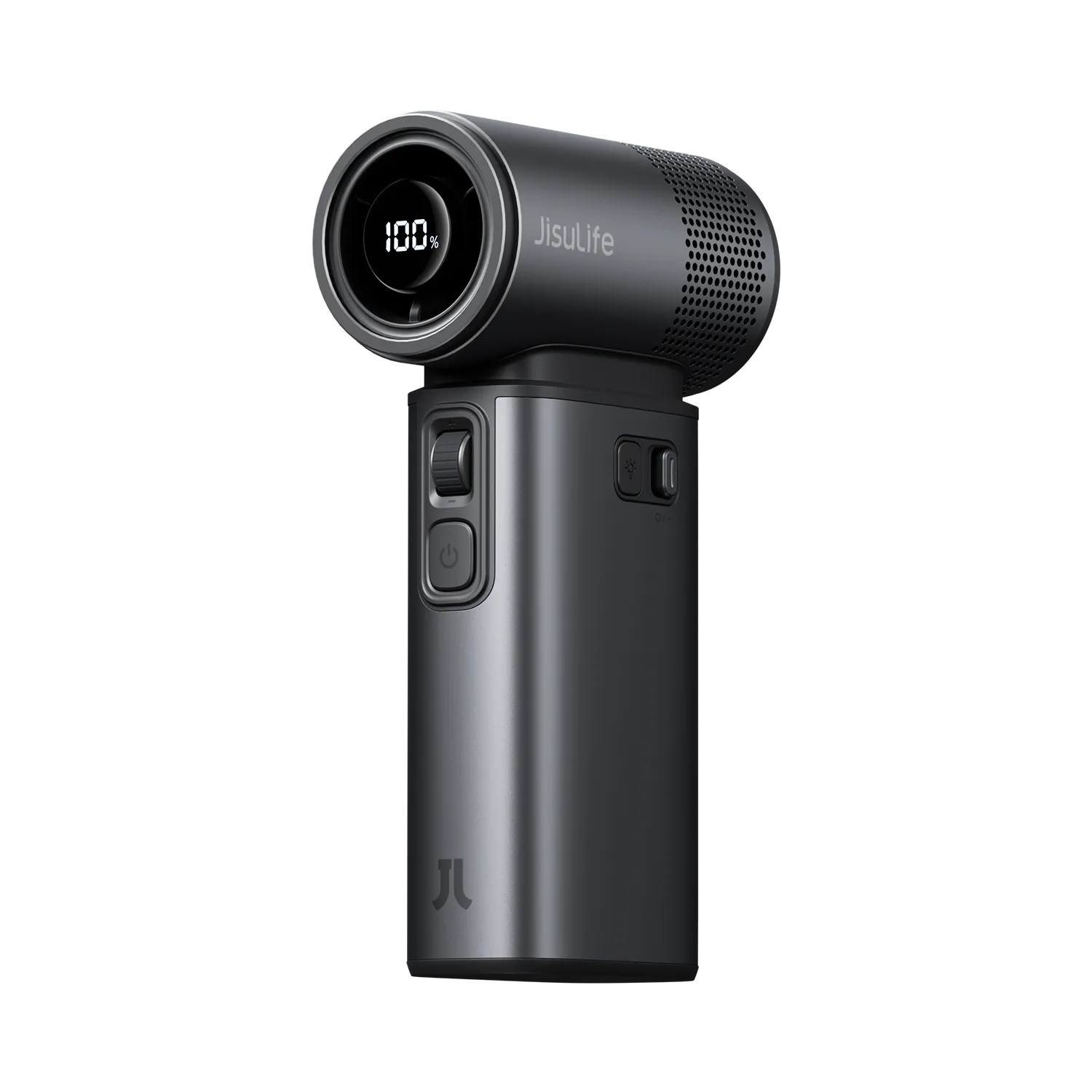
Партатыўны перазараджаемы вентылятар — адна з самых простых рэчаў, якую можна дадаць у вашу аварыйную сумку. Ён амаль не важыць, зараджаецца ад любога USB-крыніцы і дае вам гадзіны астуджэння, калі няма электрычнасці. Выберыце той, у якога дастаткова батарэі для вашага самага доўгага магчымога адключэння, трымайце яго зараджаным і спалучайце з павербанкам для дадатковага спакою. JISULIFE Handheld Fan Ultra2 — моцны варыянт: яго батарэя ёмістасцю 9000 мАг працуе да 25 гадзін на адной зарадцы і таксама служыць аварыйным ліхтаром з трыма ўбудаванымі рэжымамі асвятлення, таму адзін прылада пакрывае і астуджэнне, і бачнасць пры адключэнні электрычнасці.

Часта задаваемыя пытанні
Пытанне 1: Як доўга звычайна доўжацца летнія адключэнні электрычнасці ў Злучаных Штатах?
Большасць вентылятараў працуюць ад 1 да 6 гадзін. Паводле дадзеных адсочвання электрасетак, сярэдняе адключэнне электрычнасці ў жылых раёнах доўжыцца каля 2-4 гадзін, хоць моцныя буры і спёка могуць працягваць адключэнні да 24 гадзін і больш. Вентылятары з батарэямі ёмістасцю 4000 мАг і больш зручна пакрываюць звычайны дыяпазон. Для рэгіёнаў з частымі працяглымі адключэннямі варта інвеставаць у вентылятар з большай ёмістасцю і рэзервовы павербанк.
Q2: Ці можна зараджаць партатыўны вентылятар з дапамогай сонечнай панэлі?
Так, большасць зараджаемых вентылятараў з USB-портамі для зарадкі працуюць з партатыўнымі сонечнымі панэлямі. Вам патрэбна сонечная панэль, якая выдае не менш за 5В праз USB-порт, што ахоплівае большасць спажывецкіх панэляў. Зарадка будзе павольнейшай, чым ад сеткавага разеткі, асабліва ў воблачныя дні, але гэта забяспечвае аднаўляльны рэзерв пры працяглым адключэнні электрычнасці. Спалучайце сонечную панэль з павербанкам для больш стабільнай падачы энергіі.
Q3: Ці бяспечна ўключаць вентылятар на батарэі на ўсю ноч падчас сну?
Так, гэта бяспечна для большасці сучасных зараджаемых вентылятараў. Якасныя вентылятары выкарыстоўваюць літый-іённыя батарэі з убудаванымі схемамі абароны ад перазарадкі і пераразрадкі. Яны не пераграваюцца пры звычайным выкарыстанні і проста спыняюцца, калі батарэя разраджаецца. Ставіце вентылятар на стабільную паверхню, далёка ад пасцельнай бялізны, якая можа перакрыць ўцягвальныя адтуліны. Не накрывайце вентылятар тканінай і трымайце яго ў недасяжнасці для вельмі маленькіх дзяцей.
Q4: Ці варта купляць некалькі маленькіх вентылятараў ці адзін вялікі для падрыхтоўкі да адключэнняў электрычнасці?
Колькасць маленькіх вентылятараў дае больш гнуткасці. Адзін вялікі вентылятар эфектыўна астуджае адну зону, але яго нельга падзяліць паміж пакоямі. Два ці тры маленькія вентылятары дазваляюць адначасова ахапіць спальню, гасціную і дзіцячую. Іх таксама лягчэй насіць, зараджаць асобна і захоўваць у аварыйным наборы. Агульная кошт часта падобная да аднаго прэміум-вентылятара поўнага памеру з батарэяй.
Q5: Ці робіць пакой халаднейшым пастаноўка лёду перад вентылятарам падчас адключэння электрычнасці?
Яно стварае кароткачасовы эфект астуджэння ў непасрэднай блізкасці, але не зніжае агульную тэмпературу ў пакоі значным чынам. Вентылятар дзьме паветра праз лёд, і гэта паветра на некаторы час адчуваецца халаднейшым. Калі лёд растае, эфект заканчваецца. Пры адключэнні электрычнасці ваш запас лёду абмежаваны, бо маразільнік таксама не працуе. Захоўвайце лёд для напояў і захавання ежы, а для асабістага астуджэння выкарыстоўвайце вентылятар разам з вільготнымі ручнікамі.



Пакіньце каментар
Усе каментары праходзяць мадэрацыю перад публікацыяй.
This site is protected by hCaptcha and the hCaptcha Privacy Policy and Terms of Service apply.