



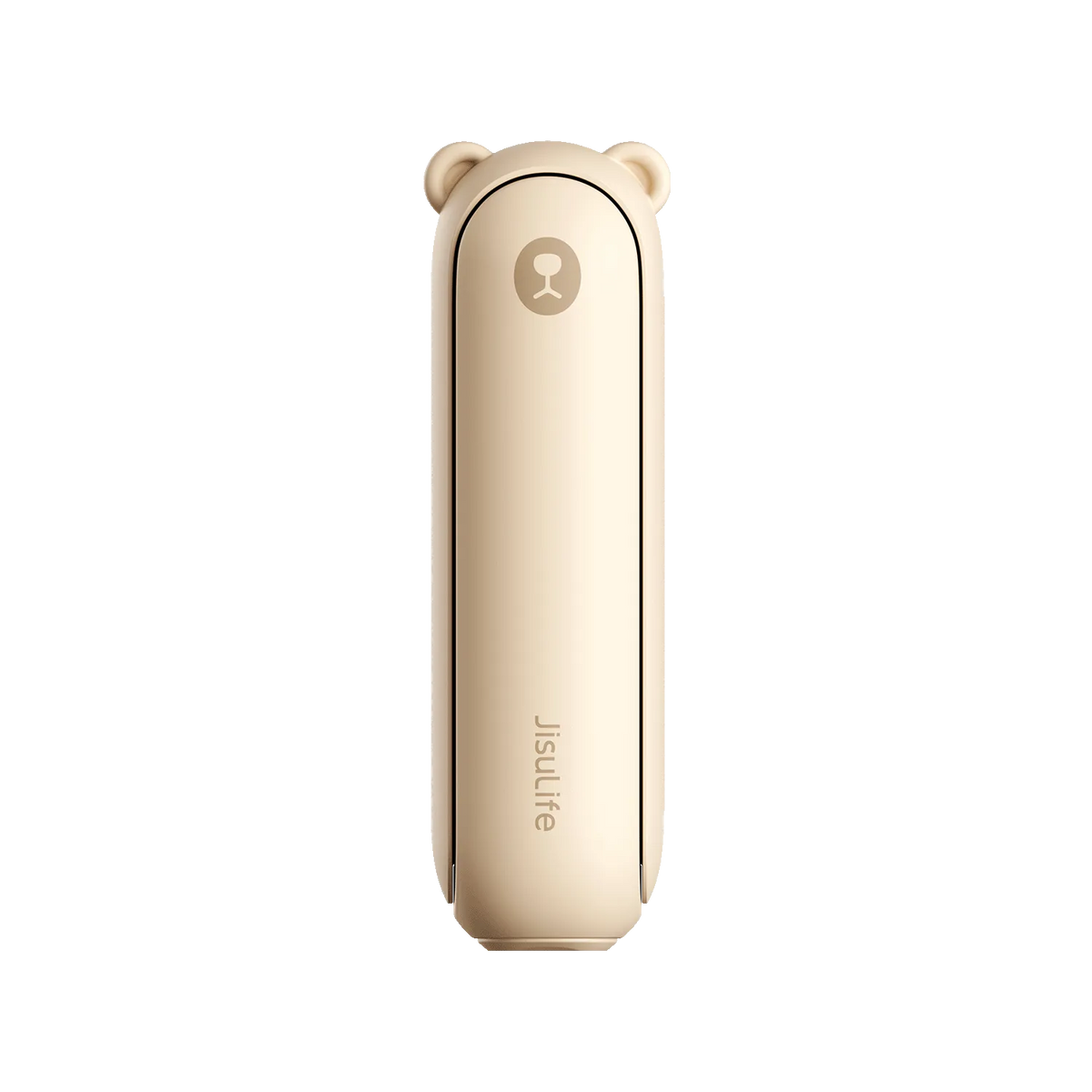
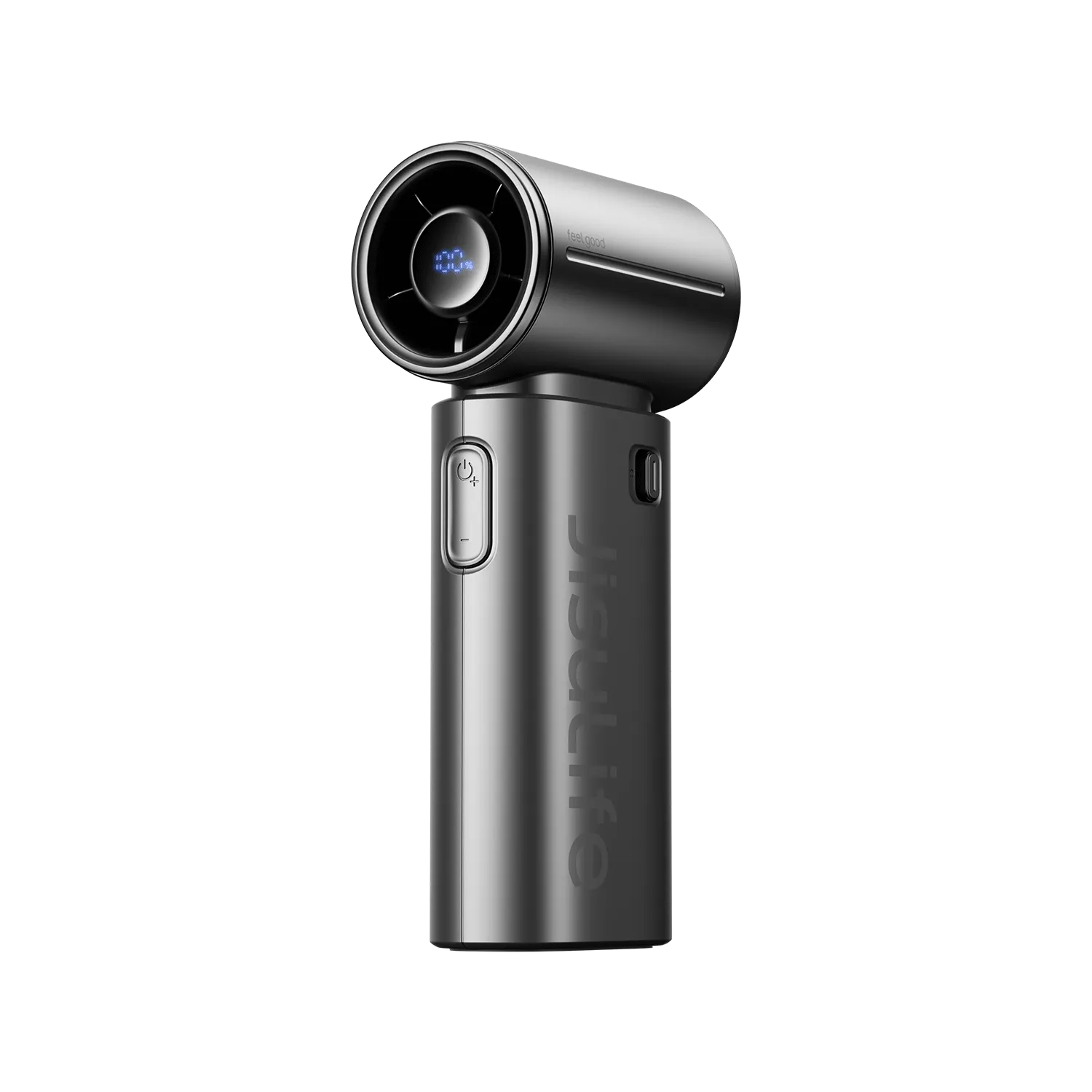
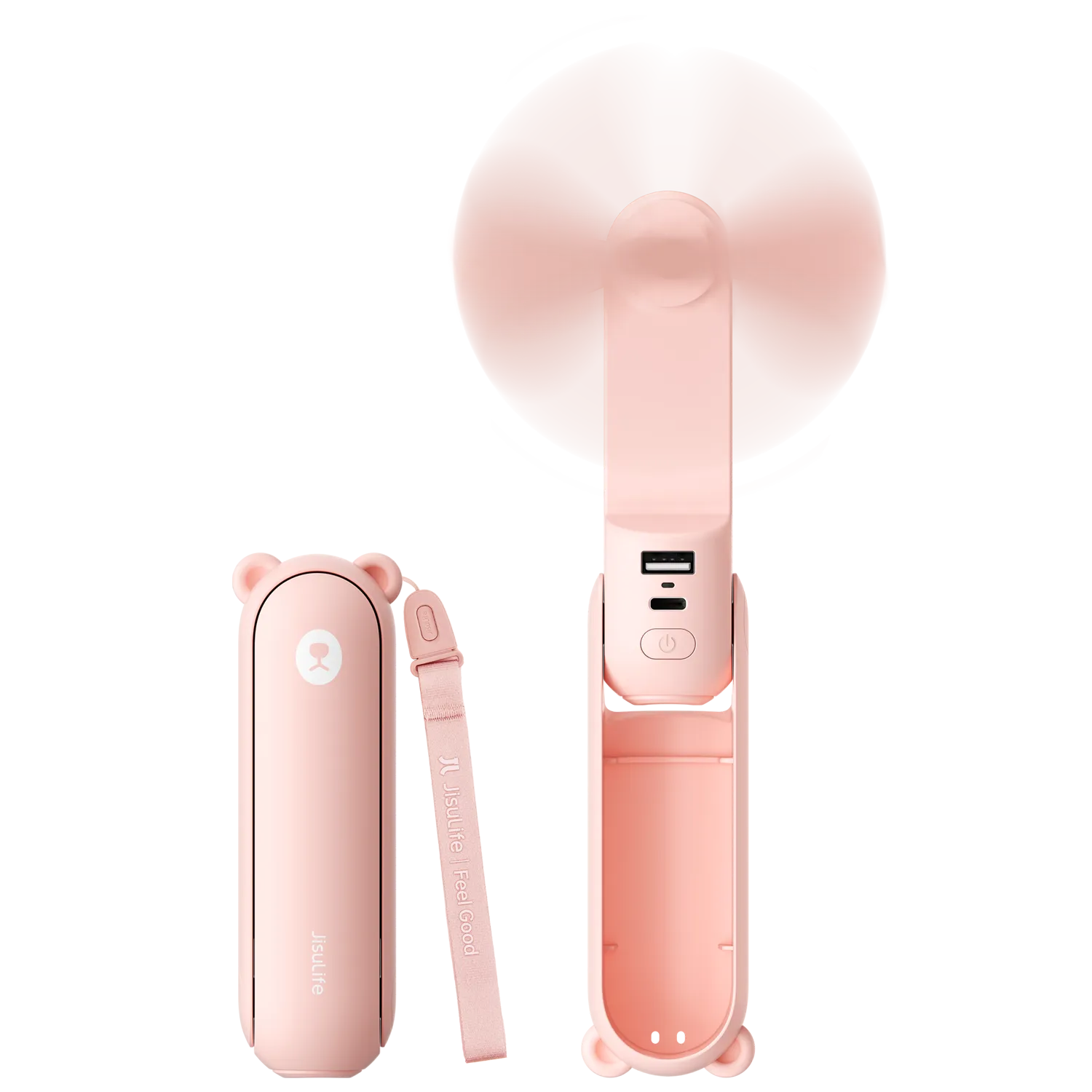
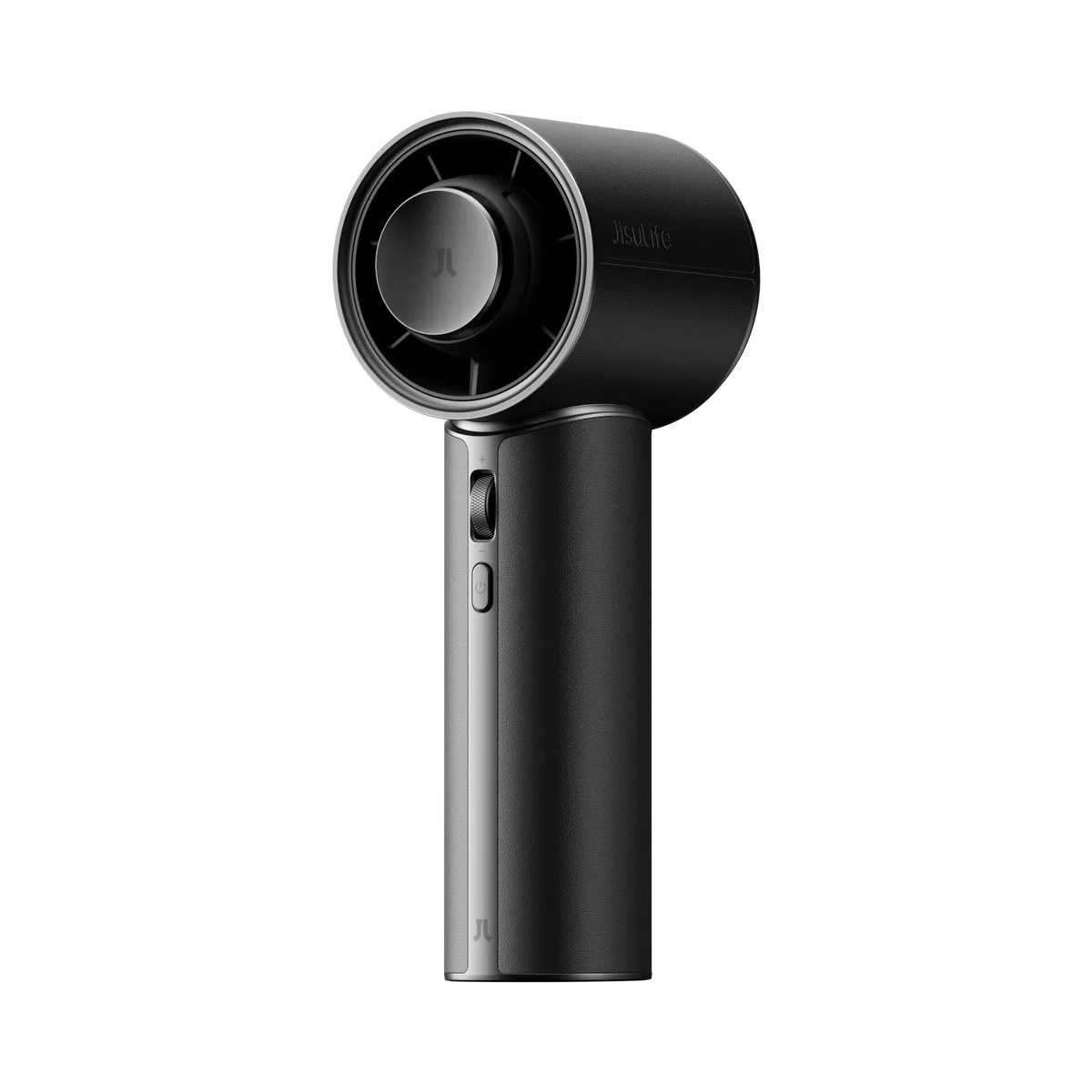

Buying a portable fan sounds simple until you realize the battery life on the box rarely matches what you get in real life. The specs are confusing, the categories are crowded, and most buying advice just repeats the same checklist. A better starting point is how you actually use a fan, then work backward to what you should buy.
The Only Three Questions That Actually Matter
Before looking at any spec, answer these:
How many hours a day do you need the fan running? Where are you when you use it? Can you plug in and recharge at some point during the day?
Your answers to these three questions will do more to narrow your options than any spec sheet. Everything else, mAh, voltage, motor type, follows from here.
If You Use a Fan for Two Hours or Less
This is the easiest scenario. Almost any battery-operated personal fan on the market will cover two hours without issue. You don't need a large battery, and you don't need to overthink it.
When runtime isn't the constraint, other things matter more. Weight is the big one. A fan you carry around or wear on your neck for two hours should be as light as possible. Noise matters too, especially if you're using it in a meeting, on a call, or in a library.
For short daily use, a compact handheld fan with a 2000mAh to 3000mAh battery is plenty. Spend the rest of your budget on build quality and comfort.
If two hours is all you need, don't pay for battery capacity you'll never use.
If You Need Four to Eight Hours Without Recharging
This is where most people actually land, and where most buying mistakes happen.
Four to eight hours sounds like it should be easy to cover. In practice, a lot of fans that claim to last eight hours only hit that number on the lowest speed setting, which on many models barely moves air. You buy the fan, run it at a speed that actually cools you down, and find yourself at 20% battery by mid-afternoon.
The Speed Setting Problem
Running a portable rechargeable fan at full speed can drain the battery two to three times faster than the lowest setting. That means a fan advertised at eight hours might realistically give you three at the speed you'd want on a hot day. This isn't a flaw exactly. It's just how the math works. But it's almost never explained clearly on product pages.
A practical rule: take the advertised runtime, cut it in half, and ask whether that still covers your day. If yes, it's probably fine. If no, size up.
What Battery Size You Actually Need
For genuine four-to-eight-hour coverage at a usable speed, aim for at least 4000mAh in a compact fan. If the product page only shows mAh and not watt-hours, try to find the voltage too. Two fans both labeled 5000mAh at different voltages won't last the same amount of time. Watt-hours combines both figures and gives you a real comparison.
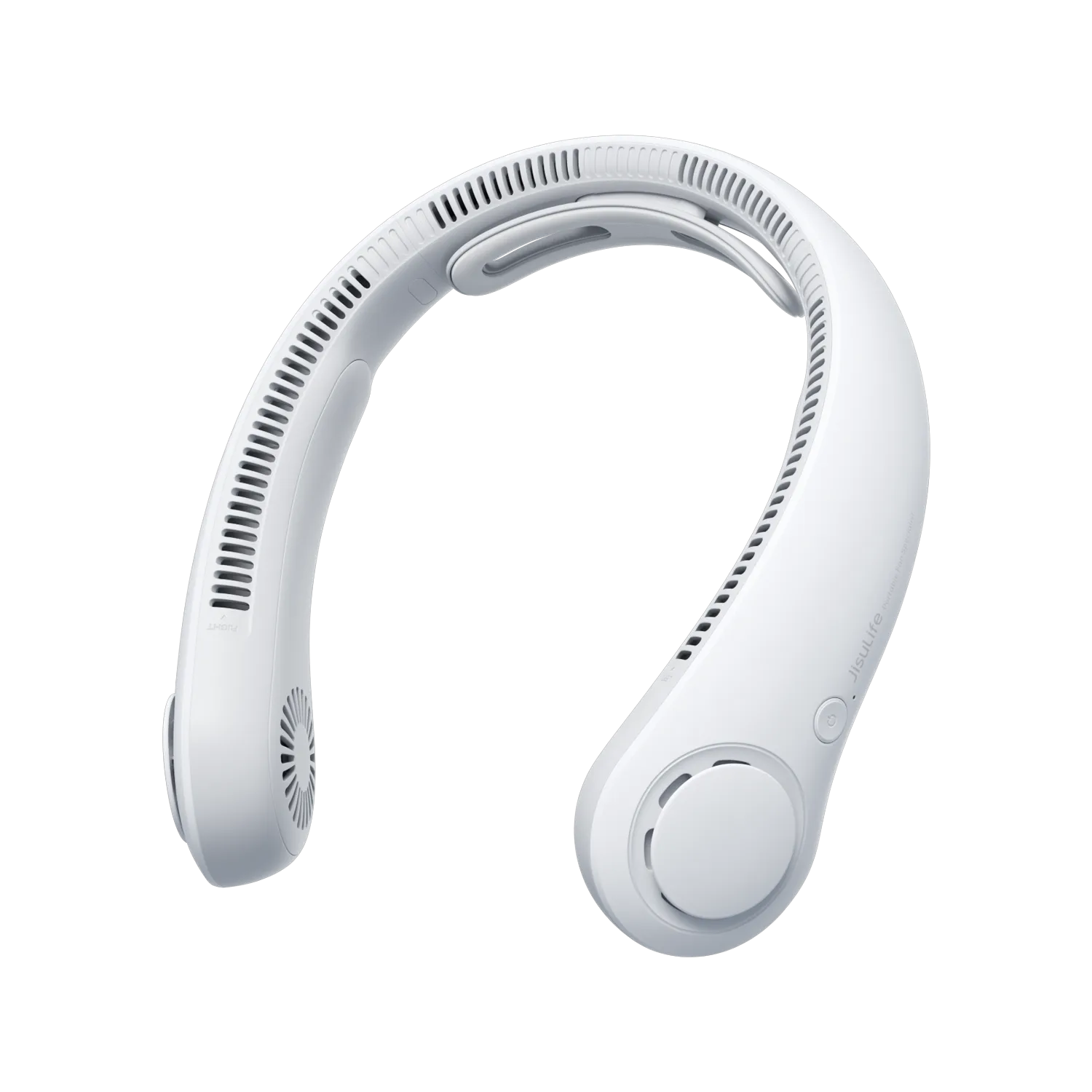
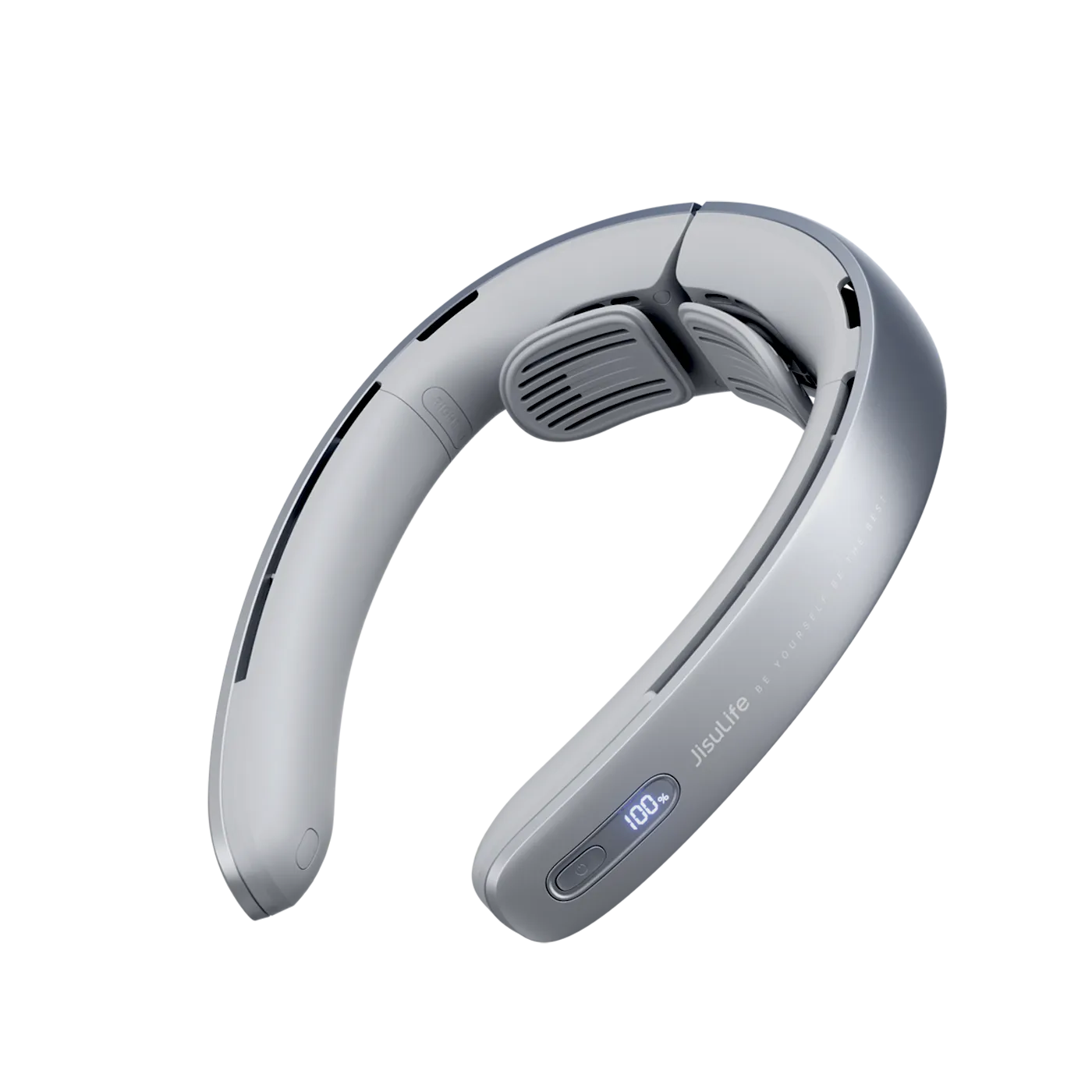
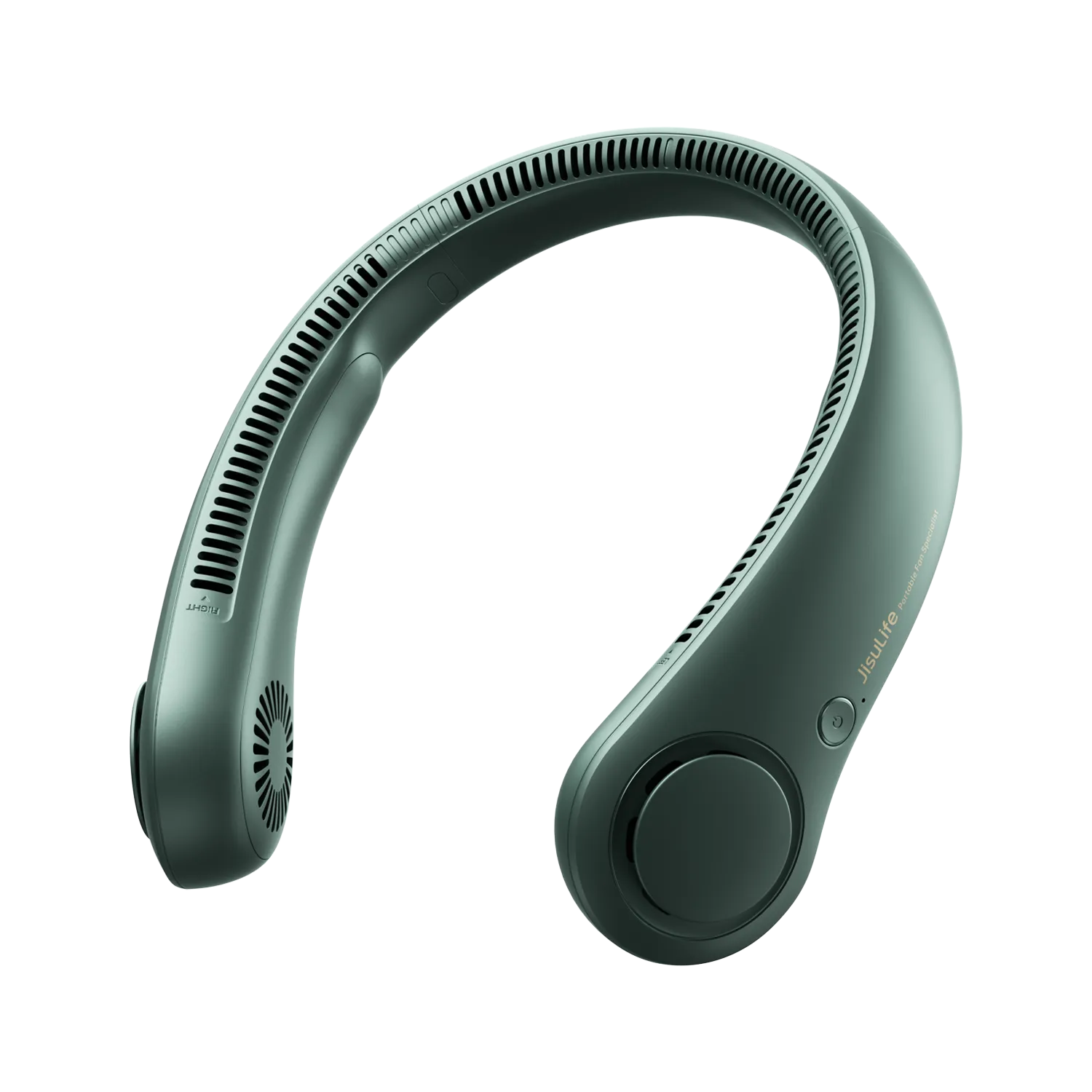
For neck fans specifically, the advertised numbers are almost always based on the lowest speed setting. The compact design of many neck fans can reduce real-world battery life faster than people expect, especially at higher speed settings. A neck fan with 4500mAh and 100-level stepless speed control can reach up to 16 hours on low, but at a genuinely comfortable speed level, expect something closer to half that. The best rechargeable neck fan options give you enough granular control to find a middle ground between comfort and runtime.
If you're shopping in this range, don't buy the minimum. Buy one step up, and check whether the runtime figure is based on low speed or average use.
If You Need All-Day Coverage With No Opportunity to Recharge
This is the hardest scenario, and the one where getting it wrong hurts most. You're at an outdoor event, a long commute, or a full day of work in a hot environment, and you need the fan to just keep going.
Handheld Fans Have Gotten Surprisingly Good
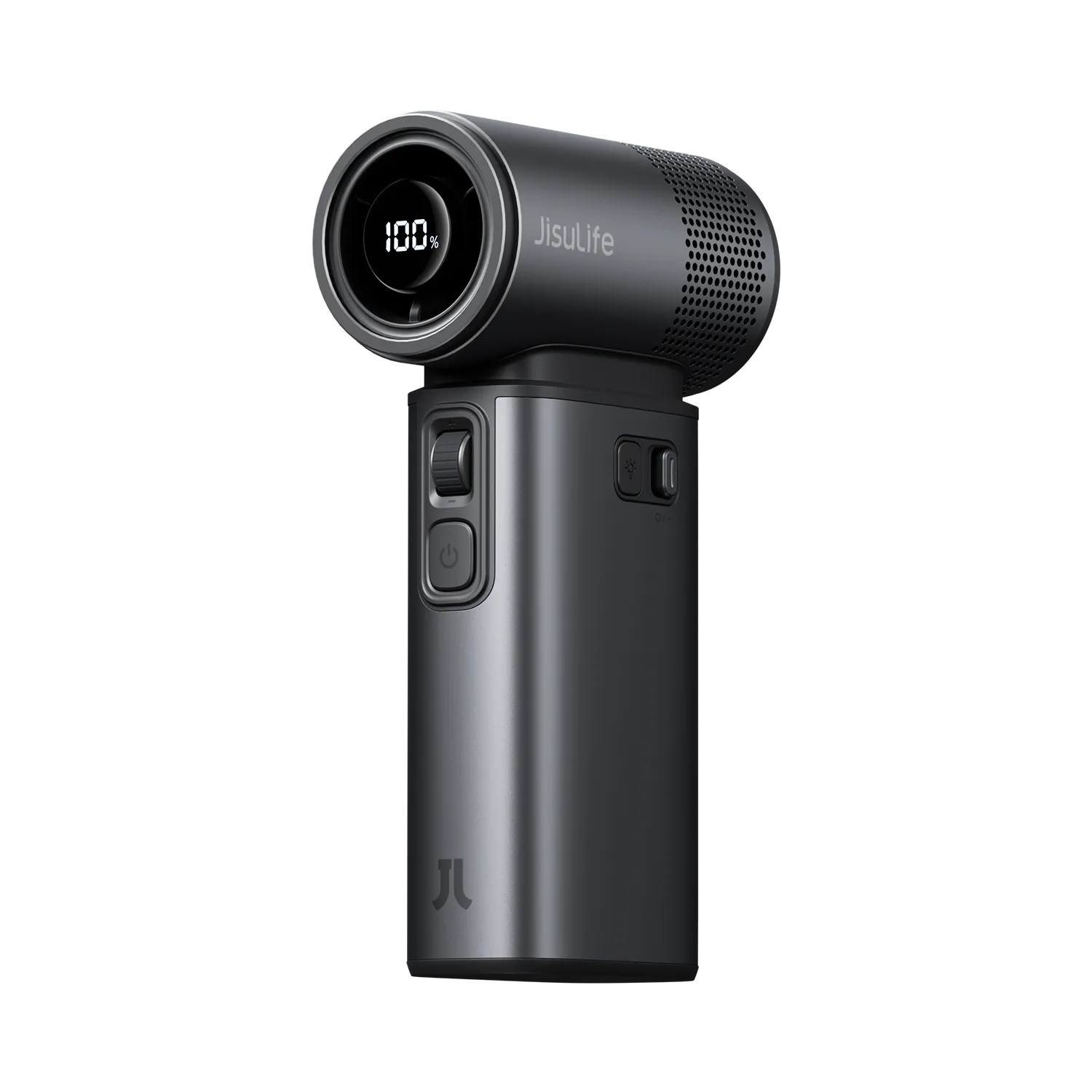
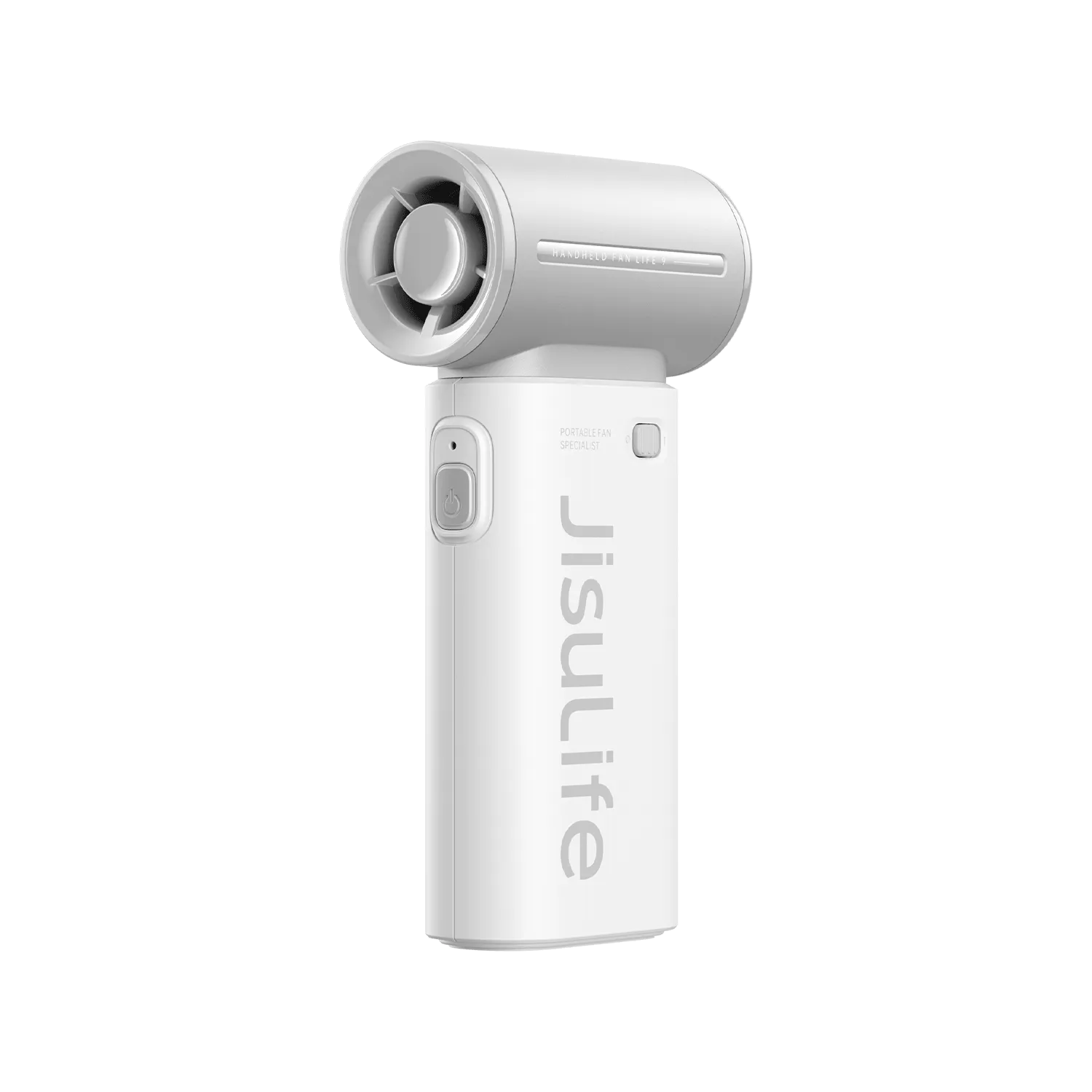
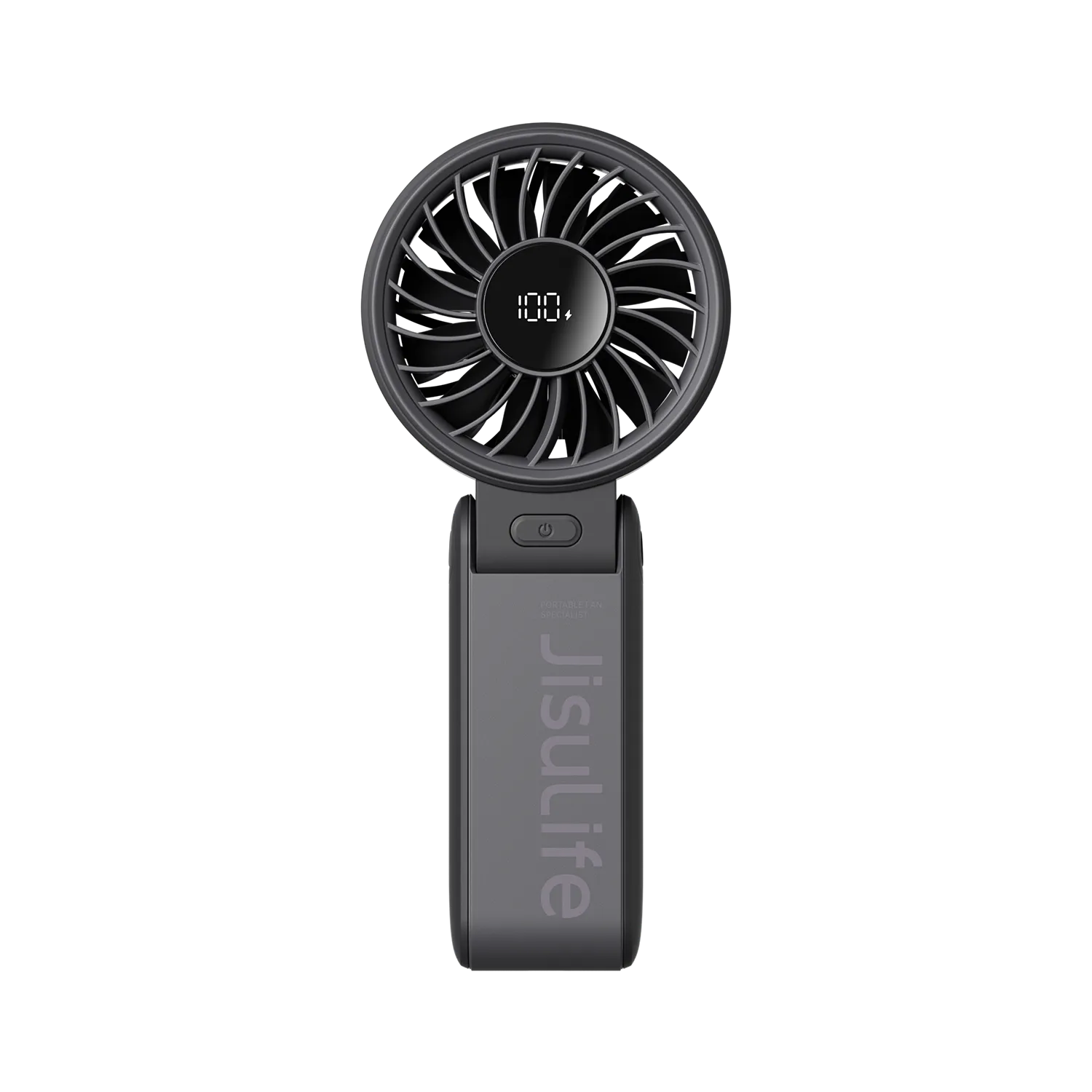
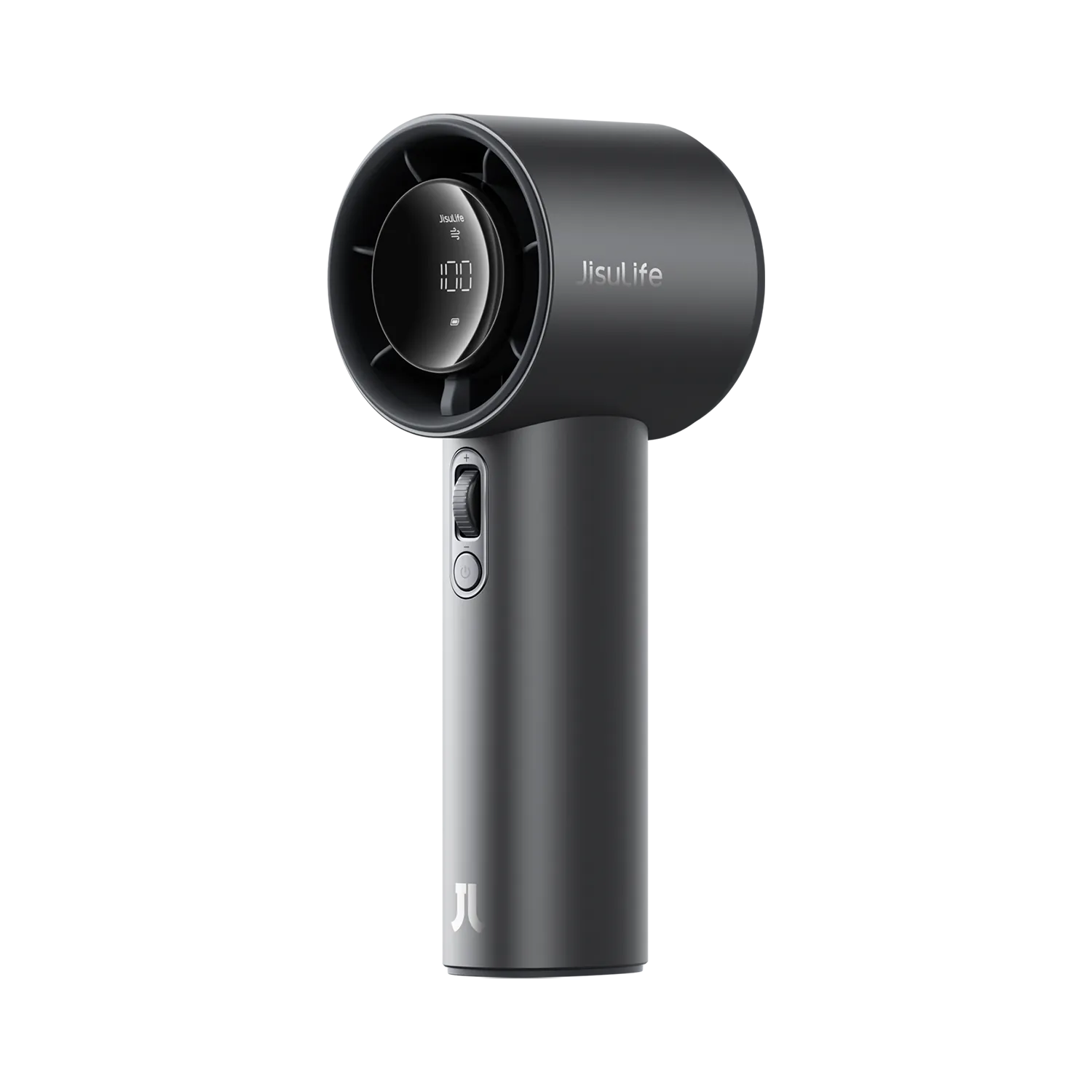
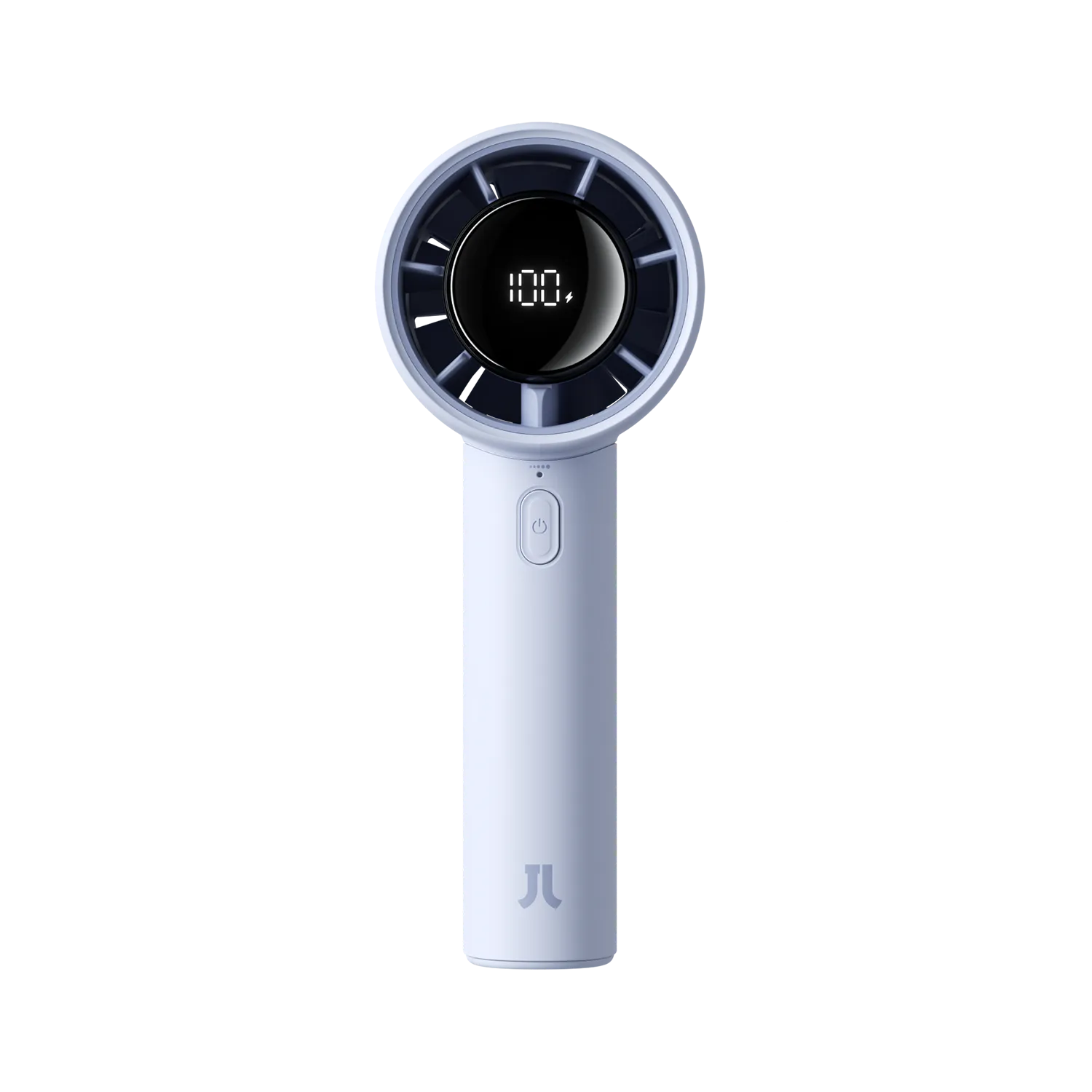
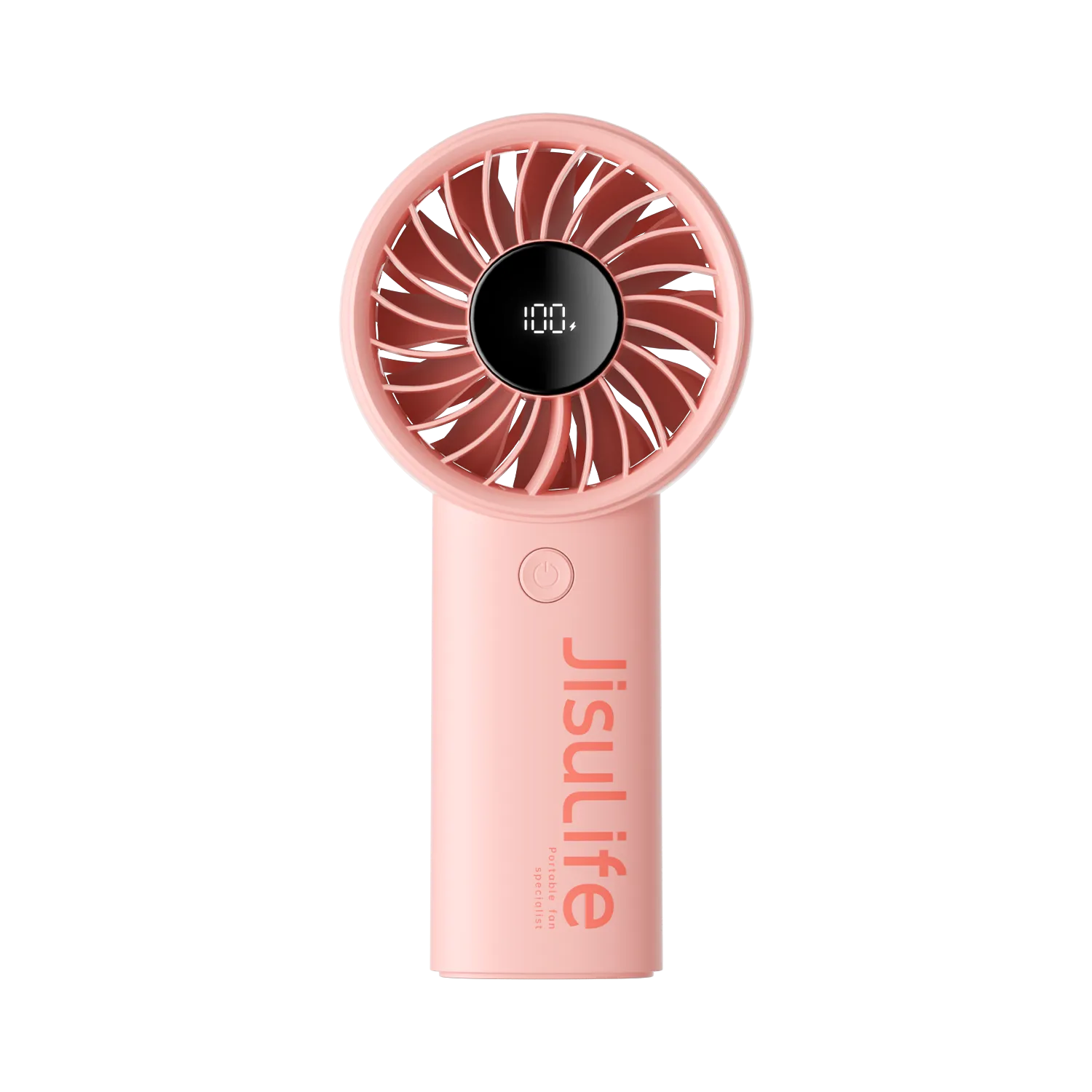
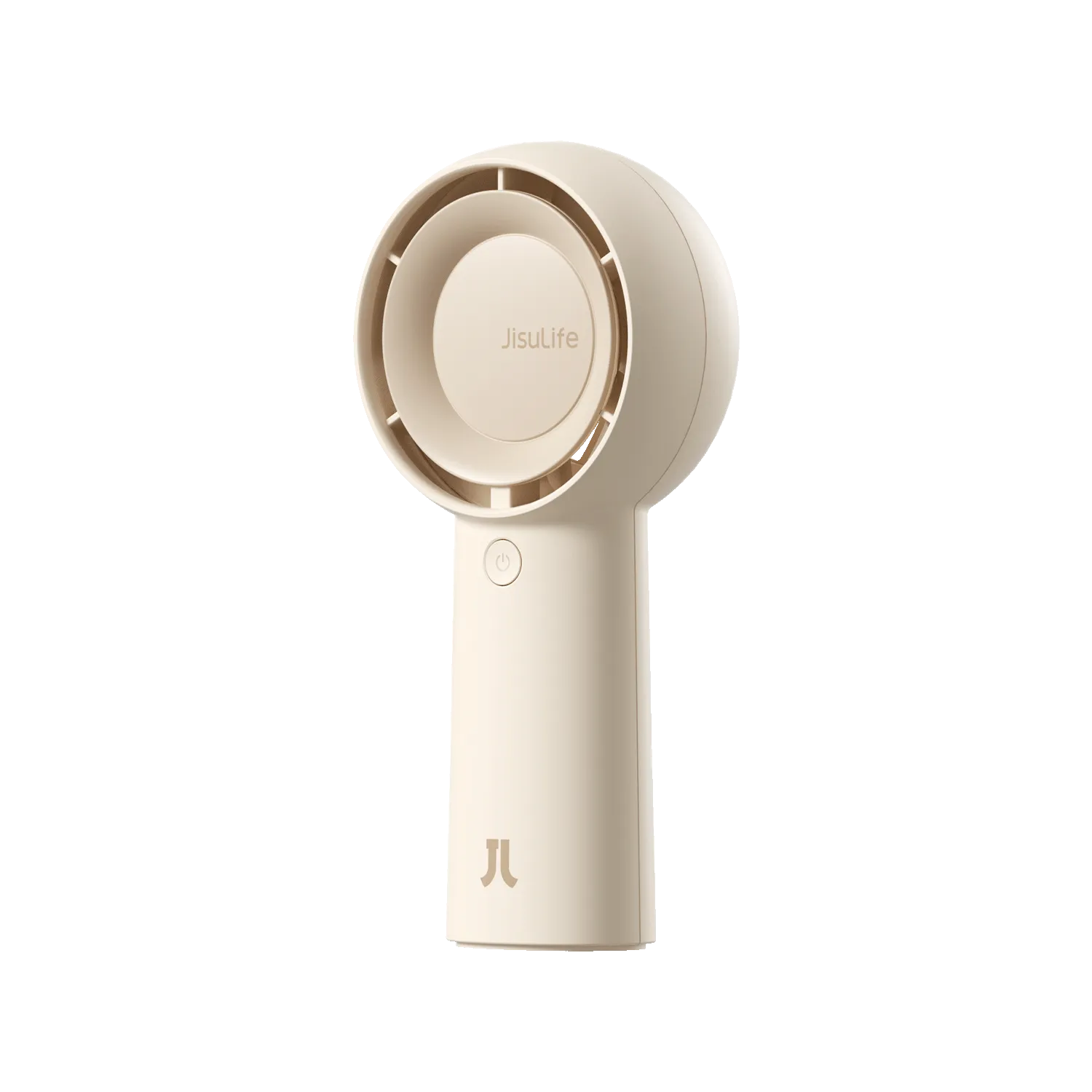
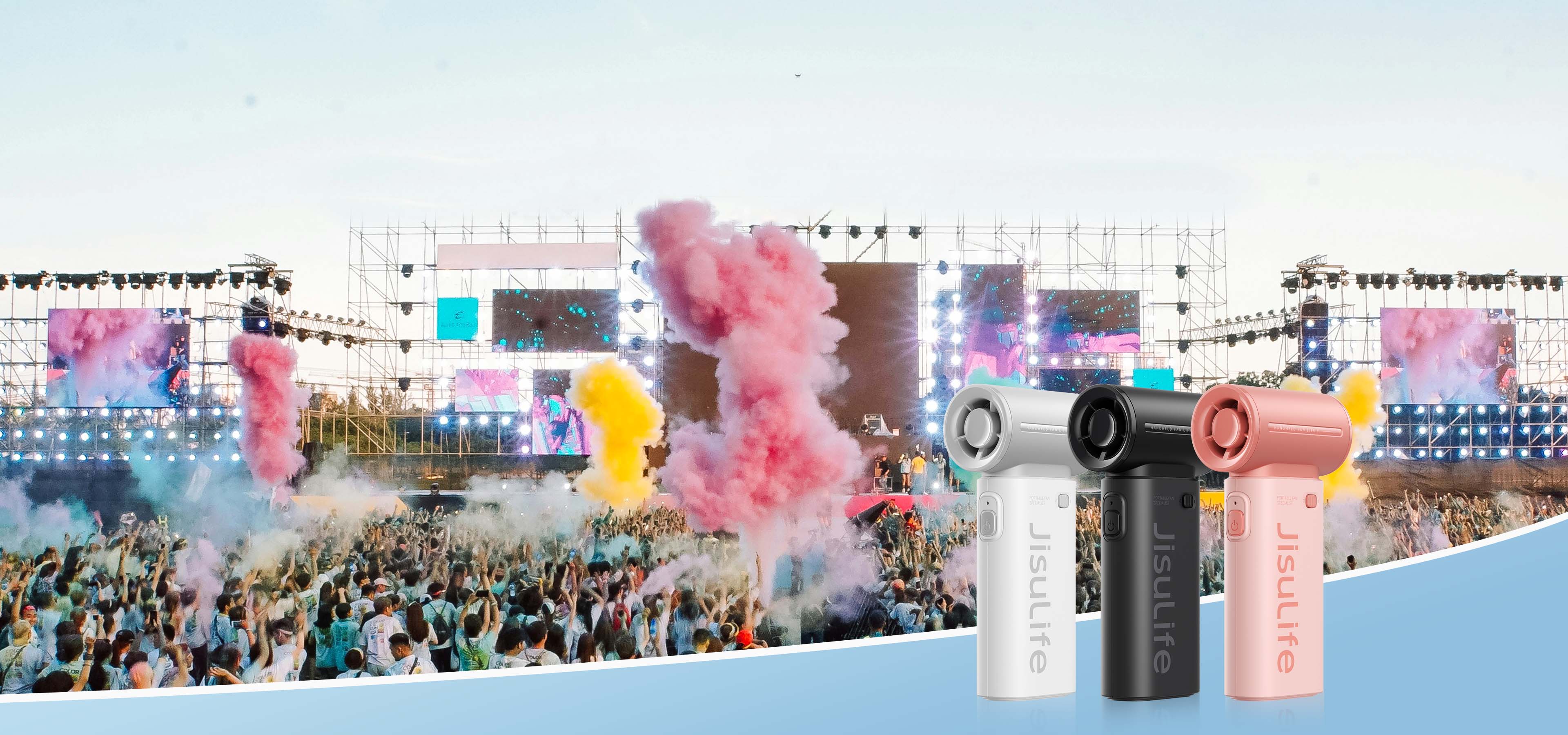
Some newer handheld models now pair a 5000mAh battery with faster USB-C charging and can last much longer on low settings than older models. The JisuLife Handheld Fan Life9, for example, offers a 5000mAh option with five speed levels and up to 18 hours of runtime on low — all in a 5.62 oz body that's easy to carry for extended periods. Still, if you truly have no opportunity to recharge, advertised low-speed runtime matters more than charging speed.

That said, high-speed runtime is still much shorter. If you're outdoors in real heat and running the fan on high for most of the day, a 5000mAh handheld may not cut it. If you'll stay in one place for long stretches, a desk or clip-on fan may be a better fit because it has room for a larger battery.
Desk and Clip-On Fans Are the Reliable Choice Here
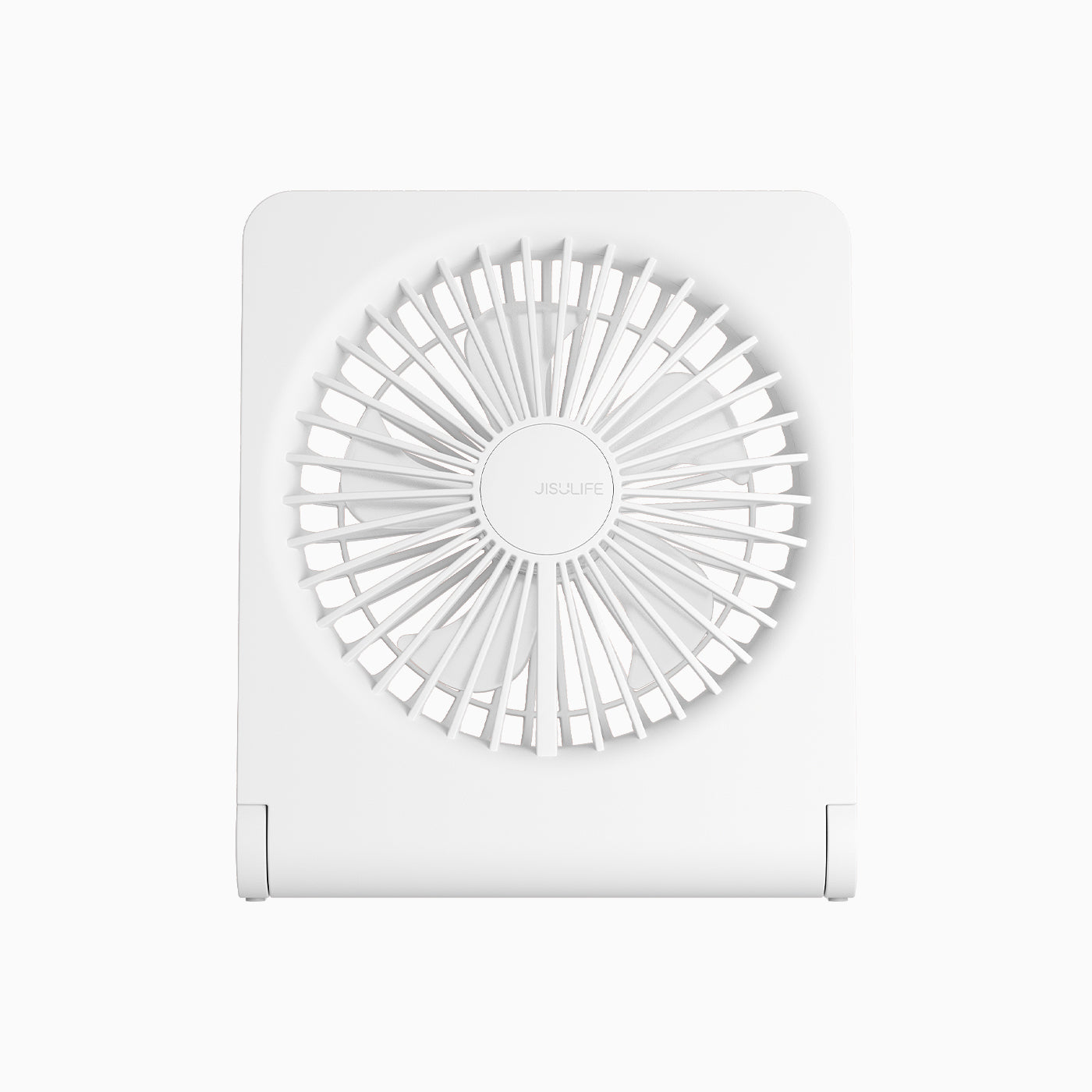
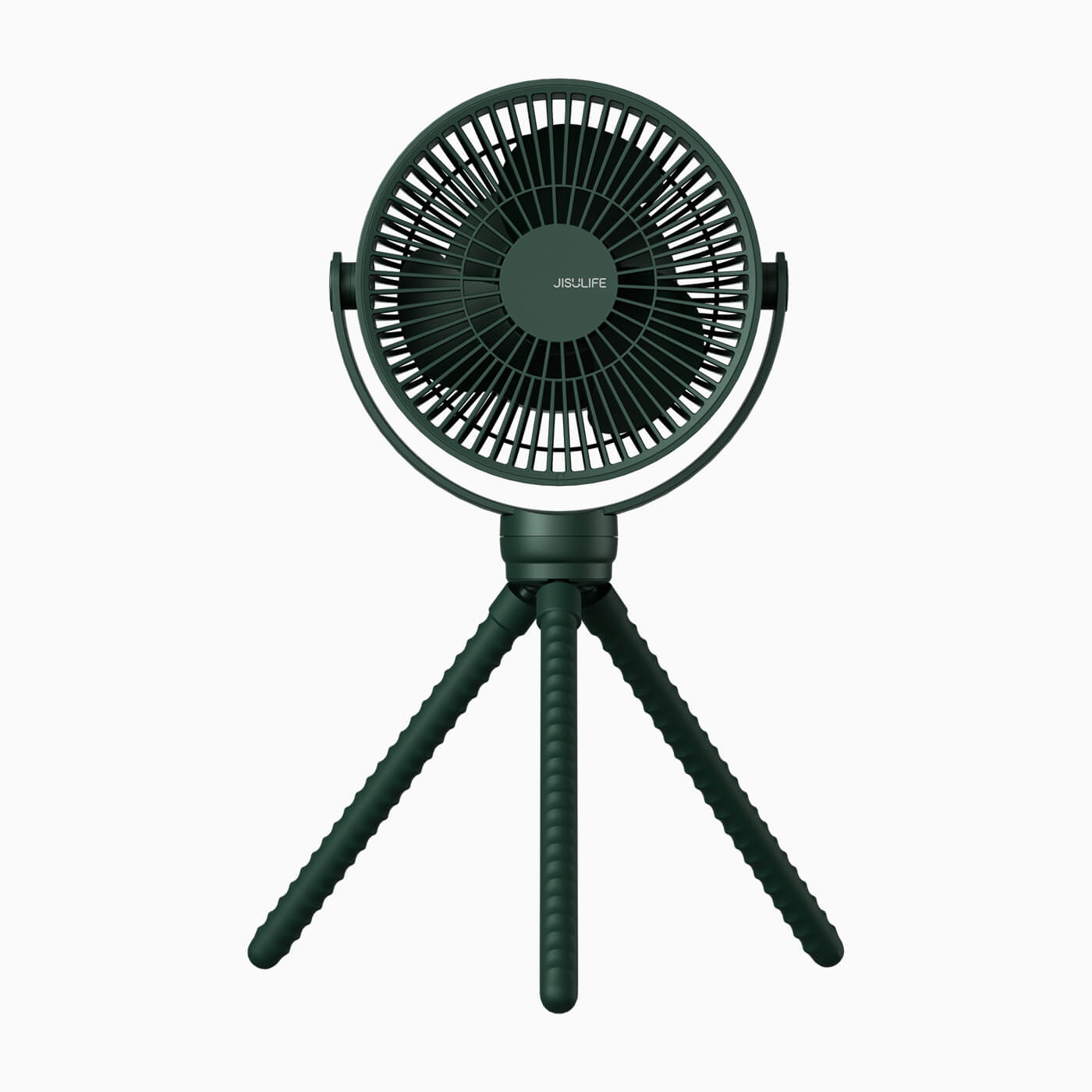
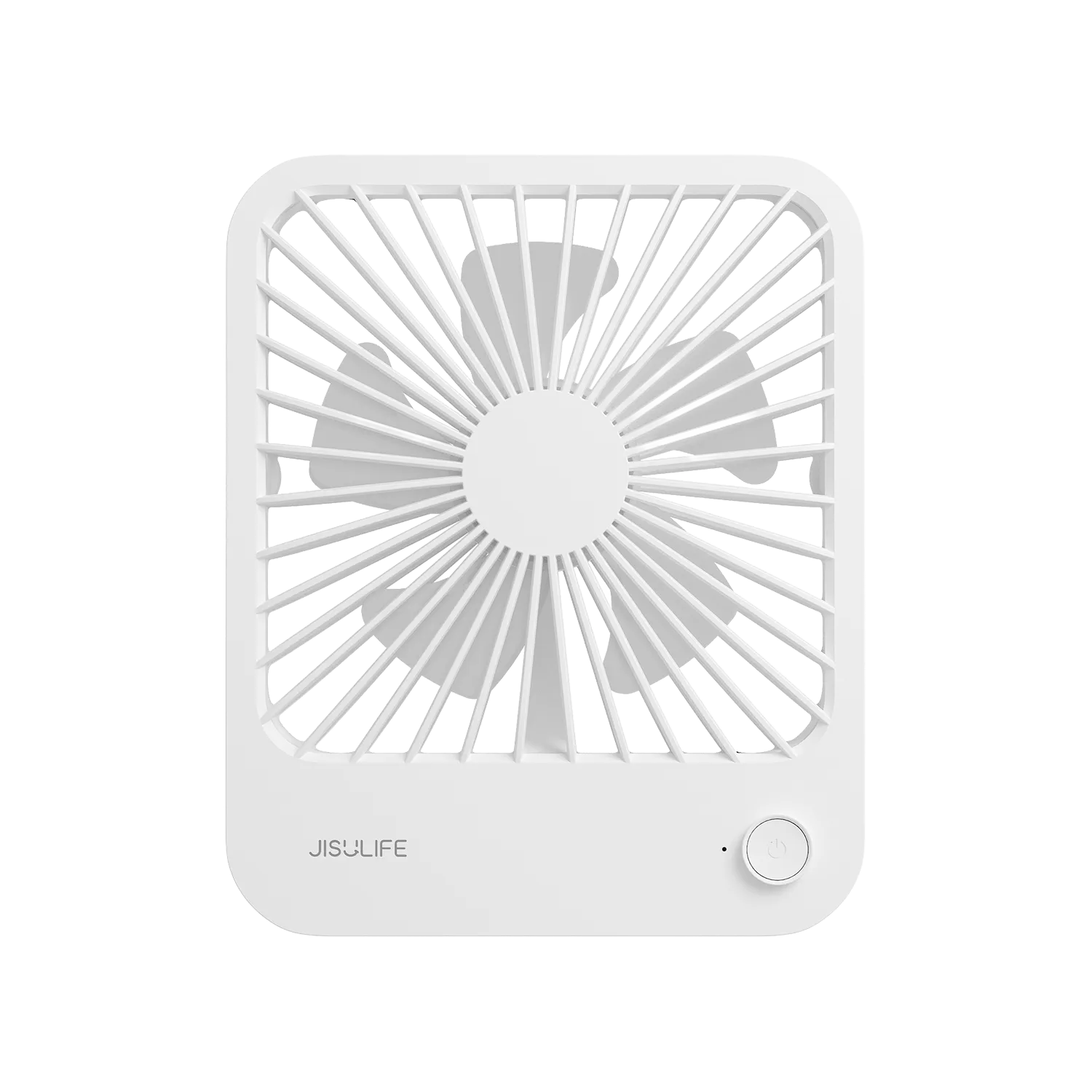
If your all-day use is relatively stationary, a desk fan or clip-on fan with 8000mAh or more is the safest bet. The runtime at moderate speed is usually longer, and these categories often have room for larger batteries and fan assemblies.
Brushless DC motors use less power and last longer than brushed motors. This detail almost never appears on product pages, but it's worth looking for in the full spec sheet or in detailed reviews. Two fans with identical batteries but different motor types can perform meaningfully differently over a long day.
For true all-day use, match the fan type to whether you're moving or stationary. Mobile use needs a high-capacity handheld with fast charging. Stationary use is better served by a desk or clip-on with a large battery and an efficient motor.
If You Can Recharge During the Day
This changes everything, and most people don't fully account for it.
If you can plug in for even 30 to 45 minutes at lunch or during a break, you don't need a massive battery. You need a fan with fast charging. A 5000mAh fan with 18W fast charging can recover several hours of runtime in under an hour. That's a fundamentally different product than a 5000mAh fan that takes four hours to charge via micro-USB.
Fans that still use micro-USB can take four to six hours to reach full capacity. If you're using the fan every day, that means planning your entire charging schedule around it. USB-C with fast charging support removes that friction almost entirely. This is probably the most underrated factor in the whole category. A slightly smaller battery with fast charging will outperform a larger battery with slow charging in almost any real daily use scenario.
If recharging mid-day is an option, prioritize fast charging over raw capacity. It's a better use of your budget.
The Things You Won't Know Until You Own It
A few factors don't show up in specs but end up determining how much you actually use the fan day to day.
Weight matters more than the number suggests. A neck fan listed at 11 ounces feels noticeably different after two hours than one at 6 ounces. If you're wearing or carrying the fan for extended periods, weight deserves as much attention as battery size.
Noise is hard to judge from specs. Decibel ratings on product pages tend to be optimistic. Real-world noise feedback in reviews is more reliable. Some fans on high speed are loud enough to disrupt calls or light sleep.
Water resistance is worth checking if the fan goes outside. An IPX rating tells you how well it handles sweat and light rain. No rating at all usually means keep it indoors.
Battery degradation is a longer-term consideration. Built-in non-removable batteries lose capacity over time. A one-year warranty is limited, but it at least gives you coverage during the period when early failures are most likely. Look for brands that back their products with a solid warranty, ensuring you are protected against any early manufacturing defects and providing peace of mind for daily use.
Start With Your Day, Not the Spec Sheet
The right portable fan isn't the one with the biggest mAh number. It's the one that matches how long you actually need it, where you'll use it, and whether fast charging changes the equation for you. Start with those three questions, and the spec sheet stops being overwhelming. Most of the decision makes itself.
FAQs about Portable Fan Battery Life
Q1: How Long Does a Portable Fan Battery Typically Last on a Single Charge?
Expect four to twelve hours on low and one to four hours on high for most models. That range is wide because speed setting is the biggest variable, not just battery size. Running a fan at full power can drain it two to three times faster than the lowest setting. If runtime matters, always check the low-speed figure specifically.
Q2: What Is a Good Battery Capacity for a Long Battery Life Portable Fan?
4000mAh is a reasonable minimum for a compact fan used for four or more hours daily. For all-day coverage without any recharging, 8000mAh or more is a safer target in a desk fan. More importantly, try to find the watt-hour figure rather than relying on mAh alone. Watt-hours (Wh) account for both capacity and voltage, and it's the more accurate comparison when choosing between models.
Q3: Why Is Neck Fan Battery Life Often Shorter Than the Label Suggests?
Because advertised figures are usually based on the lowest speed setting, and battery life can drop quickly at higher settings in real use. A practical working estimate is to take the advertised hours and cut them roughly in half for a speed level that actually cools you down.
Q4: What Charging Port Should a Portable Rechargeable Fan Have?
USB-C with fast charging support is the clear choice. Fans that still use micro-USB can take four to six hours to fully charge, which becomes a genuine inconvenience for daily use. Fast charging lets you recover hours of runtime in a short break rather than planning your whole day around charge time. If recharging mid-day is an option for you, fast charging matters even more than battery size.
Q5: Is the Best Rechargeable Neck Fan Worth the Extra Cost Compared to a Budget Option?
Usually yes, assuming you'll use it regularly. The price difference mostly comes down to battery size, motor quality, and charging speed. Budget neck fans often advertise impressive runtimes that only hold up at airflow levels too weak to be useful. If you're buying a neck fan for commuting or outdoor use, spending more tends to mean the fan actually performs at the speed level you need it to.



Leave a comment
All comments are moderated before being published.
This site is protected by hCaptcha and the hCaptcha Privacy Policy and Terms of Service apply.