


Berkemah dalam cuaca panas bisa terasa menyiksa jika Anda tidak siap. Namun, beberapa penyesuaian praktis, seperti memilih lokasi berkemah yang tepat atau membawa kipas berkemah portabel, benar-benar dapat mengubah cara Anda menghadapi panas. Perjalanan berkemah yang sejuk dan nyaman sangat mungkin dilakukan. Anda hanya perlu pendekatan yang tepat dan sedikit perencanaan sebelum keluar menikmati sinar matahari.
1. Pilih Lokasi Berkemah yang Menguntungkan Saat Suhu Meningkat
Tempat Anda tidur dan duduk lebih penting daripada hampir semua hal lainnya. Lokasi yang dipilih dengan buruk dapat memerangkap panas dan membuat sore yang sejuk sekalipun terasa tak tertahankan. Kabar baiknya, pemilihan lokasi yang cerdas tidak memerlukan biaya tambahan dan langsung memberikan manfaat.
Cari Naungan Alami
Pepohonan adalah sekutu terbaik Anda saat berkemah dalam cuaca panas. Lokasi di bawah kanopi yang rimbun bisa beberapa derajat lebih sejuk daripada lapangan terbuka. Saat mencari lokasi, perhatikan dengan saksama arah jatuhnya bayangan pada sore hari. Waktu tersebut, biasanya antara pukul 14.00 dan 17.00, umumnya merupakan bagian terpanas dalam sehari. Teduh pada pagi hari memang menyenangkan, tetapi teduh pada sore hari memberikan kenyamanan yang sebenarnya.
Pertimbangkan Ketinggian dan Aliran Udara
Tempat yang sedikit lebih tinggi cenderung mendapatkan lebih banyak angin daripada area rendah, tempat udara hangat mengendap dan menjadi tidak bergerak. Hindari mendirikan tenda di dekat tebing batu atau permukaan beraspal berwarna gelap. Keduanya menyerap panas sepanjang hari dan memancarkannya kembali hingga larut malam, sehingga tidur menjadi lebih sulit dari yang seharusnya.
2. Gunakan Kipas untuk Menciptakan Aliran Udara di Sekitar Tenda
Bahkan tempat berkemah yang teduh dengan angin sepoi-sepoi yang cukup tidak akan membuat tenda tertutup tetap nyaman. Di sinilah kipas menjadi penting. Bagian dalam tenda cepat memanas, terutama pada sore hari, dan aliran udara memberikan perbedaan yang nyata.
Pilihan Portabel dan Dapat Diisi Ulang
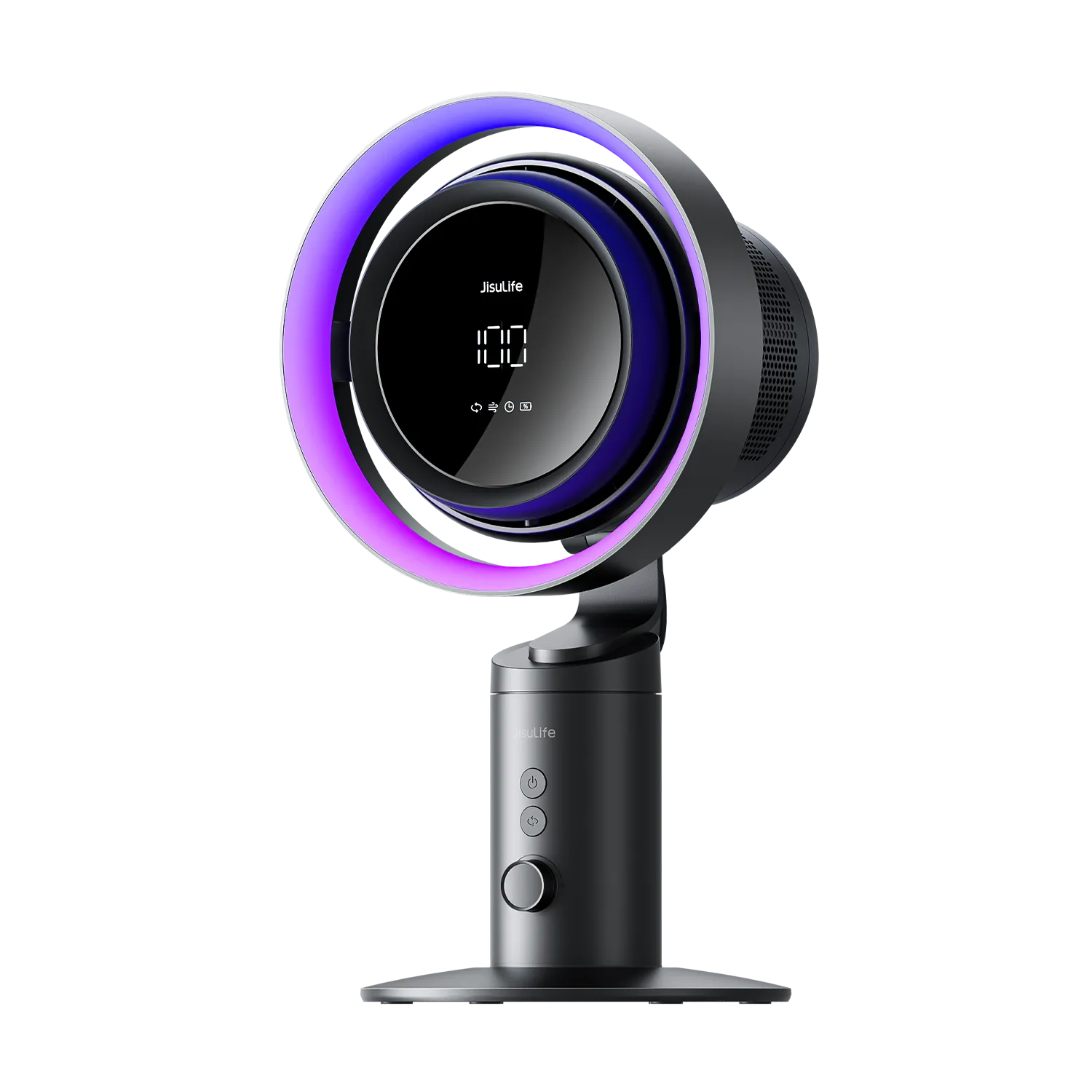
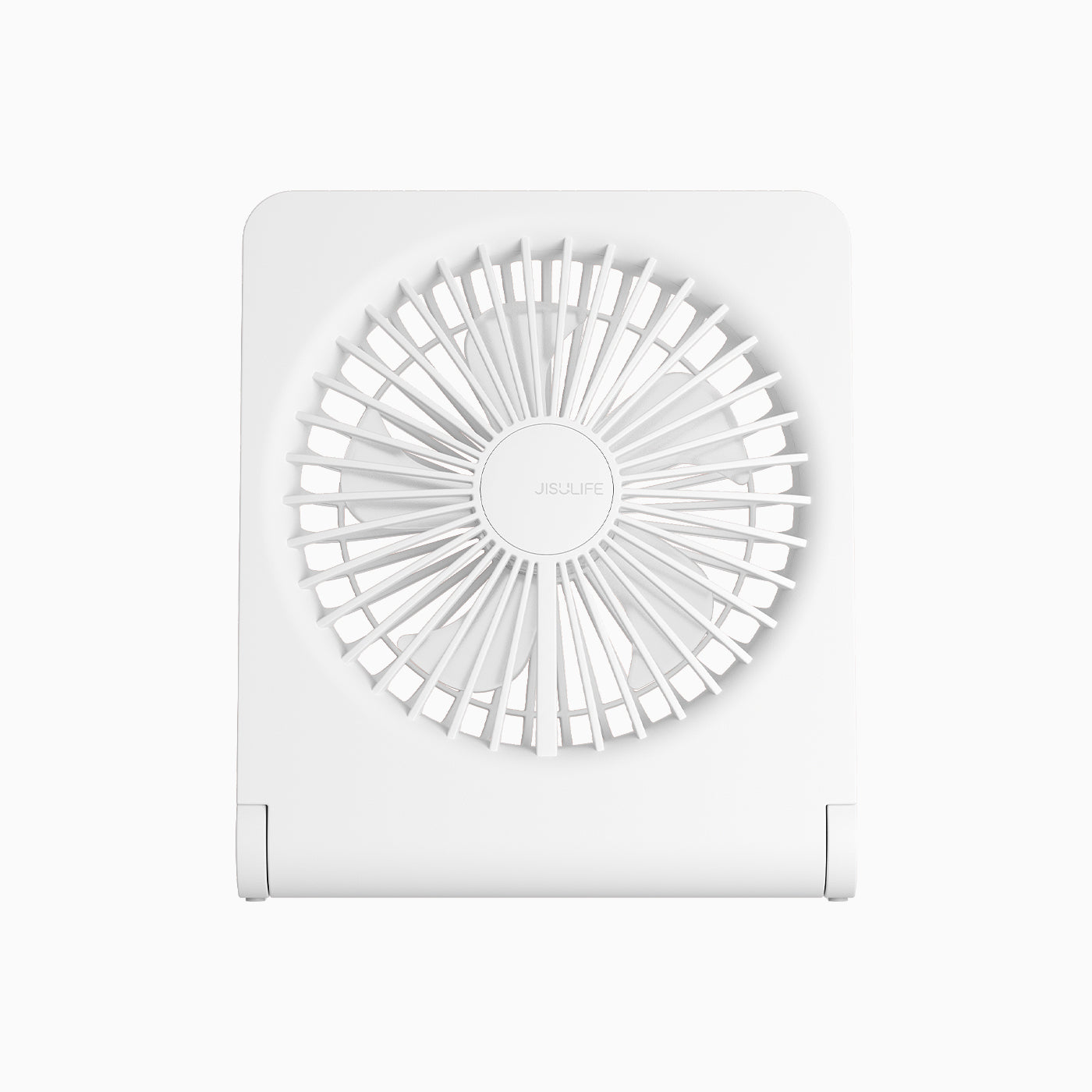
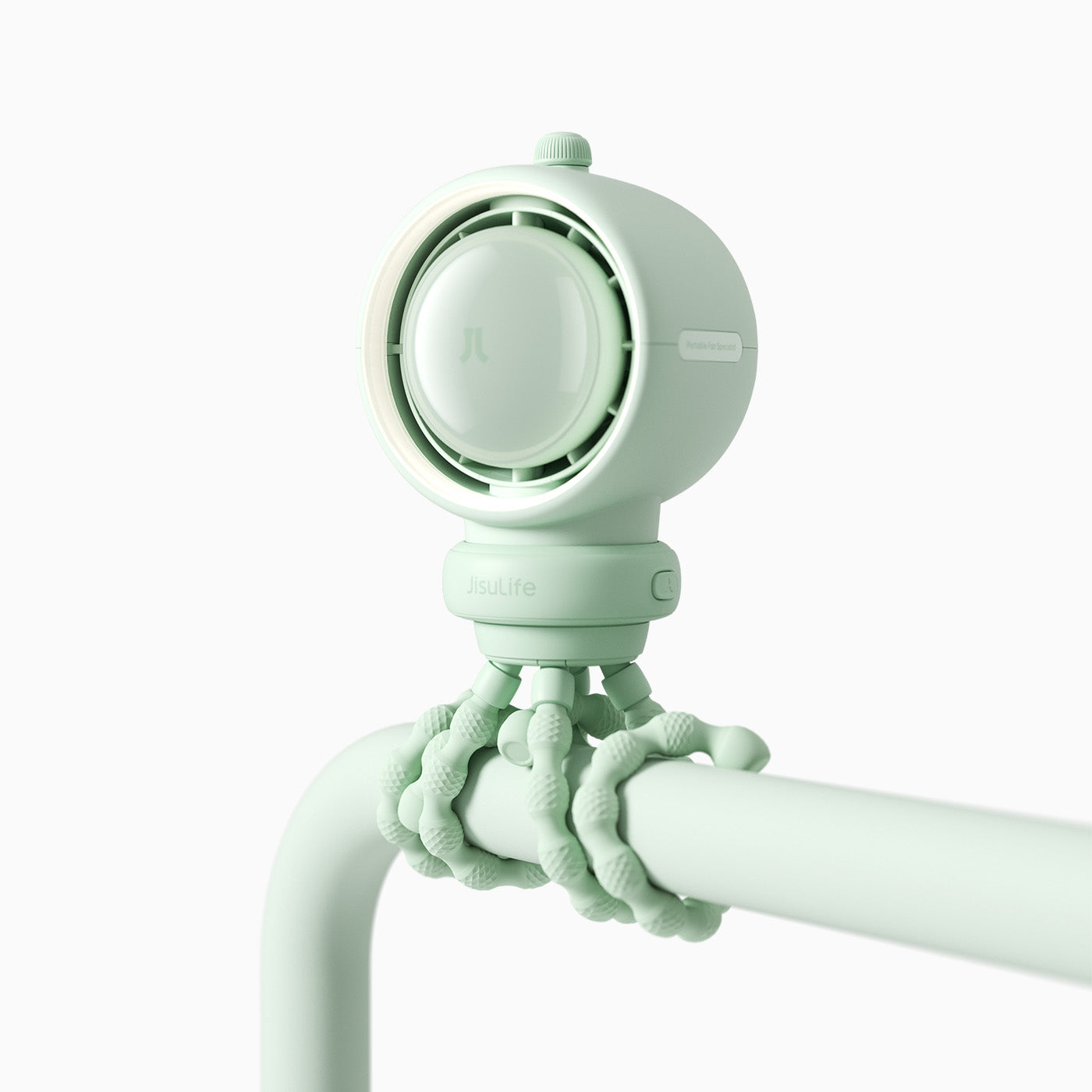
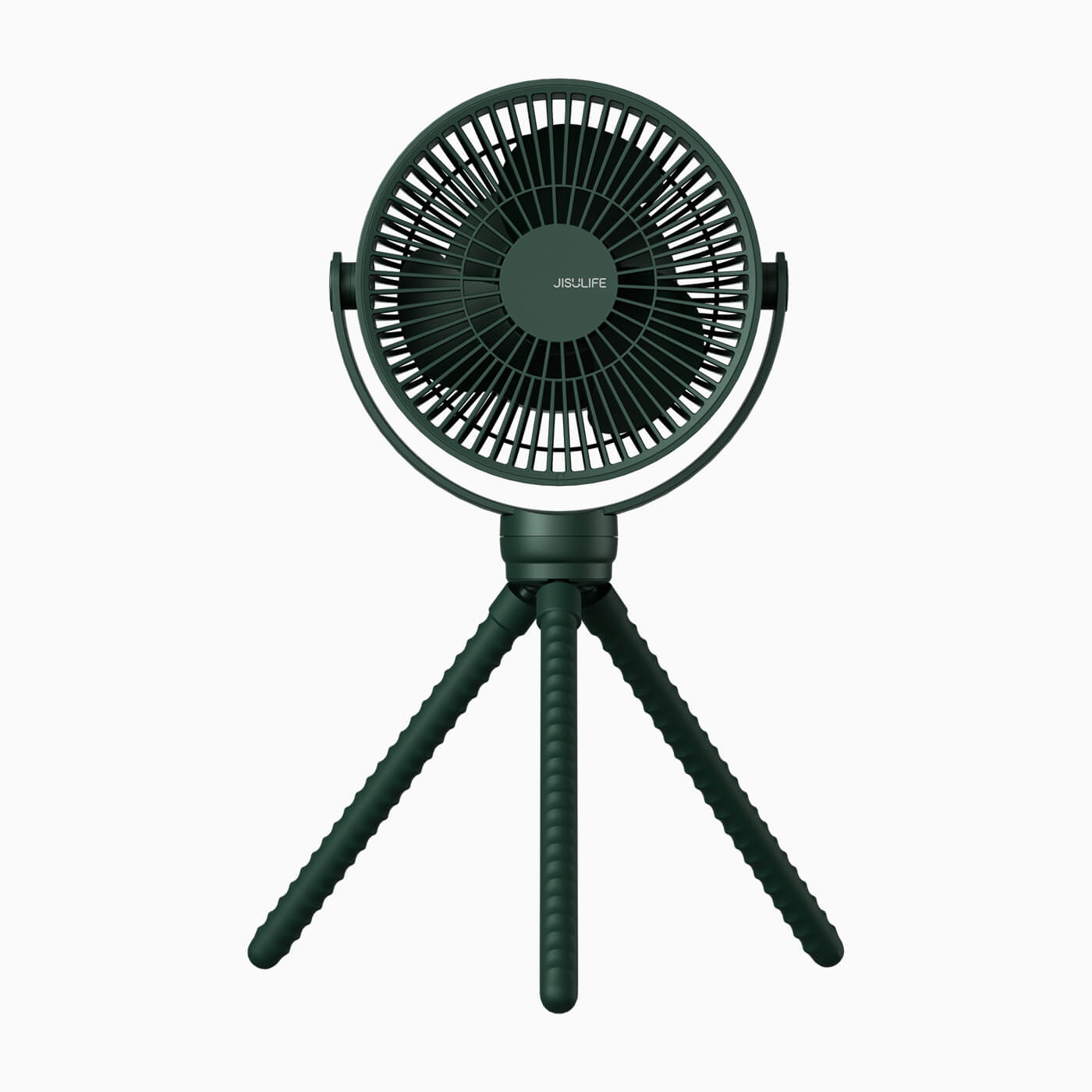
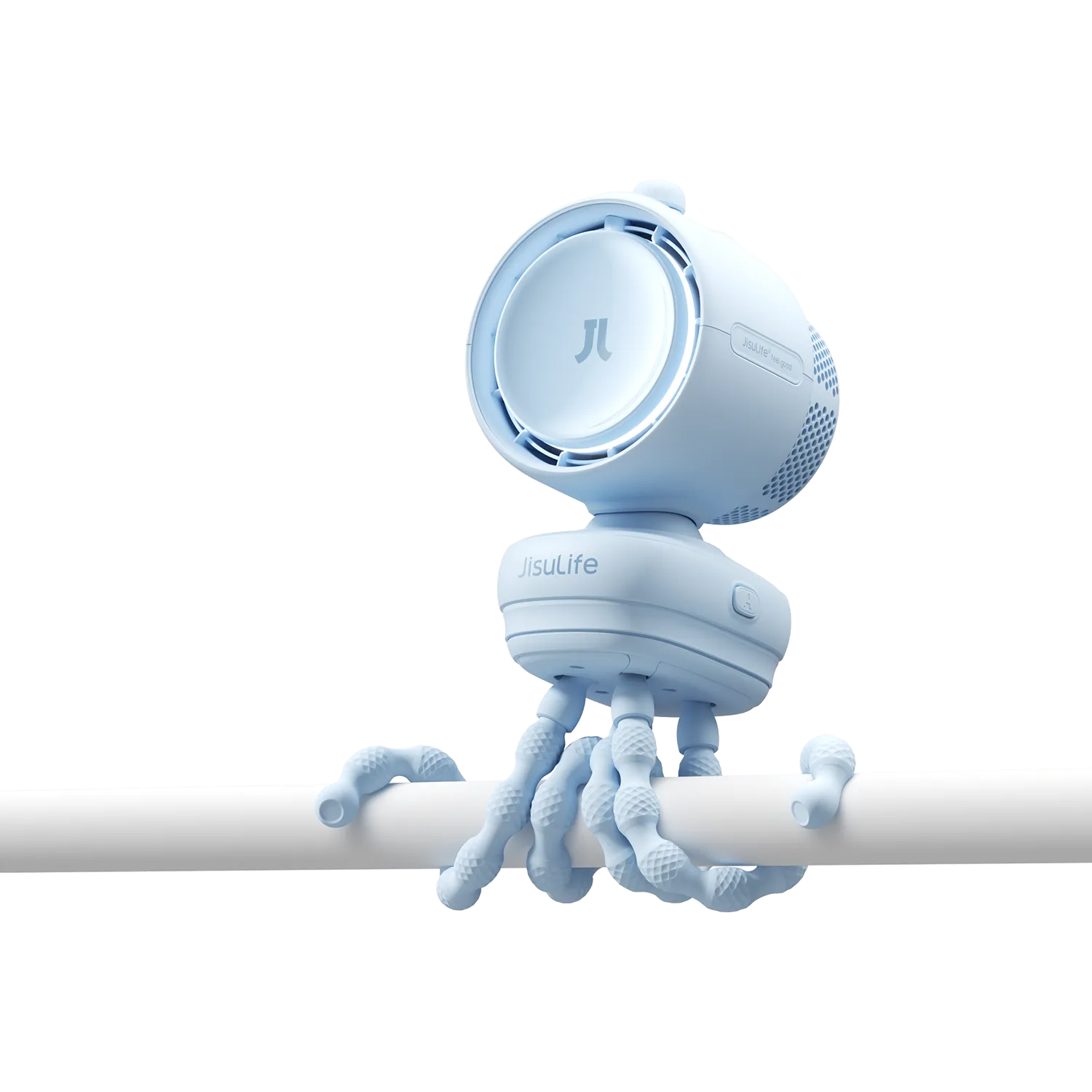
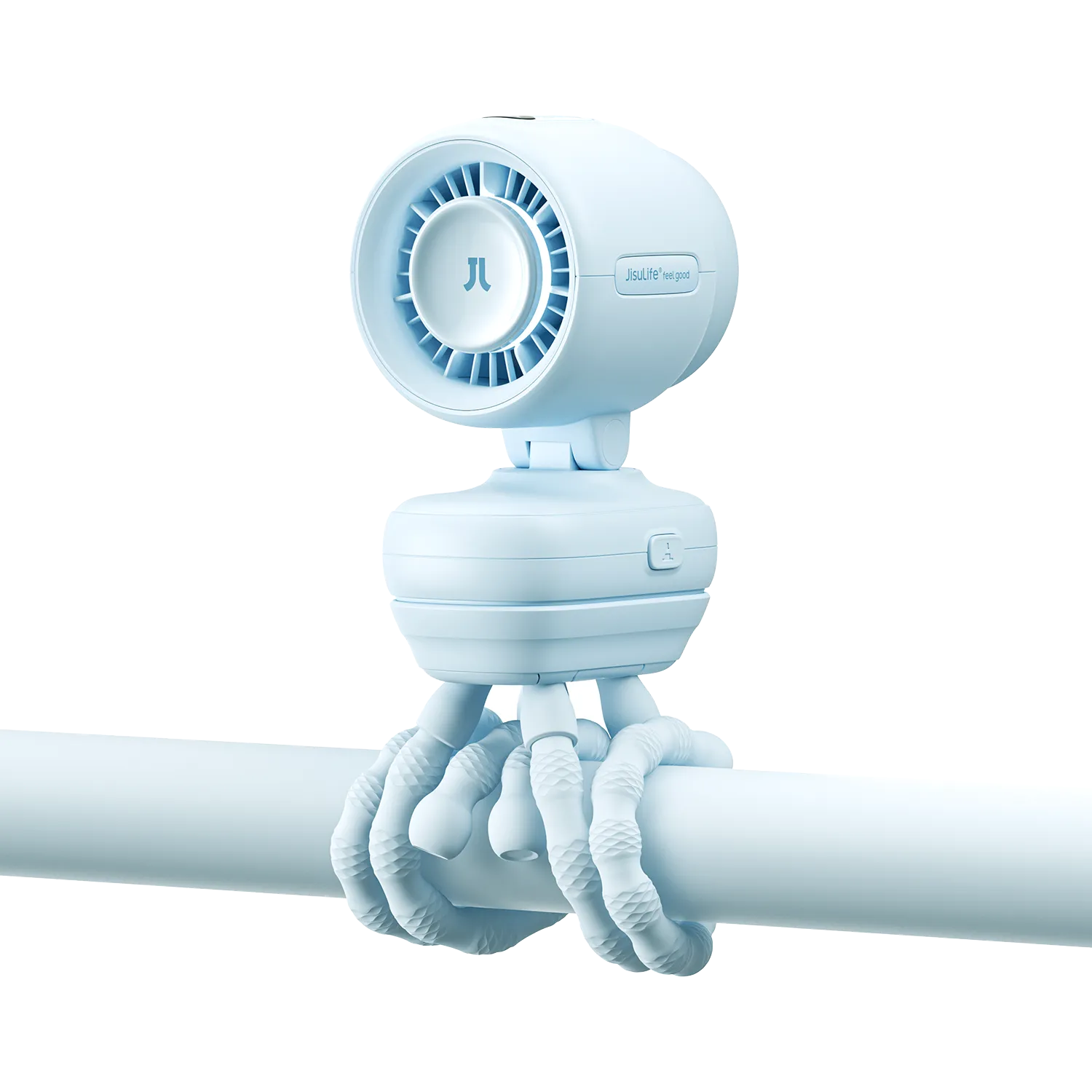
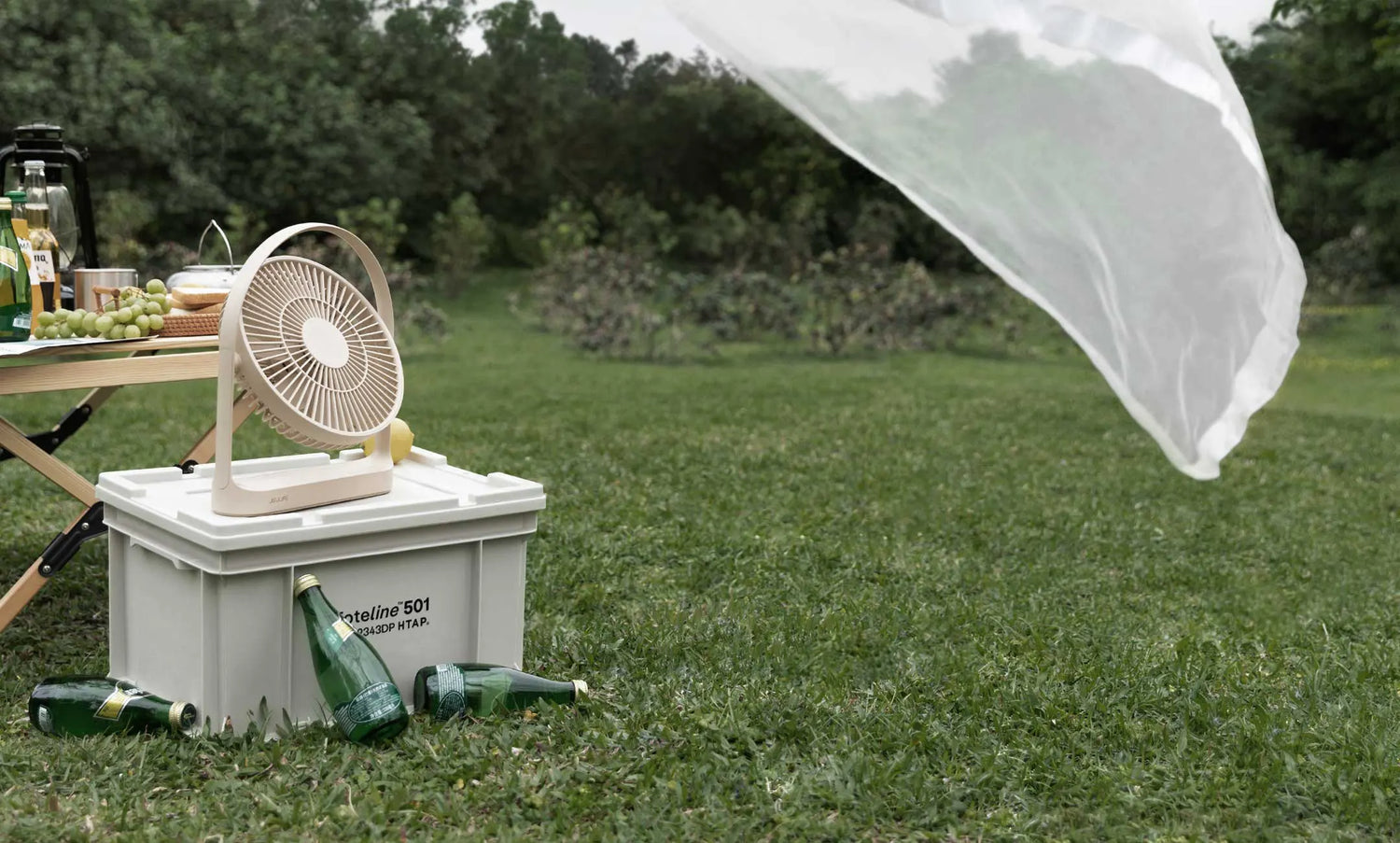
kipas berkemah portabel yang bagus dapat beroperasi dengan hening sepanjang malam tanpa memerlukan stopkontak. Banyak kipas berkemah yang dapat diisi ulang kini menawarkan waktu penggunaan 8 hingga 20 jam dalam sekali pengisian daya, lebih dari cukup untuk sebagian besar malam musim panas. Beberapa model dapat dijepitkan pada tiang tenda atau digantung pada loop langit-langit, sehingga sirkulasi udara tetap berlangsung tanpa memakan ruang di lantai.
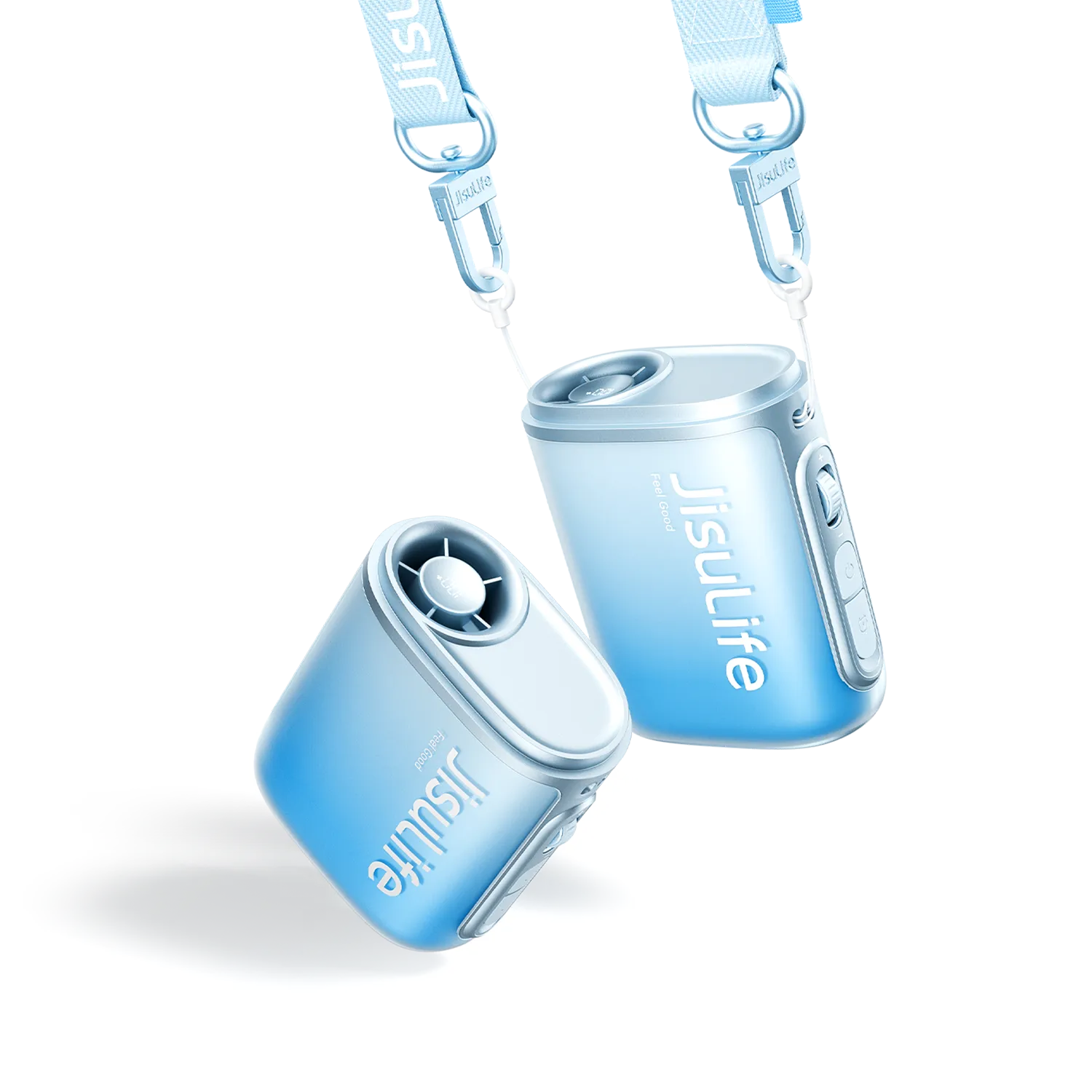
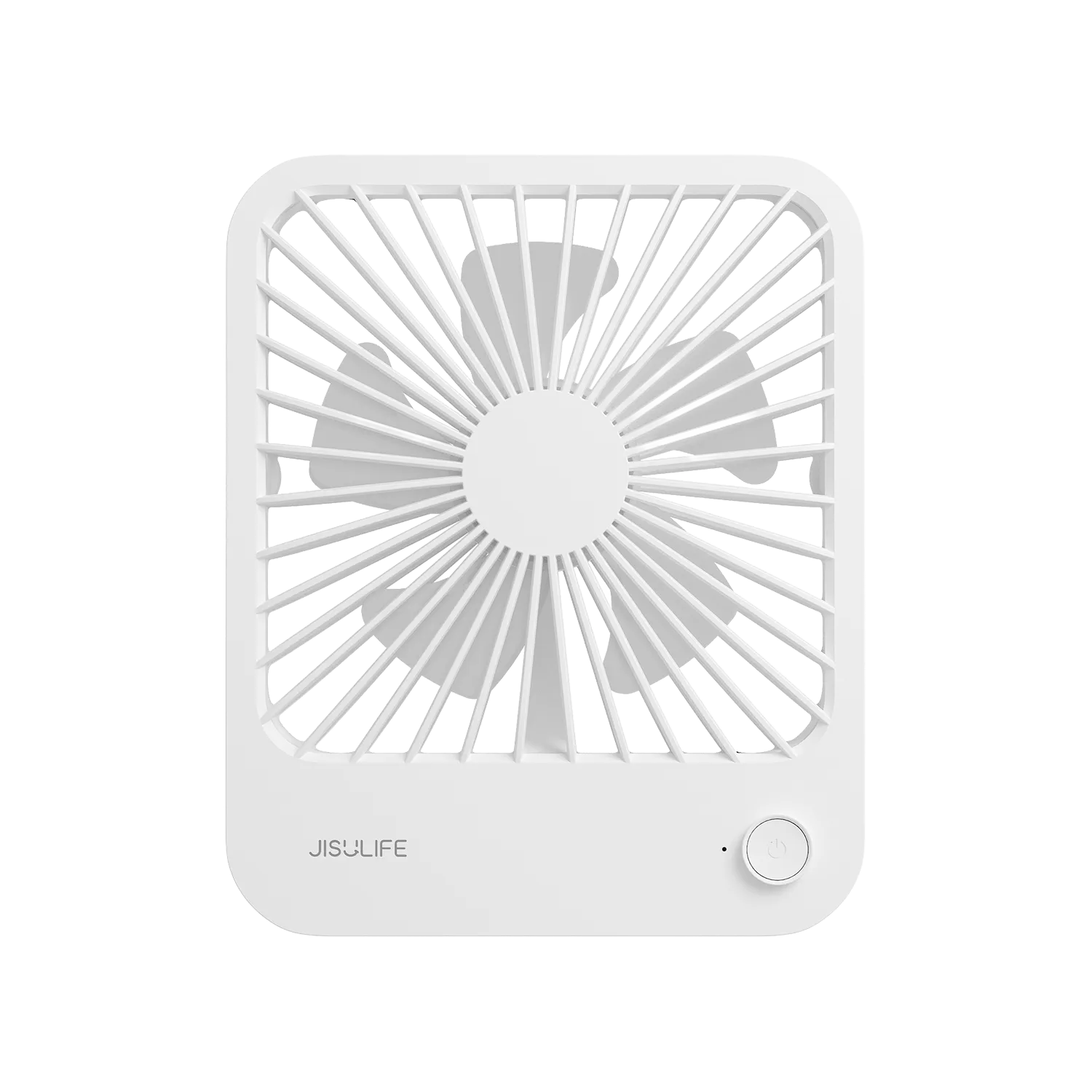
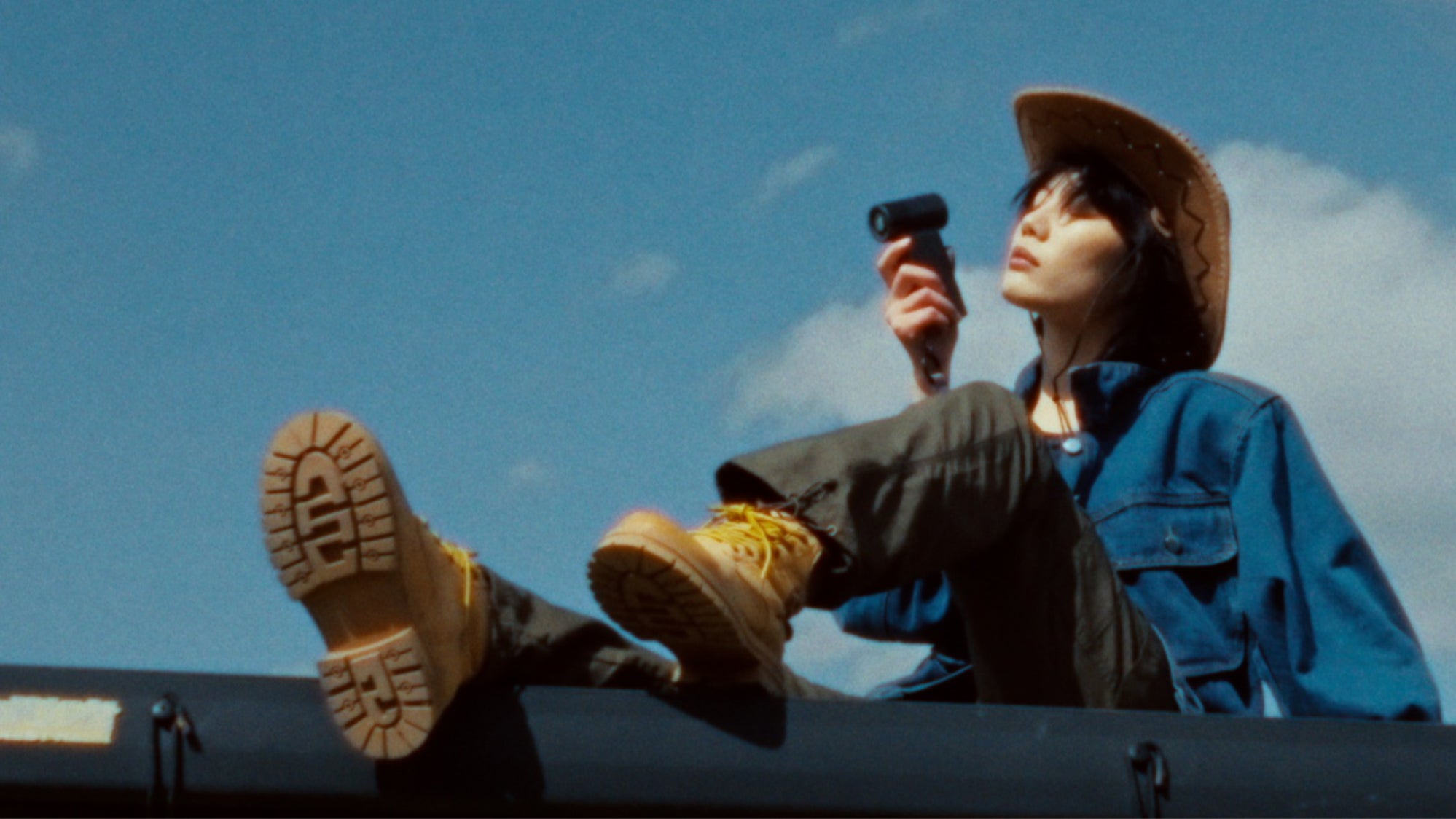
kipas genggam untuk berkemah sangat cocok digunakan pada siang hari saat Anda duduk di meja atau bersantai di kursi. Kipas ini ringan, terjangkau, dan mudah dimasukkan ke dalam tas. Sebagai contoh, Kipas Genggam JisuLife 9 hanya berbobot 5,62 oz dan dapat digunakan hingga 18 jam dalam sekali pengisian daya, sehingga sulit ditandingi dengan harga tersebut.

Tempat Menempatkan Kipas
Letakkan kipas di dekat ventilasi berjaring atau bukaan pintu tenda untuk menarik udara luar yang lebih sejuk sekaligus mendorong udara yang lebih hangat keluar. Ventilasi silang bekerja paling baik. Buka ventilasi di sisi tenda yang berseberangan, lalu posisikan kipas untuk membantu mengalirkan udara ke seluruh ruang, bukan hanya ke satu sudut.
3. Kenakan Bahan yang Ringan dan Menyerap Udara dari Kepala hingga Ujung Kaki
Pilihan pakaian memengaruhi seberapa cepat tubuh Anda kepanasan. Bahan yang berat atau berwarna gelap memerangkap panas dan membuat Anda lebih cepat merasa tidak nyaman, terutama ketika tempat berteduh terbatas.
Pilih Bahan yang Tepat
Pakaian longgar berwarna terang yang terbuat dari linen, poliester yang menyerap kelembapan, atau katun ringan memungkinkan keringat menguap. Proses inilah yang membantu tubuh mendinginkan diri. Hindari denim dan bahan yang ditenun rapat atau sintetis sehingga tidak dapat bernapas.
Jangan Lupakan Perlindungan dari Sinar Matahari
Topi bertepi lebar melindungi wajah dan leher Anda dari sinar matahari langsung sepanjang hari. Kemeja lengan panjang yang ringan dapat menghalangi sinar UV sekaligus membuat Anda lebih sejuk daripada kulit yang terpapar langsung di bawah sinar matahari, terutama pada tengah hari.
4. Sesuaikan Jadwal Harian dengan Waktu Terpanas
Mengatur waktu aktivitas dengan bijak adalah salah satu aspek yang paling sering diremehkan dalam upaya tetap sejuk saat berkemah. Matahari paling terik sekitar pukul 11.00 hingga 15.00. Memaksakan diri melakukan aktivitas berat selama waktu tersebut terasa tidak nyaman dan menguras tenaga.
Beristirahatlah pada Siang Hari
Waktu sekitar tengah hari adalah saat yang tepat untuk berteduh, menikmati minuman dingin, dan mengurangi aktivitas. Banyak pekemah berpengalaman menganggap bagian hari yang paling panas seperti waktu istirahat siang. Tempuh jarak pada pagi hari, beristirahat saat matahari berada di puncak, lalu lanjutkan aktivitas pada sore hari ketika udara mulai sejuk.
Rencanakan Aktivitas pada Pagi dan Sore Hari
Mendaki di pagi hari dan berkayak jauh lebih menyenangkan sebelum suhu meningkat. Waktu menikmati api unggun pada malam hari juga menjadi jauh lebih nyaman setelah matahari terbenam. Menggeser jadwal hanya satu atau dua jam saja dapat membuat perbedaan yang terasa pada kondisi Anda di penghujung hari.
5. Jaga Air Tetap Dingin dan Minumlah Lebih Banyak dari yang Terasa Perlu
Hidrasi dan pengelolaan panas sangat berkaitan erat. Saat berkemah dalam cuaca panas, tubuh kehilangan air jauh lebih cepat daripada saat berada di rumah dalam ruangan yang sejuk.
Botol berinsulasi baik atau pendingin berkualitas yang diisi es dapat menjaga minuman tetap dingin selama berjam-jam. Air dingin membantu menurunkan suhu inti tubuh dari dalam. Bawalah juga bubuk elektrolit, karena banyak berkeringat menguras lebih dari sekadar air.
Usahakan minum sebelum merasa haus. Rasa haus merupakan sinyal yang terlambat, dan saat menyadarinya, Anda mungkin sudah mengalami sedikit dehidrasi.
6. Atur Area Tidur Anda agar Malam Lebih Sejuk
Tidur nyenyak di malam yang panas sering kali menjadi bagian tersulit dari berkemah di musim panas. Beberapa penyesuaian yang tepat pada perlengkapan tidur Anda dapat membuat malam terasa jauh lebih nyaman.
Pilih Perlengkapan Tidur yang Lebih Ringan
Jangan gunakan kantong tidur musim dingin. Kantong tidur ringan yang dirancang untuk suhu lebih hangat, atau bahkan hanya lapisan katun tipis, jauh lebih sesuai. Beberapa orang yang berkemah tidur di atas kantong tidurnya, bukan di dalamnya, saat suhu tetap tinggi sepanjang malam.
Ventilasikan Tenda dengan Benar
Buka ritsleting semua panel jaring sebelum tidur dan lepaskan flysheet jika cuaca memungkinkan. Satu langkah ini dapat menurunkan suhu di dalam tenda beberapa derajat. Menyalakan kipas berkemah isi ulang dengan kecepatan rendah sepanjang malam menambah kenyamanan tanpa banyak suara atau kerepotan.
7. Gunakan Struktur Peneduh untuk Memperluas Zona Kenyamanan di Luar Ruangan
Naungan alami di lokasi perkemahan adalah titik awal, tetapi menambahkan tarp atau kanopi portabel memberi Anda kendali nyata atas area luar ruangan tempat Anda beraktivitas.
Tarp ringan, murah, dan mudah dipasang di antara pepohonan atau tongkat trekking. Tarp menghalangi sinar matahari langsung sekaligus tetap memungkinkan udara mengalir di bawahnya. Tarp yang ditempatkan dengan baik di atas tenda juga dapat mencegah kain tenda menyerap panas sepanjang hari, sehingga bagian dalamnya tetap lebih sejuk saat malam tiba. Langkah kecil dalam persiapan ini mudah dilewatkan dan akan sangat Anda hargai setelah matahari sore mulai terik.
8. Dinginkan Tubuh Secara Langsung Saat Panas Terasa Tak Tertahankan
Terkadang cara yang paling praktis adalah mendinginkan tubuh dengan cepat, bukan hanya udaranya. Beberapa metode yang ditargetkan bekerja lebih cepat daripada yang diperkirakan kebanyakan orang.
Pendinginan Pergelangan Tangan dan Leher
Air dingin pada pergelangan tangan, leher, dan bagian dalam lengan bekerja cepat karena pembuluh darah utama berada dekat dengan kulit di area tersebut. Bandana dingin dan basah yang dililitkan di leher memberikan rasa lega yang nyata selama beberapa menit. Persiapannya hampir tidak memerlukan apa pun dan dapat diulangi sesering yang diperlukan sepanjang hari.
Coba Kipas Leher Saat Berkeliling di Perkemahan
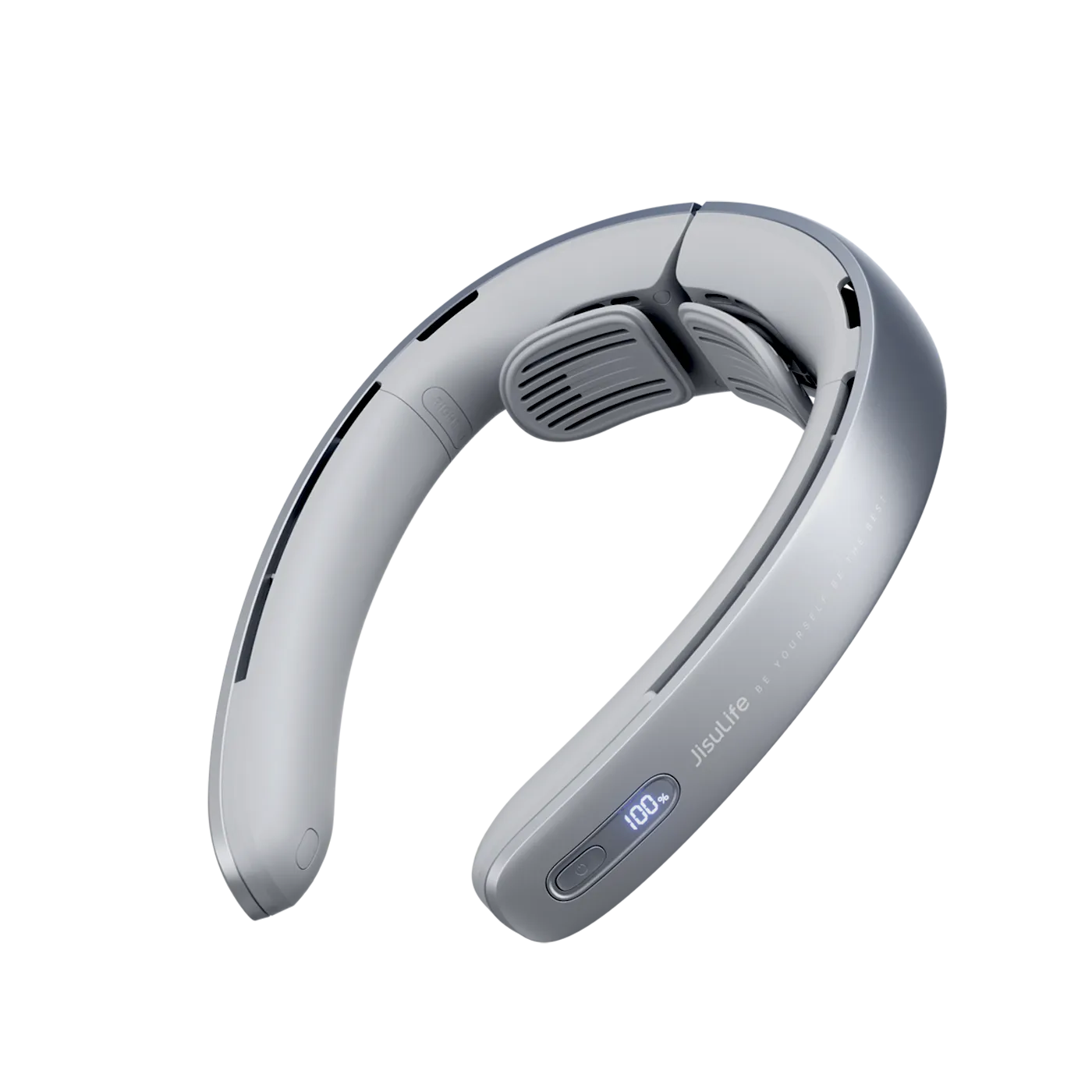
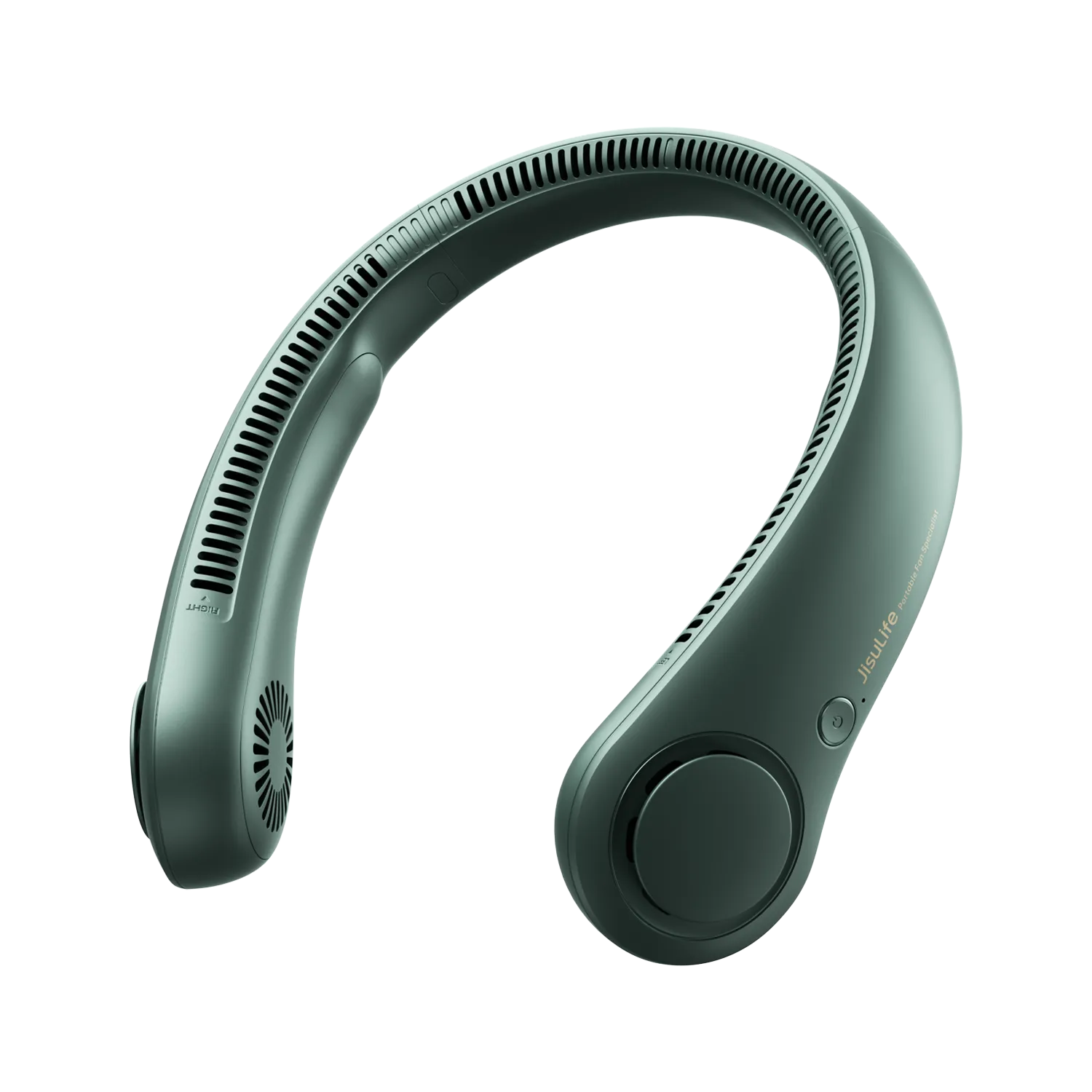
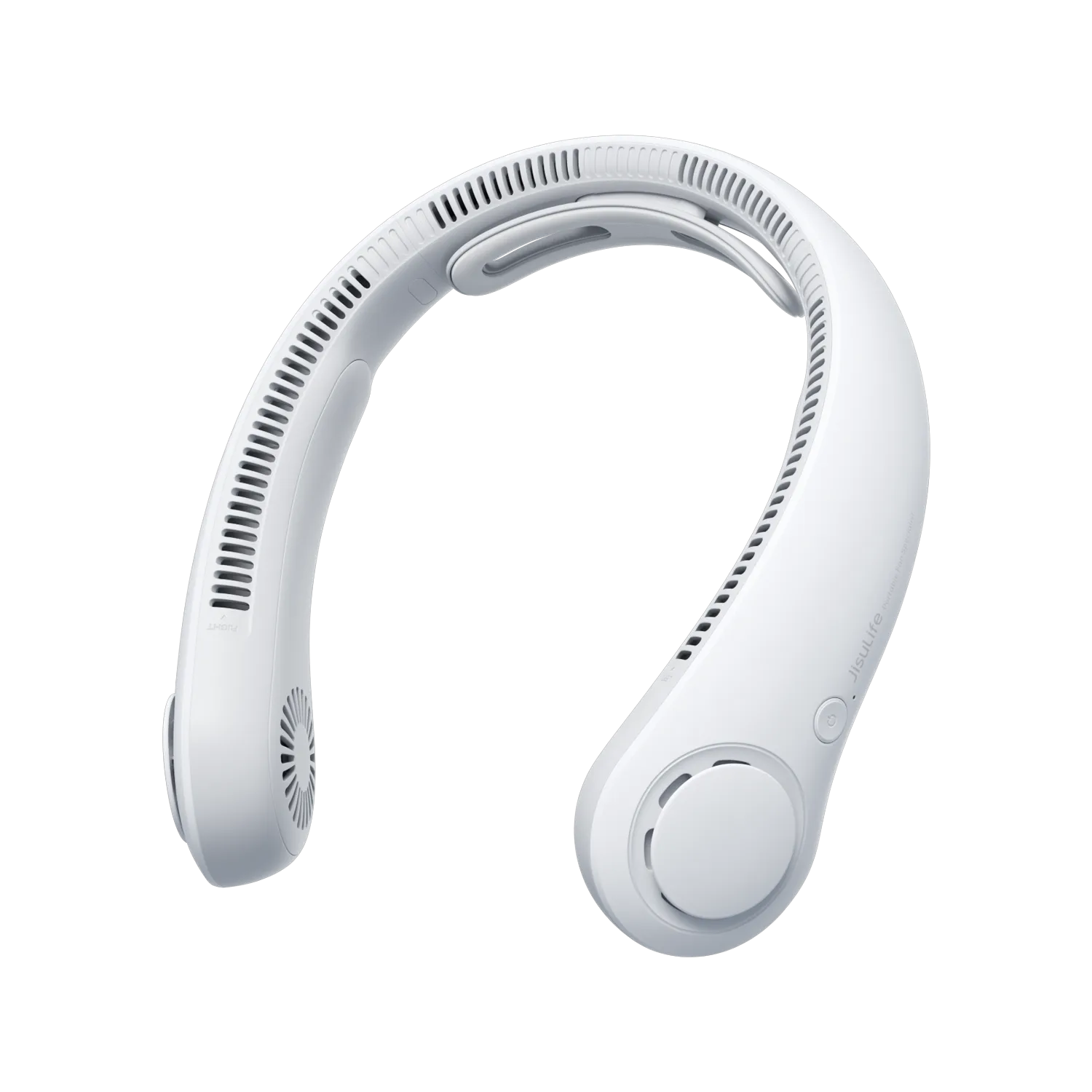
kipas leher terbaik untuk berkemah mengarahkan aliran udara ke leher dan wajah Anda tanpa perlu dipegang, sehingga praktis saat memasak, menyiapkan perlengkapan, atau berjalan di antara lokasi perkemahan. Kipas leher ikut bergerak bersama Anda, tidak seperti kipas yang tidak berpindah tempat. Hal ini menjadikannya salah satu alat pendingin pribadi yang paling serbaguna untuk digunakan di luar ruangan. Kipas Leher JisuLife 5 adalah contoh yang baik, dengan bobot hanya 6,2 oz, daya tahan baterai hingga 16 jam, dan 100 tingkat kecepatan untuk menyesuaikan dengan suhu apa pun.
Sekilas tentang Pilihan Pendinginan Pribadi
| Metode pendinginan | Terbaik untuk | Portabilitas | Tanpa perlu memegang |
|---|---|---|---|
| Kipas berkemah portabel | Tenda dan lokasi perkemahan | Sedang | Ya |
| Kipas berkemah isi ulang | Penggunaan semalaman | Tinggi | Ya |
| Kipas genggam untuk berkemah | Bersantai di siang hari | Sangat Tinggi | Tidak |
| Kipas leher | Berkeliling di perkemahan | Sangat Tinggi | Ya |
| Bandana dingin dan basah | Pendinginan instan | Sangat Tinggi | Ya |
Rencanakan dari Awal dan Jadikan Setiap Perjalanan dalam Cuaca Panas Berarti
Berkemah di musim panas saat cuaca terik benar-benar menyenangkan dengan persiapan yang tepat. Pilih lokasi perkemahan dengan bijak, bawa kipas kemah portabel, jadwalkan aktivitas Anda di luar waktu terpanas, dan jaga tubuh tetap terhidrasi. Penyesuaian kecil dapat memberikan dampak besar dengan cepat. Sedikit persiapan sebelum berangkat dapat membedakan antara perjalanan yang menguras tenaga dan perjalanan yang menyenangkan. Jika Anda sedang mempersiapkan perlengkapan, kipas genggam dan kipas leher JisuLife dibuat khusus untuk menghadapi panas seperti ini.
Pertanyaan yang Sering Diajukan
Q1: Apa Cara Paling Efektif untuk Tetap Sejuk Saat Berkemah dalam Cuaca yang Sangat Panas?
Menggabungkan beberapa strategi biasanya memberikan hasil terbaik. Tidak ada satu metode yang cukup untuk mengatasi panas ekstrem, tetapi menggunakan tempat teduh, menyalakan kipas kemah isi ulang sepanjang malam, menjaga tubuh tetap dingin dan terhidrasi, serta menjadwalkan waktu istirahat selama jam-jam terpanas secara bersama-sama dapat memberikan perbedaan yang nyata. Lokasi perkemahan adalah hal yang paling penting dan harus menjadi keputusan pertama yang Anda buat.
Q2: Apakah Kipas Kemah Isi Ulang Layak Dibawa Bepergian?
Ya, kipas tersebut layak dibawa oleh sebagian besar orang yang berkemah pada musim panas. Kipas kemah isi ulang menyediakan aliran udara yang tenang selama berjam-jam tanpa memerlukan stopkontak, dan banyak model yang cukup ringkas untuk dibawa dengan mudah. Kipas ini sangat berguna pada malam hari ketika aliran udara alami di dalam tenda tertutup sangat sedikit.
Q3: Apa Kipas Leher Terbaik untuk Berkemah?
Carilah kipas yang ringan, senyap, dan memiliki daya tahan baterai setidaknya 8 jam per pengisian daya. Kipas leher terbaik untuk berkemah terasa nyaman saat dikalungkan tanpa menyebabkan lecet, mengarahkan aliran udara ke wajah dan leher, serta dilengkapi pengaturan kecepatan yang dapat disesuaikan agar Anda dapat mengatur kenyamanan seiring perubahan suhu sepanjang hari. Kipas Leher JisuLife 5 memenuhi semua kriteria ini, dengan 100 tingkat kecepatan dan waktu penggunaan hingga 16 jam, dengan bobot hanya 6,2 oz.
Q4: Apakah Kipas Genggam Dapat Digunakan Secara Efektif untuk Berkemah?
Ya, kipas genggam untuk berkemah merupakan pilihan yang praktis dan terjangkau. Kipas ini bekerja dengan baik saat duduk, memasak, atau bersantai di meja piknik pada siang hari. Kipas Genggam JisuLife 9 adalah pilihan yang andal dengan bobot hanya 5,62 oz dan waktu penggunaan hingga 18 jam. Untuk penggunaan lebih lama tanpa perlu memegangnya, kipas jepit atau kipas model kalung lebih praktis dan sama-sama mudah dibawa.
Q5: Bagaimana Cara Menjaga Tenda Tetap Sejuk Saat Hari-Hari Musim Panas yang Terik?
Jaga tenda tetap berada di tempat teduh sebisa mungkin, dan gunakan terpal di atasnya untuk menghalangi sinar matahari langsung. Buka penuh semua ventilasi berbahan jaring dan lepaskan flysheet saat cuaca memungkinkan. Kipas kemah portabel yang ditempatkan di dekat bukaan membantu mengalirkan udara ke seluruh bagian dalam tenda. Hindari meninggalkan perlengkapan berwarna gelap di dalam, karena perlengkapan tersebut menyerap dan memancarkan kembali panas ke dalam ruang.


Tinggalkan komentar
Semua komentar dimoderasi sebelum dipublikasikan.
Situs ini dilindungi oleh hCaptcha dan berlaku Kebijakan Privasi serta Ketentuan Layanan hCaptcha.