

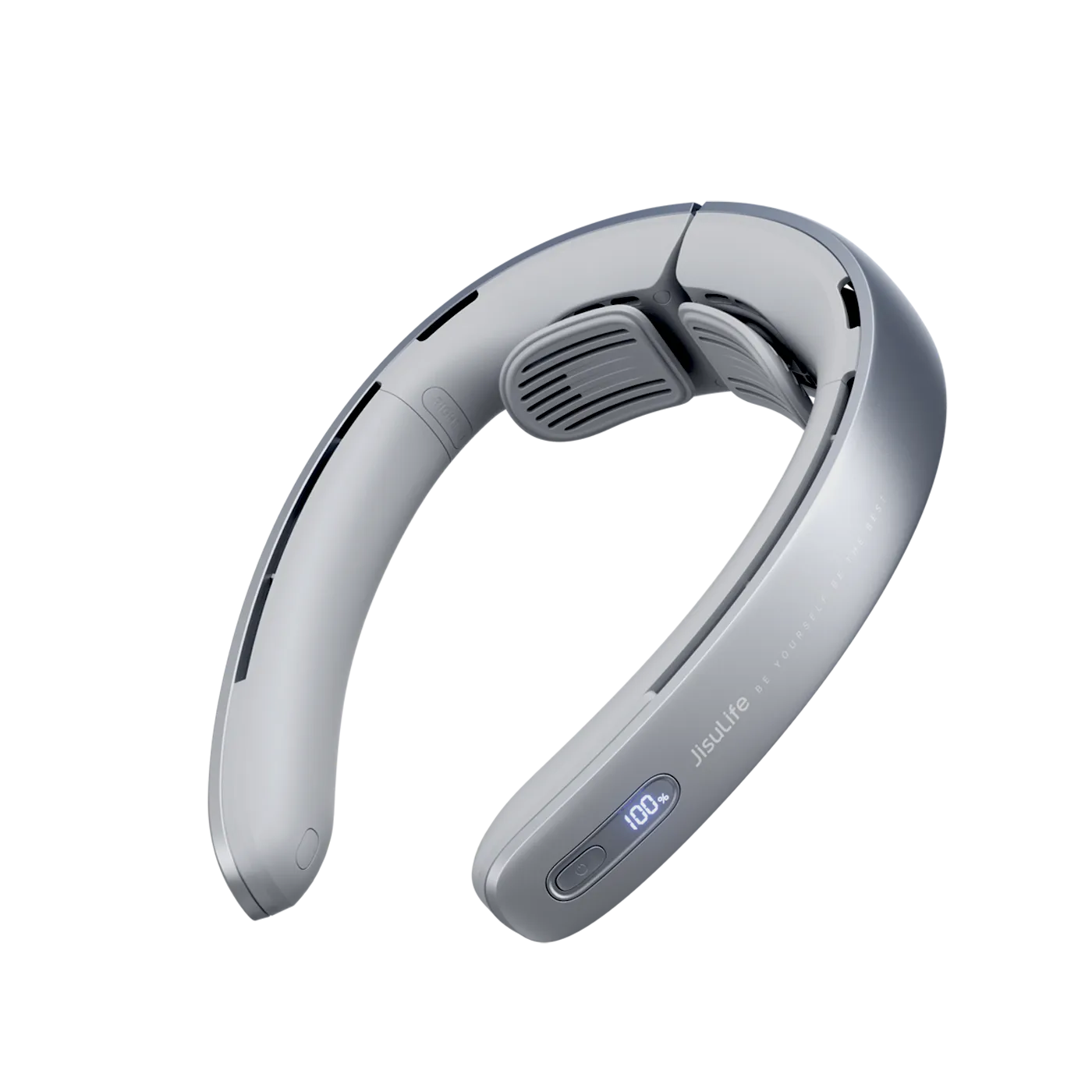
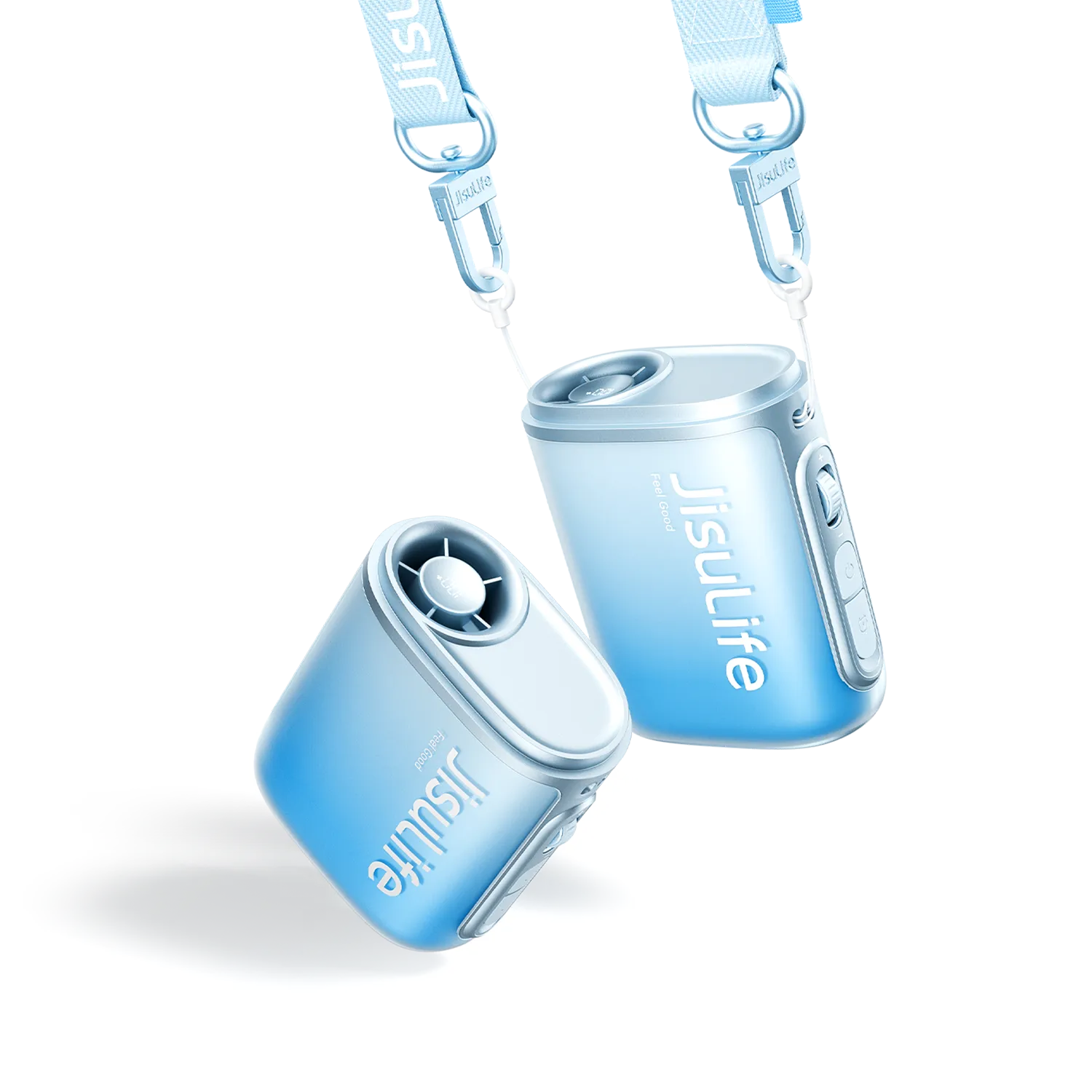
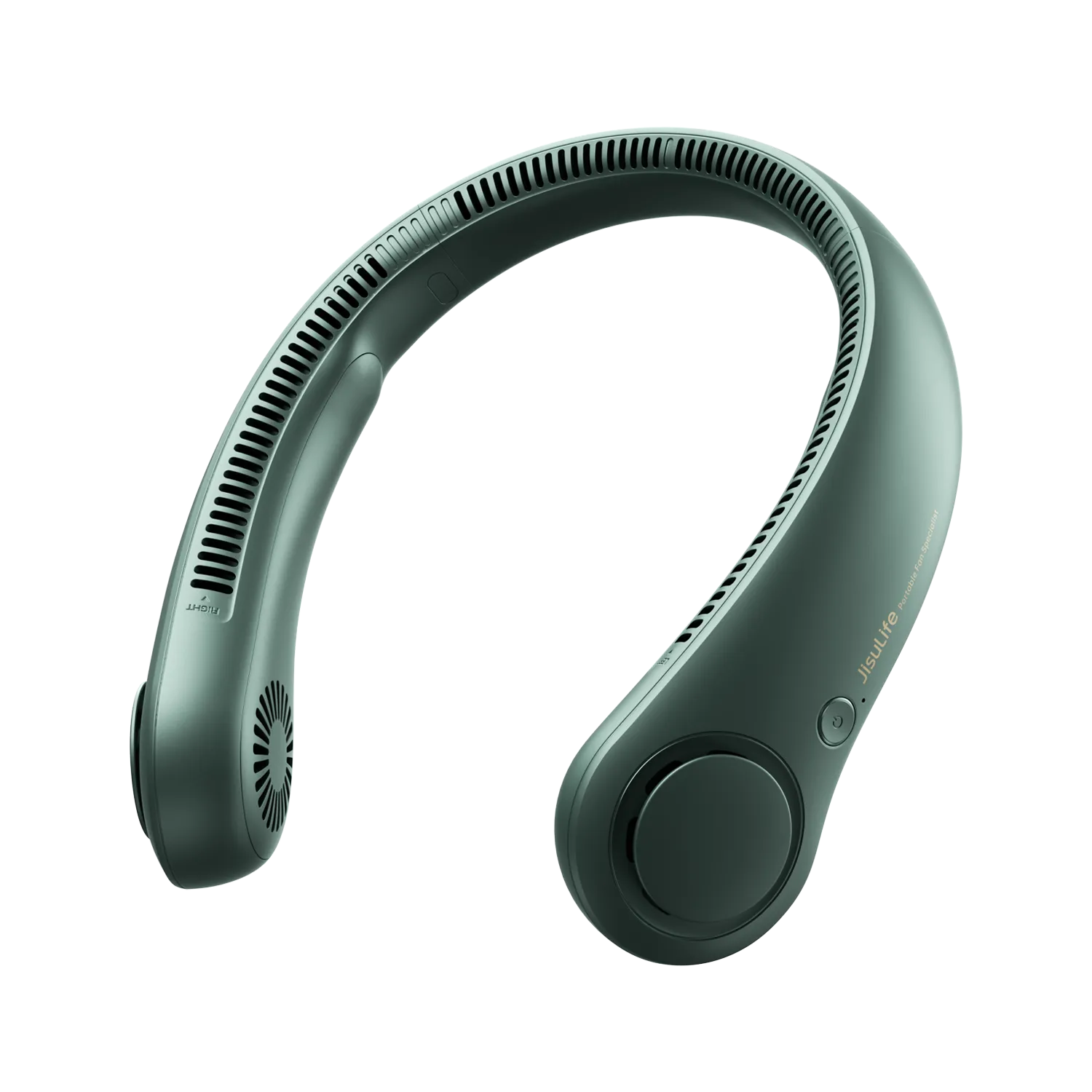
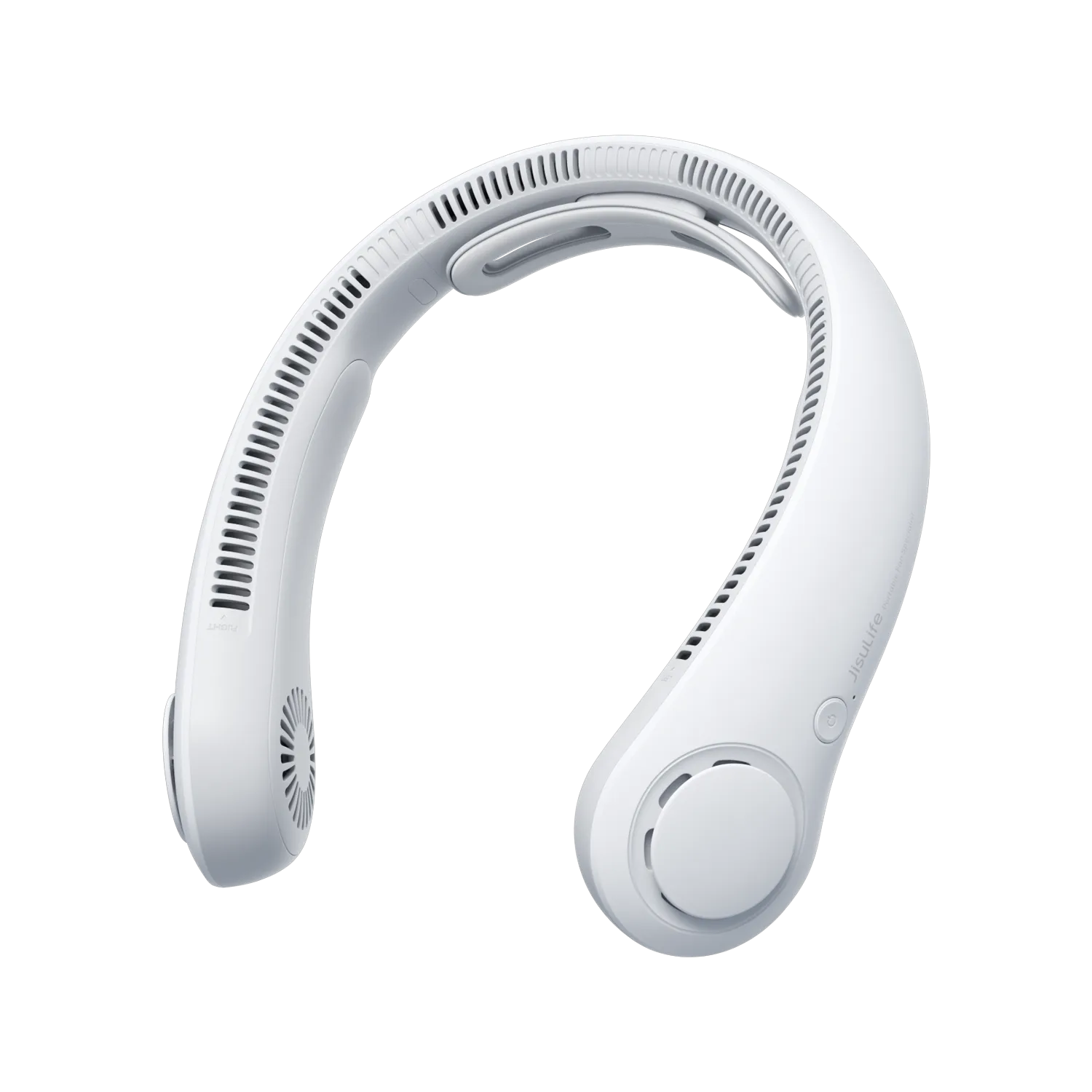
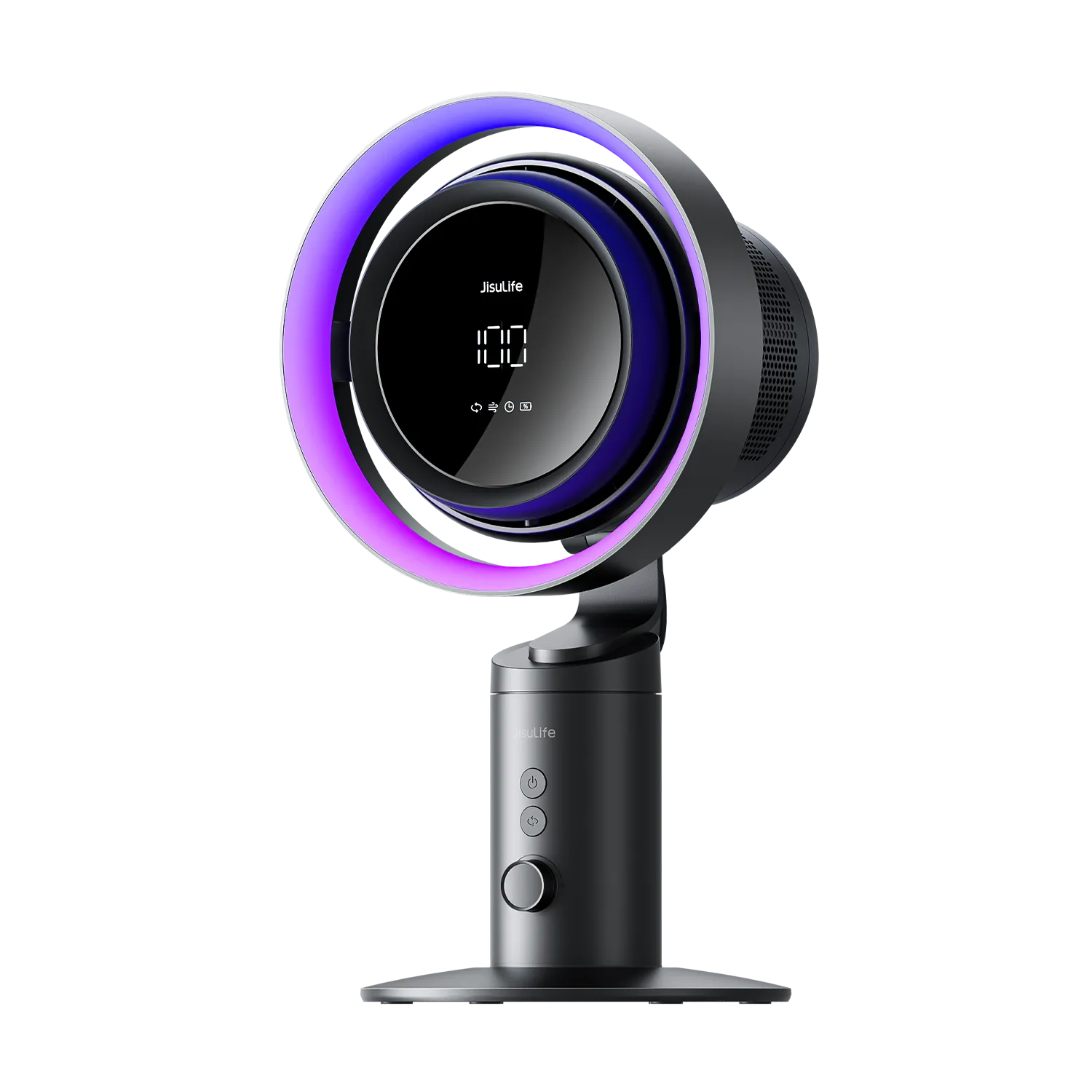
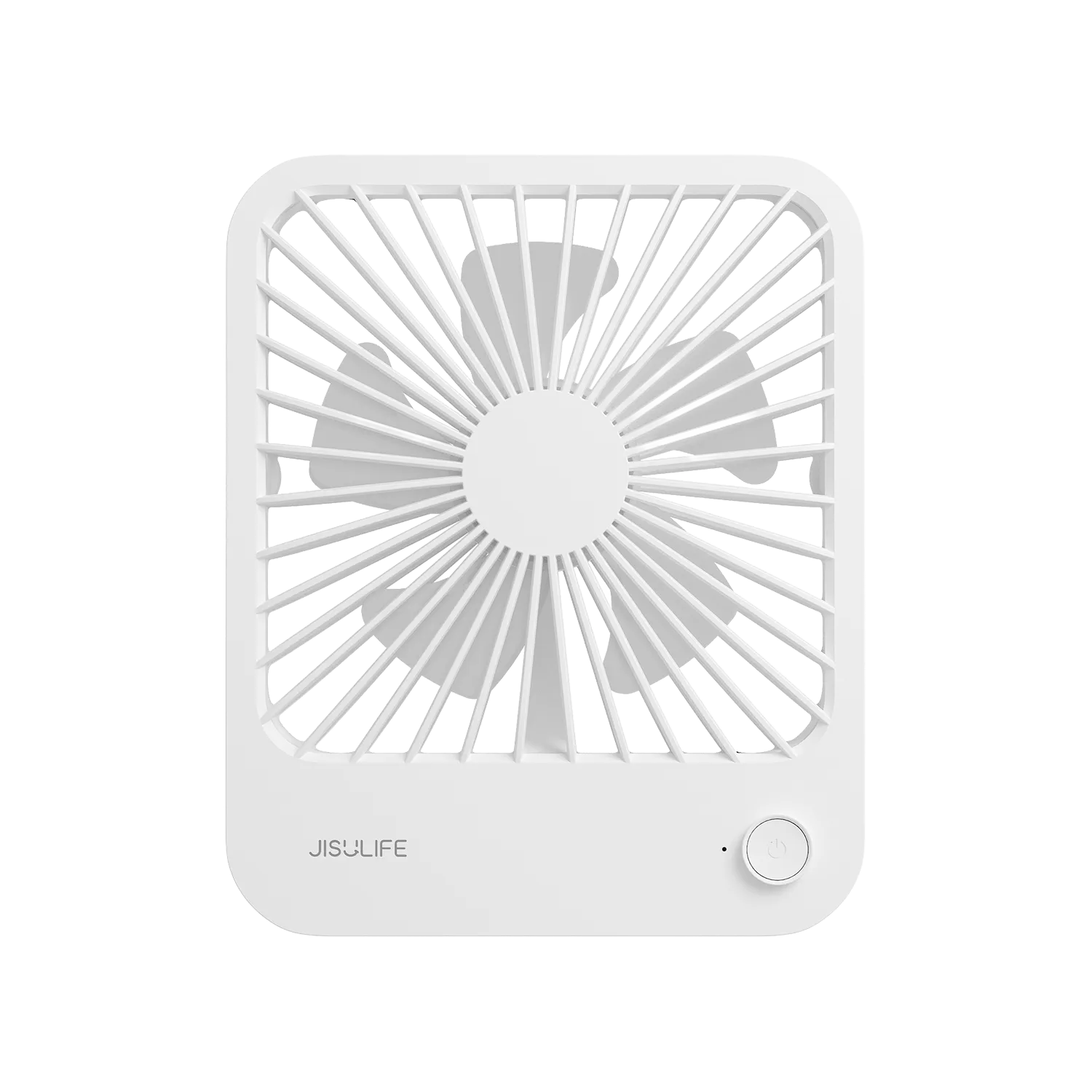
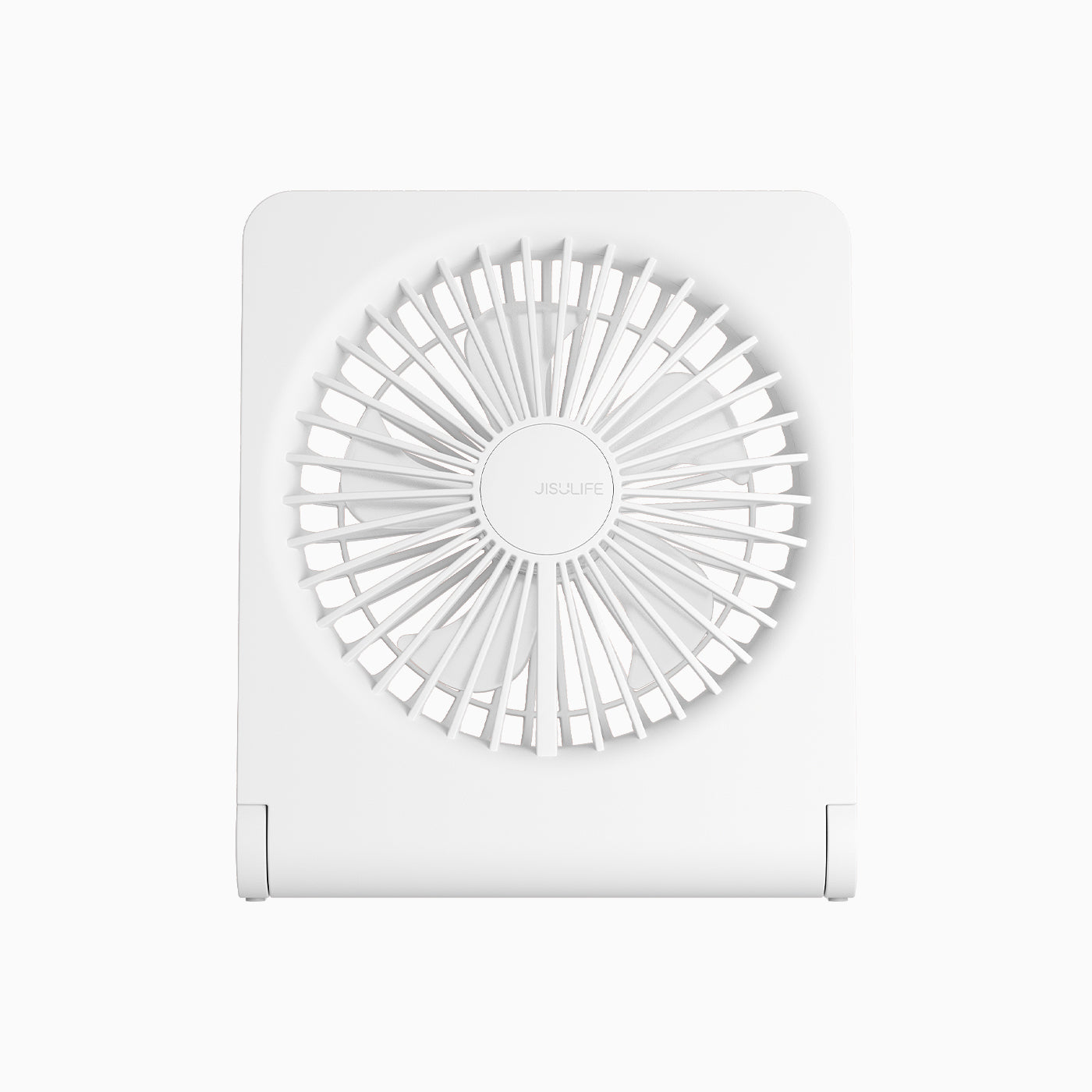

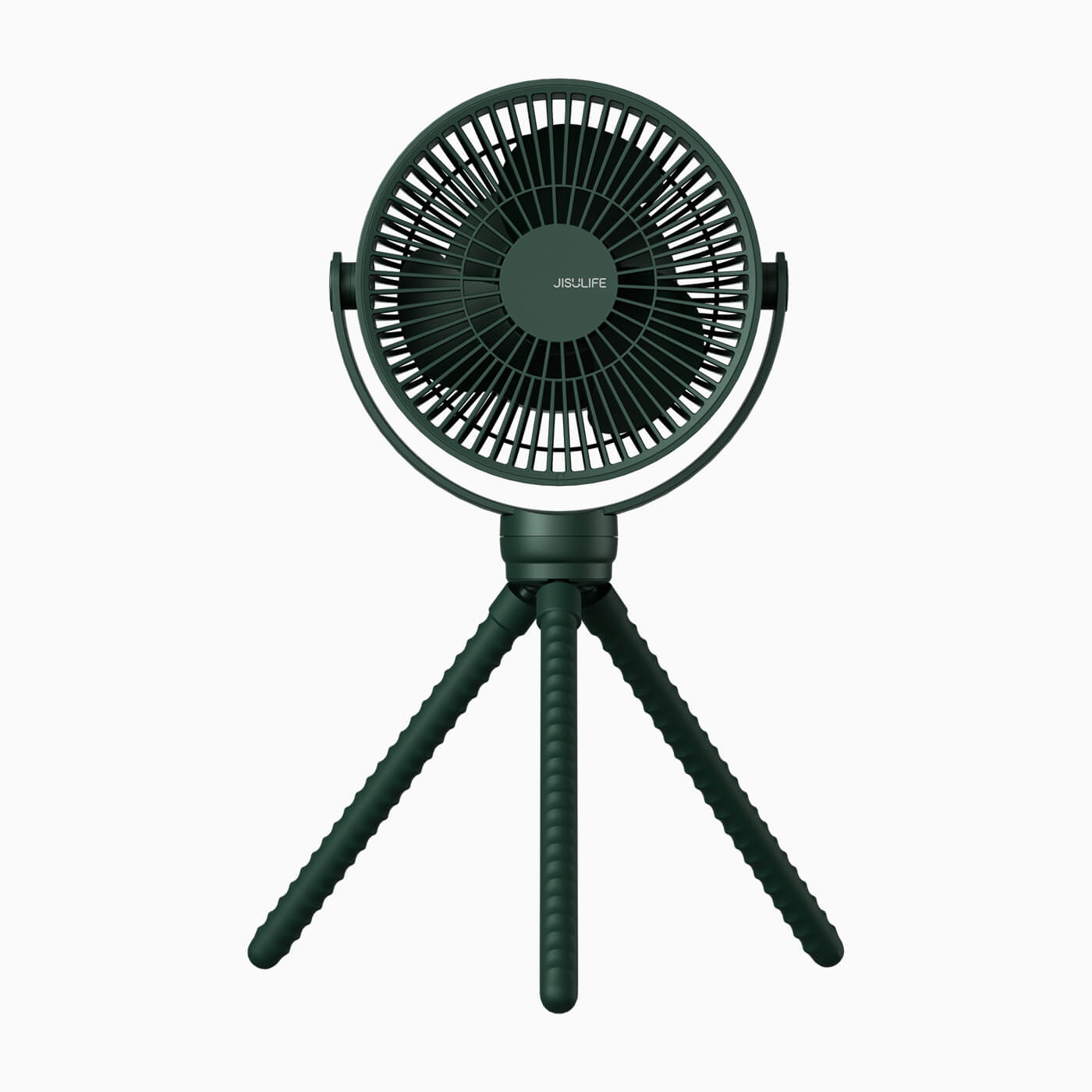
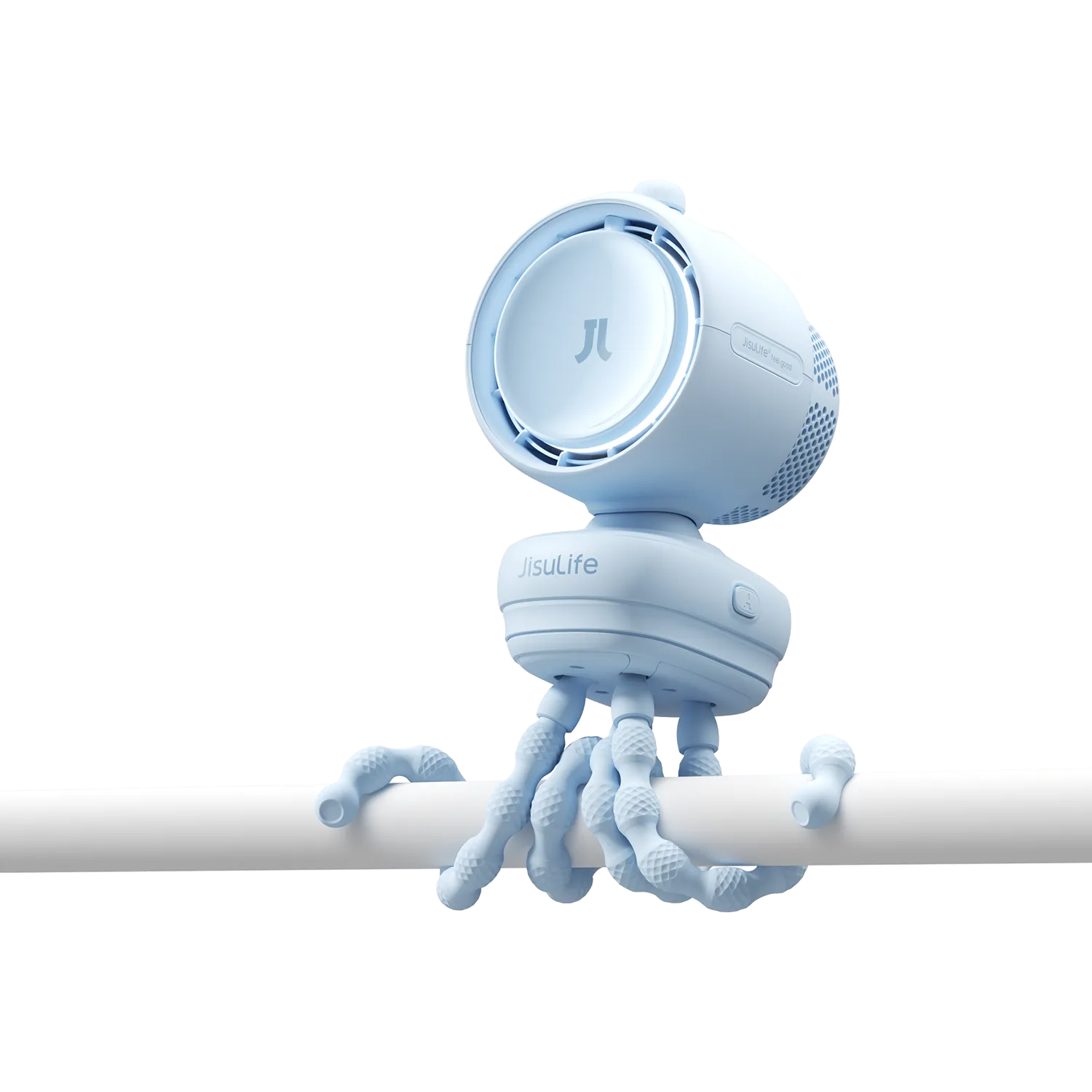
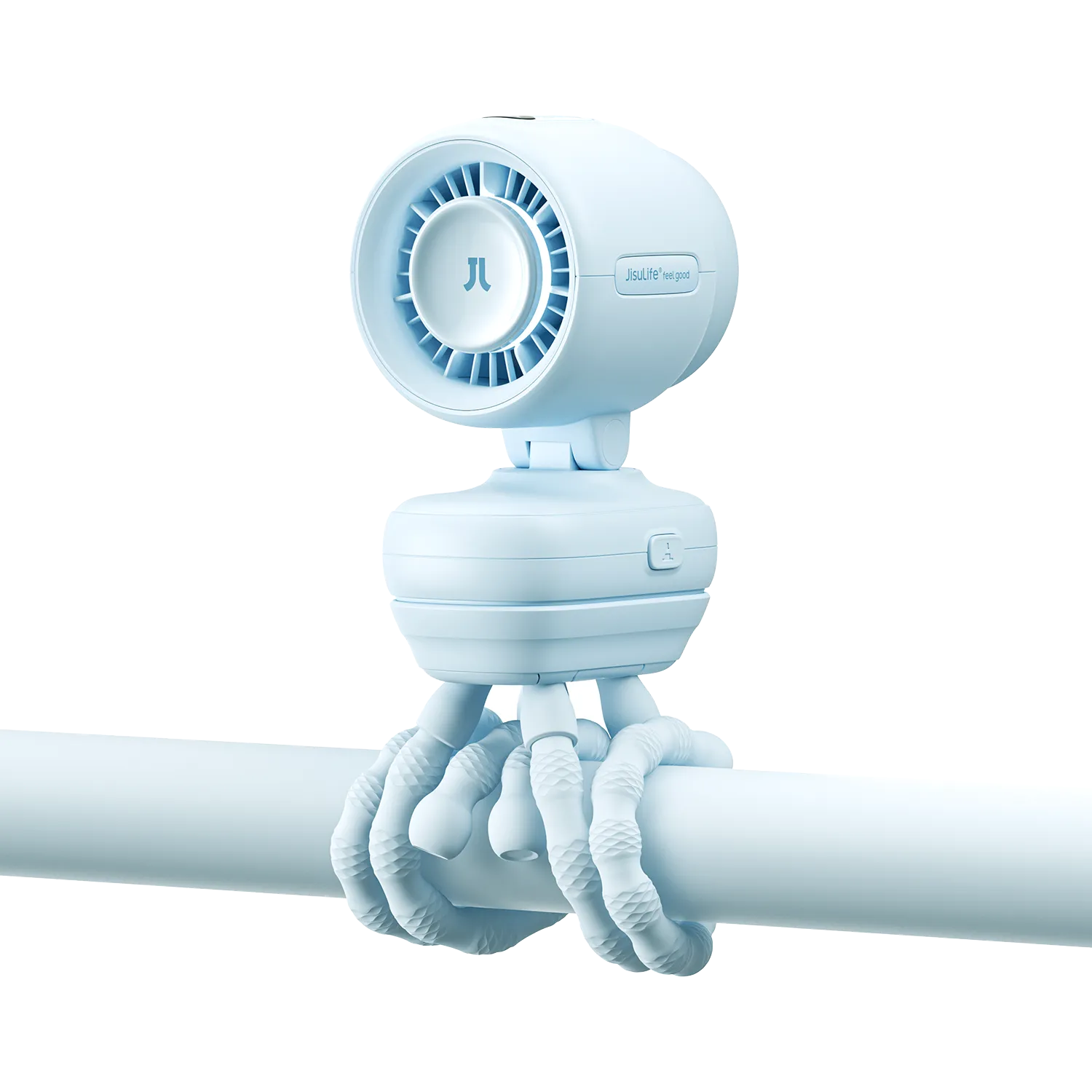
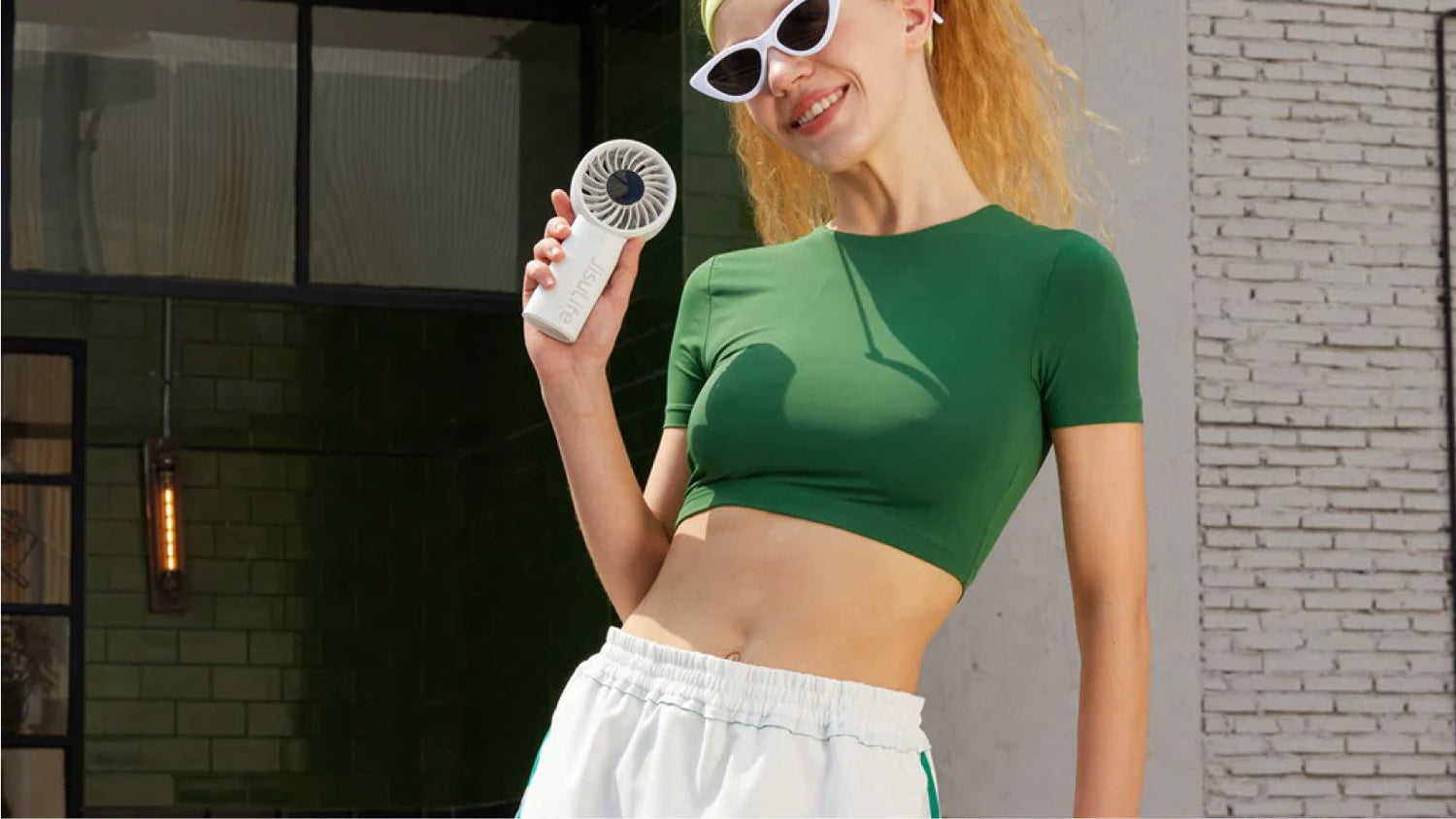
Spesifikasi lebih penting daripada harga saat Anda membeli kipas isi ulang. Model berbiaya rendah sering gagal setelah beberapa bulan penggunaan nyata, sementara yang dibuat dengan komponen lebih baik memberikan pendinginan konsisten selama bertahun-tahun. Fokuskan terlebih dahulu pada jenis motor, keseimbangan baterai, pengiriman aliran udara, tingkat kebisingan, dan kemudahan pengisian untuk menyesuaikan dengan kebutuhan harian Anda.
Memilih Kipas Isi Ulang yang Andal Membutuhkan Lebih dari Sekadar Perbandingan Harga Cepat
Banyak pembeli memilih opsi dengan harga terendah dan kemudian menyesal ketika perangkat cepat rusak atau terasa tidak nyaman. Kipas berkinerja tinggi berbeda dari gadget murah melalui perbedaan teknis yang jelas. Keputusan terbaik dimulai dari lingkungan nyata Anda, bukan hanya lembar spesifikasi.
Perjalanan harian di cuaca panas, misalnya, membutuhkan keseimbangan yang berbeda dibandingkan dengan pekerjaan kantor yang tenang. Festival luar ruangan menuntut aliran udara yang kuat dan daya tahan lama. Setelah Anda menentukan skenario utama, spesifikasi lain menjadi lebih mudah dinilai.
Motor Efisien Menjamin Umur Lebih Panjang untuk Perangkat Pendingin Portabel Anda
Desain motor menjadi dasar untuk masa pakai baterai dan daya tahan keseluruhan. Motor tanpa sikat memberikan keuntungan yang jelas di sini.
Bagaimana Motor Tanpa Sikat Meningkatkan Efisiensi
Motor ini mencapai hingga 3,5 kali efisiensi desain sikat lama menurut dokumentasi teknis dari Texas Instruments. Peningkatan ini berasal dari penghilangan sikat fisik yang menciptakan gesekan dan keausan. Gesekan yang lebih rendah juga mengurangi penumpukan panas di dalam unit.
Keuntungan Keandalan Jangka Panjang
Motor tanpa sikat sering bertahan lebih dari 20.000 jam operasi. Umur ini berarti bertahun-tahun penggunaan harian bagi kebanyakan orang. Tekanan mekanis yang berkurang berarti lebih sedikit kerusakan dan kinerja yang lebih stabil seiring waktu.
Bagian ini langsung terkait dengan keputusan selanjutnya tentang masa pakai baterai dan kebisingan. Motor yang lebih efisien membuang lebih sedikit daya, yang membantu memperpanjang waktu penggunaan antara pengisian ulang. Anda dapat membaca lebih lanjut tentang pertimbangan aliran udara terkait dalam panduan kami tentang daya aliran udara.
Daya Pendinginan Nyata Bergantung pada Lebih dari Sekadar Kecepatan Rotasi Tinggi
Banyak daftar menyoroti angka RPM tinggi, namun angka tersebut saja tidak menceritakan keseluruhan cerita. Pendinginan nyata bergantung pada bagaimana udara benar-benar mencapai kulit Anda.
RPM Versus Kecepatan dan Volume
RPM hanya menghitung putaran motor per menit. Kecepatan mengukur kecepatan aliran udara yang mengenai Anda, sementara volume melacak total udara yang dipindahkan setiap menit. Kipas dengan kecepatan tinggi menciptakan angin yang terasa nyata dan menurunkan suhu kulit Anda.
Kalkulator kecepatan angin kipas menjelaskan bahwa kecepatan angin, yang dihitung dari laju aliran udara dibagi luas bukaan, secara langsung menentukan efek pendinginan yang Anda rasakan. Kecepatan tinggi sering kali lebih penting daripada RPM mentah untuk kenyamanan pribadi.
Mengapa Perbedaan Ini Penting dalam Praktik
Model dengan RPM sedang tapi desain bilah yang dioptimalkan bisa terasa lebih efektif daripada yang berputar lebih cepat tapi menggerakkan udara secara tidak efisien. Uji langsung jika memungkinkan atau periksa klaim kecepatan independen dalam m/s atau kaki per menit. Perbedaan ini mencegah kekecewaan saat kipas sampai ke tangan Anda hanya dengan hembusan lemah, bukan kenyamanan nyata.
Kapasitas Baterai Perlu Seimbang dengan Berat Perangkat
Ukuran baterai langsung memengaruhi waktu pakai, namun berat tambahan menimbulkan masalah tersendiri. Paket kapasitas tinggi memperpanjang waktu penggunaan tetapi dapat membuat kipas melelahkan untuk dipegang atau dipakai.
Batas Berat untuk Kenyamanan
Kipas leher dengan berat sekitar 300 gram ke atas dapat menyebabkan kelelahan saat dipakai dalam waktu lama, terutama pada perjalanan jauh. Angka ini sebaiknya dianggap sebagai panduan praktis, bukan aturan ketat karena toleransi tiap orang berbeda. Model genggam menghadapi pembatasan yang lebih sedikit, sehingga baterai yang lebih besar menjadi lebih mudah dibenarkan.
Baterai 5000 mAh biasa mungkin memberikan waktu pakai 10 hingga 15 jam pada kecepatan rendah namun turun menjadi hanya 2 hingga 3 jam pada mode turbo. Hasil sebenarnya tergantung pada pengaturan yang Anda pilih, suhu sekitar, dan seberapa sering Anda menggunakan kecepatan tinggi. Selalu periksa waktu pakai pada kecepatan yang benar-benar akan Anda gunakan.
Standar Keamanan yang Perlu Diverifikasi
Cari sertifikasi UL 2054 pada kipas isi ulang apa pun. Standar resmi ini menguji baterai untuk hubungan pendek, pengisian berlebih, dan tekanan mekanis guna mengurangi risiko kebakaran. Dokumen keamanan UL 2054 menjelaskan persyaratan ketat yang melindungi pengguna sehari-hari.
Tabel di bawah ini menunjukkan perbandingan tipikal berdasarkan pengaturan umum.
Perbandingan Berat Baterai dan Waktu Pakai
Pola tipikal untuk kipas leher dan genggam isi ulang di berbagai pengaturan kecepatan. Kapasitas lebih tinggi meningkatkan daya tahan tetapi menambah berat yang mungkin mengurangi kenyamanan.
| Jenis Kipas | Perkiraan Berat | Jam Kecepatan Rendah | Jam Turbo |
|---|---|---|---|
| Kipas Leher Ringan | 200g | 14 | 4 |
| Kipas Leher Standar | 280g | 12 | 3 |
| Kipas Leher Berat | 350g | 10 | 2.5 |
| Genggam | 400g+ | 16 | 3.5 |
Sel lithium dengan kepadatan lebih tinggi membantu meningkatkan rasio daya terhadap berat. Namun, keseimbangan tetap bersifat pribadi. Uji beratnya di tangan atau di sekitar leher Anda sebelum berkomitmen untuk penggunaan jangka panjang.
Tingkat Kebisingan Menentukan Di Mana Anda Bisa Menggunakan Kipas Pribadi Anda
Output suara sering menentukan apakah kipas cocok untuk lokasi utama Anda. Ruang tenang membutuhkan performa yang berbeda dibandingkan area luar yang bising.
Persyaratan Kantor dan Perpustakaan
Sebagian besar lingkungan kantor terasa nyaman di bawah 40 desibel. Kipas dalam rentang ini memungkinkan percakapan normal dan fokus tanpa gangguan. Banyak pengguna melaporkan bahwa tingkat antara 30 dan 40 desibel bekerja dengan baik untuk penggunaan di meja.
Toleransi Luar Ruangan dan Perjalanan
Kebisingan sekitar dari lalu lintas atau kerumunan menutupi suara kipas di luar ruangan. Di sini Anda dapat menerima 50 hingga 60 desibel sambil tetap mendapatkan aliran udara yang kuat. Perjalanan harian berada di antara, di mana kebisingan sedang biasanya menyatu dengan suara kereta atau bus.
Motor tanpa sikat mengurangi dengungan mekanis dan interferensi elektromagnetik, namun aliran udara yang cepat sendiri menciptakan kebisingan turbulensi. makalah putih tentang motor sikat versus tanpa sikat mencatat bahwa desain tanpa sikat mengurangi kebisingan berbasis gesekan, tetapi pergerakan udara tetap menjadi faktor dominan pada kecepatan tinggi.
Tabel di bawah ini merangkum target kebisingan yang aman berdasarkan lingkungan.
| Lingkungan | Rentang Kebisingan yang Direkomendasikan | Prioritas |
|---|---|---|
| Kantor atau Perpustakaan | 30-40 dB | Operasi tenang terlebih dahulu |
| Perjalanan harian | 40-50 dB | Seimbang dengan aliran udara |
| Acara luar ruangan | 50-60 dB | Daya pendinginan maksimum |
Gunakan ini sebagai referensi awal dan sesuaikan berdasarkan toleransi Anda. Banyak kipas sekarang menawarkan beberapa tingkat kecepatan sehingga Anda dapat menurunkan ke pengaturan yang lebih tenang saat diperlukan.
Fitur Pengisian Modern Membuat Penggunaan Harian Jauh Lebih Nyaman
Teknologi pengisian telah meningkatkan kenyamanan untuk kipas portabel. Port dan kecepatan yang tepat mengurangi waktu henti antara penggunaan.
USB-C sebagai Standar Saat Ini
USB-C memberikan daya lebih cepat dan lebih andal dibandingkan port micro USB lama. Sebagian besar model baru mengadopsi konektor ini sehingga Anda dapat berbagi kabel dengan ponsel atau tablet Anda. Kompatibilitas universal menghilangkan kebutuhan membawa charger tambahan.
Manfaat Pengisian Cepat
Banyak unit sekarang mencapai pengisian penuh dalam waktu kurang dari 90 menit. Kecepatan ini mengubah waktu tunggu berjam-jam menjadi pengisian cepat saat makan siang atau istirahat perjalanan. Pengisian cepat sangat berguna bagi pengguna perjalanan harian yang membutuhkan daya andal setiap hari.
Artikel kami tentang kipas isi ulang USB-C membahas keuntungan ini secara lebih rinci. Selalu pastikan daya charger yang disertakan sesuai dengan kecepatan yang diklaim untuk hasil terbaik.

Pilih Kipas Pribadi Terbaik untuk Lingkungan Harian Spesifik Anda
Sesuaikan jenis kipas dengan skenario paling sering Anda untuk kepuasan tertinggi. Gaya hidup yang berbeda menciptakan prioritas yang berbeda.
Pengguna Perjalanan Harian
Pelancong di kereta atau bus mendapat manfaat dari ukuran kompak dan kebisingan sedang. Kipas genggam ringan atau model leher menawarkan akses mudah tanpa menarik perhatian. Ketahanan baterai pada kecepatan sedang lebih penting daripada aliran udara maksimum di sini.
Penggemar Aktivitas Luar Ruangan
Pengunjung festival dan pendaki membutuhkan kecepatan angin yang kuat dan waktu operasi lama bahkan dalam kelembapan. Prioritaskan baterai berkapasitas lebih tinggi dan motor efisien yang mempertahankan performa pada hari yang lebih panas. Kebisingan menjadi kurang penting saat dikelilingi kerumunan.
Pengguna Meja dan Rumah
Pekerja kantor menghargai stabilitas, kebisingan rendah, dan aliran udara lembut yang tidak mengganggu kertas atau rekan kerja. Dasar yang stabil atau desain tanpa tangan membantu, sementara pengaturan kecepatan rendah menjaga tingkat suara tetap nyaman. Pengisian cepat mendukung penggunaan sepanjang hari tanpa istirahat lama. Pertimbangkan koleksi kipas leher untuk opsi tanpa tangan atau jelajahi seluruh rentang kipas genggam untuk pilihan serbaguna.
Ambil Tindakan untuk Mendapatkan Pendinginan Andal Musim Panas Ini
Pendinginan pribadi yang andal meningkatkan kenyamanan dan membantu Anda tetap produktif dalam panas. Prioritaskan motor yang efisien, kapasitas baterai yang seimbang, aliran udara yang tepat, tingkat kebisingan yang sesuai, dan pengisian yang nyaman. Faktor-faktor ini memberikan nilai jangka panjang yang lebih baik daripada harga awal saja. Uji berat dan suara secara langsung jika memungkinkan. Sesuaikan kipas dengan lingkungan utama Anda dan verifikasi sertifikasi keamanannya. Pendekatan ini membantu Anda menghindari gadget sekali pakai dan memiliki alat tahan lama yang berfungsi saat Anda paling membutuhkannya.
Pertanyaan yang Sering Diajukan
Q1: Berapa lama sebenarnya baterai kipas isi ulang bertahan?
Kipas isi ulang biasa dengan kapasitas 4000 hingga 5000 mAh dapat berjalan 10 hingga 15 jam pada kecepatan terendah namun hanya 2 hingga 4 jam pada mode turbo. Periksa grafik pabrikan untuk kecepatan yang paling sering Anda gunakan karena hasil nyata bervariasi dengan suhu dan desain kipas.
Q2: Apa yang membuat aliran udara terasa kuat pada kipas portabel yang dapat diisi ulang?
Kecepatan aliran udara lebih penting daripada RPM motor saja. Cari model yang mencantumkan kecepatan angin dalam meter per detik karena angka ini lebih baik memprediksi sensasi pendinginan pada kulit Anda dibandingkan jumlah putaran.
Q3: Apakah pengisian USB-C layak pada kipas isi ulang?
USB-C mengurangi waktu pengisian menjadi sekitar 90 menit di banyak model dan memungkinkan Anda berbagi satu kabel dengan ponsel Anda. Kenyamanan ini memberikan nilai nyata setiap hari terutama bagi pelancong yang membutuhkan pengisian cepat di antara aktivitas.
Q4: Seberapa bising terlalu bising untuk penggunaan kipas isi ulang di kantor?
Kebanyakan orang merasa nyaman di bawah 40 desibel di ruang kerja yang tenang. Kipas yang berada di kisaran 30 hingga 40 dB memungkinkan percakapan normal sementara model yang lebih kuat bekerja lebih baik di luar ruangan di mana kebisingan sekitar menutupi suara kipas.
Q5: Haruskah saya membeli kipas leher atau kipas genggam yang dapat diisi ulang?
Kipas leher membebaskan tangan Anda saat bepergian atau berjalan kaki namun menambah beban yang dapat menyebabkan kelelahan setelah dipakai berjam-jam. Model genggam menawarkan daya lebih besar dan penggantian baterai yang lebih mudah tetapi mengharuskan Anda memegangnya. Pilih berdasarkan apakah penggunaan bebas tangan atau kekuatan pendinginan murni yang lebih penting dalam rutinitas Anda.


Tinggalkan komentar
Semua komentar dimoderasi sebelum dipublikasikan.
Situs ini dilindungi oleh hCaptcha dan berlaku Kebijakan Privasi serta Ketentuan Layanan hCaptcha.