

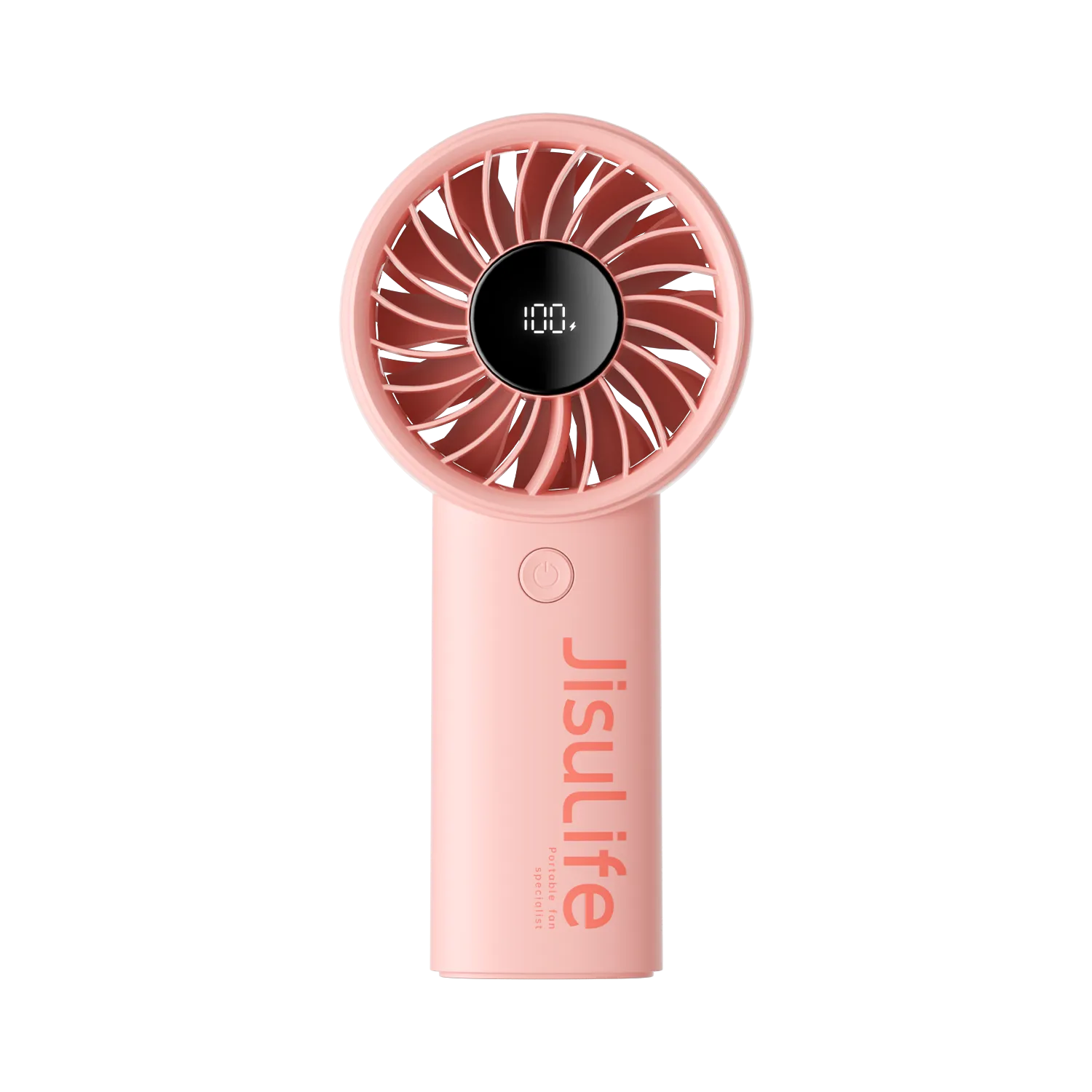
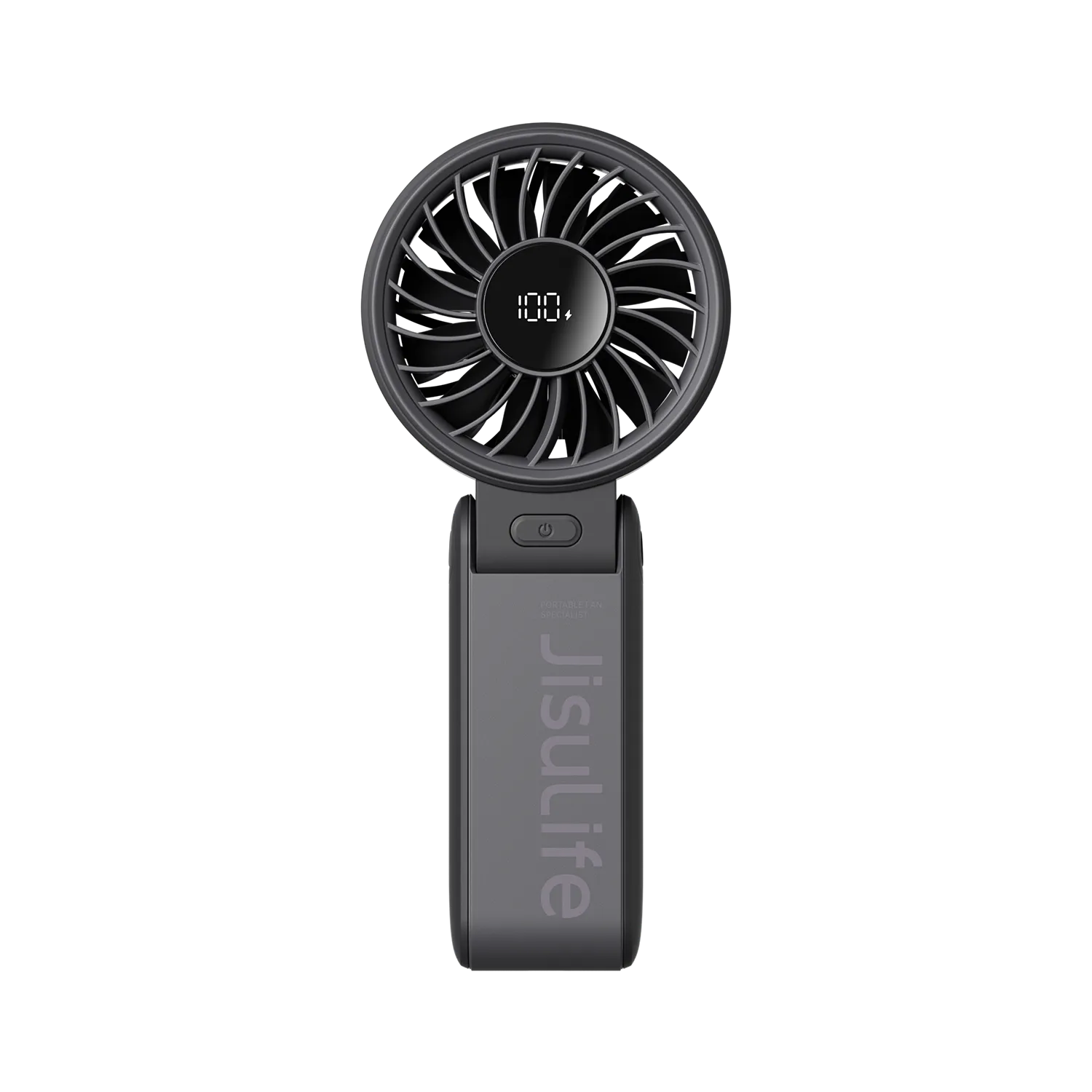

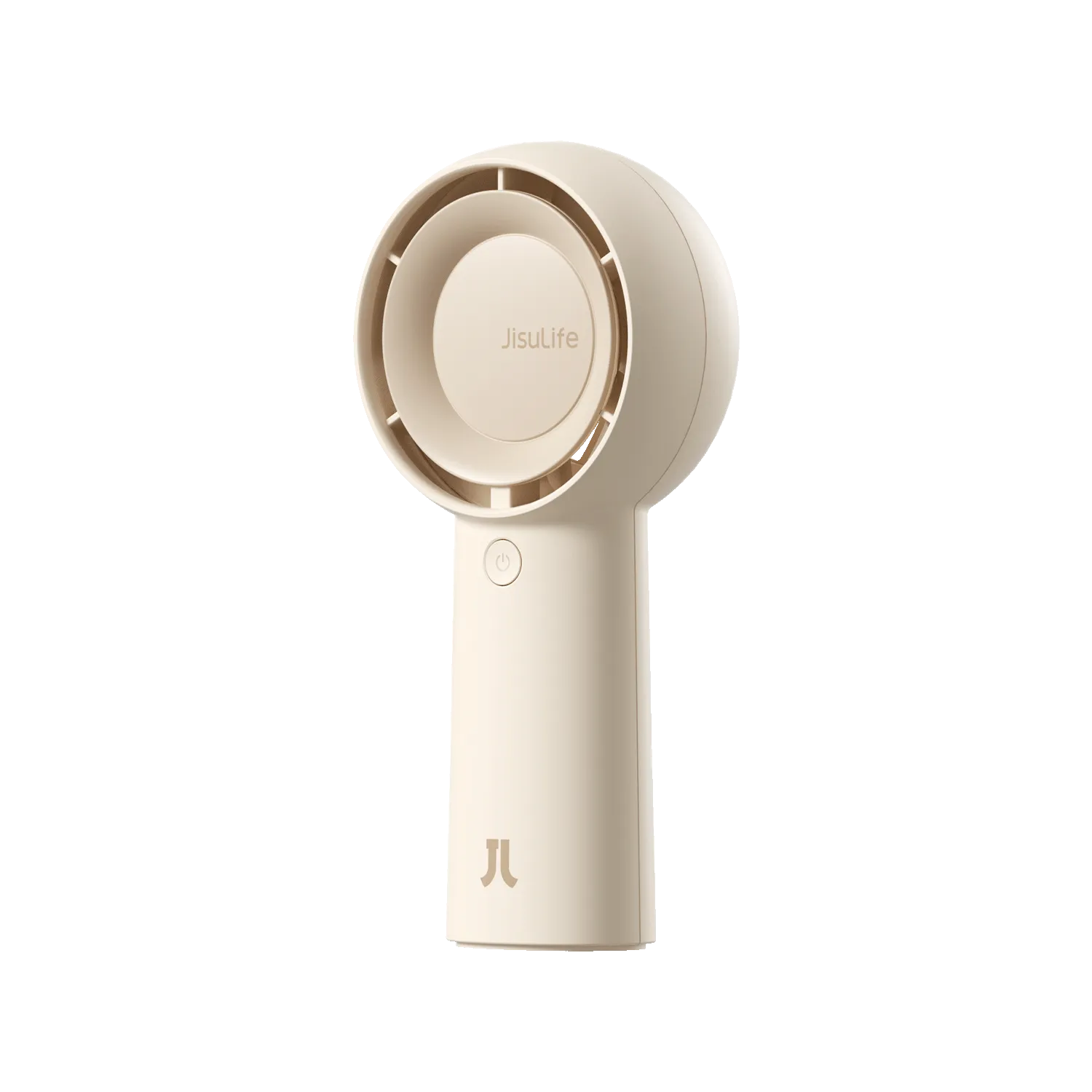
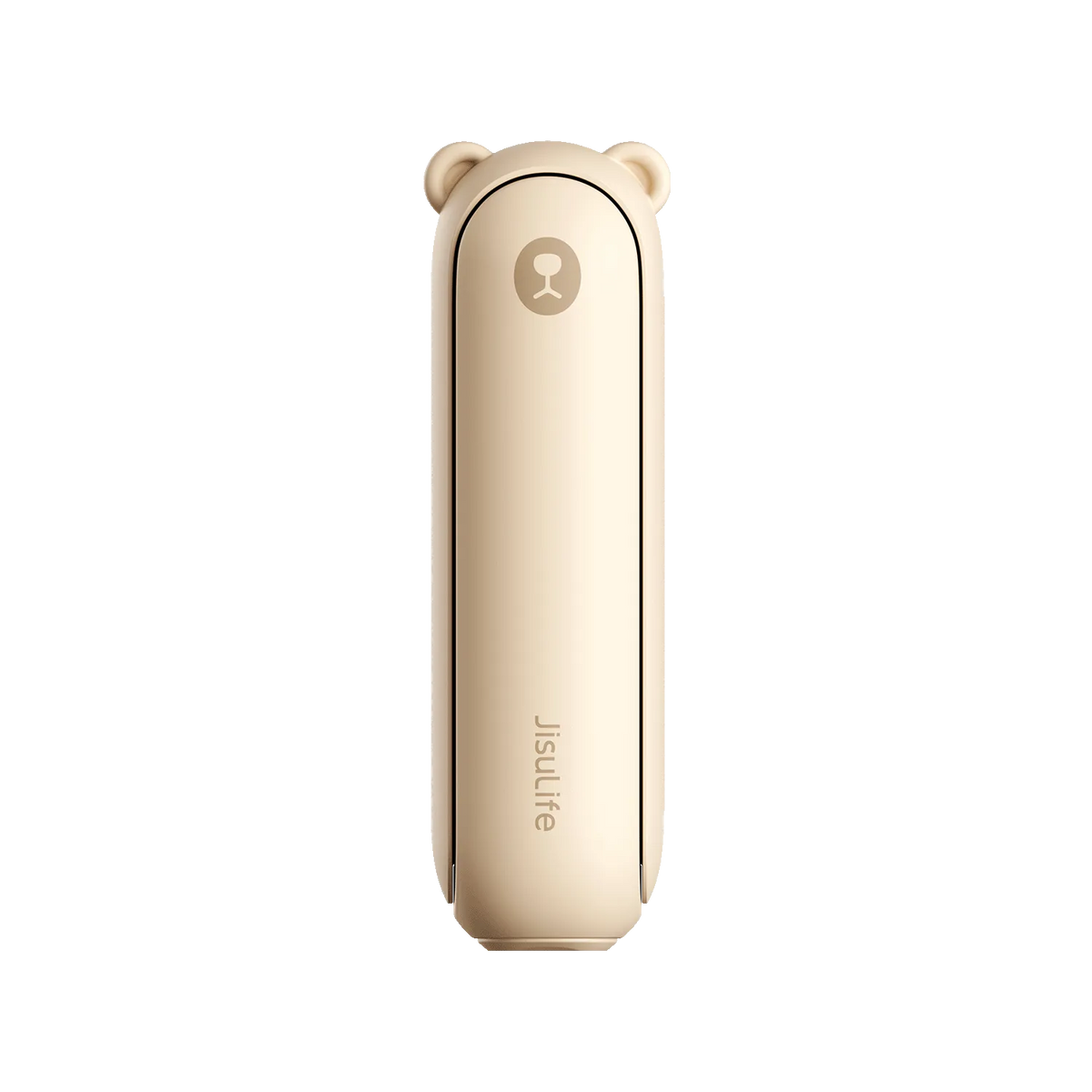

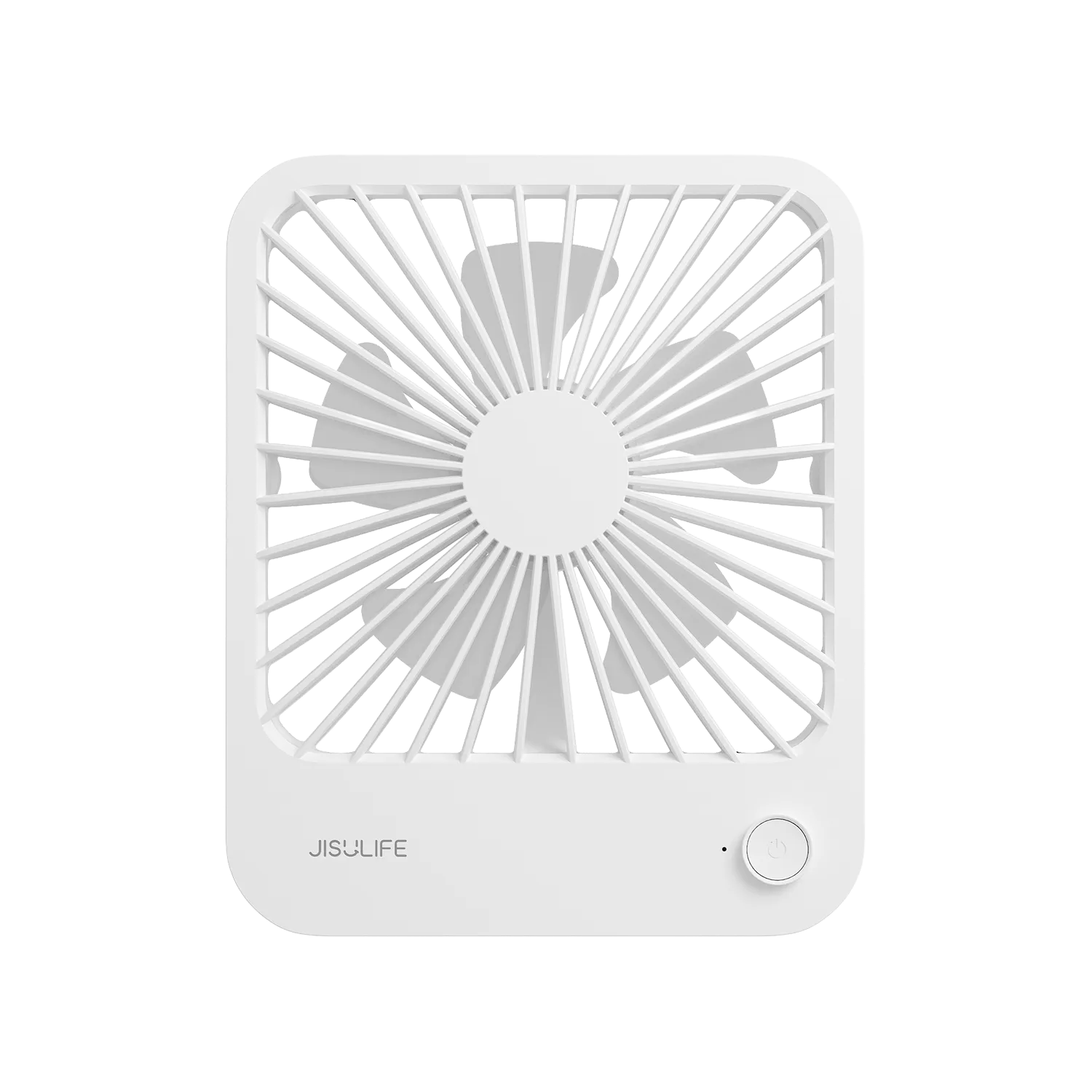
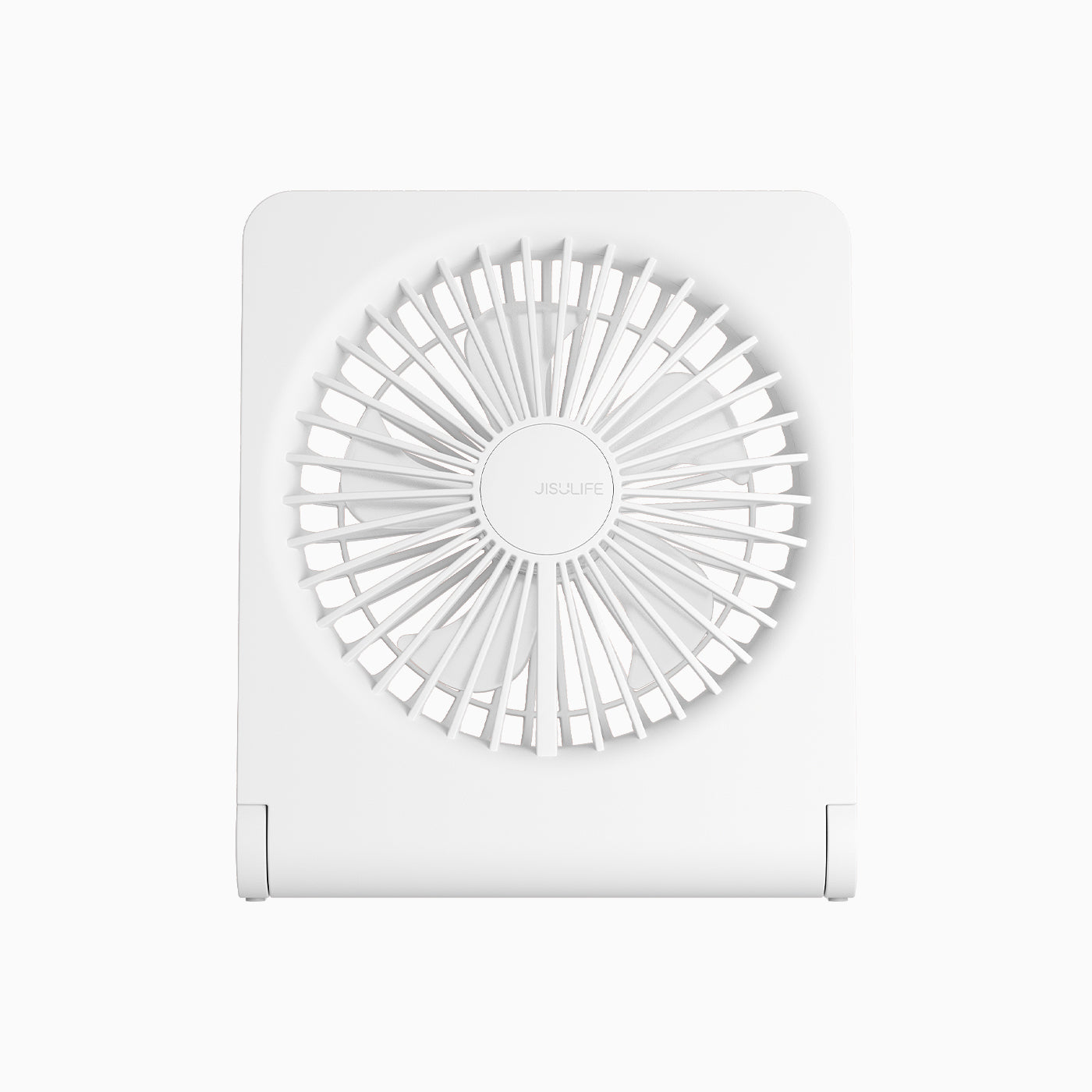

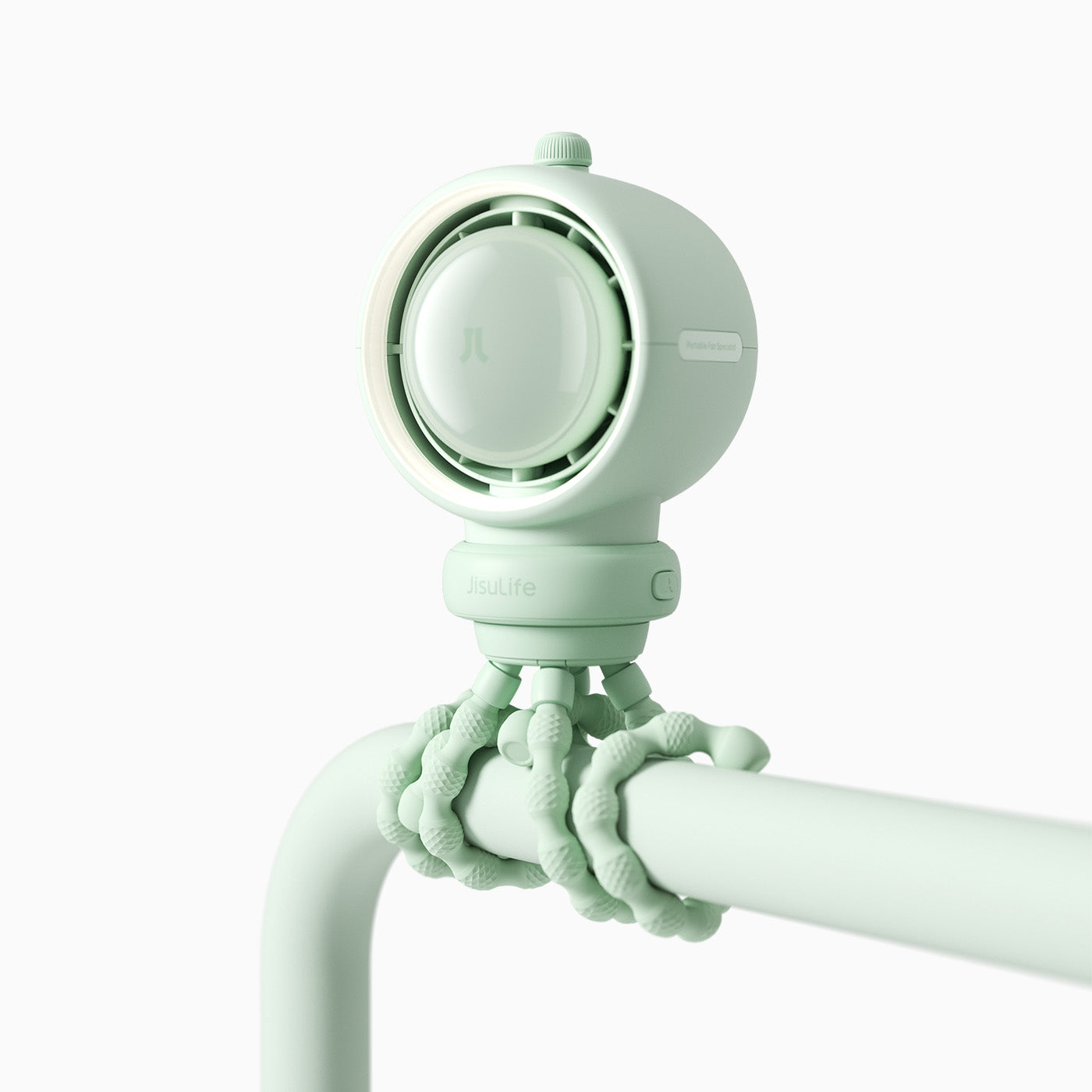
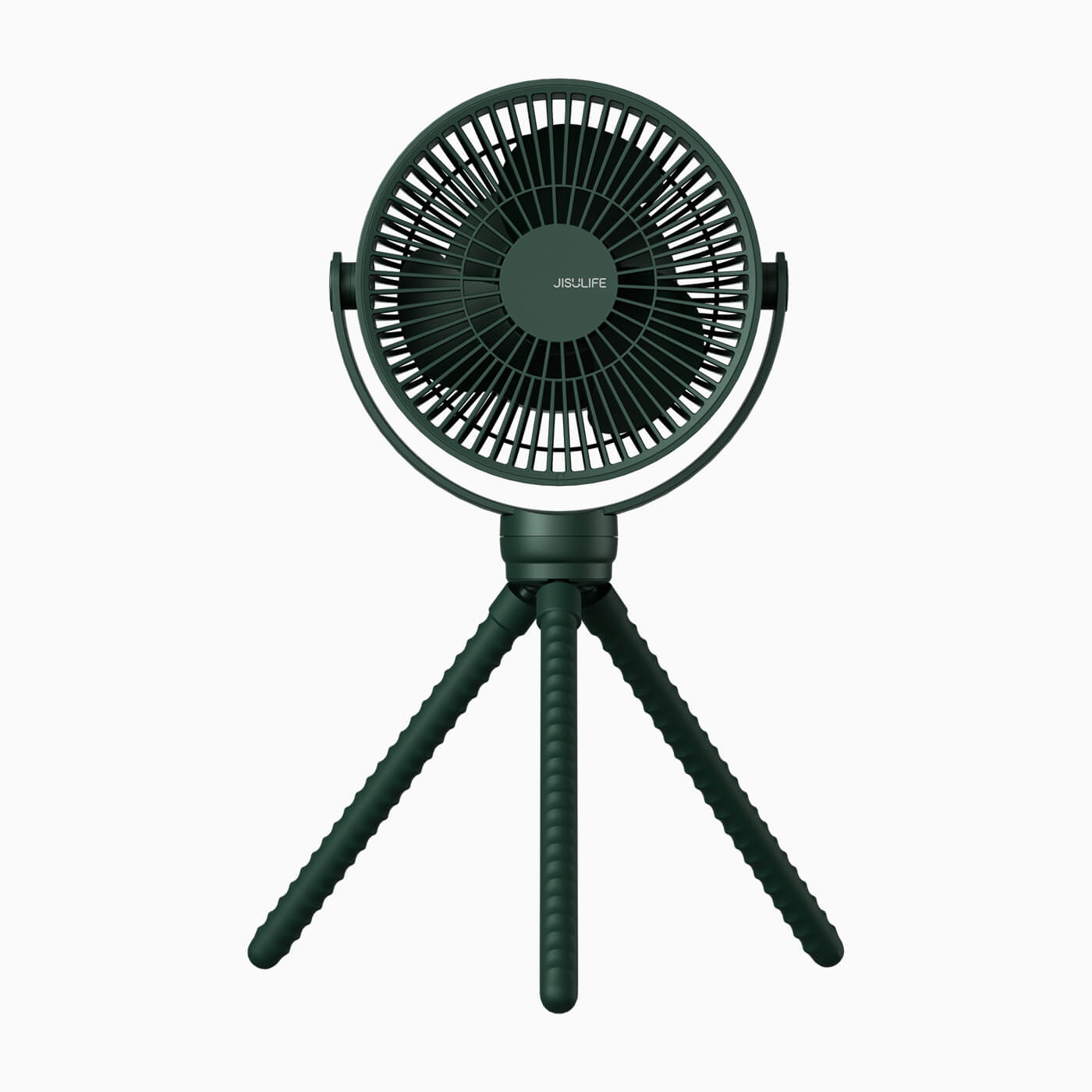
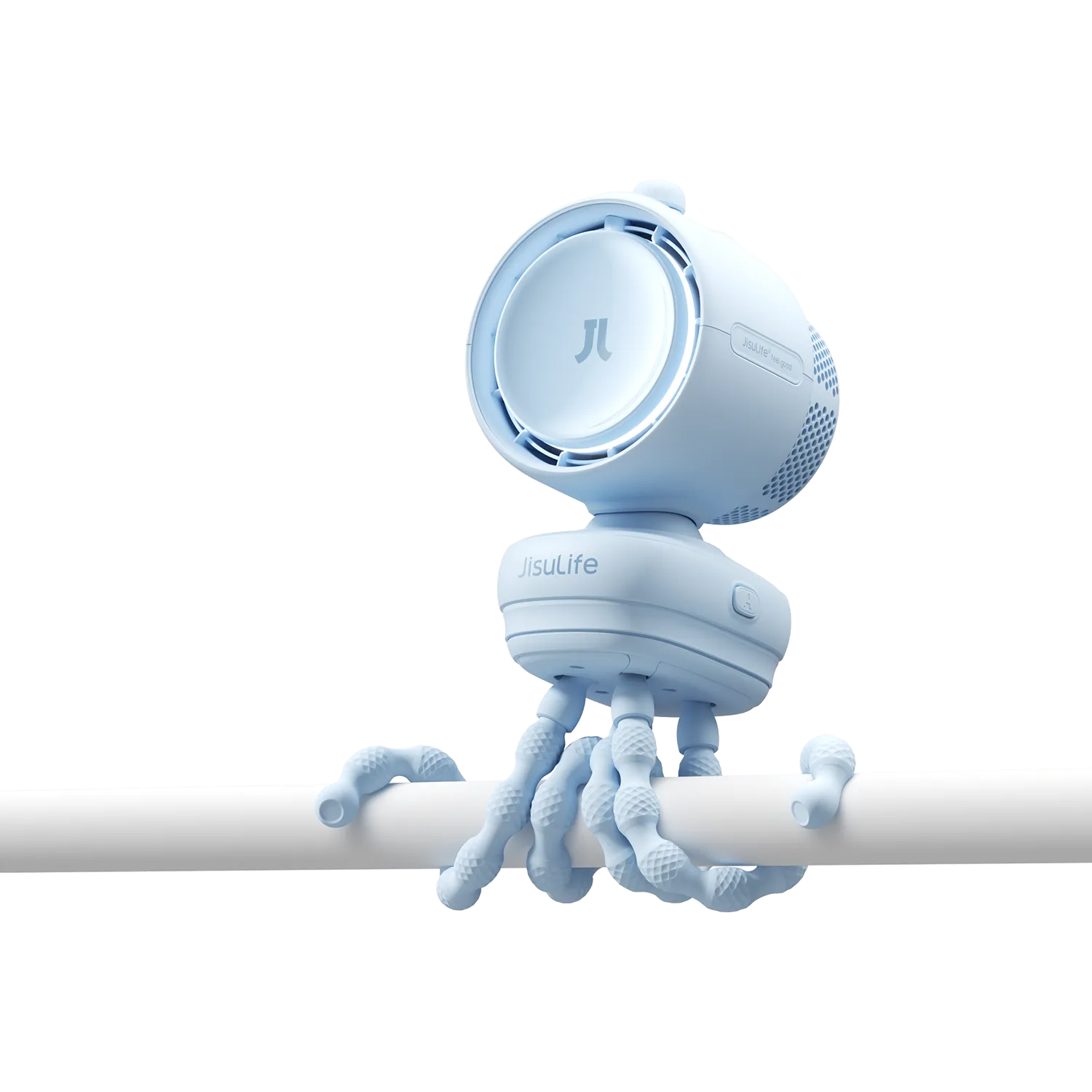
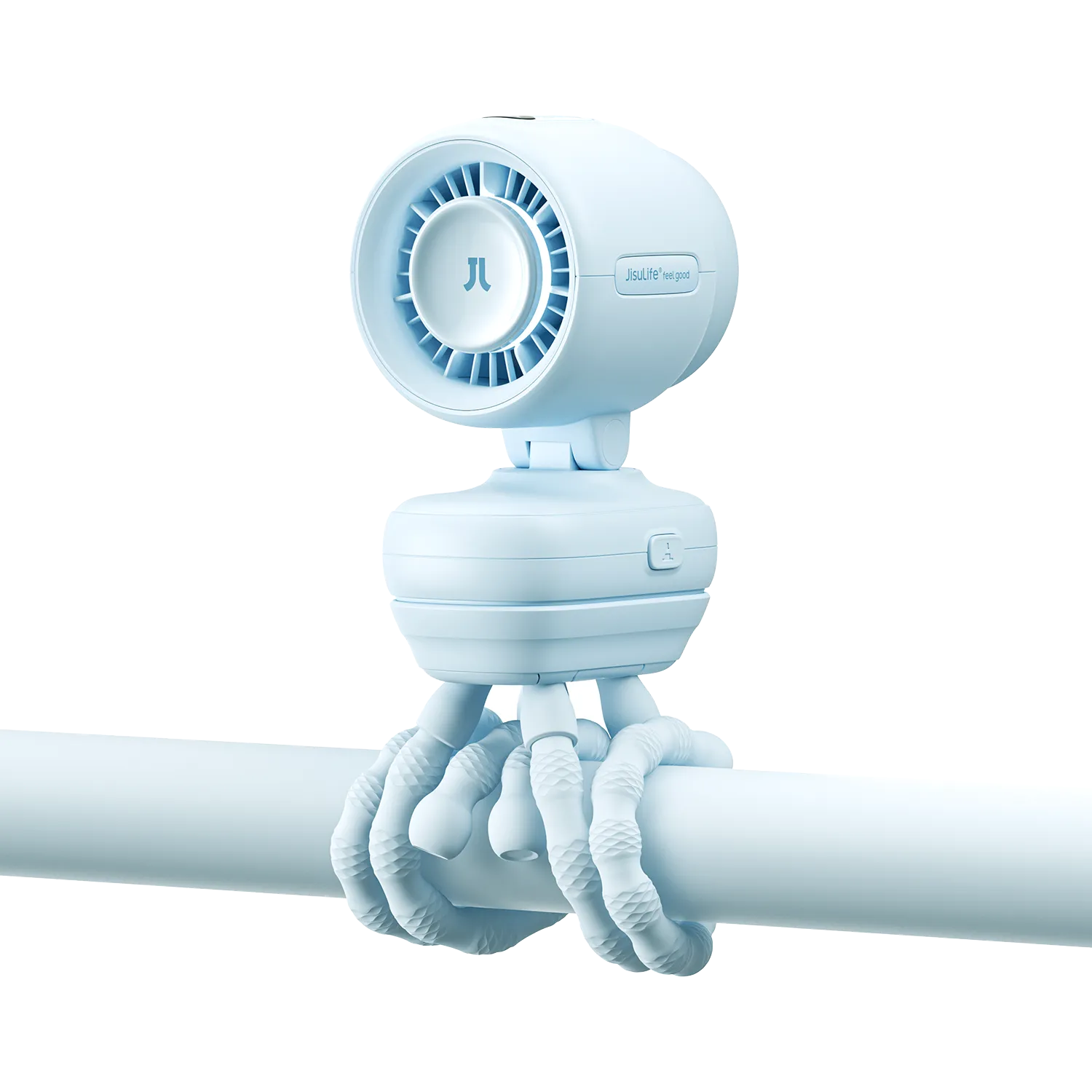
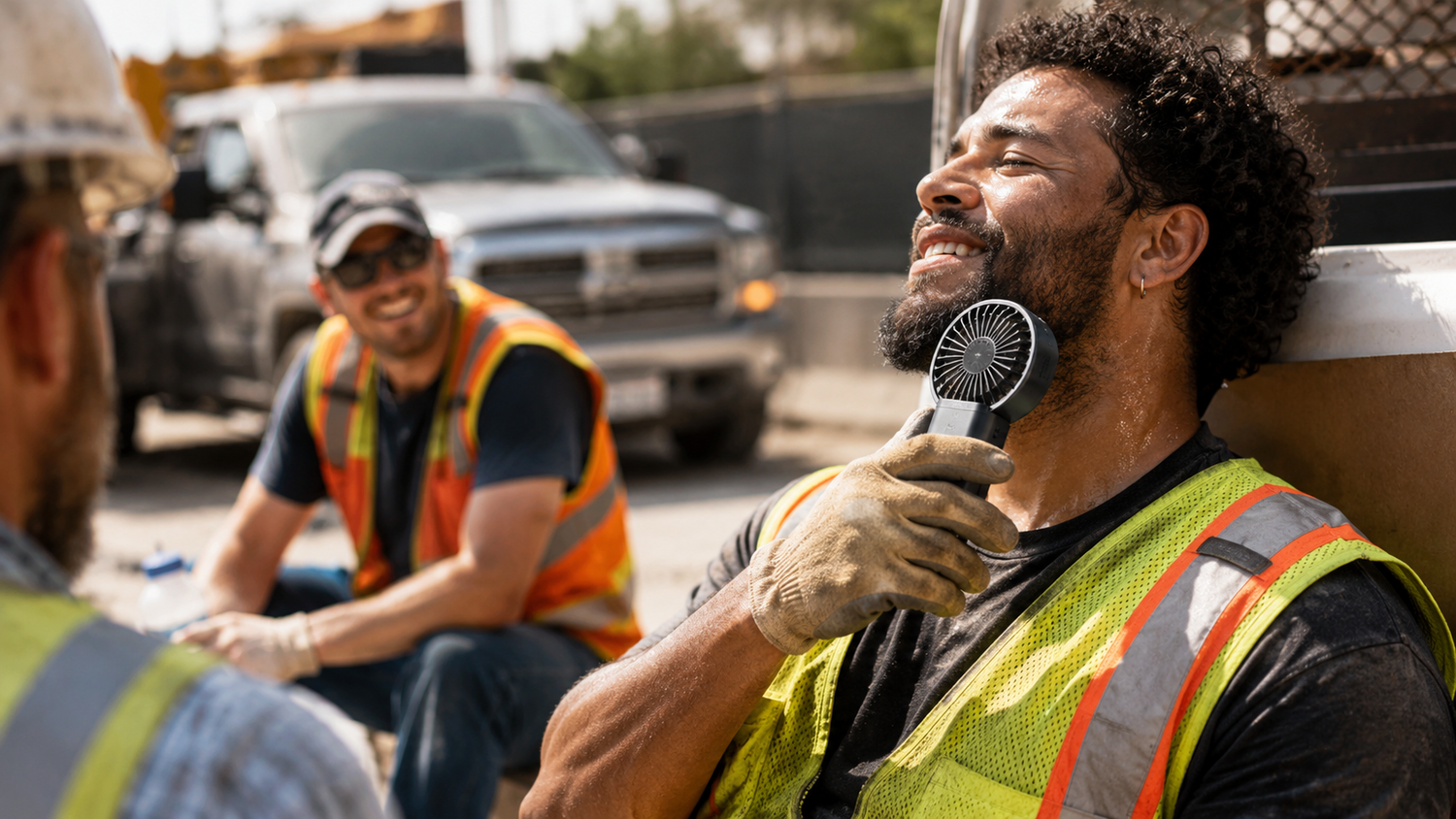
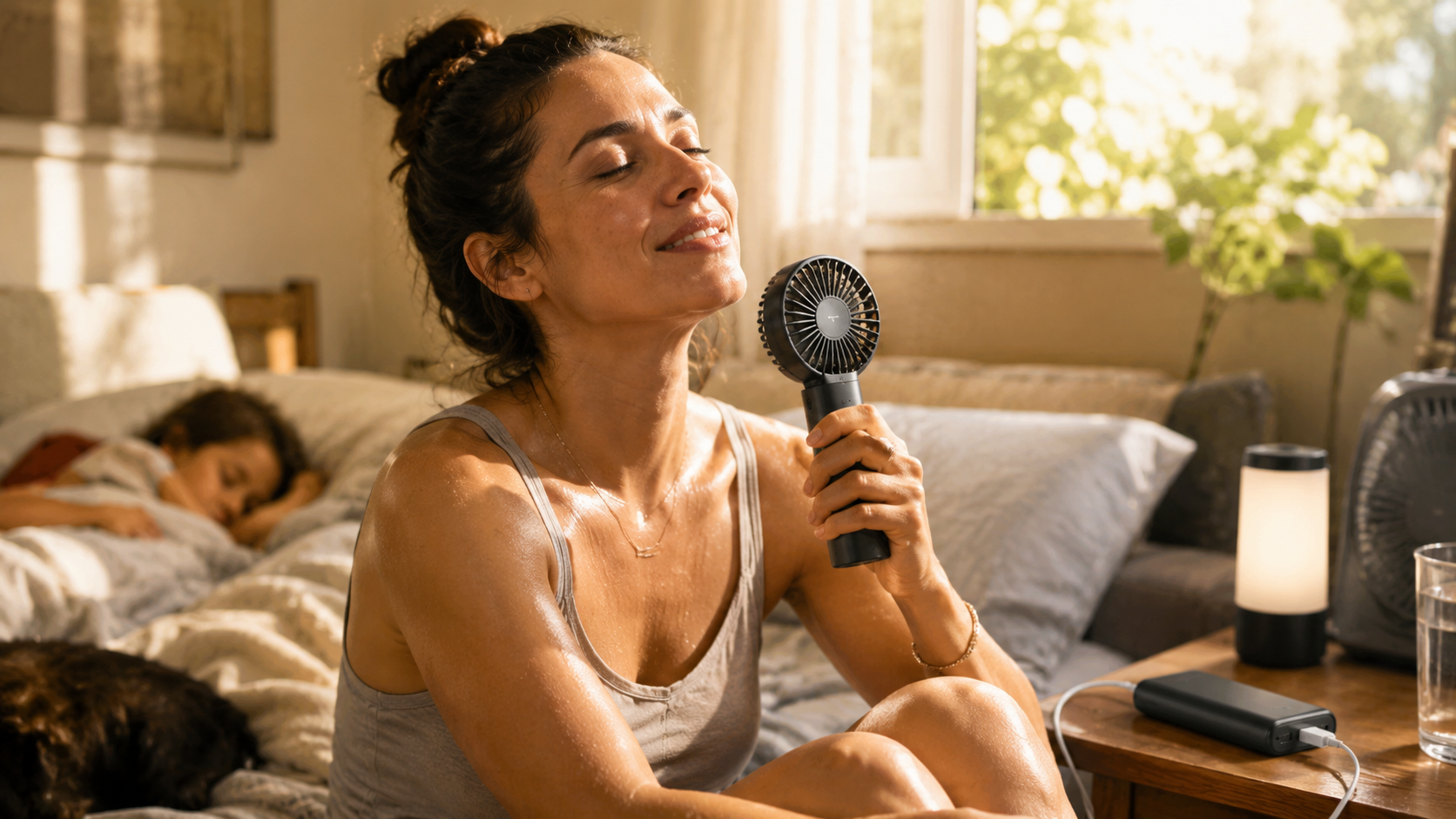
Heat is one of the biggest daily challenges for anyone who works outside. A portable fanfor outdoor work can lower your skin temperature, reduce sweat, and help you stay focused during long shifts. Even a small rechargeable fan makes a real difference when shade or air conditioning is nowhere nearby.
Why Heat Hits Outdoor Workers Harder Than Most People
Office workers can adjust a thermostat. Outdoor workers cannot. That simple difference changes everything about how your body handles a full shift in summer.
Direct Sun Exposure Adds Up Fast
When you stand in direct sunlight for hours, your core body temperature rises steadily. Concrete, asphalt, and metal surfaces reflect heat back at you, sometimes pushing the air around your body well above the ambient temperature. A construction site at 95°F can feel closer to 110°F near dark pavement.
Physical Labor Generates Extra Heat
Your muscles produce heat when they work. Lifting, hauling, bending, and walking all push your internal temperature higher. Your body tries to cool down through sweat, but on humid days, sweat evaporates slowly. The cooling effect drops, and fatigue sets in faster.
Limited Access to Cooling Breaks
Many outdoor jobs have tight schedules. Landscapers, utility crews, roofers, delivery drivers, and warehouse workers near loading docks often cannot take a break whenever they want. A cooling fan for work gives you a way to lower your temperature during the brief pauses you do get.
A Quick Comparison: Fan Types for Outdoor Work
This table summarizes how each fan type stacks up for common outdoor work needs.
| Feature | Handheld Fan | Neck Fan | Clip Fan |
|---|---|---|---|
| Hands-free | No | Yes | Yes |
| Airflow strength | Strong, direct | Moderate, upward | Light to moderate |
| Best battery options | 4000–9000 mAh | 2000–5000 mAh | 2000–4000 mAh |
| Portability | Pocket or bag | Worn on neck | Clips to hat or belt |
| Noise level | Low to moderate | Low | Very low |
| Ideal break use | Excellent | Good | Good |
| Ideal during-work use | Limited | Excellent | Excellent |
Pick based on your primary need. If your hands must be free during work, a neck fan or clip fan is the better choice. If you want the strongest blast of air during breaks, a handheld fan wins.
What a Portable Fan Actually Does in Outdoor Heat
A fan does not lower the air temperature around you. What it does is move air across your skin faster, which helps sweat evaporate. That evaporation is what cools you down.
Even a small outdoor personal fan running at moderate speed can create enough airflow to make a noticeable difference. On a dry day, the effect is stronger because sweat evaporates quickly. On a humid day, the effect is weaker, but still better than still air.
Think of it this way: standing in front of a fan at 95°F feels cooler than standing in still air at 90°F. Air movement matters more than most people expect.
Key Features to Look for in a Fan Built for Work
Not every portable fan holds up well on a job site. The conditions are tougher than a desk or a park bench. Here is what separates a fan that works outdoors from one that does not.
Battery Life and Charging
This is the single most important spec for outdoor work. If your fan dies halfway through a shift, it is useless.
| Battery Capacity | Typical Runtime (Low Speed) | Typical Runtime (High Speed) | Best For |
|---|---|---|---|
| 2000–3000 mAh | 6–10 hours | 1.5–3 hours | Short shifts, light use |
| 4000–5000 mAh | 10–16 hours | 3–5 hours | Full-day coverage at mixed speeds |
| 6000–9000 mAh | 16–25 hours | 4–7 hours | Long shifts, high heat, heavy use |
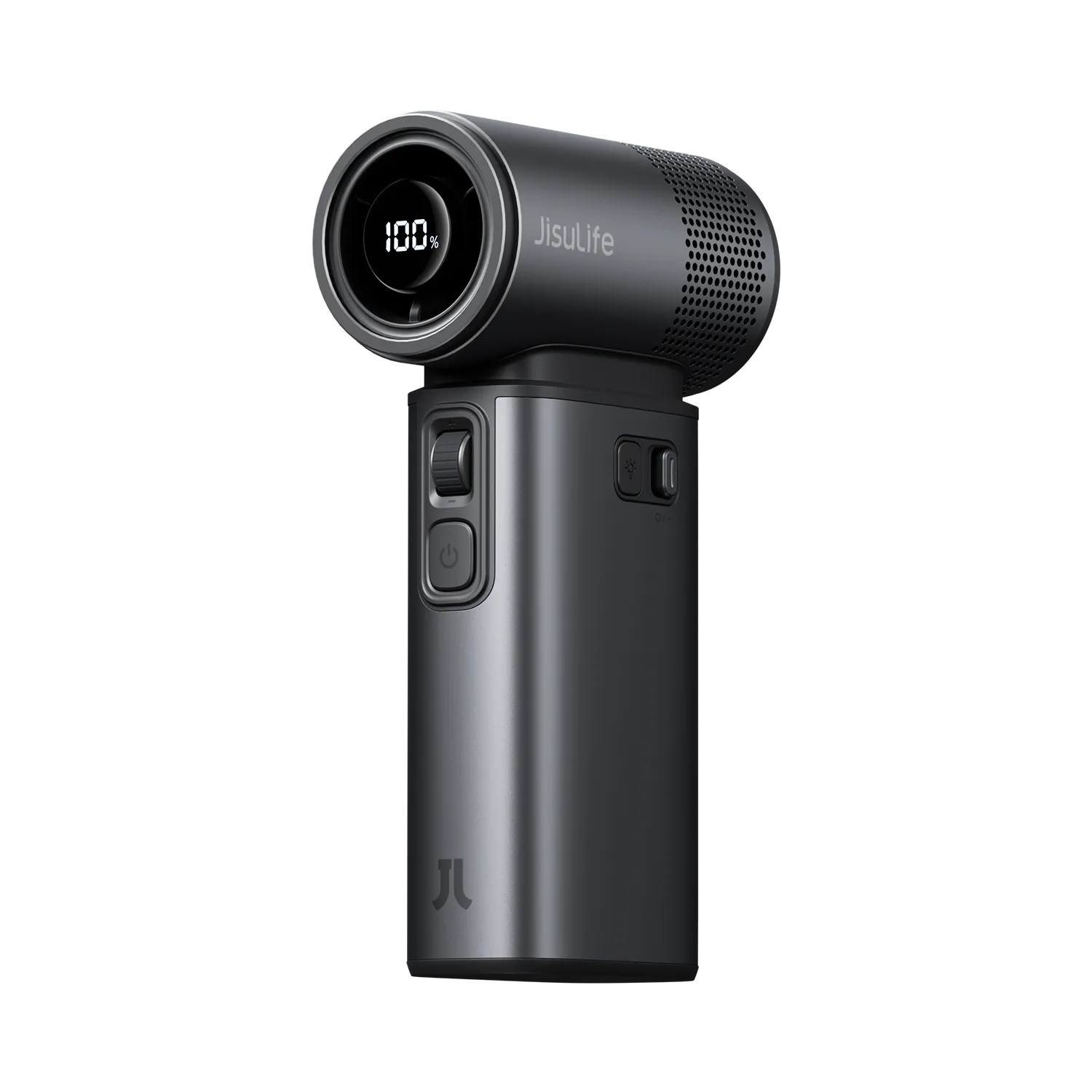
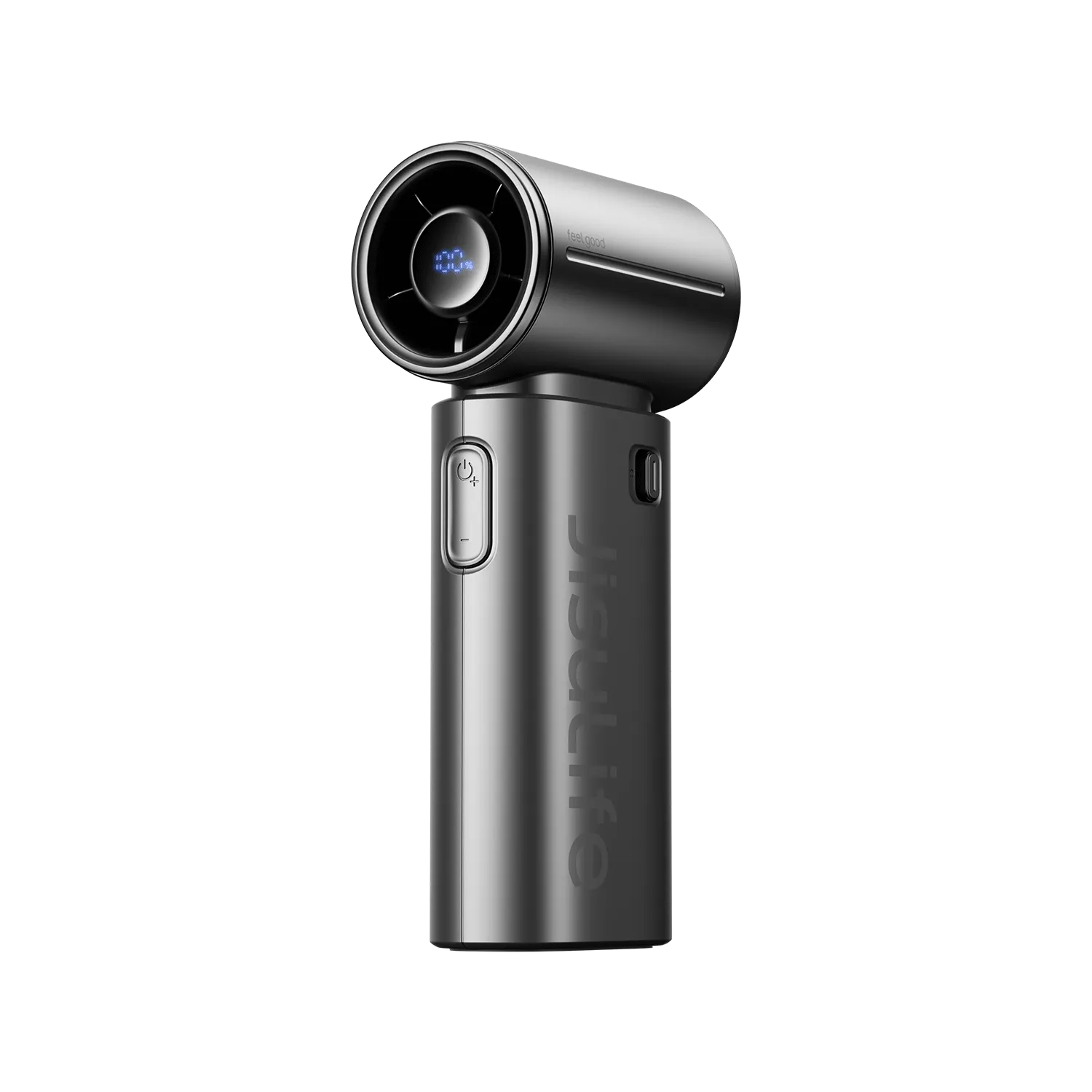
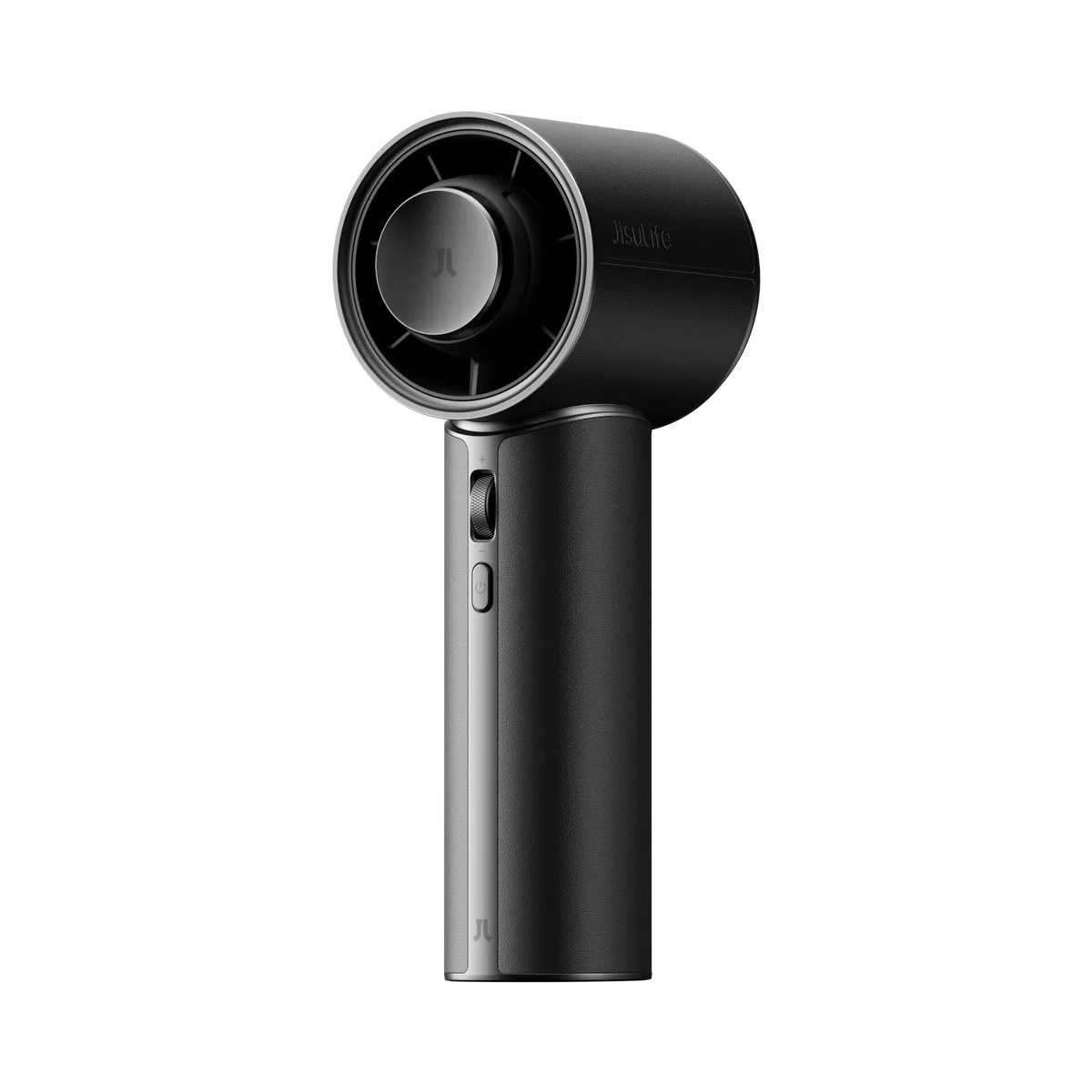
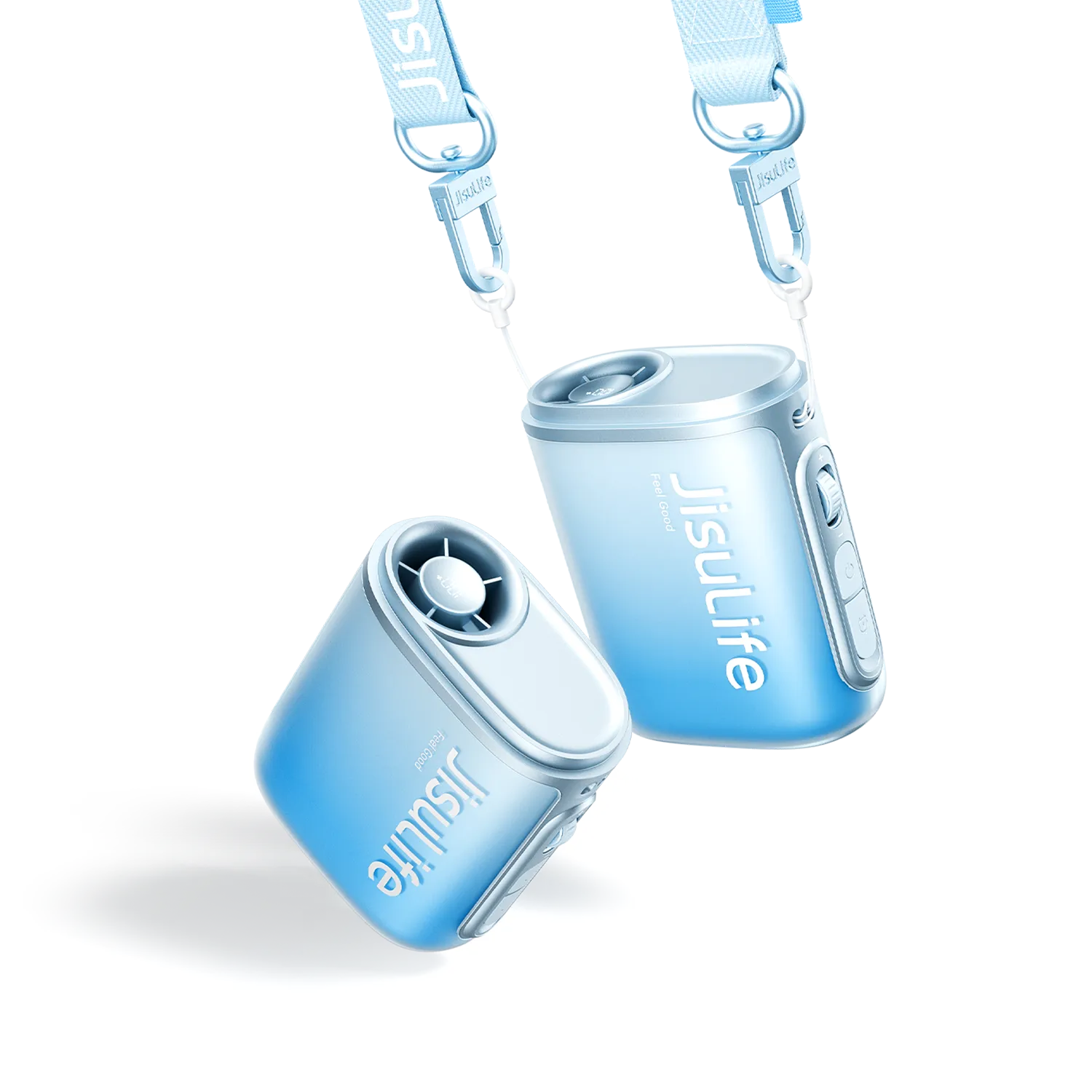
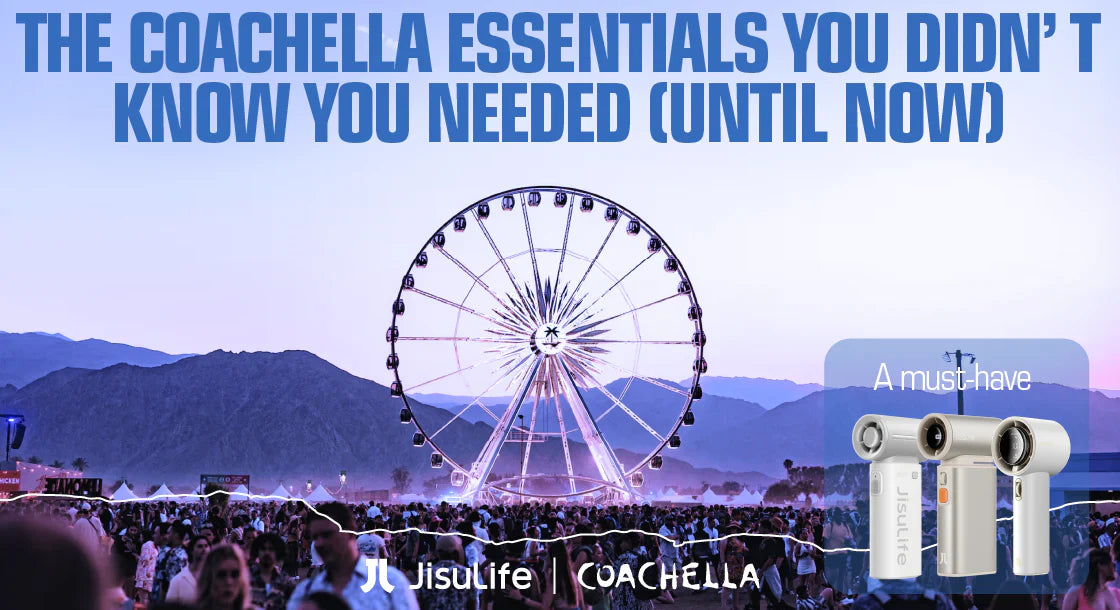
A rechargeable fan with USB-C charging is ideal because you can top it up from a power bank during lunch. Micro-USB charges more slowly and is becoming less common. The JISULIFE Handheld Fan Ultra2 checks these boxes with a 9000mAh battery that delivers up to 25 hours of runtime, 18W fast charging, and a top wind speed of 17m/s — built to last through a full outdoor shift and then some.

Airflow Power
Fan speed is often listed in RPM, m/s, or ft/s. Higher numbers mean stronger wind, but they also drain the battery faster. For outdoor work, look for a fan that has at least 3 speed levels so you can balance cooling and battery life throughout the day.
Weight and Portability
You are already carrying tools and gear. A fan that weighs more than 12 oz starts to feel like a burden in a pocket or clipped to a belt. Lighter fans are easier to hold during breaks and less annoying to carry between tasks.
Durability and Grip
Sweaty hands drop things. A textured grip or rubberized finish helps. Fans with exposed blades can get clogged with dust and debris on job sites, so enclosed or semi-enclosed blade designs tend to last longer outdoors.
Best Fan Types for Different Outdoor Jobs
The right fan type depends on how you work and whether your hands need to be free.
Handheld Fans
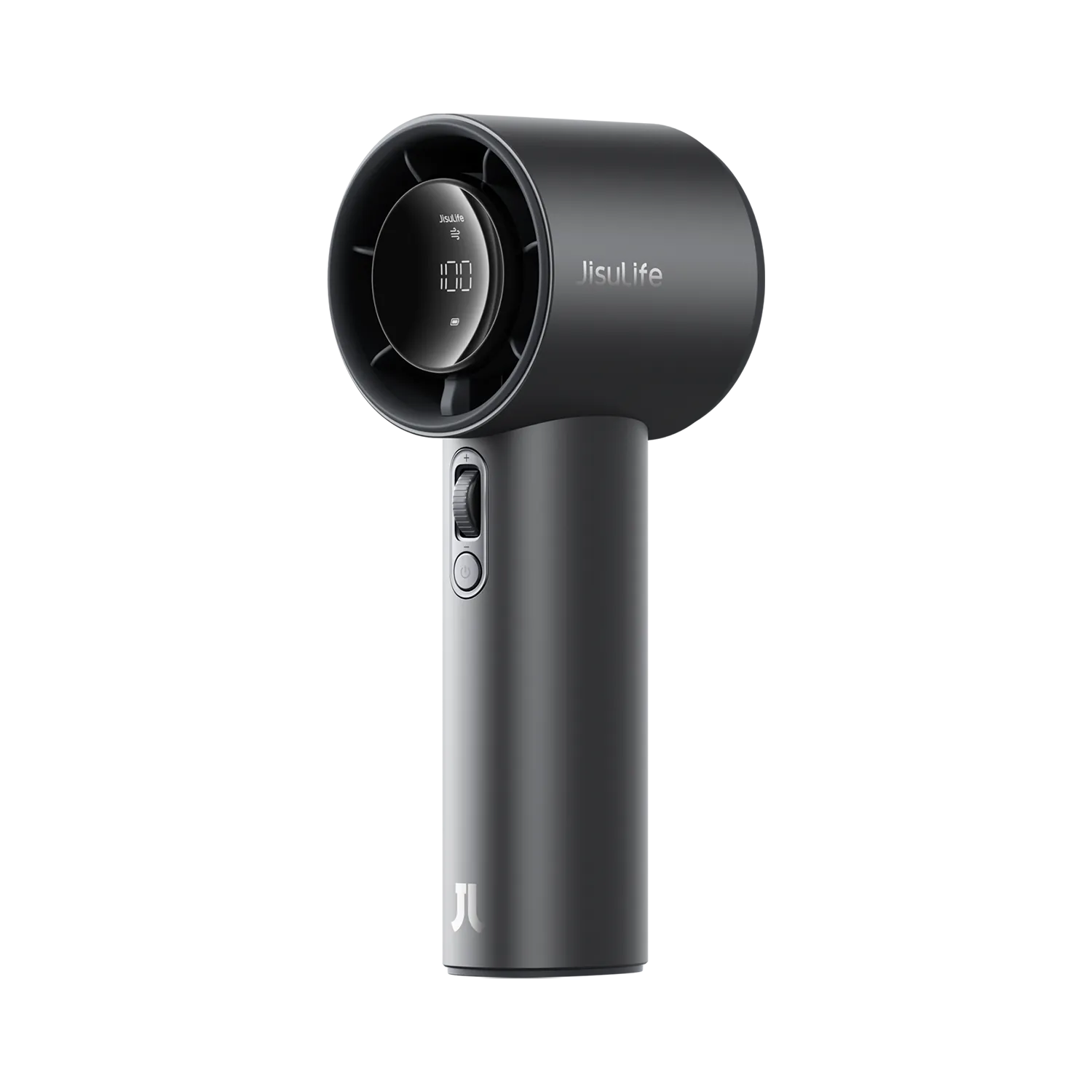
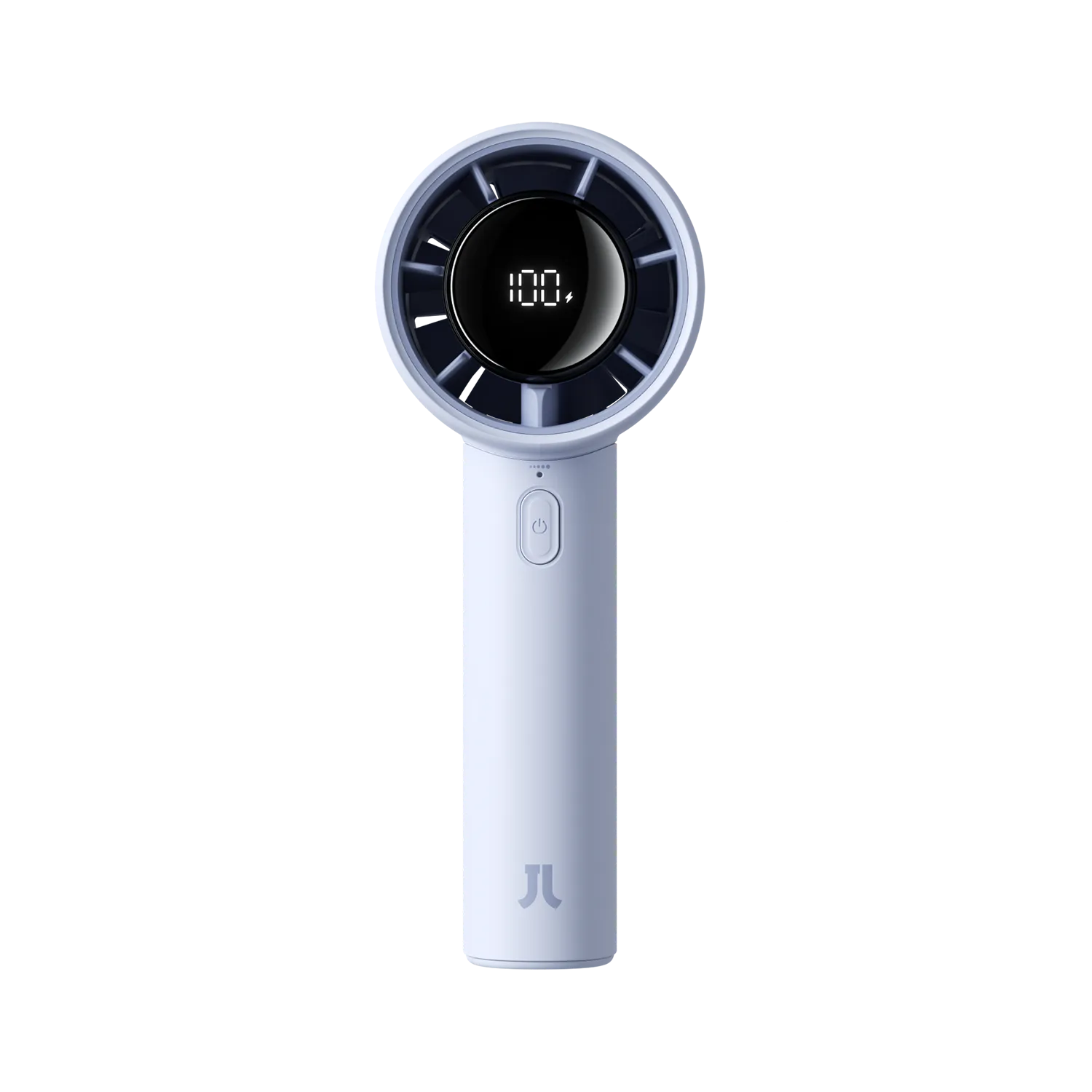
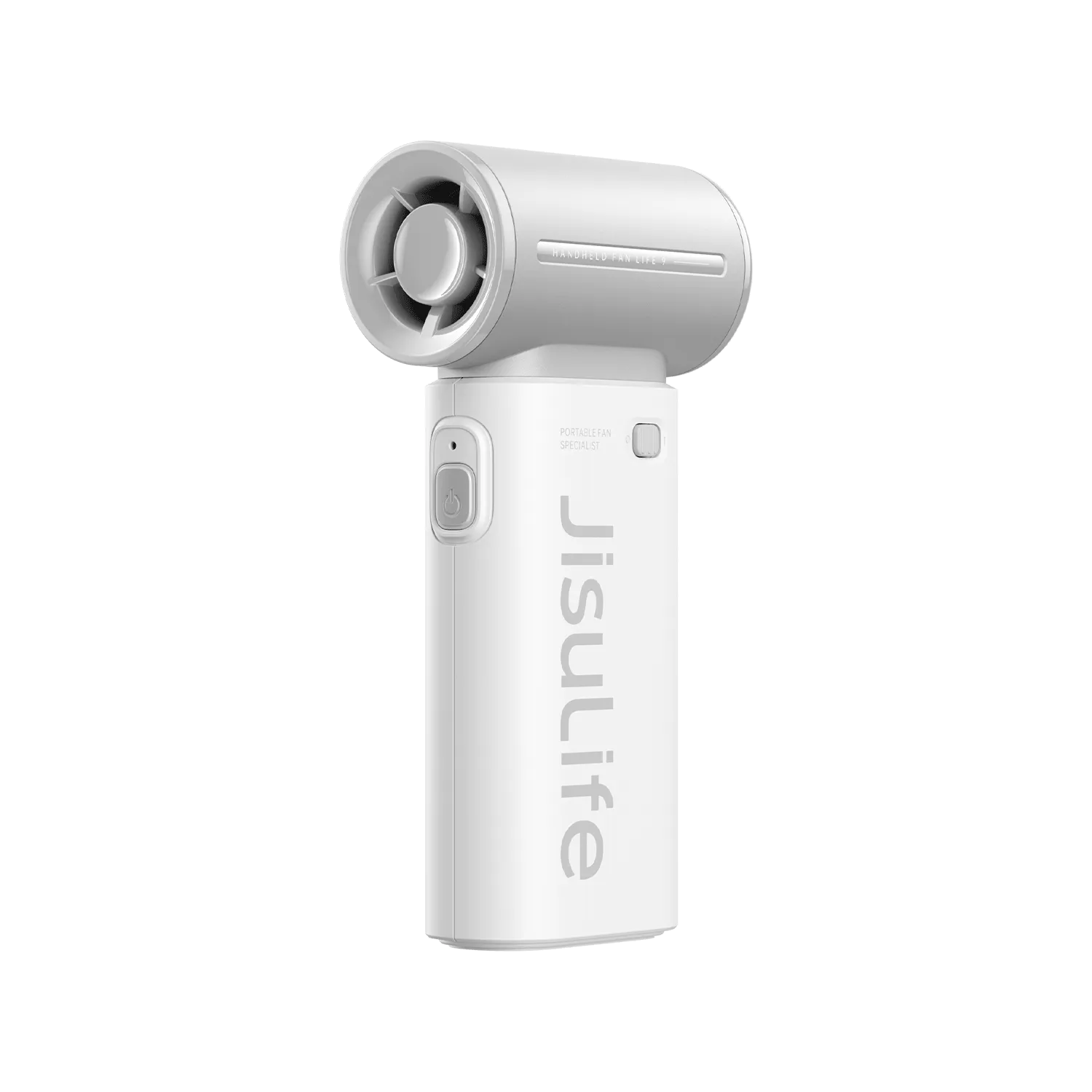
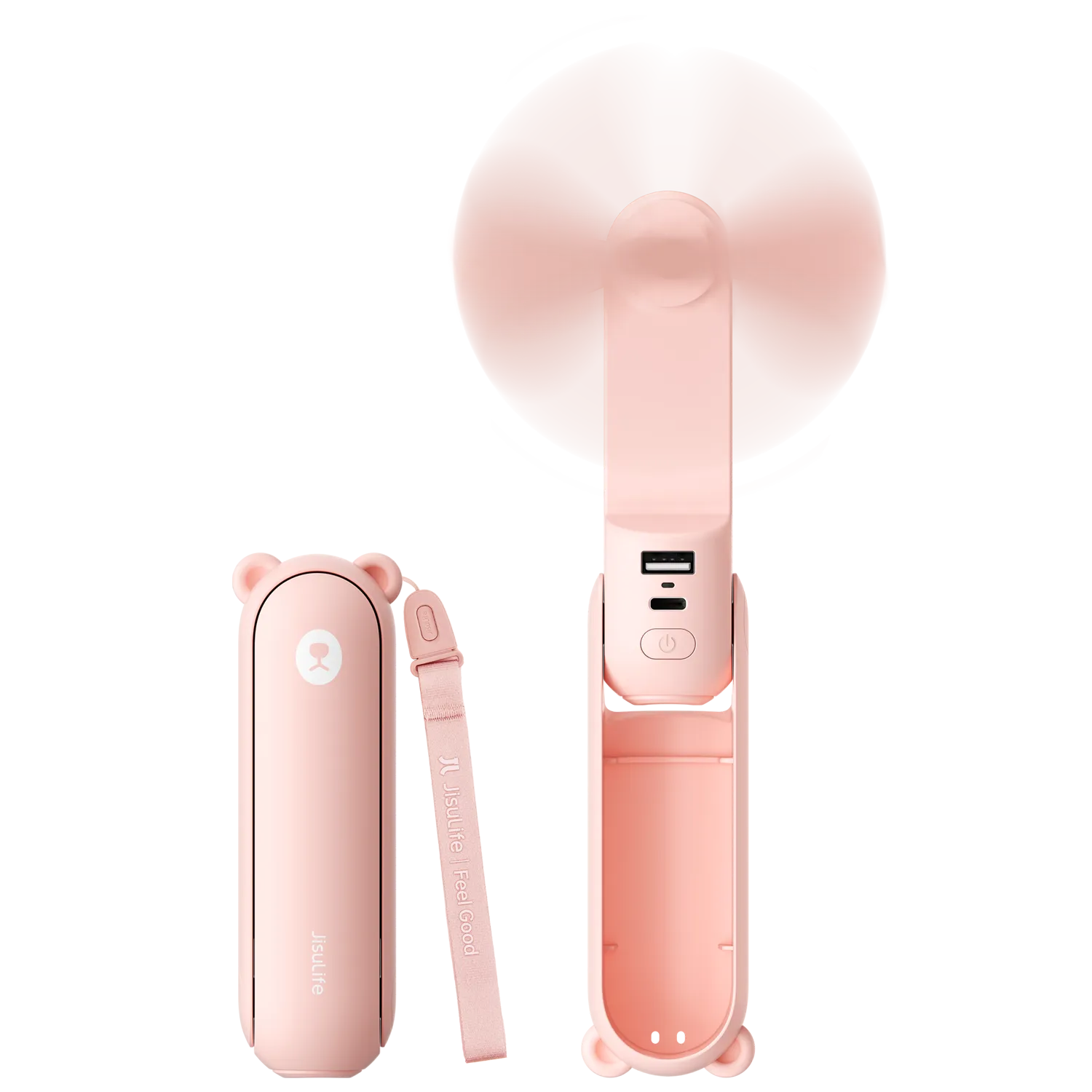
These are the most common portable fans. You hold them, point them at your face or neck, and get direct airflow. They work well during breaks, waiting periods, and any task where one hand is free.
Good for: Delivery drivers, security guards, event staff, parking attendants.
Neck Fans
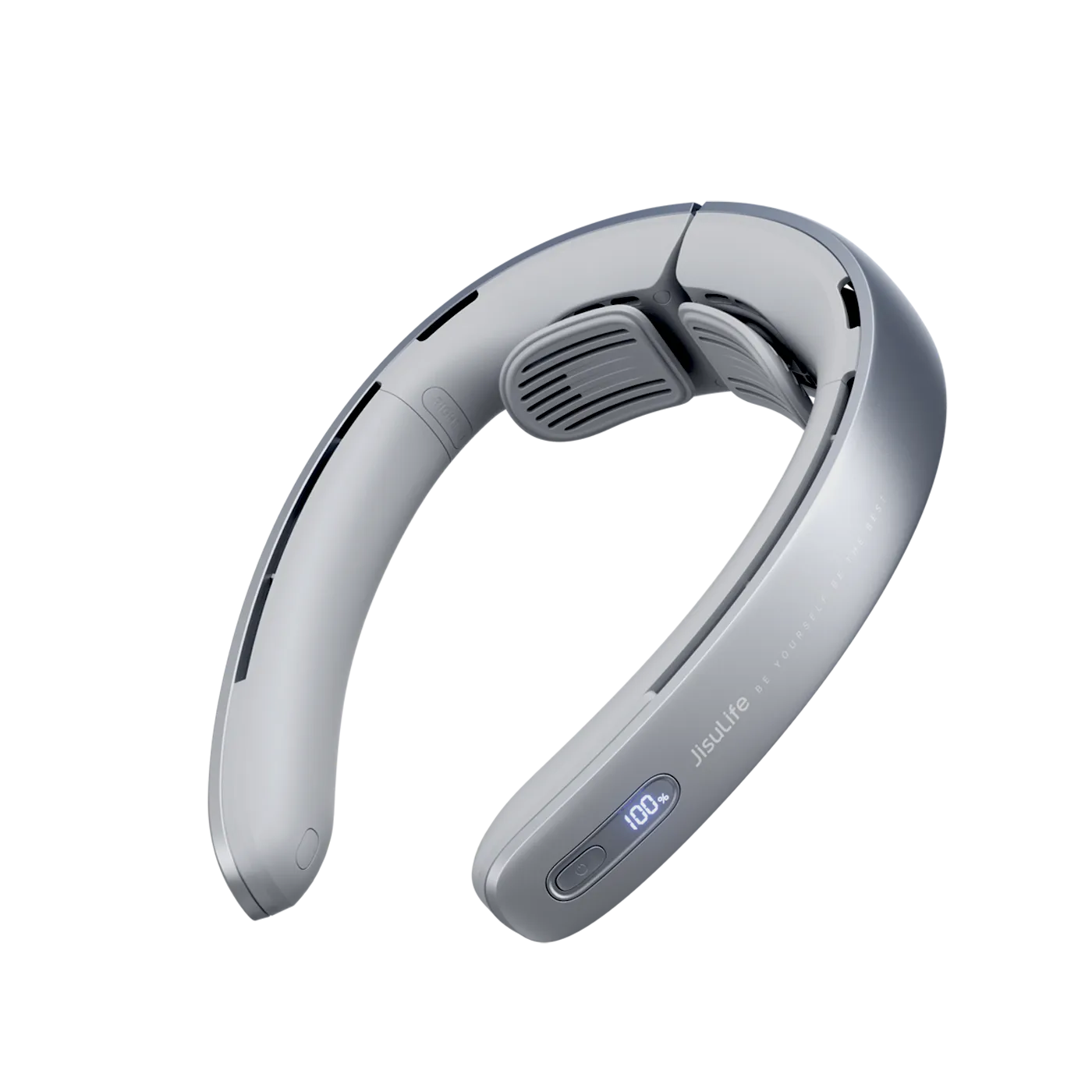
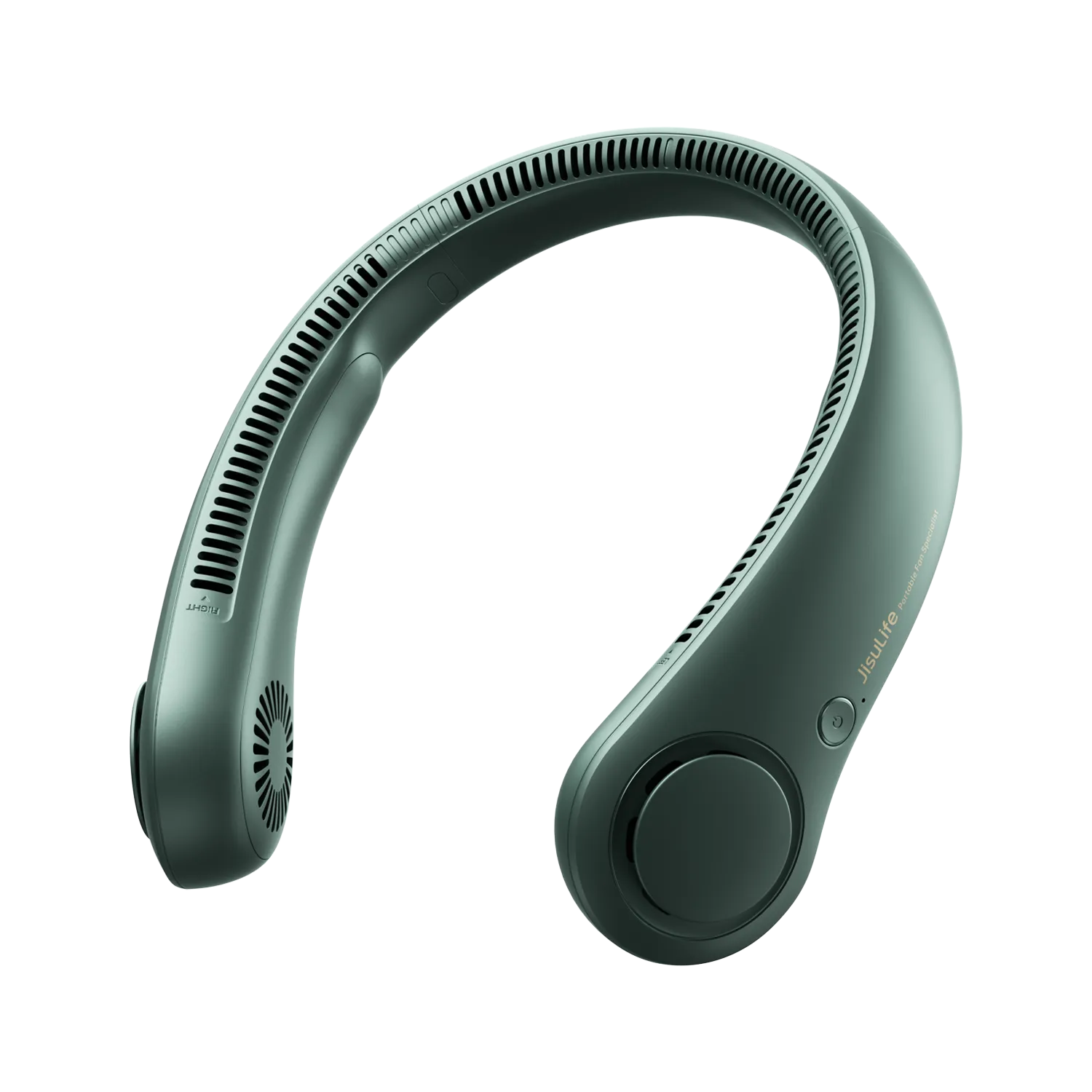
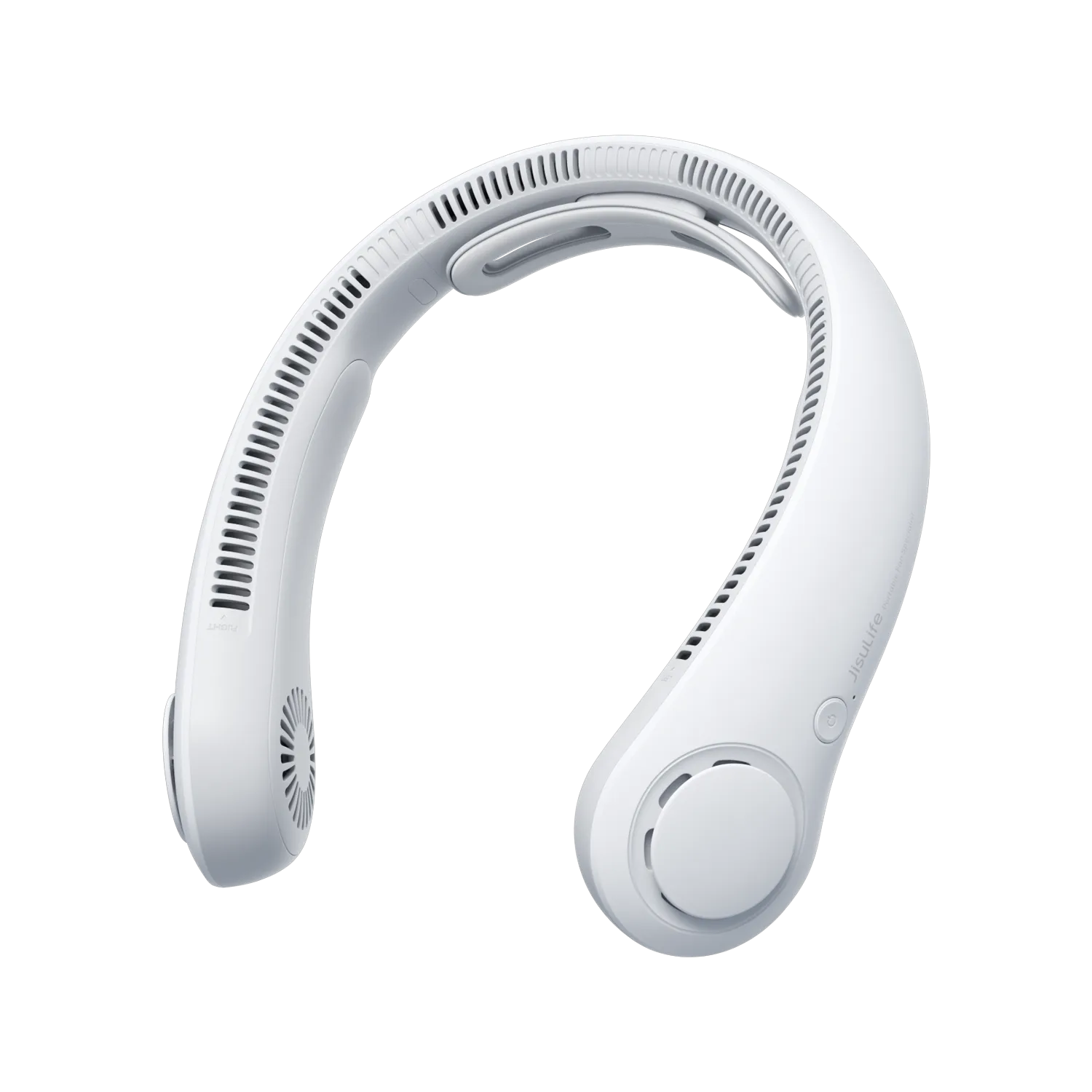
A neck fan sits on your shoulders and blows air upward toward your face and neck. Your hands stay completely free, which matters when you are carrying equipment or working with tools.
Good for: Landscapers, construction workers, warehouse loaders, utility technicians.
Clip Fans
These attach to a hat brim, hard hat, belt loop, or equipment. They are small and light, and they free up both your hands and your neck.
Good for: Roofers, painters, anyone wearing a hard hat or tool belt.
How to Get the Most Cooling From a Portable Fan at Work
A fan is a tool. Like any tool, how you use it affects the results.
Aim for Your Neck and Wrists
Your neck and wrists have blood vessels close to the skin surface. Cool air on these areas lowers your blood temperature faster than blowing air at your forehead.
Pair It With Water
Drink water regularly and splash some on your neck or a bandana before turning the fan on. Moving air over damp skin cools you much faster than dry air alone. This simple combo can drop your perceived temperature significantly.
Use Low Speed to Stretch Battery Life
If your shift is 8 hours and your fan lasts 5 hours on high, run it on low during moderate heat and save high speed for the hottest part of the day. Many people blast their fan at full power from the start and run out of battery by 2 PM.
Charge During Lunch
Keep a small power bank in your cooler or bag. Plug the fan in while you eat. Even 30 minutes of USB-C fast charging can add a few extra hours of runtime.
Common Mistakes Outdoor Workers Make With Portable Fans
A few habits reduce how well your fan works. They are easy to fix once you know about them.
The first mistake is buying based on price alone. The cheapest fans often have small batteries and weak airflow. They die fast and push barely enough air to feel. A slightly more expensive fan with a bigger battery and stronger motor will outperform two cheap ones.
The second mistake is leaving the fan in direct sun when not in use. Lithium-ion batteries lose capacity faster when they overheat. Keep your fan in a bag, a cooler, or at least in the shade when you are not using it.
The third mistake is never cleaning the fan. Dust, sawdust, pollen, and grime build up on the blades and reduce airflow over time. A quick wipe with a damp cloth every few days keeps it running at full power.
Stay Cool on Your Next Shift With the Right Portable Fan
A good portable fan for outdoor work helps you manage heat, stay alert, and finish your shift feeling less drained. Look for solid battery life, enough airflow for your conditions, and a form factor that fits how you work. Keep it charged, keep it clean, and use it with water for the best results.
Frequently Asked Questions
Q1: Can a portable fan actually prevent heat-related illness at work?
It can help reduce the risk, but it cannot eliminate it on its own. A fan lowers skin temperature by speeding up sweat evaporation, which helps your body regulate heat more effectively. However, you still need adequate water intake, shade breaks, and proper rest. In extreme heat above 105°F, a fan alone is not enough to keep you safe. Treat it as one part of a broader heat safety plan, not a complete solution.
Q2: How many hours of battery life do I need for a full outdoor work shift?
At least 5 to 6 hours of mixed-speed use covers most 8-hour shifts when you combine low and high settings throughout the day. A fan with 4000 mAh or more typically hits this range. If your work conditions are extremely hot and you need high speed for most of the day, aim for 6000 mAh and above. Carrying a small power bank as backup also helps close any gap between battery life and shift length.
Q3: Is a neck fan or a handheld fan better for physical labor?
A neck fan is the better option for active physical work because it keeps your hands completely free. You can lift, carry, and use tools without setting the fan down or switching hands. Handheld fans produce stronger, more focused airflow, but they require one hand to operate. If your job alternates between active tasks and stationary periods, owning both types gives you the most flexibility.
Q4: Are portable fans safe to use around heavy machinery and power tools?
Yes, they are generally safe as long as you keep them secured and away from moving parts. A neck fan sits close to your body and poses minimal risk. A clip fan attached to a hard hat stays out of the way. Handheld fans should be put away before operating machinery that requires both hands. Avoid dangling lanyards or loose cords near rotating equipment, and always follow your worksite’s personal equipment policies.
Q5: Does a portable fan still work when humidity is very high?
It still helps, but the cooling effect is weaker. Fans cool you by speeding up sweat evaporation, and high humidity slows that process down. On days with humidity above 80%, you will feel less of a temperature drop compared to dry conditions. Wetting your skin or a neck towel before using the fan can partially compensate, because the fan will help evaporate that added moisture even when your sweat evaporates slowly.


Để lại bình luận
Tất cả bình luận đều được kiểm duyệt trước khi đăng.
Trang web này được bảo vệ bằng hCaptcha. Ngoài ra, cũng áp dụng Chính sách quyền riêng tư và Điều khoản dịch vụ của hCaptcha.