

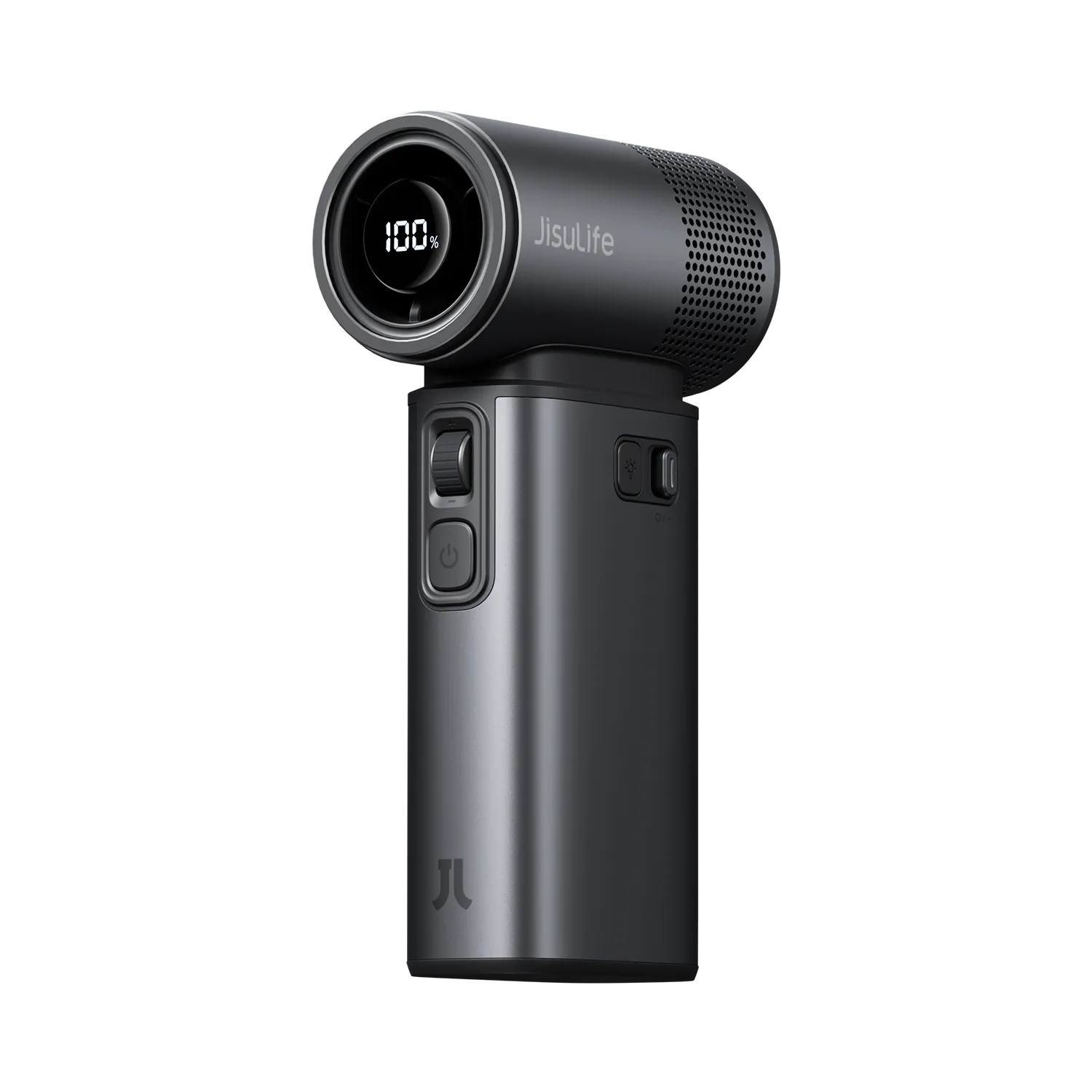
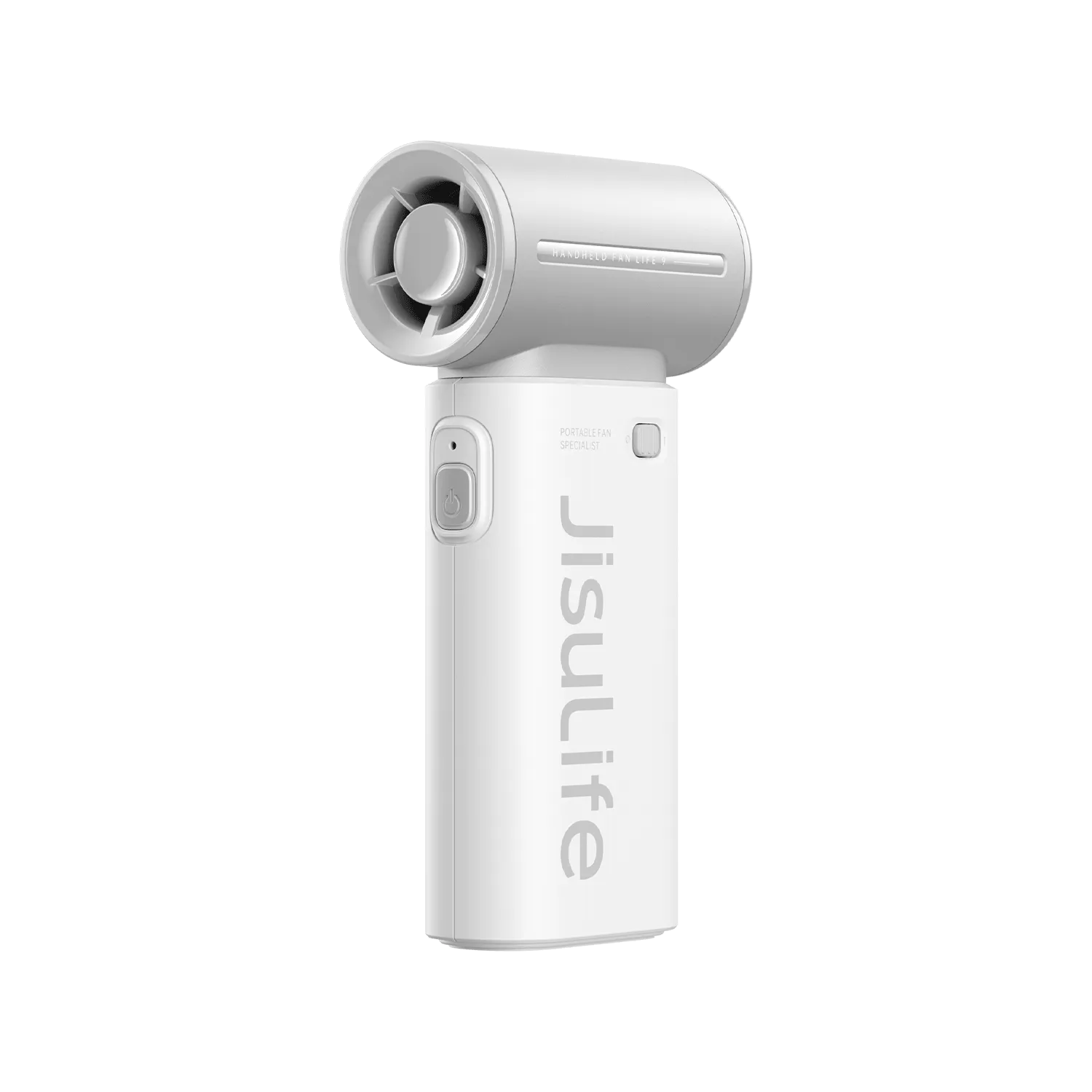
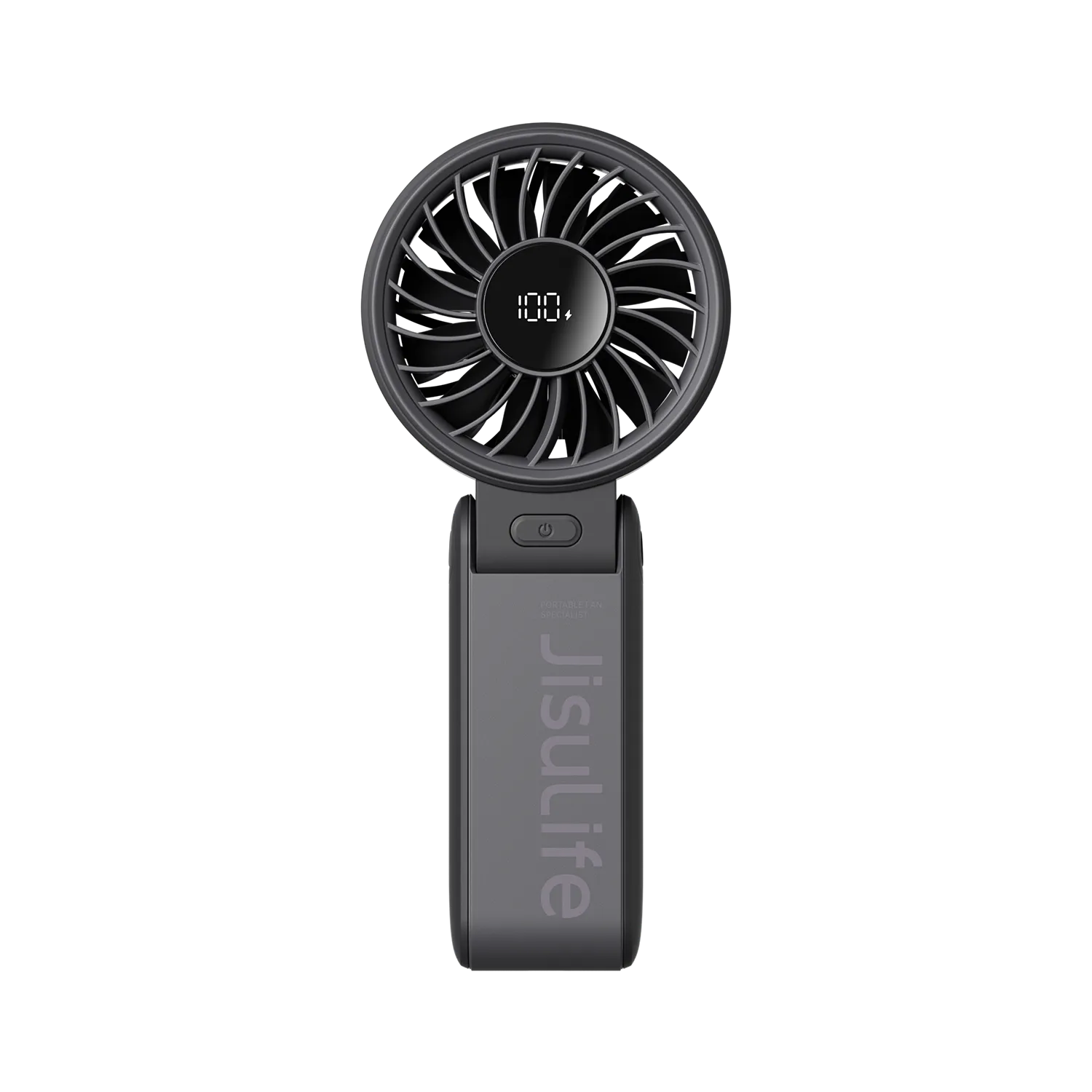
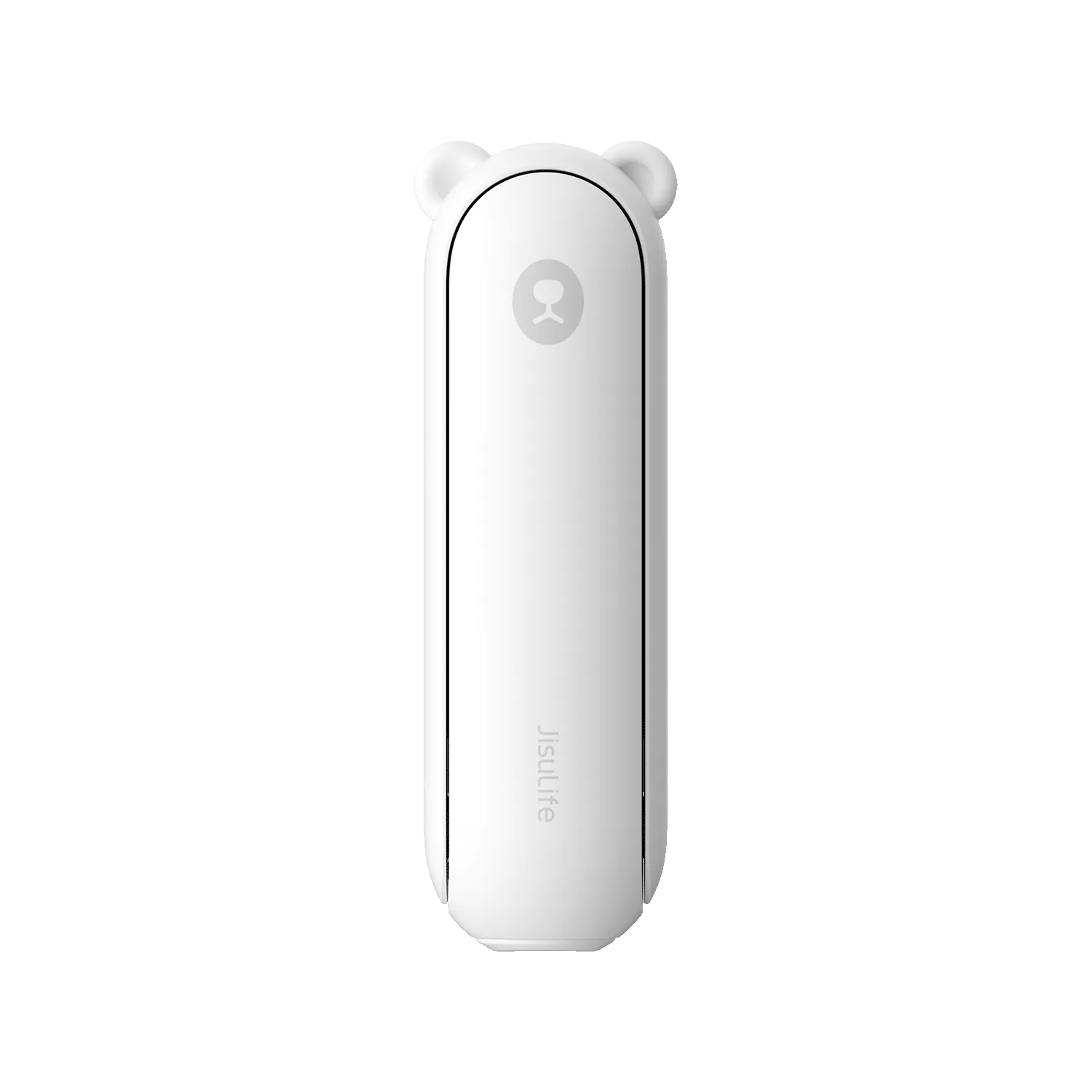
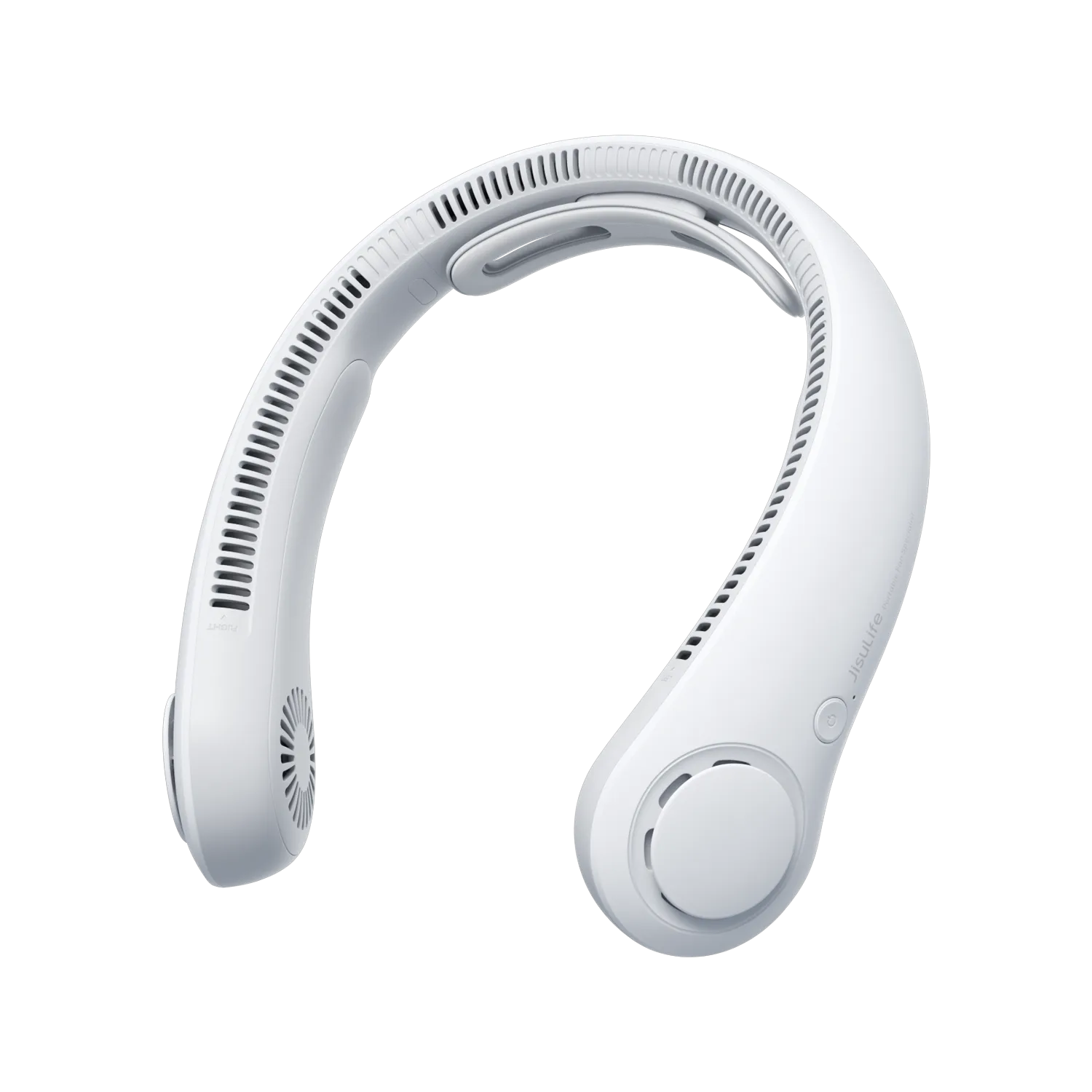
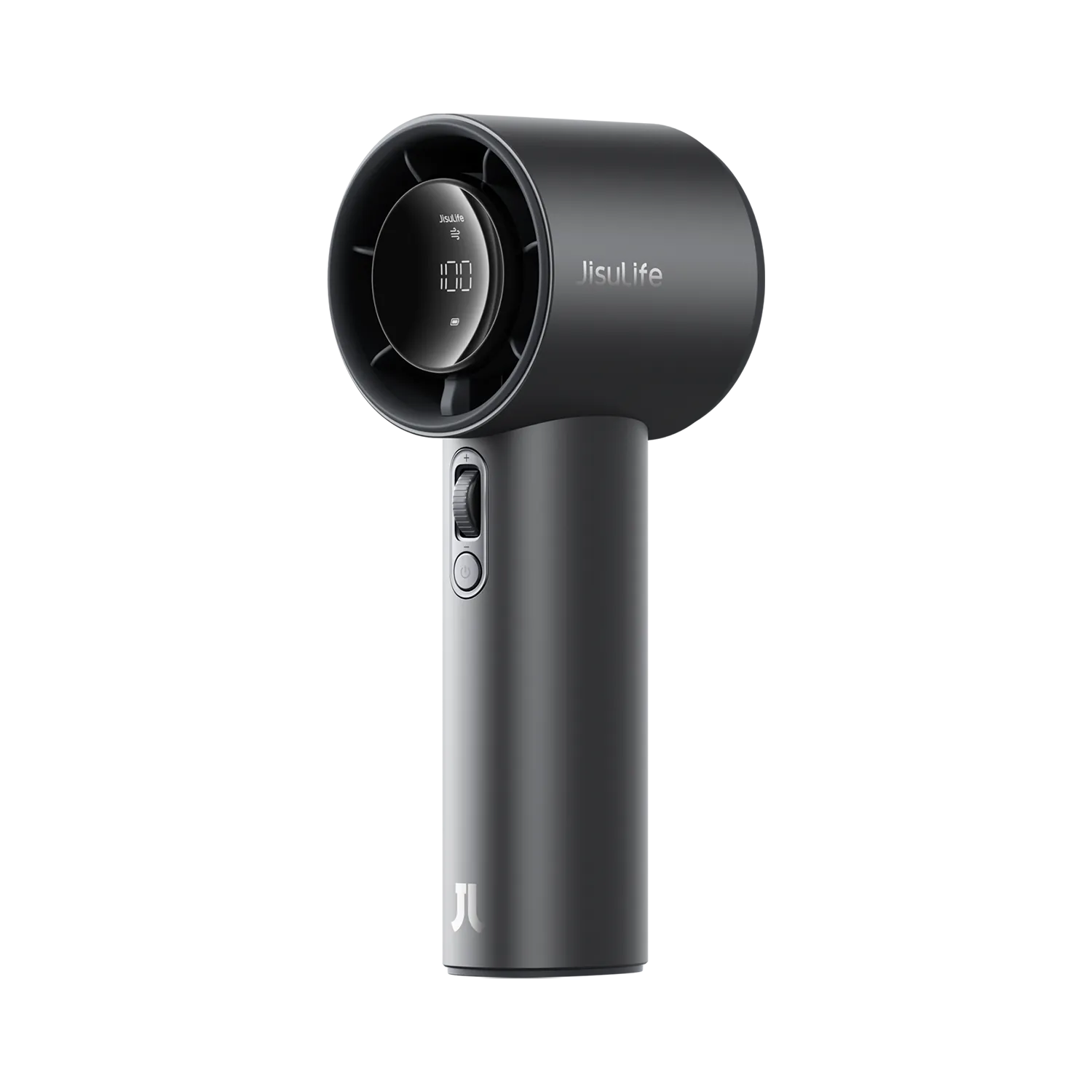
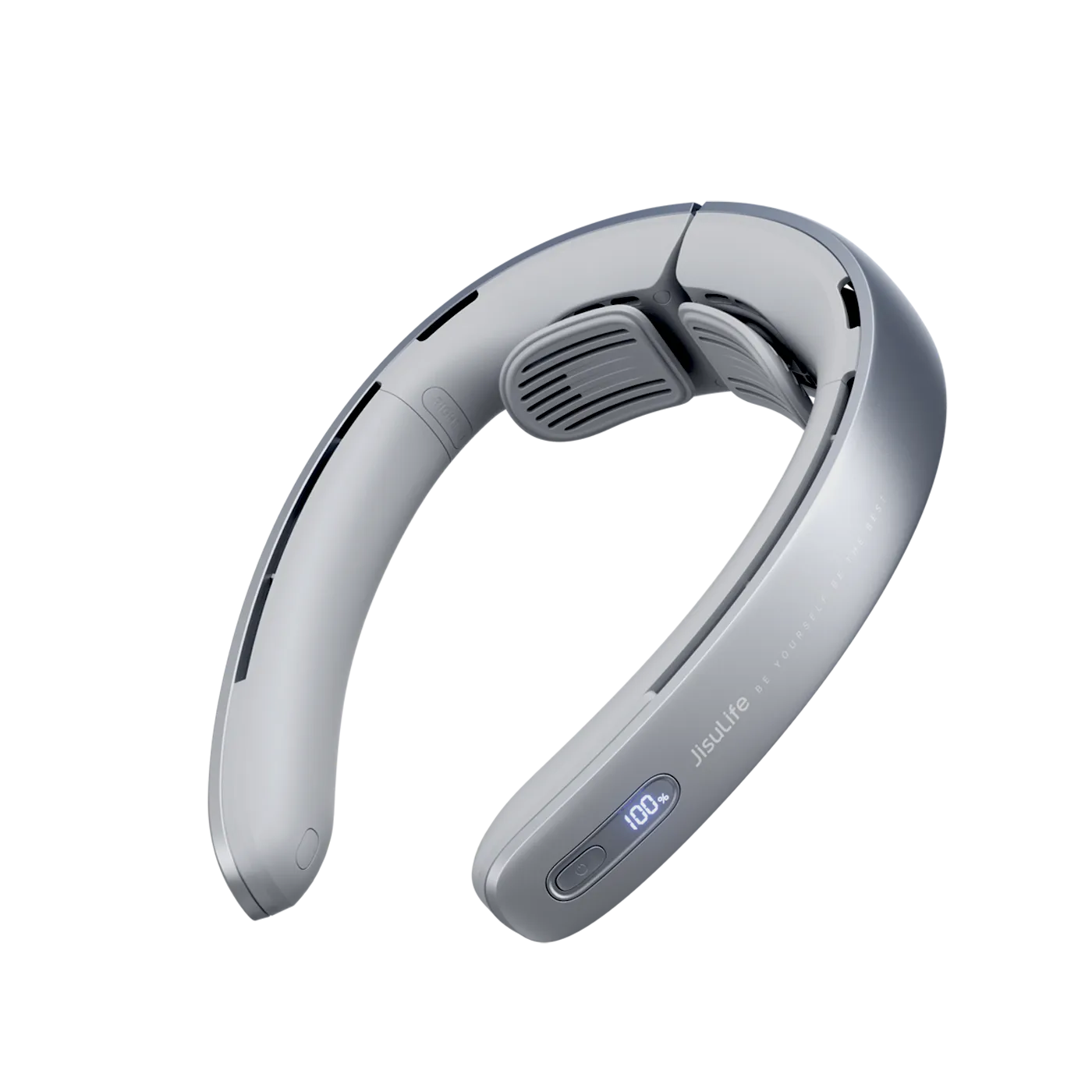
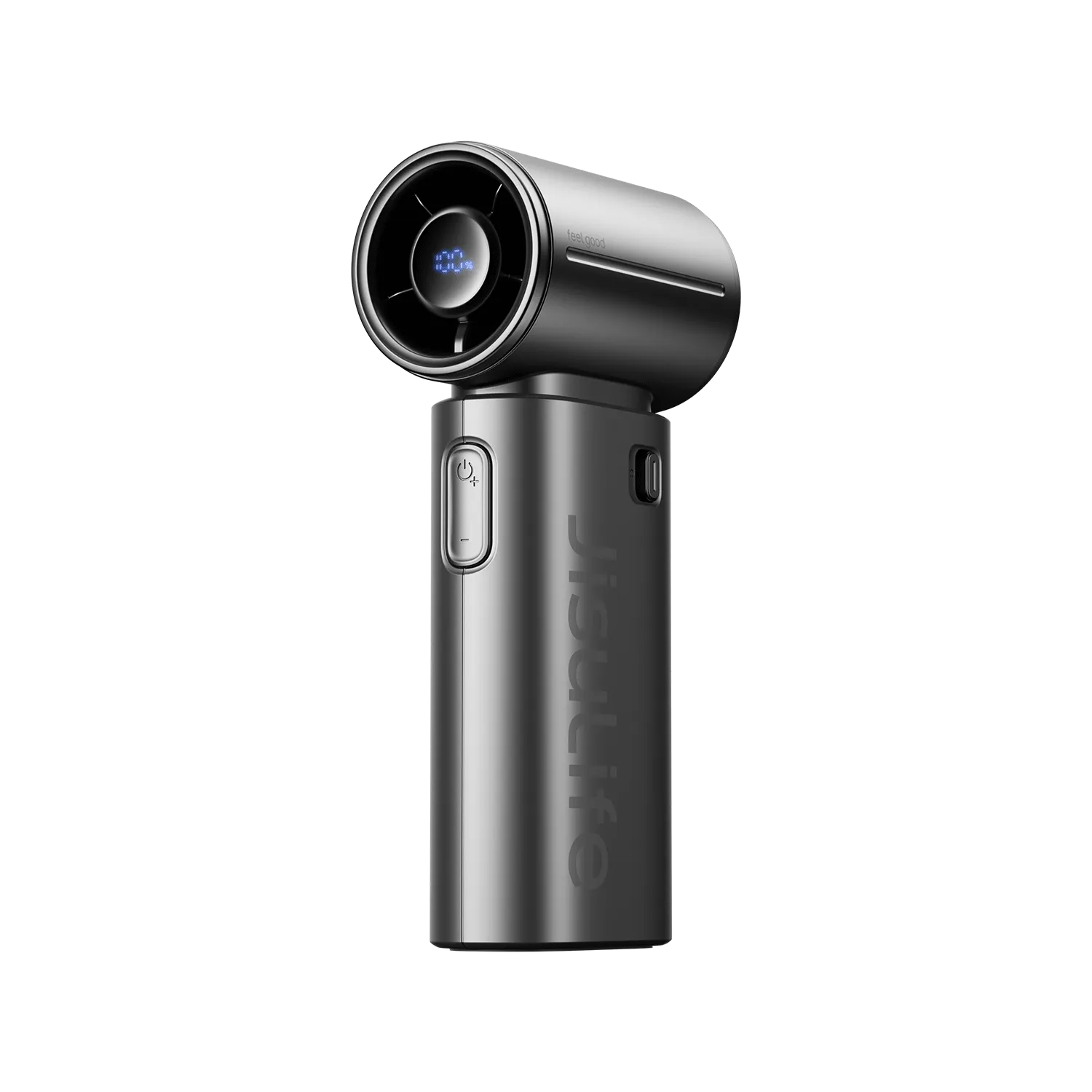


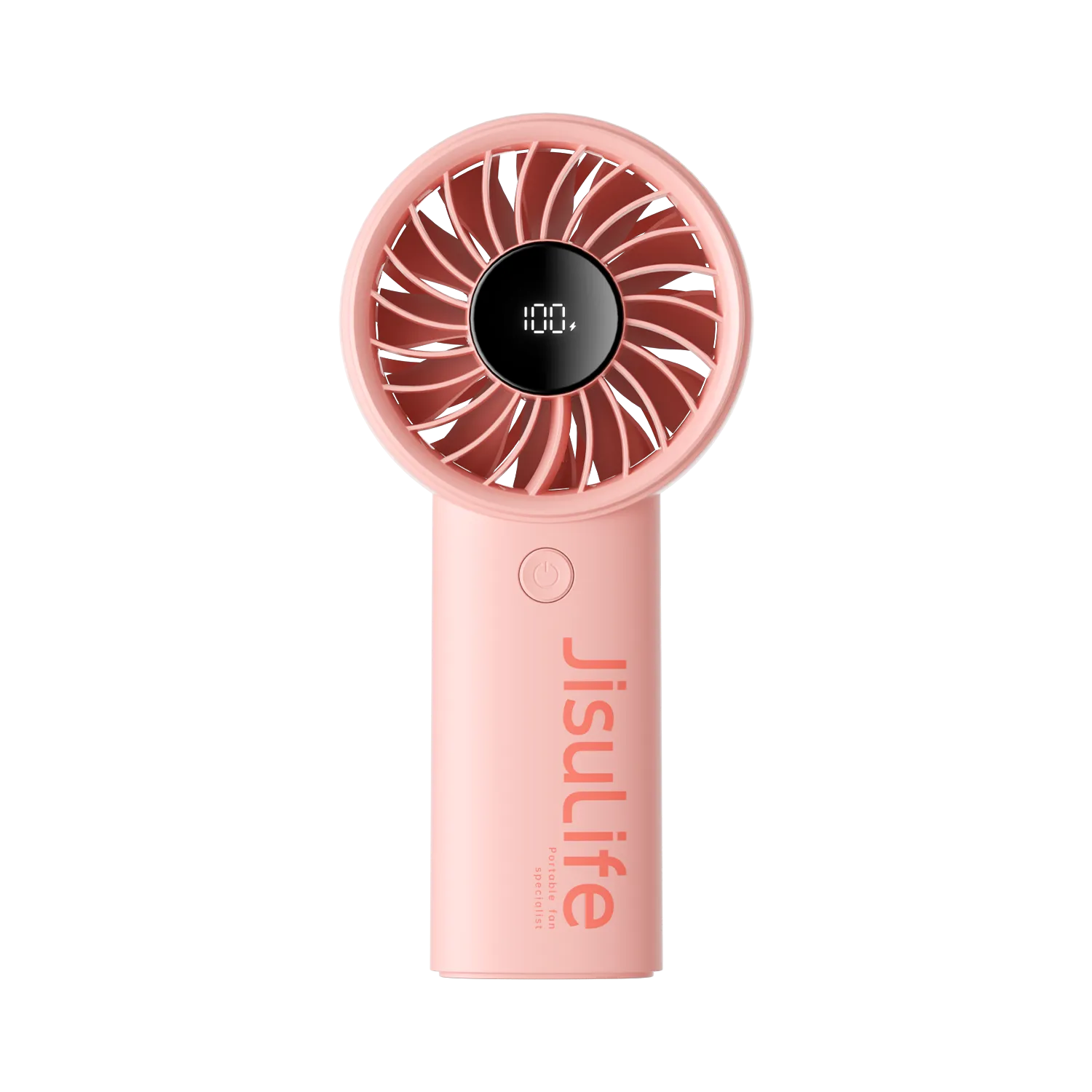
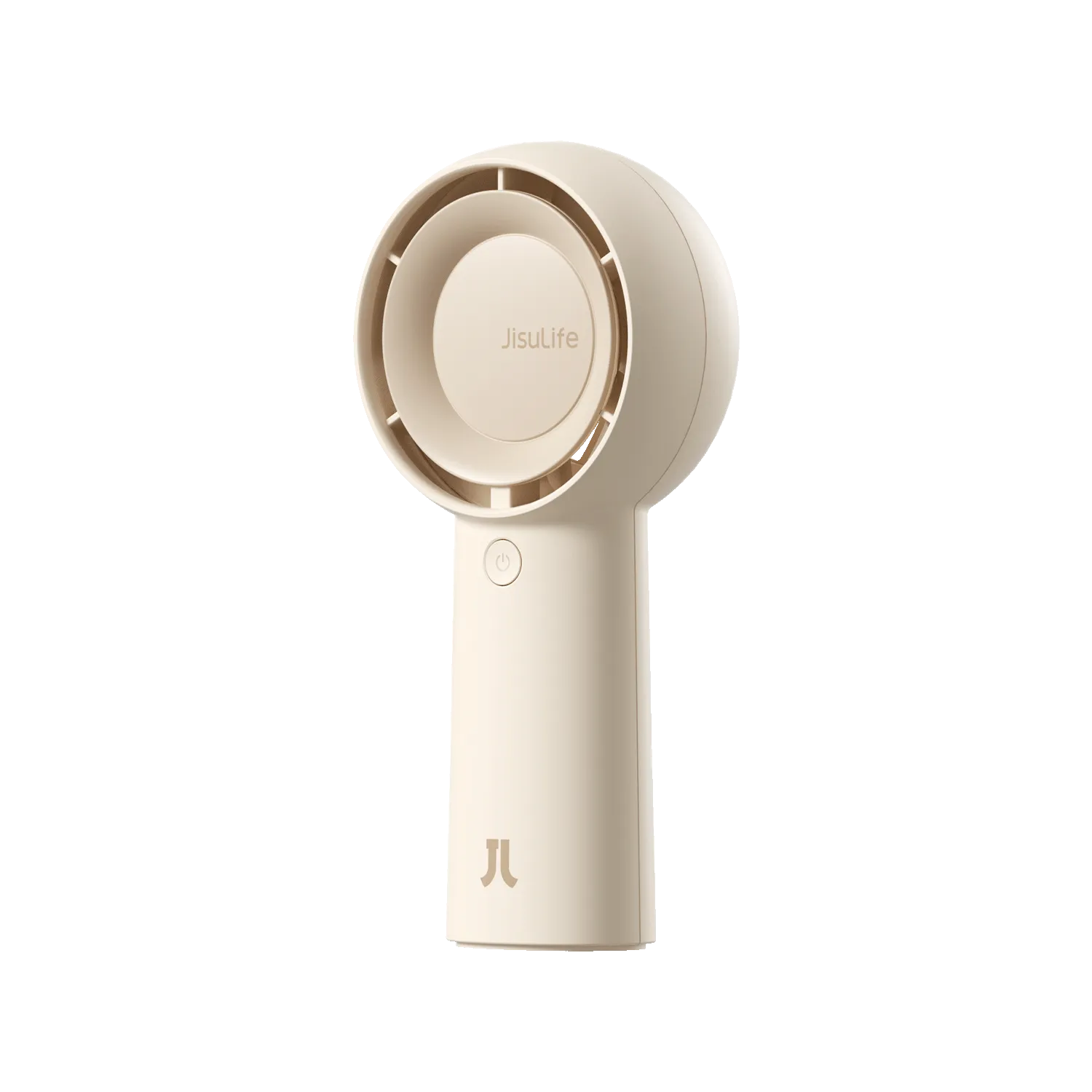
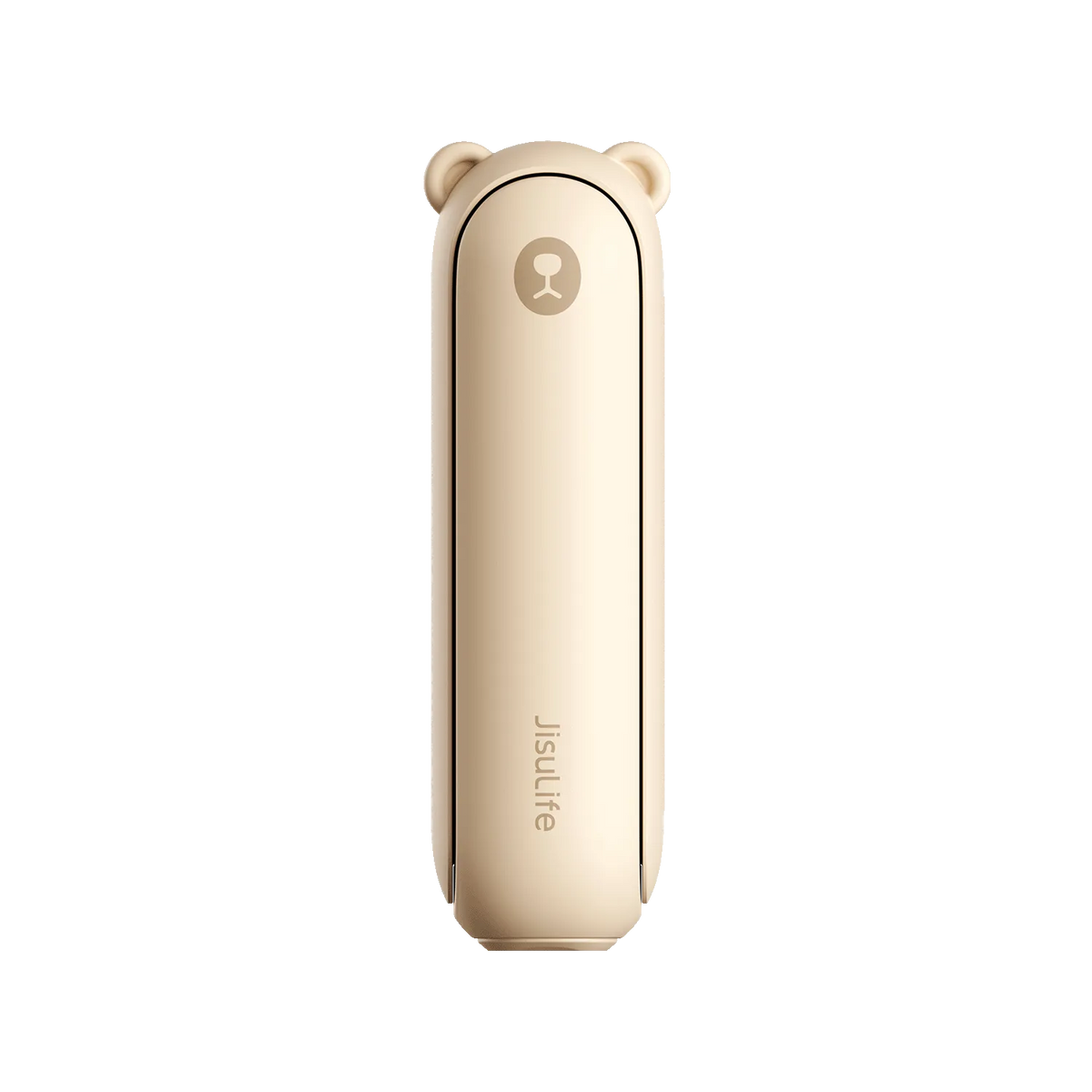
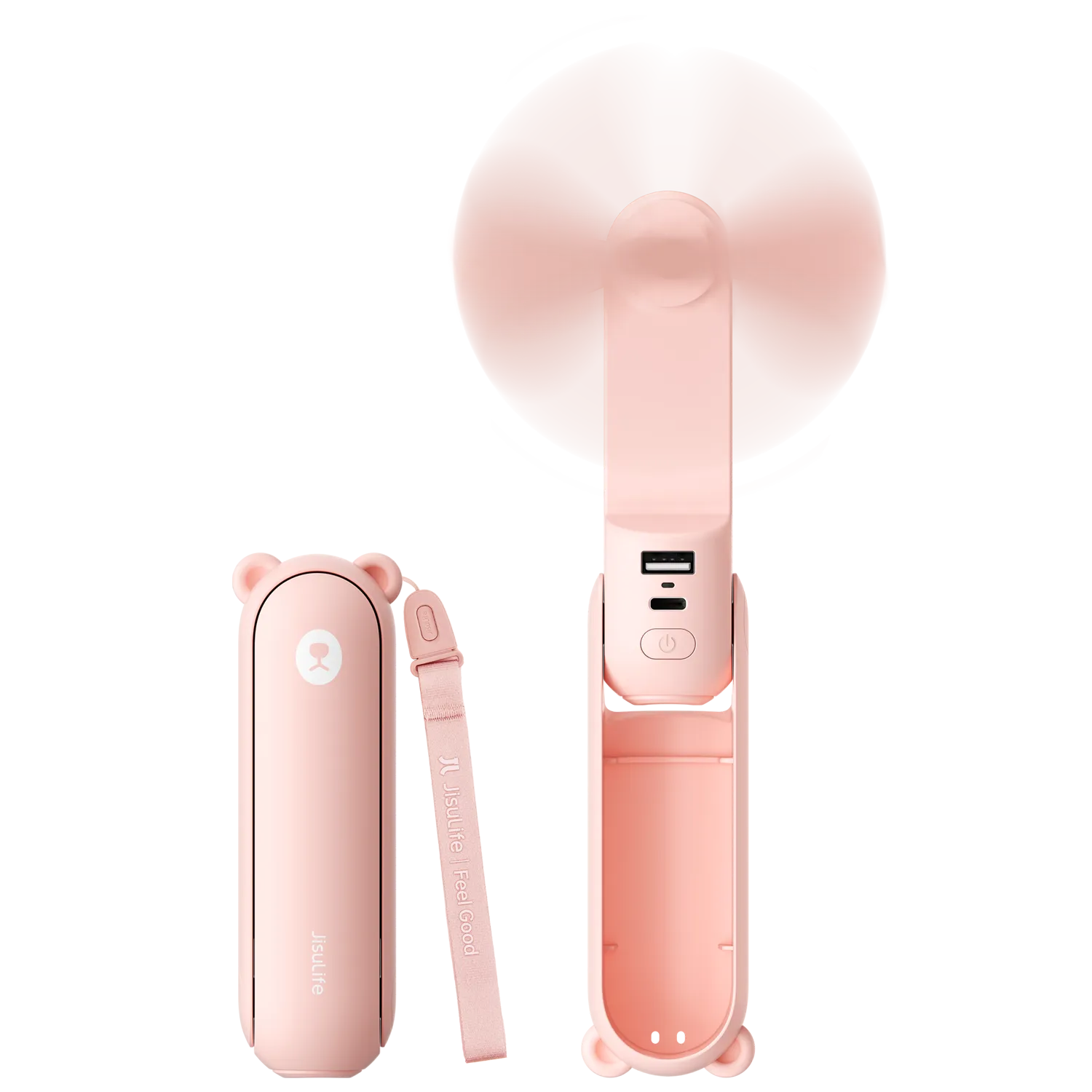
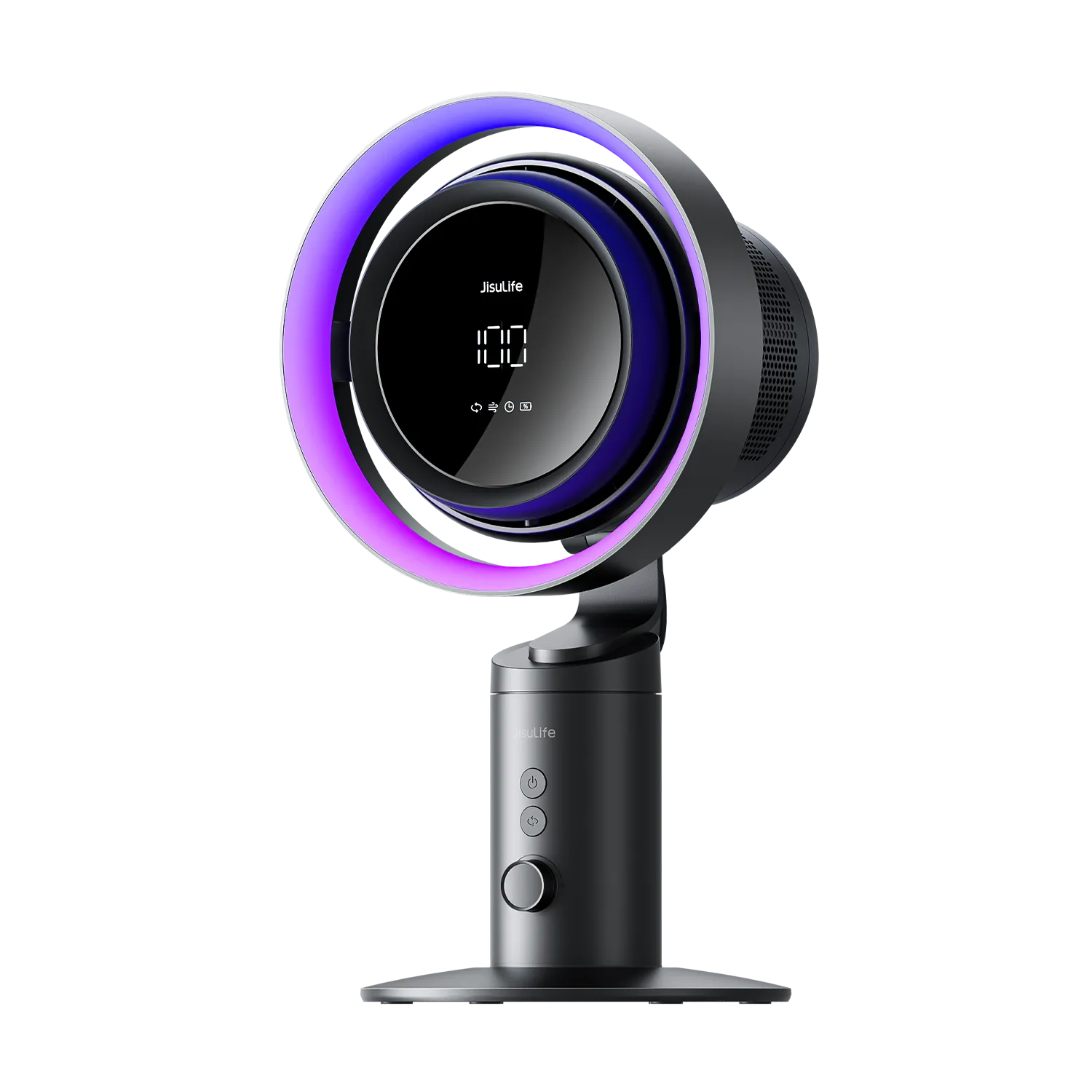
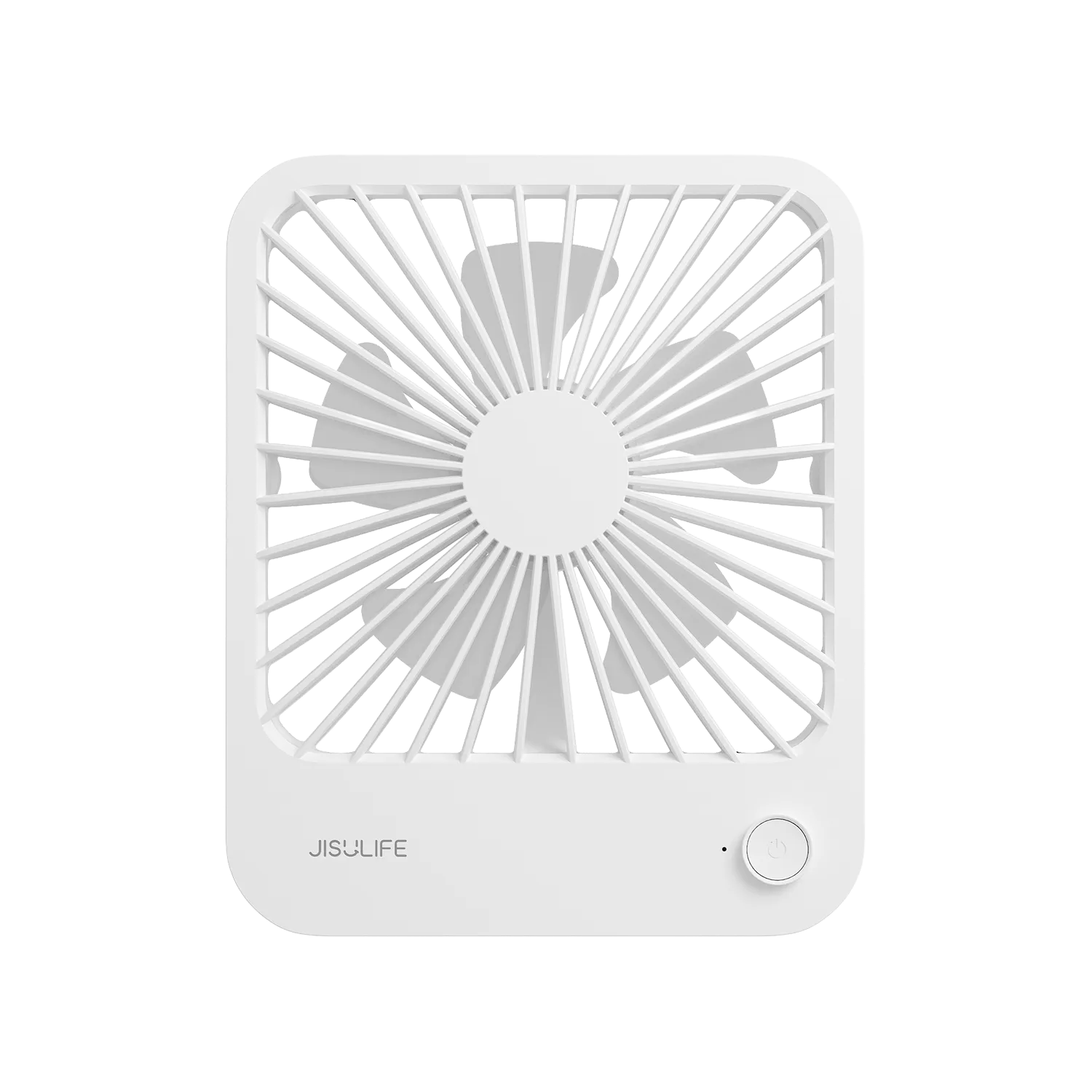
Hands-free fans offer a practical way to help keep children more comfortable during hot-weather family travel. Parents can manage strollers or luggage while directing airflow toward kids in seats or on the move. These devices complement shade, hydration, and sun protection rather than replace them, especially when temperatures climb toward the upper 80s or higher.
The challenges of managing heat while traveling with young children become clear quickly on summer trips. Kids often sweat less efficiently than adults. This makes them more prone to discomfort, restlessness, and signs of heat stress such as intense thirst. Parents juggle multiple tasks at once. They push strollers through crowded airports or theme parks while trying to keep everyone cool and safe.
How Airflow Helps Prevent Overheating in Strollers and Car Seats
Many families notice that traditional handheld fans prove awkward. They tie up a hand that could hold a bag or steady a toddler. Stroller covers may seem helpful at first. Yet draping a blanket or cloth over a stroller can create a furnace effect. Temperatures inside can rise by 32 degrees in just 20 minutes according to guidance from pediatric sources. This leaves little airflow and raises overheating risks.
After seeing how quickly heat builds in enclosed spaces, many parents look for better airflow options. Battery-operated fans attached to stroller frames deliver forced convection. This approach helps reduce heat stress more effectively than passive covers. One analysis of low-cost cooling strategies found that such fans lowered temperatures noticeably in infant strollers during hot weather.
Airflow works by moving air across skin and clothing. The motion supports the body’s natural cooling even when sweat production is limited in young children. In car seats or strollers during layovers, a small fan can prevent stagnant air from trapping heat. Parents often report calmer kids and fewer complaints of discomfort when they add this circulation.
Yet fans work within limits. Health experts recommend using them only when temperatures stay below about 90°F. In extreme heat above this threshold, fans may actually increase body temperature or speed up dehydration. Always prioritize shade, fluids, and breaks in cooler areas.
Matching Your Cooling Solution to Your Specific Travel Scenario
With basic airflow benefits in mind, the next step involves matching the right fan type to your family’s typical outings. Travel situations vary widely. Some days center on stroller time while others involve lots of walking through attractions.
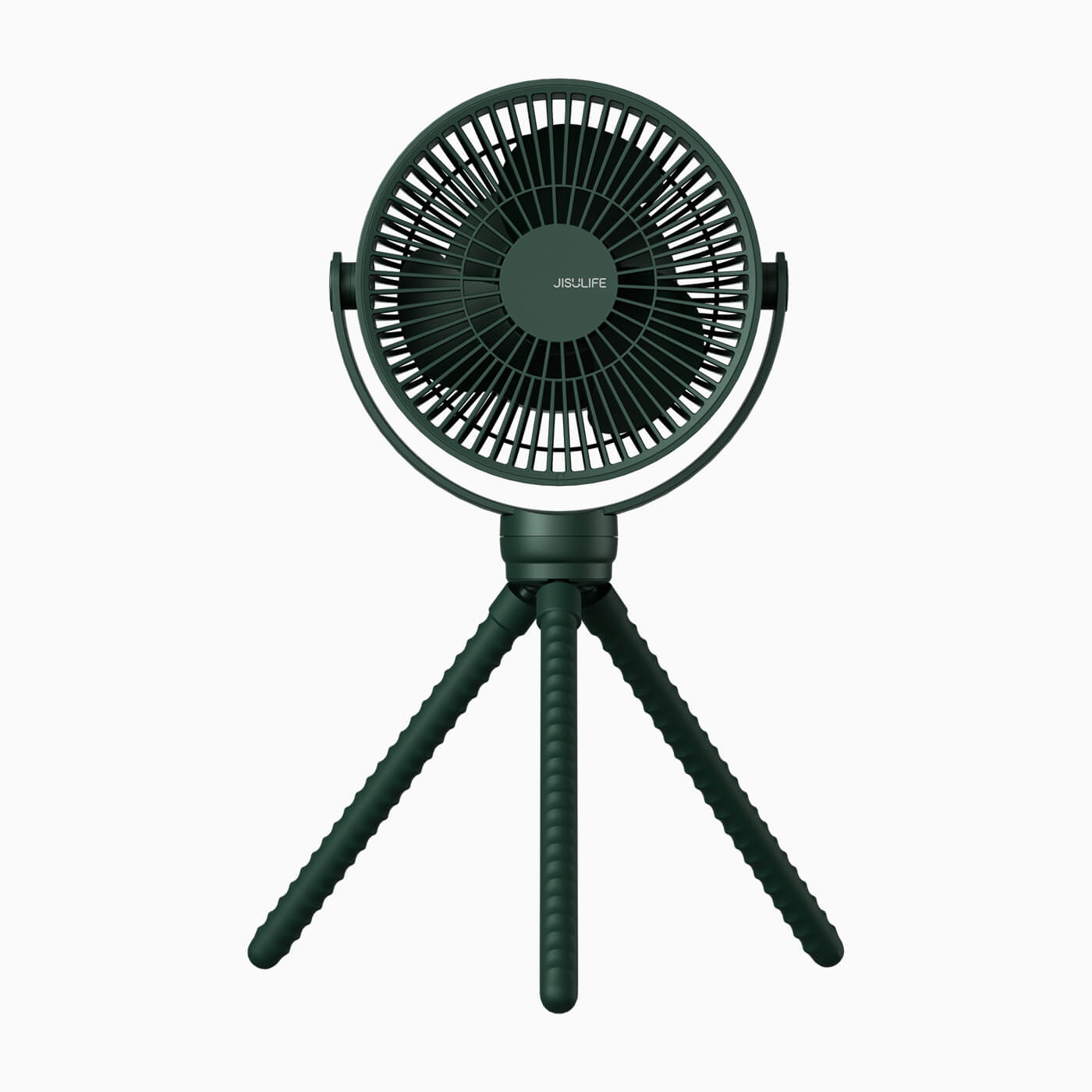
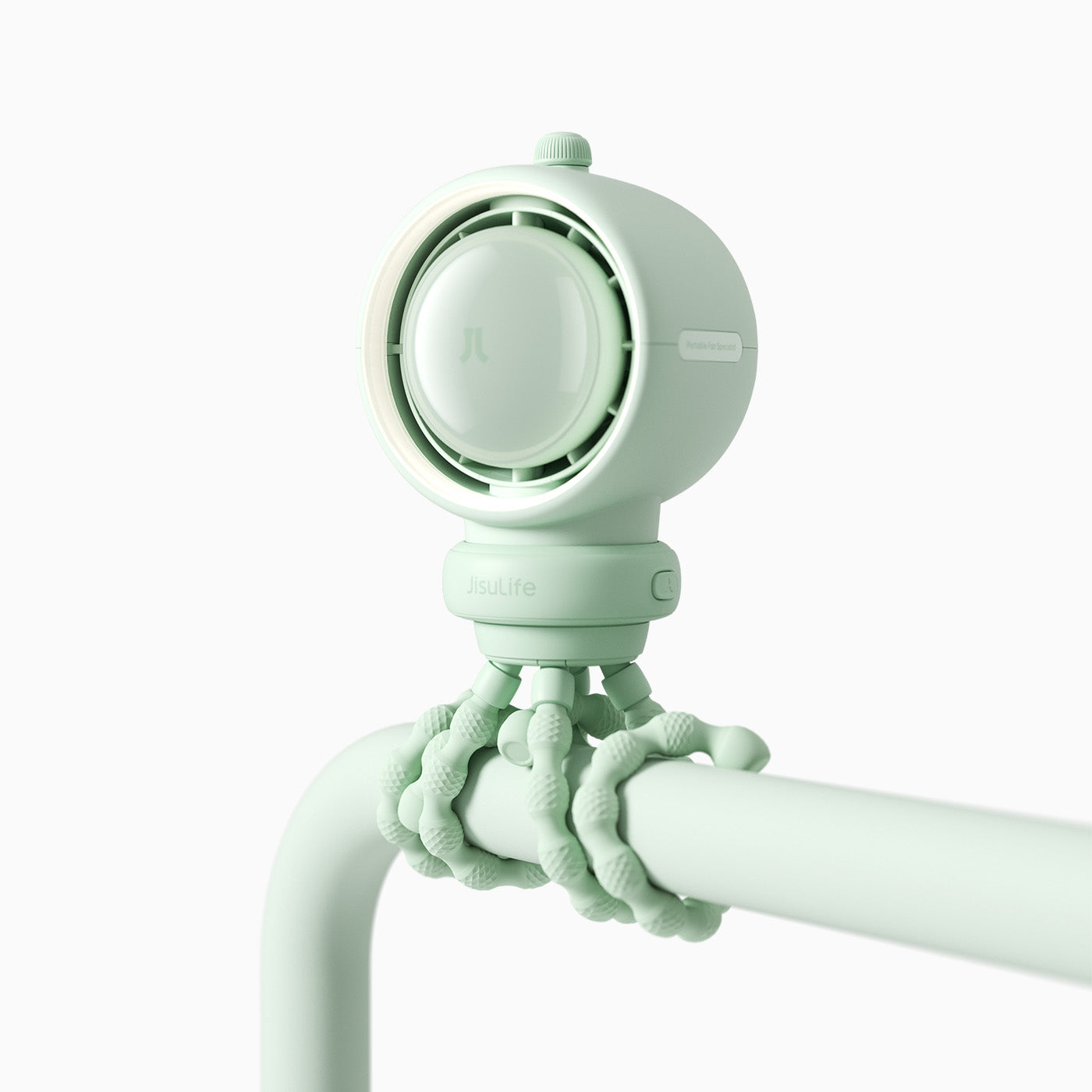
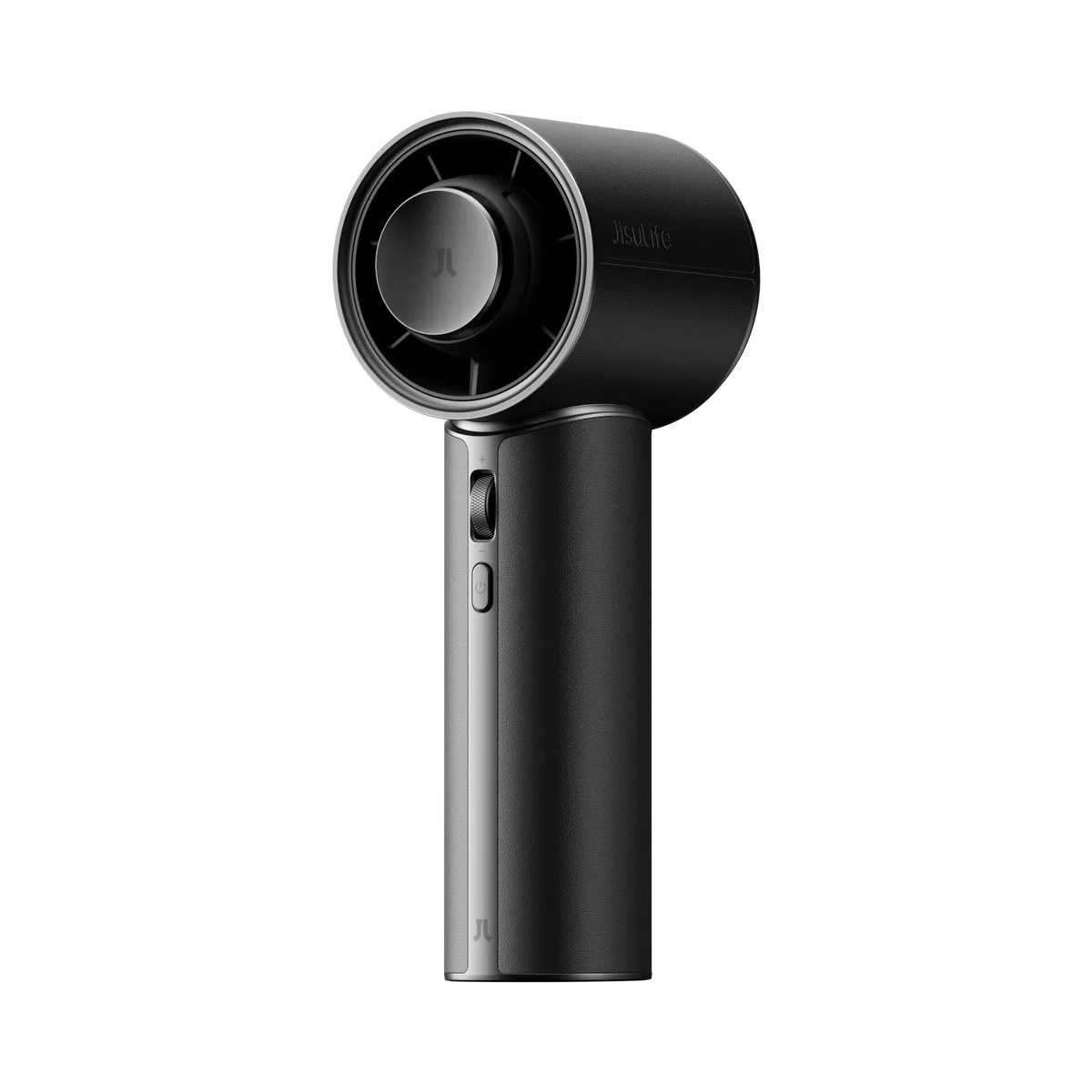
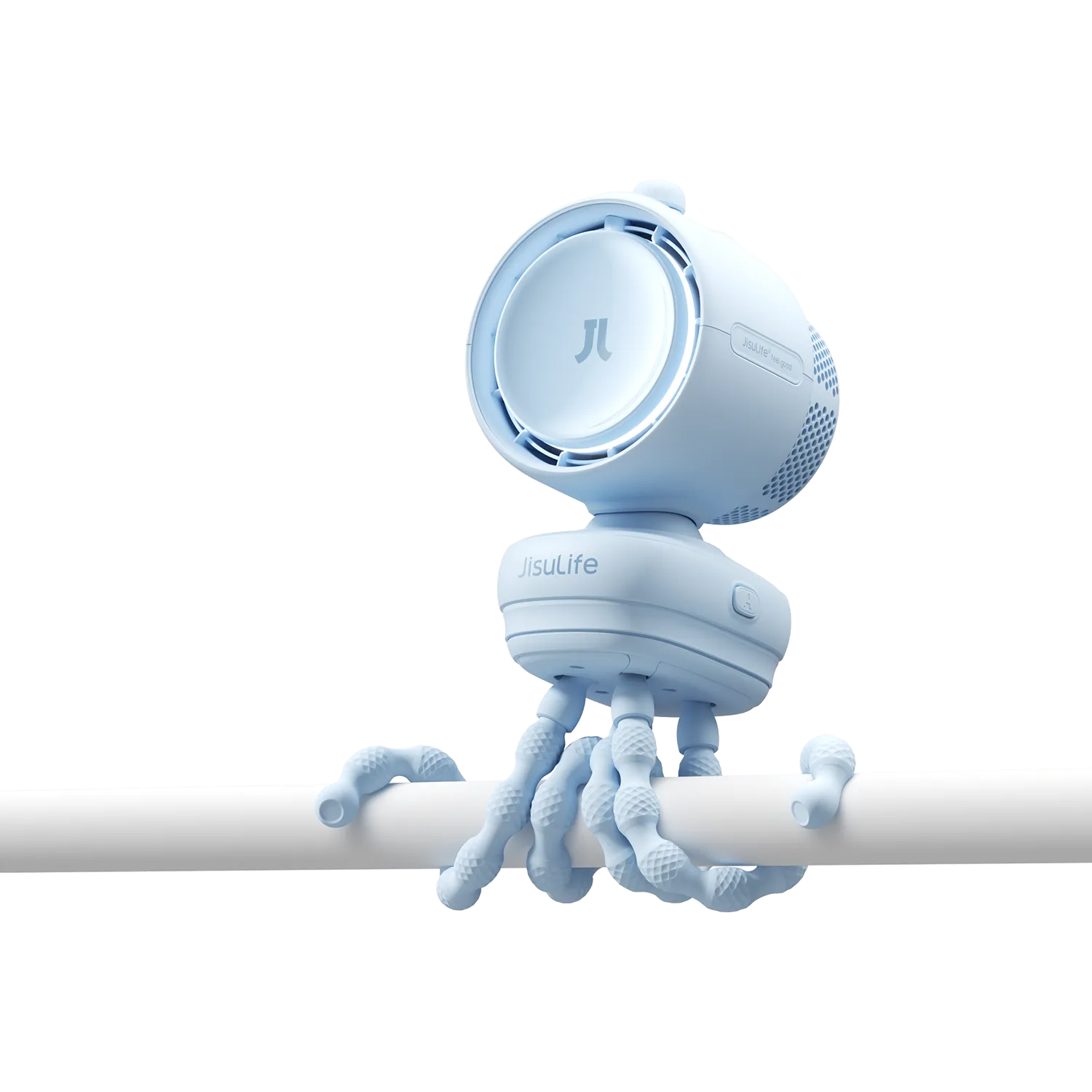
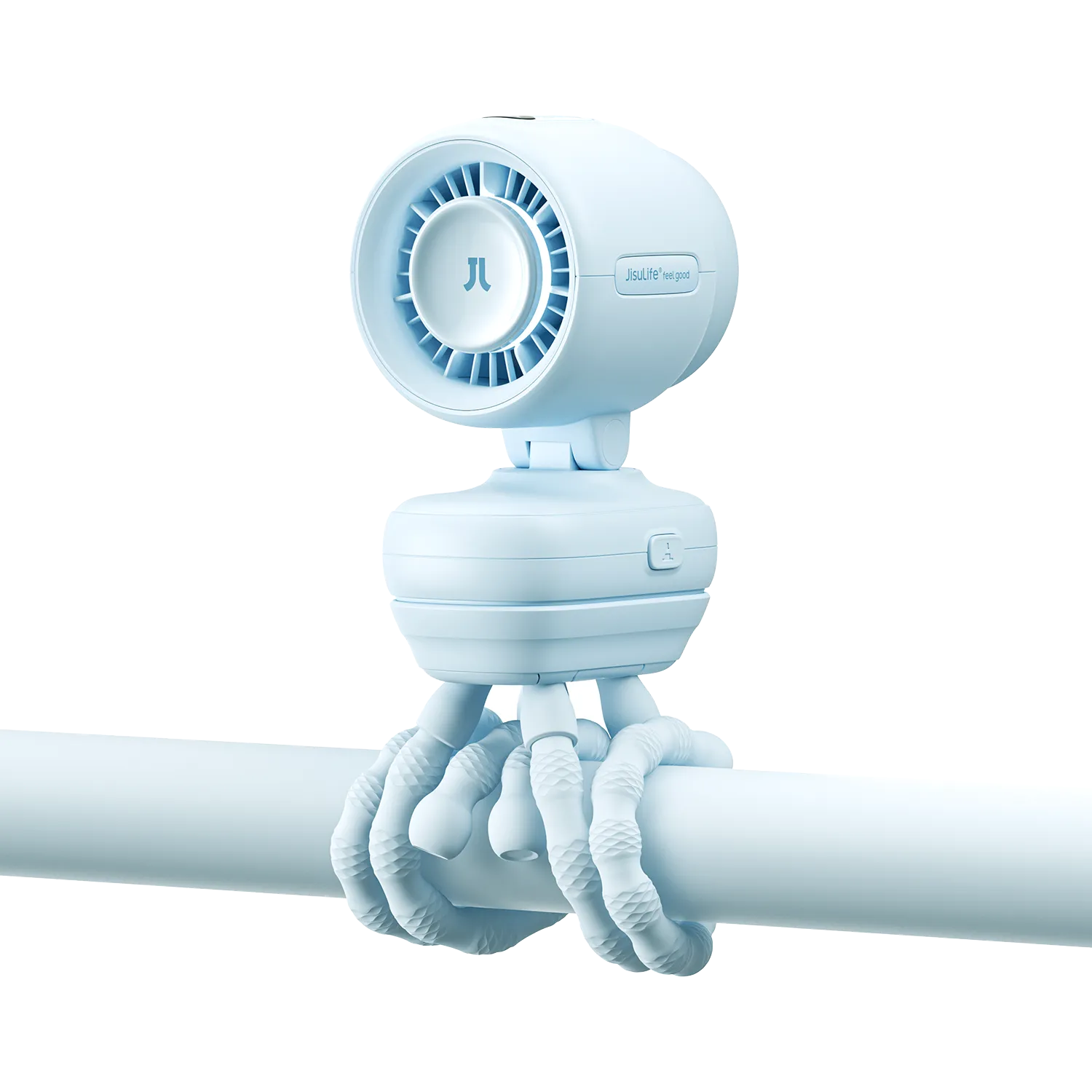
Stroller fans suit families whose little ones spend most of the day seated. These clip-on or tripod models attach securely to frames, handles, or car seats. They direct steady air toward the child without requiring anyone to hold them. This setup frees both parental hands for navigation through airports or busy parks.
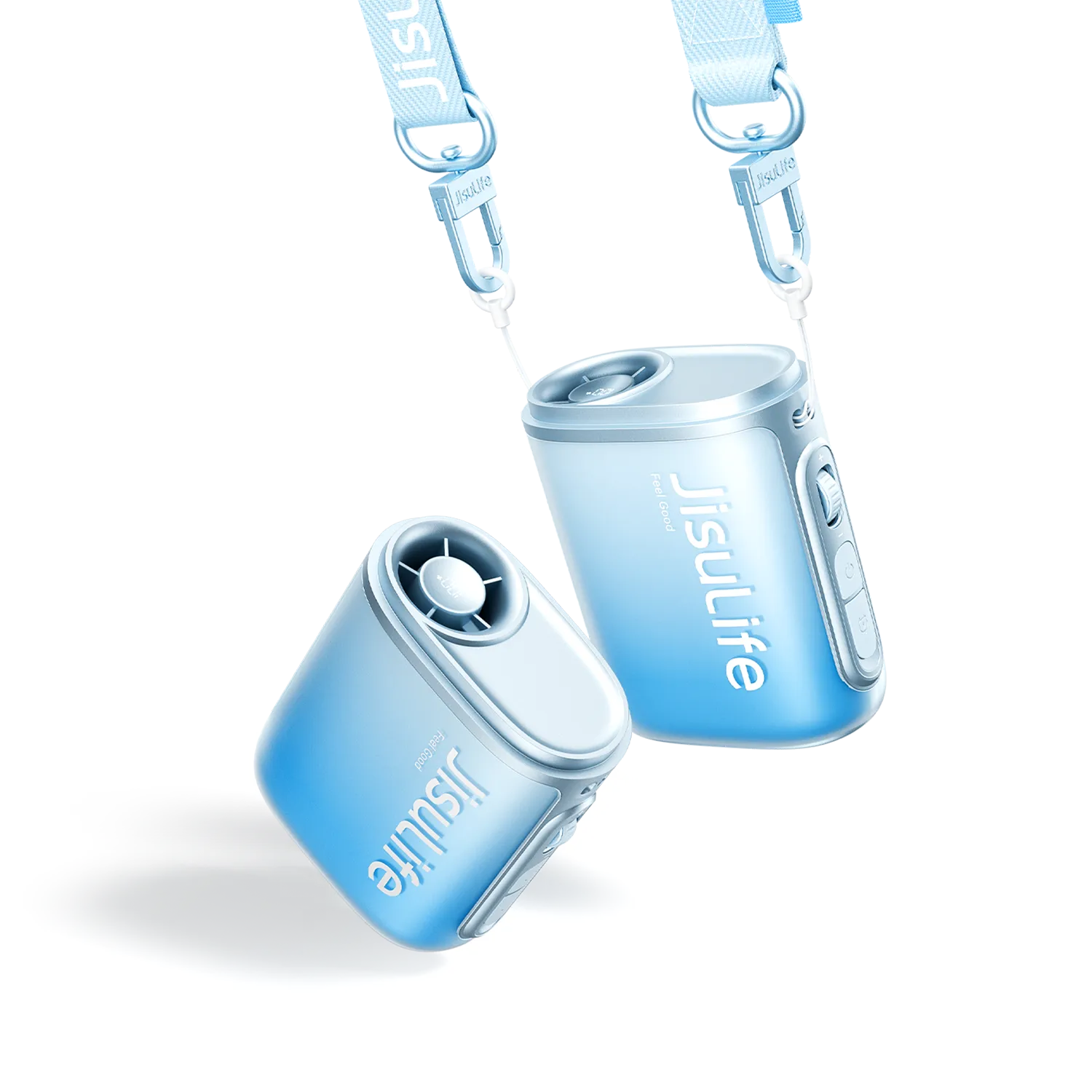
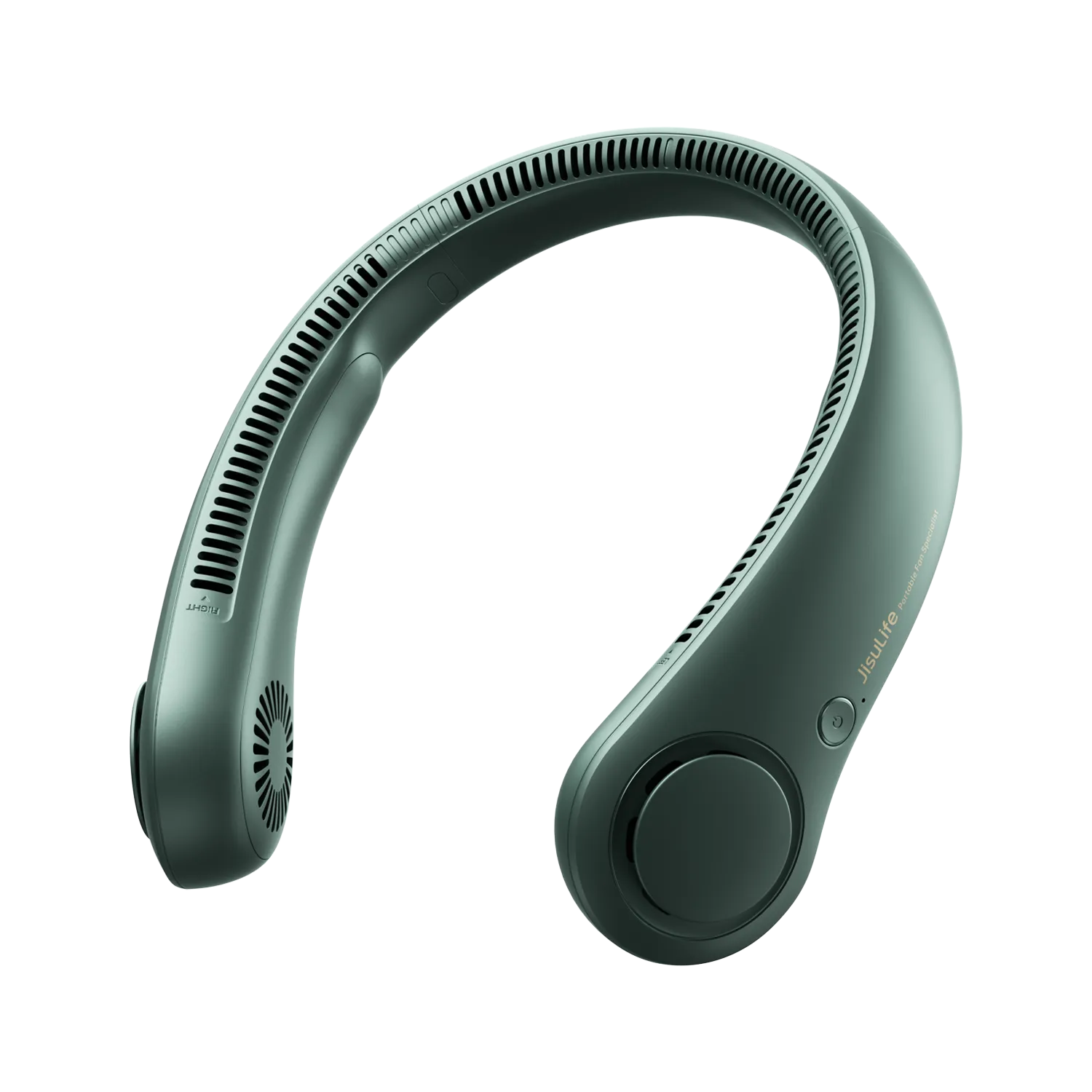
Neck fans work better for older children who walk independently. The wearable design sits comfortably around the neck and delivers personal airflow during active sightseeing. Parents appreciate the hands-free convenience when carrying backpacks or guiding multiple kids. However, younger toddlers may find the weight or noise distracting.
A scenario matrix helps clarify these differences.
The table above shows typical fit levels on a simple scale. Higher numbers indicate stronger suitability for that scenario. Many parents combine both fan types on longer days. A stroller fan keeps a baby comfortable during waits while a neck fan helps the adult stay alert in lines.
Scenario-Specific Insights
Airport layovers often favor stroller fans for seated infants. Theme parks present mixed needs. Walking kids benefit from wearable options while babies in carriers or strollers do better with clipped airflow. City walks and road trips reward lightweight, rechargeable models that last through the day. Results vary by humidity and activity level. Many families notice improvements when they test setups at home first.
For more ideas on family outings, see the article on how to stay comfortable while traveling. Another helpful read covers portable cooling for extreme heat.
Safety Standards for Children’s Portable Cooling Devices
Once you narrow down scenarios, safety features deserve close attention. Young children explore with their hands. They may reach toward moving parts or small components. Bladeless designs reduce laceration risks significantly. Safety agencies have recalled models with exposed blades after finger injuries occurred.
Secure battery compartments matter too. They prevent small parts from becoming choking hazards. Look for models that meet consumer product standards for electronics used around kids. In warm conditions, monitor for any signs of discomfort and take breaks as needed.
For Babies and Toddlers
Attach fans securely outside of reach. Direct airflow across the body rather than straight at the face. Check straps or clips regularly during use. These steps help prevent accidents while delivering cooling benefits.
For Parents on the Move
Choose lightweight options that stay balanced. Test noise levels beforehand since some children startle easily. Combine the fan with loose clothing and frequent hydration stops. Young children show heat sensitivity differently than adults.
Maximizing Comfort and Battery Life on Long Vacation Days
Safety practices set a strong foundation. From there, simple habits extend the value of your cooling tools across full vacation days. Lower speed settings often preserve battery life without sacrificing noticeable airflow. Many rechargeable fans last six to ten hours on a moderate setting depending on conditions.
Strategic breaks in air-conditioned spots refresh everyone. These pauses let devices cool down and recharge if needed. Fans circulate air effectively but work best alongside other measures. Loose, light-colored clothes, plenty of water, and shaded routes make a big difference.
Consider your typical day length when selecting capacity. Shorter outings may need only basic runtime. Longer theme-park visits reward models with larger batteries or quick USB charging. The

, for instance, packs a 9000mAh battery with up to 25 hours of runtime and 18W fast charging, enough to power through a full day at the park without hunting for an outlet. Noise levels matter in quiet settings like museums or during naps. Quieter operation keeps the peace for the whole family.
Explore our neck fan collection or baby fan options to match your needs. The clip fan range also includes versatile models for strollers and seats.
Prepare Your Family for a Cooler Summer Adventure
Different travel patterns call for different priorities. Families who mostly use strollers may prefer dedicated clip models. Those with walking toddlers often choose wearable designs or a mix of both. Check attachment security, battery security, and noise before purchase. These details help avoid frustration on the road.
Many parents appreciate the freedom that comes from keeping hands available. They report easier navigation through crowds and less fatigue on hot days. Still, fans remain one piece of a larger plan. Hydration, timing, and awareness of local weather keep everyone safer.
Hands-free fans can support more comfortable family travel when selected thoughtfully. Focus on your most common scenarios and safety features such as bladeless construction. Pair them with shade and fluids for reliable results. Browse cooling collections now to prepare for your next warm-weather trip and create smoother adventures together.
Frequently Asked Questions
Q1: Do neck fans provide better personal cooling than stroller fans during active parenting?
Neck fans usually deliver more direct airflow to the parent pushing a stroller or carrying bags. This keeps the adult cooler and more focused on supervision. Stroller fans concentrate on the seated child instead. Many families carry one of each for full coverage on long days.
Q2: Can stroller fans safely run inside a covered stroller on warm days?
Stroller fans improve airflow only when the cover stays open enough for circulation. Fully sealed covers still trap heat regardless of the fan. Check temperature inside the seat often and remove covers when possible to let air move freely.
Q3: How long do most rechargeable fans last on a single charge during travel?
Most models run between six and twelve hours on moderate speeds. Higher settings shorten runtime to three or four hours. Bring a portable charger for full-day outings at theme parks or festivals where outlets are scarce.
Q4: Are bladeless designs worth considering for families with curious toddlers?
Bladeless designs reduce injury risk if small fingers reach the unit. They provide a safer margin in busy travel environments. Airflow strength remains comparable in many cases, so the added peace of mind often justifies the choice.
Q5: What additional steps improve fan effectiveness in humid travel conditions?
Position the fan to blow across skin rather than at clothing in humid air. Pair it with moisture-wicking fabrics and frequent shade stops. These adjustments help evaporation continue even when the air feels heavy.


Leave a comment
All comments are moderated before being published.
This site is protected by hCaptcha and the hCaptcha Privacy Policy and Terms of Service apply.