



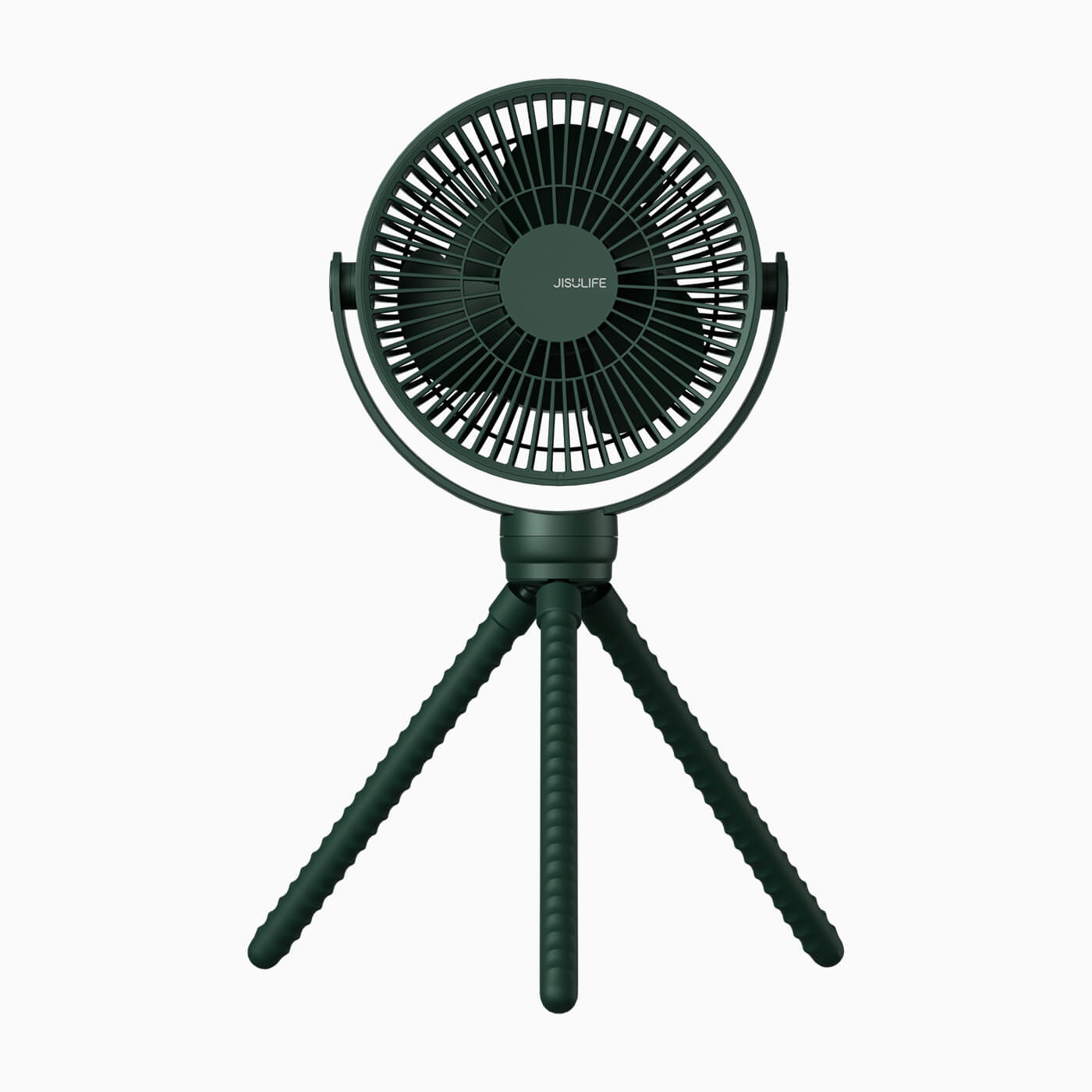
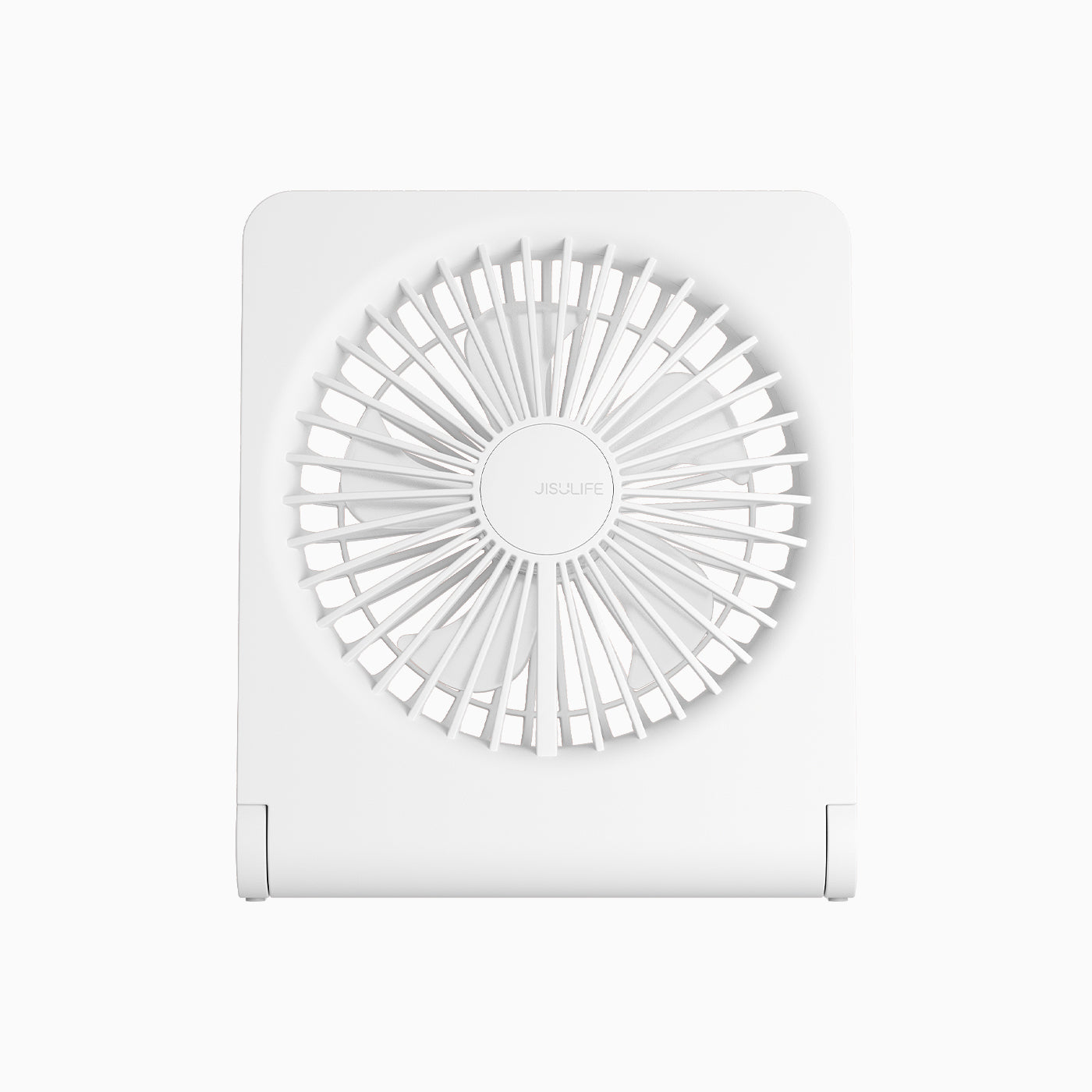
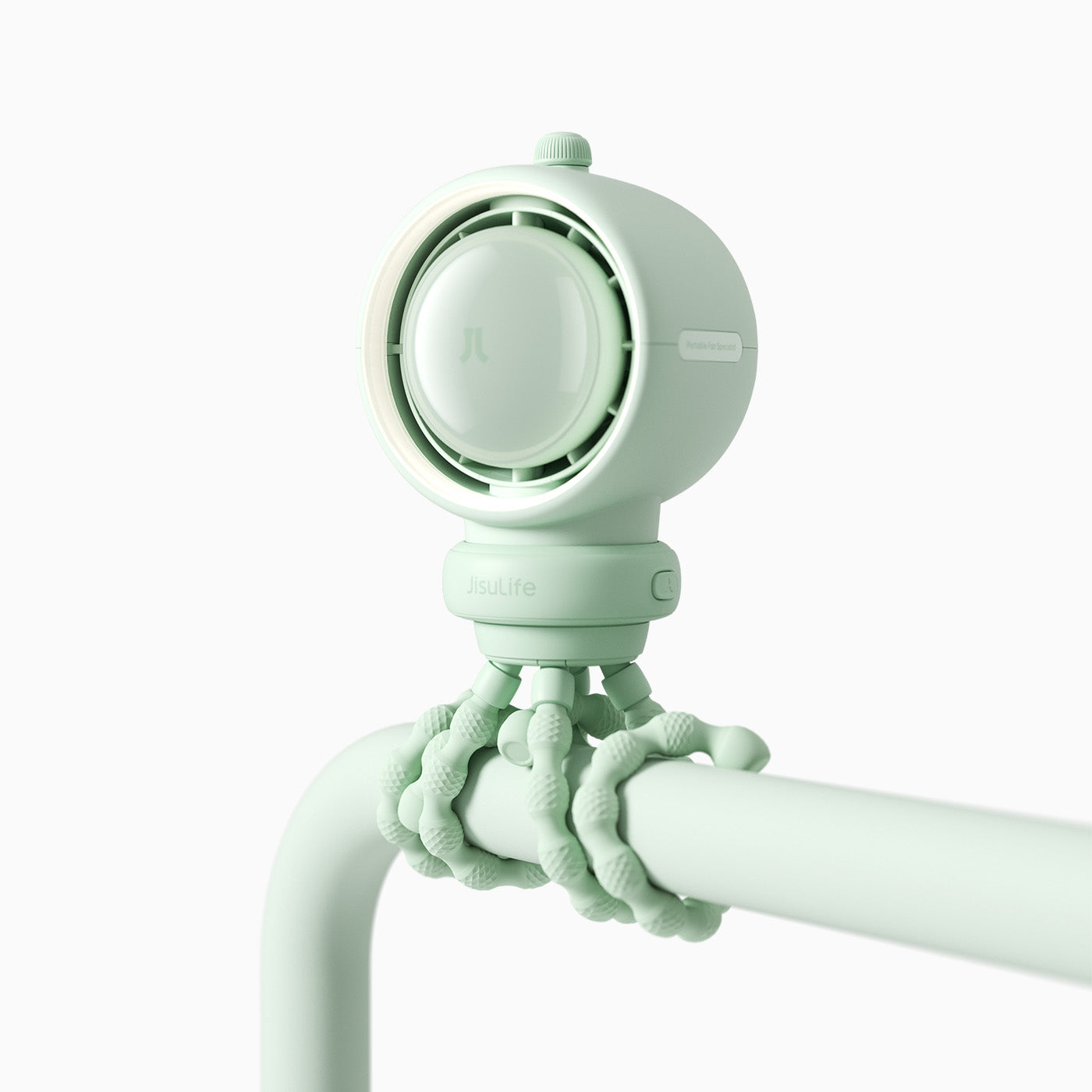
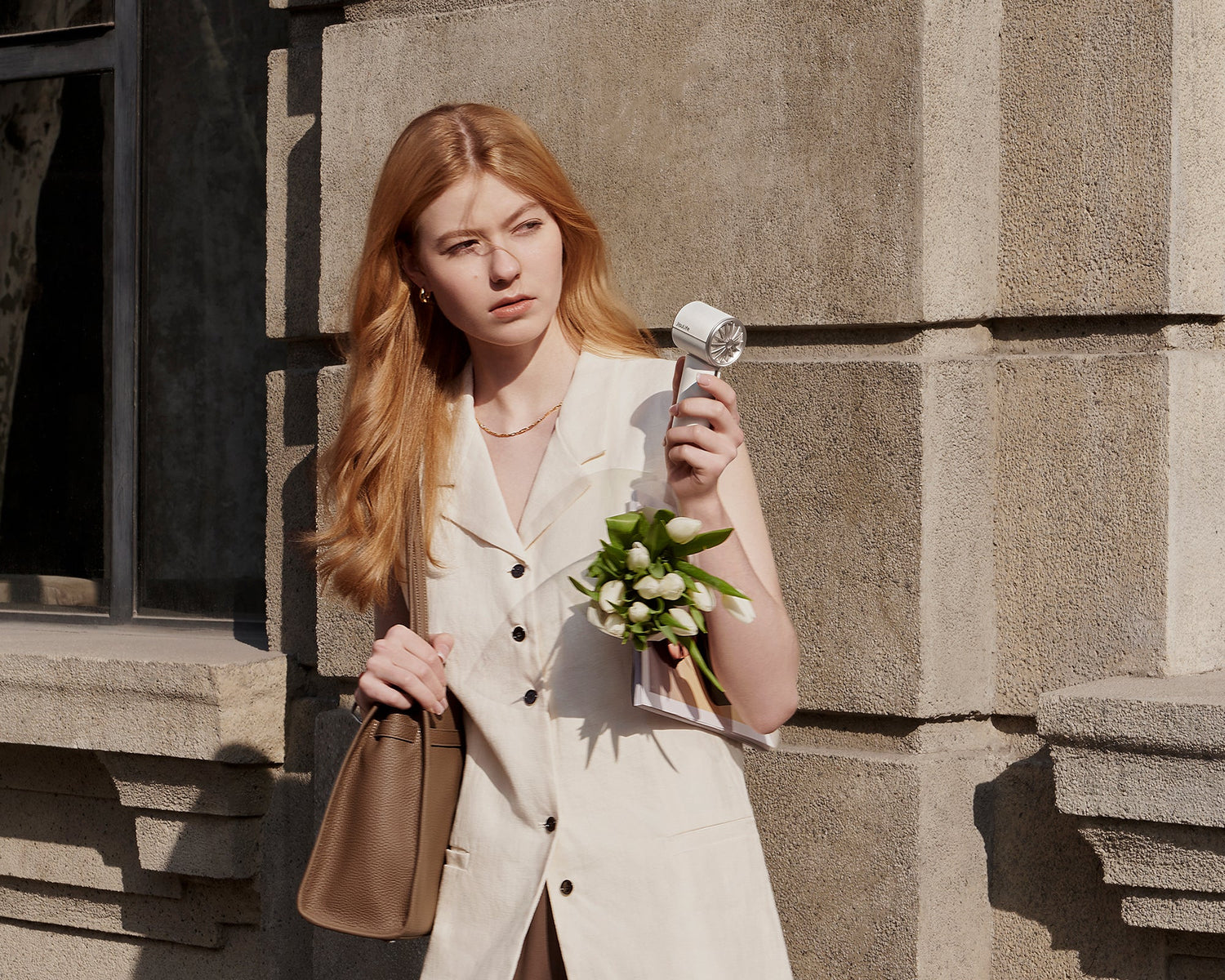
Heat waves across the U.S. are lasting longer and hitting harder every year. When temperatures stay dangerously high for days, one cooling method rarely covers everything. Portable cooling gadgets for extreme heat have improved dramatically. From wearable fans to compact air conditioners, the right combination of devices can help reduce heat stress whether you're indoors, outdoors, or on the move.
Why Heat Waves Demand a Range of Cooling Devices
A single hot afternoon is manageable. A heat wave stretching five, seven, or ten days is a different problem entirely.
How Extreme Heat Affects the Body
When outside temperatures soar, sweating becomes less effective, especially in humid conditions. The body's core temperature rises. Without cooling and hydration, heat exhaustion can develop and may progress to heat stroke, which is a medical emergency. During a prolonged heat wave, warm nights can make it harder for the body to recover fully, so fatigue and risk can build over time.
The Groups Most at Risk
Older adults, young children, outdoor workers, and anyone with heart or respiratory conditions face the highest danger. For these groups, consistent cooling is a health priority, not a preference.
Why One Device Rarely Covers Everything
Your cooling needs shift throughout the day. What works at a desk doesn't work on a job site. What helps outdoors does little for a stuffy bedroom at midnight. The goal is to match each device to the right situation, and that awareness is what separates people who stay comfortable from those who don't.
The Essential Portable Cooling Devices for Heat Wave Survival
Here is every category worth considering, and when each one actually helps.
Handheld Fans
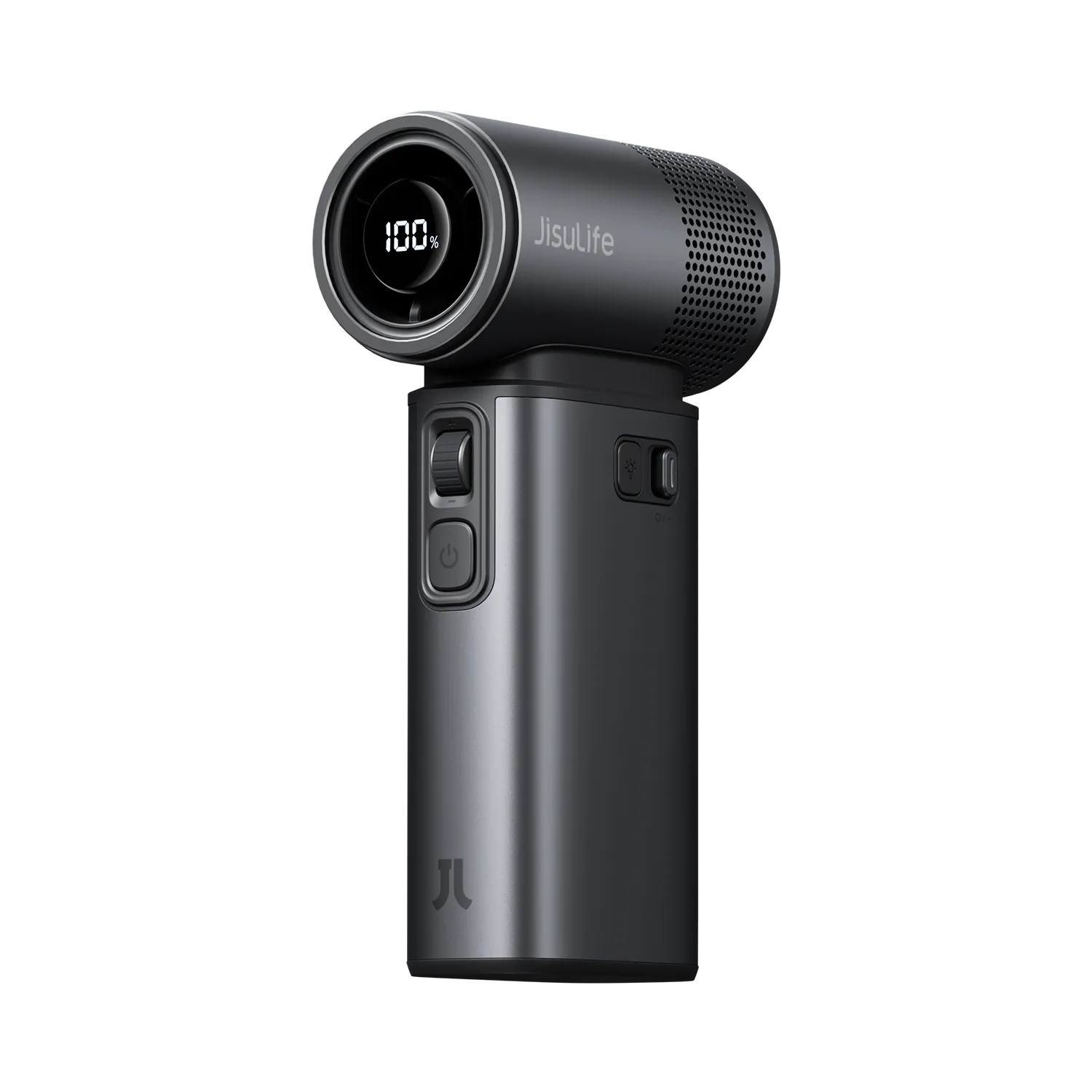
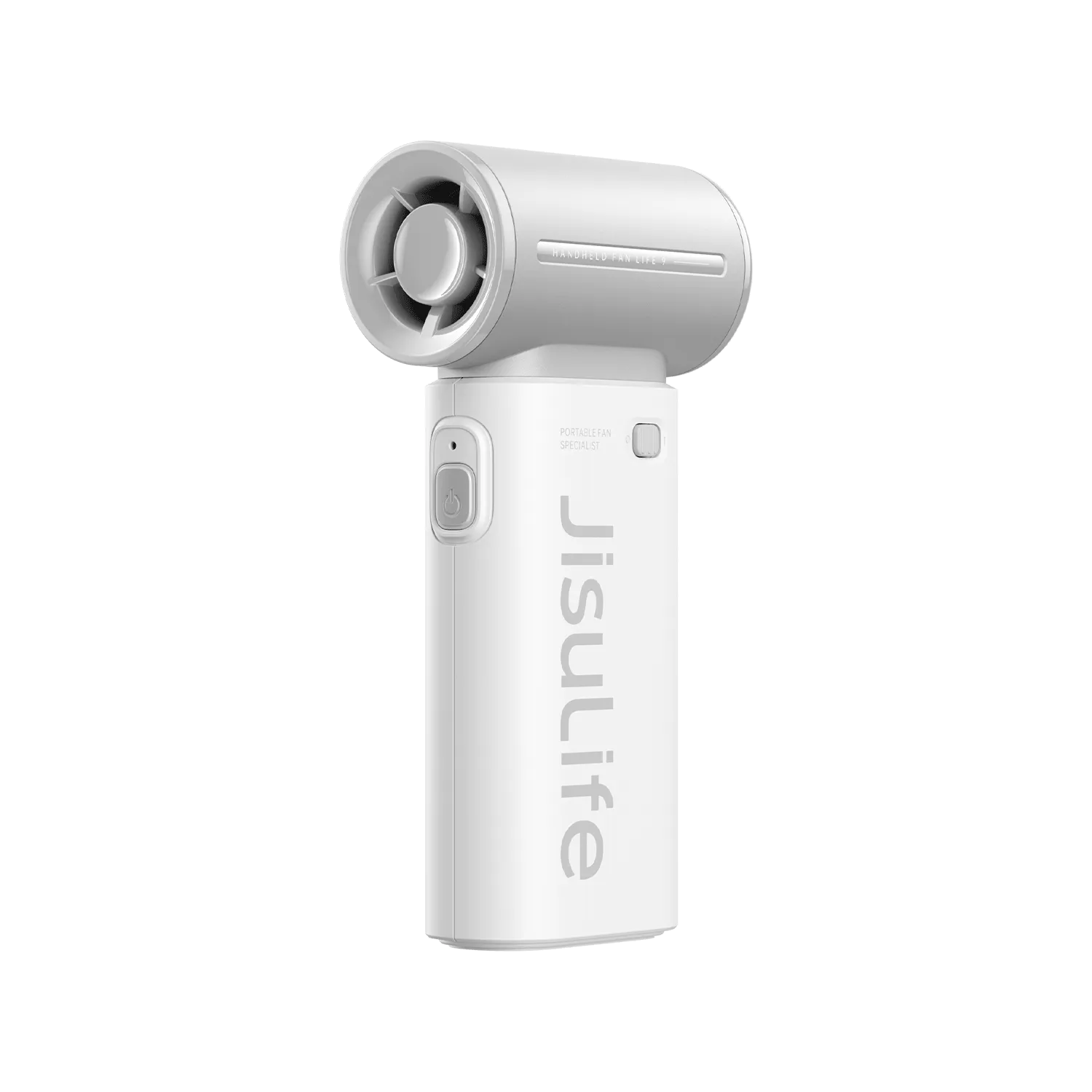
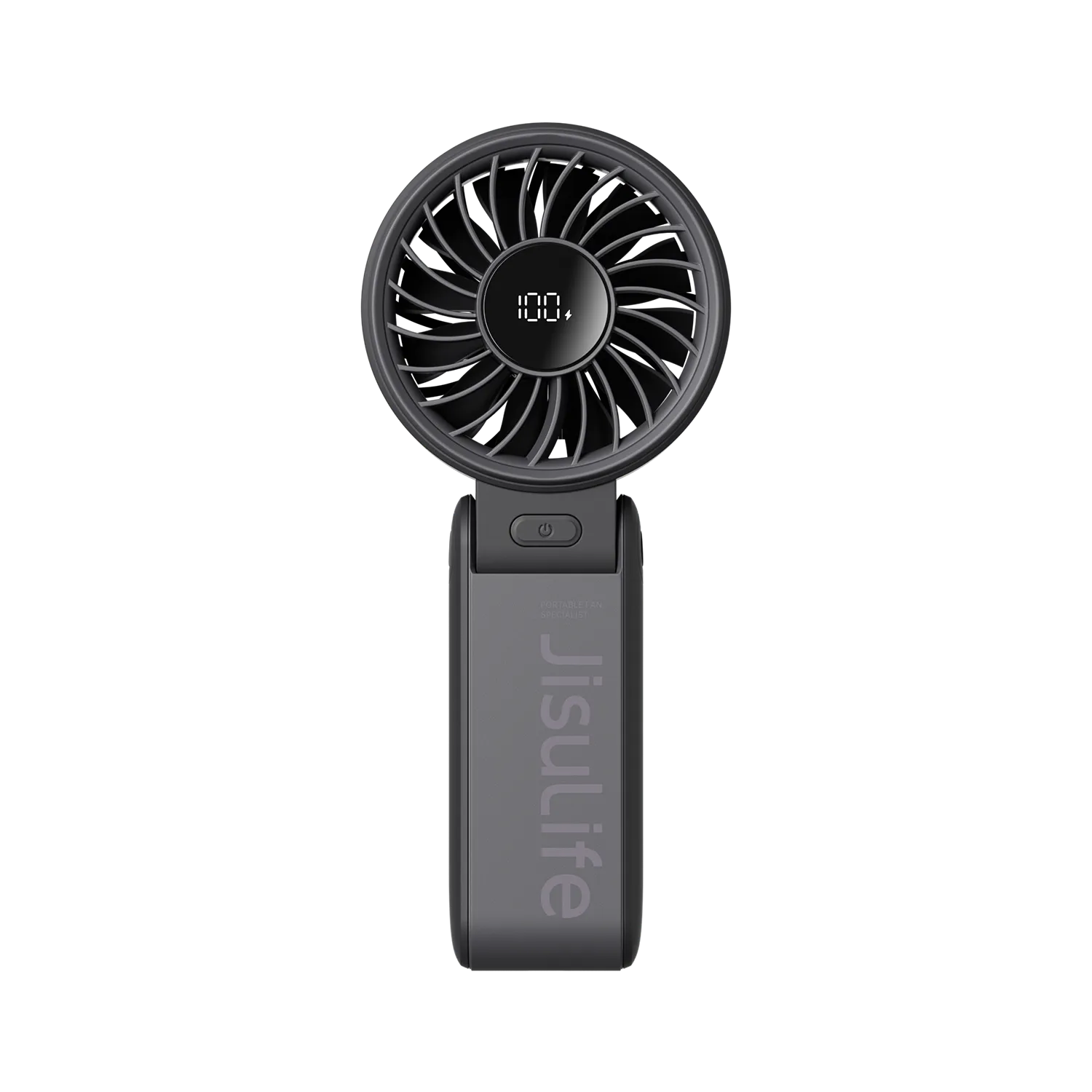
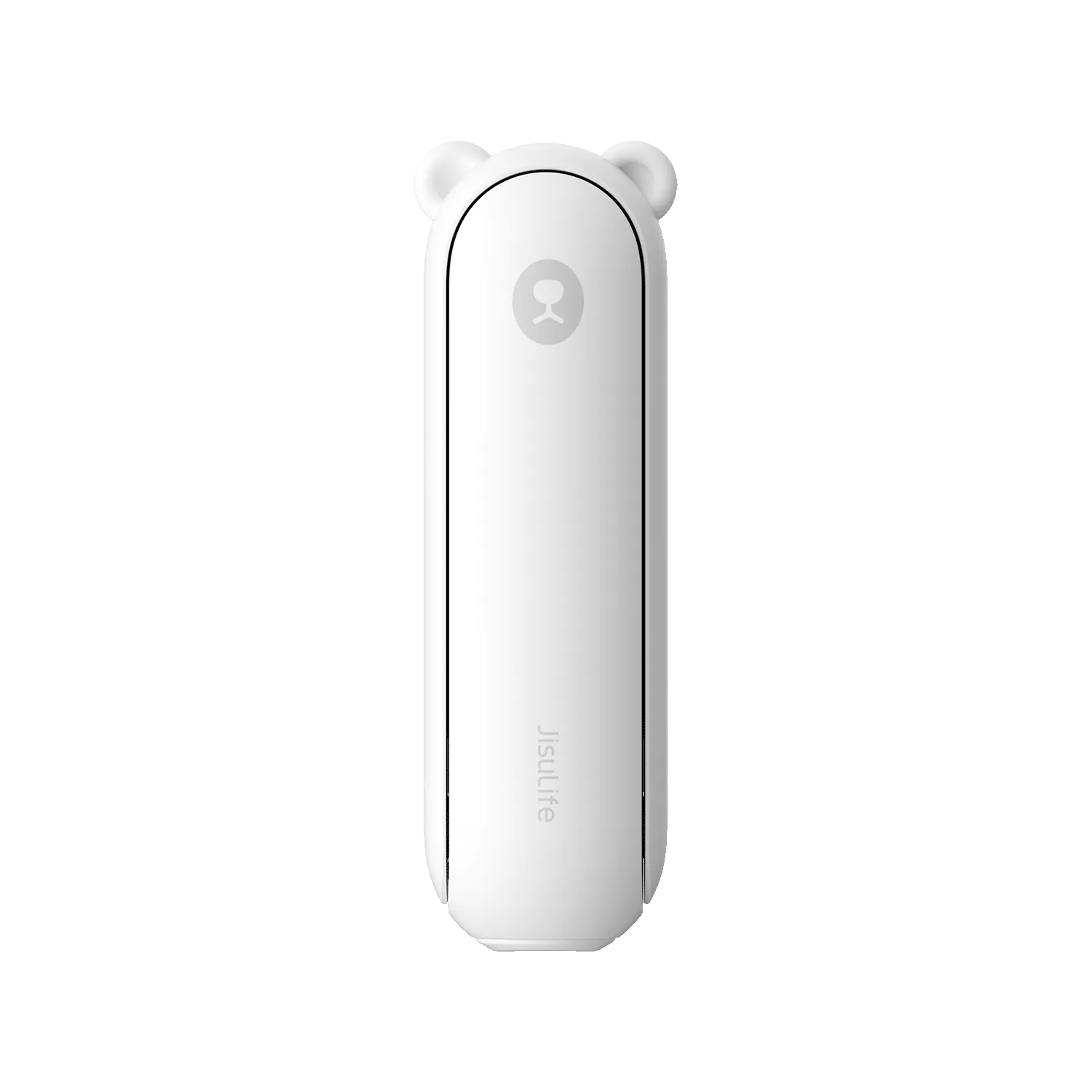
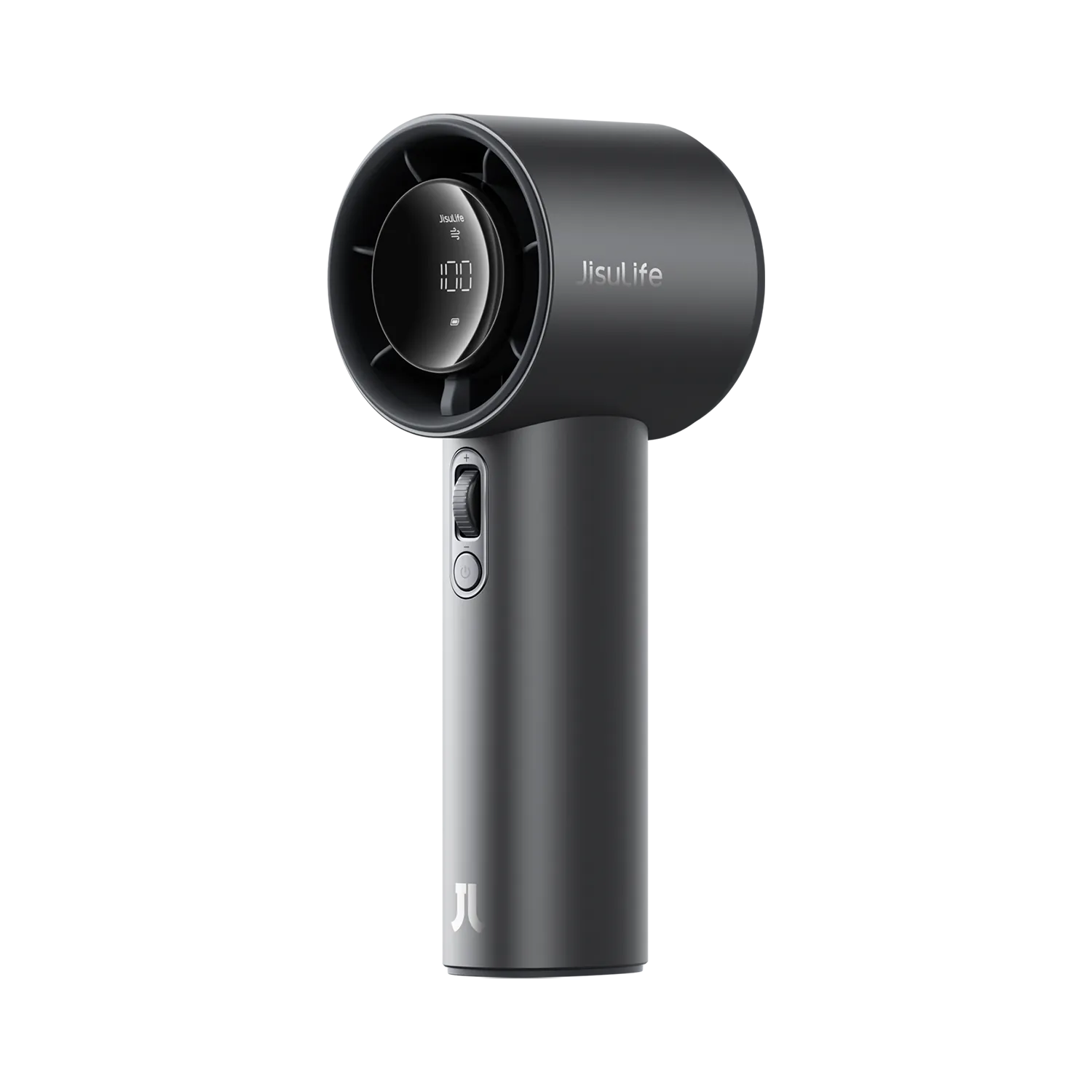
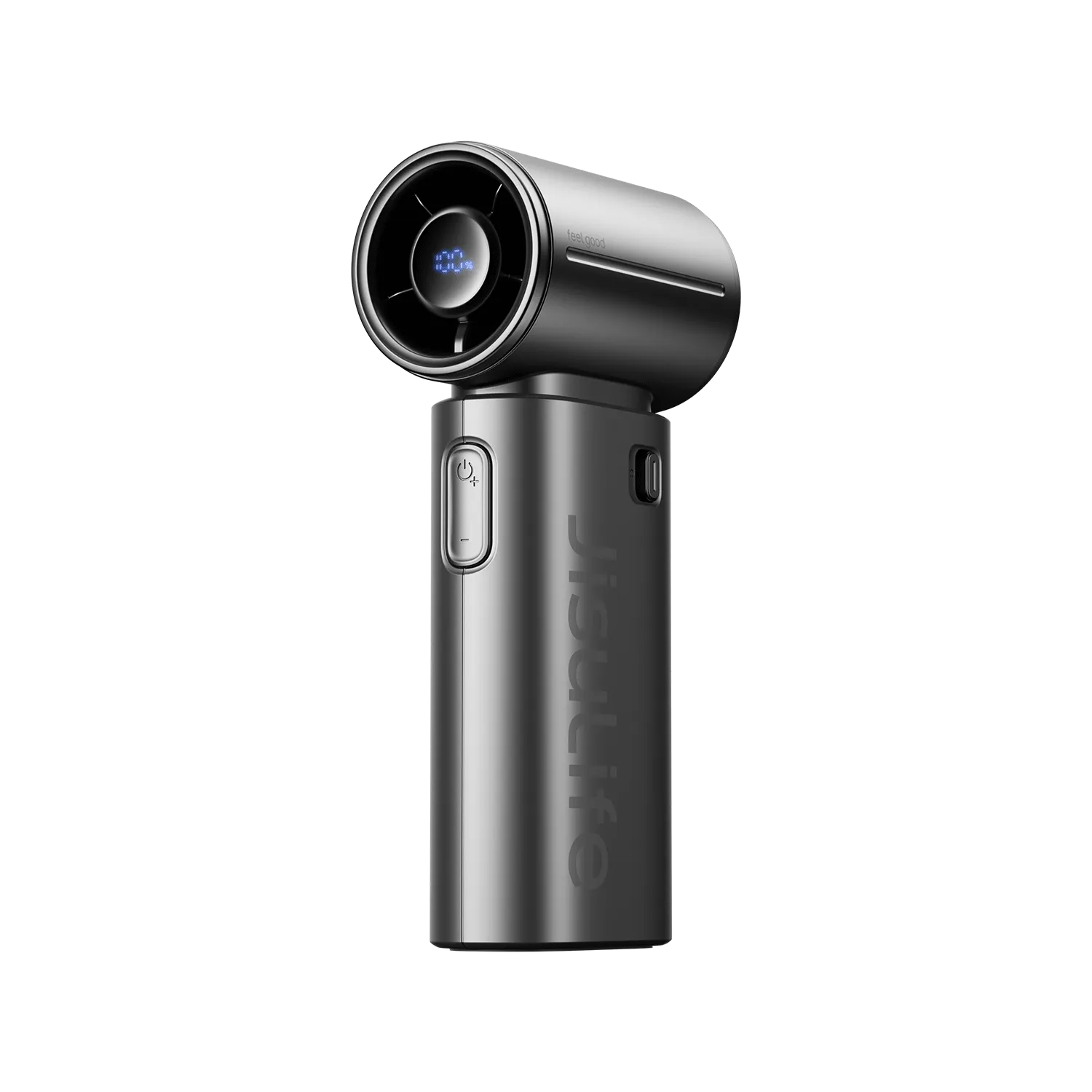
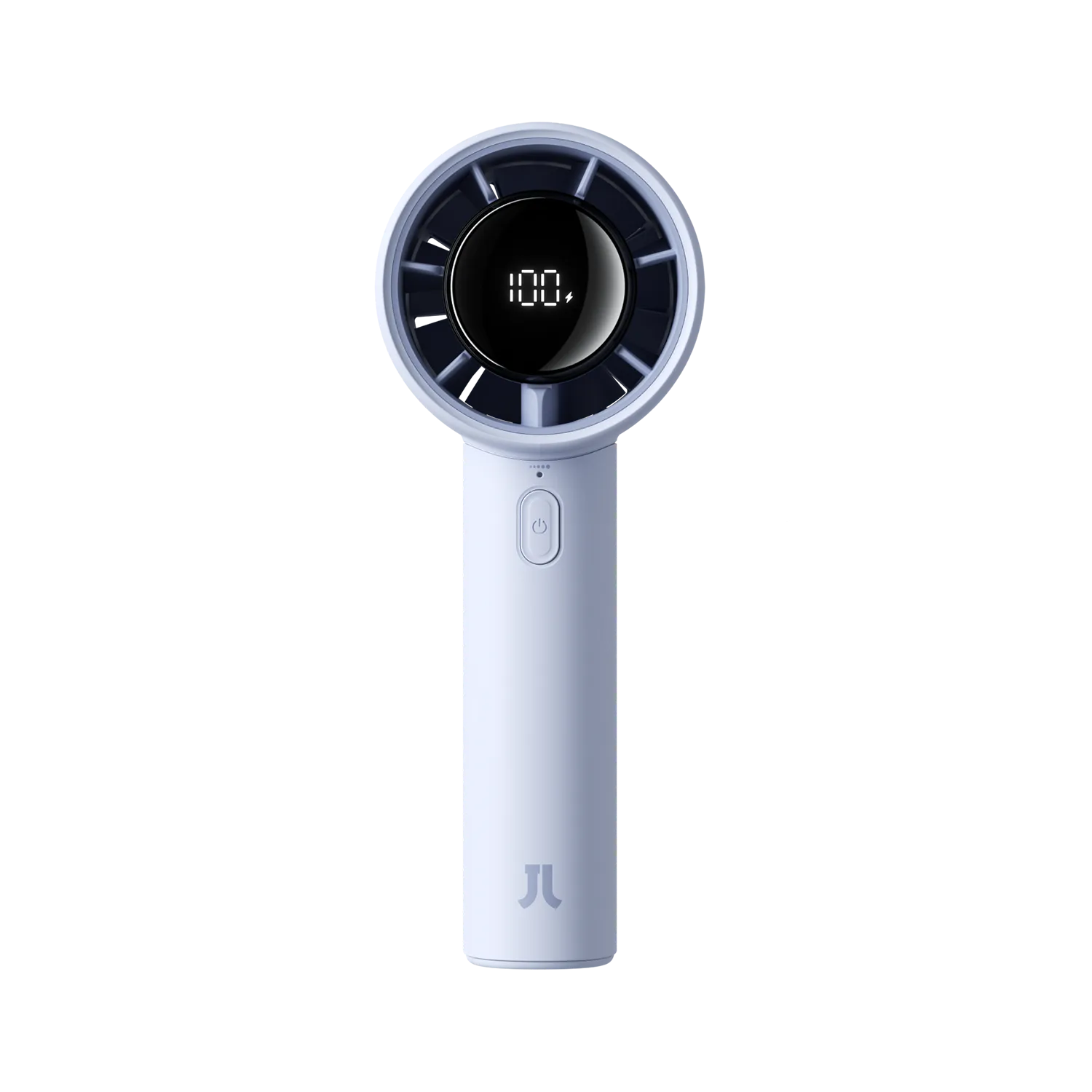
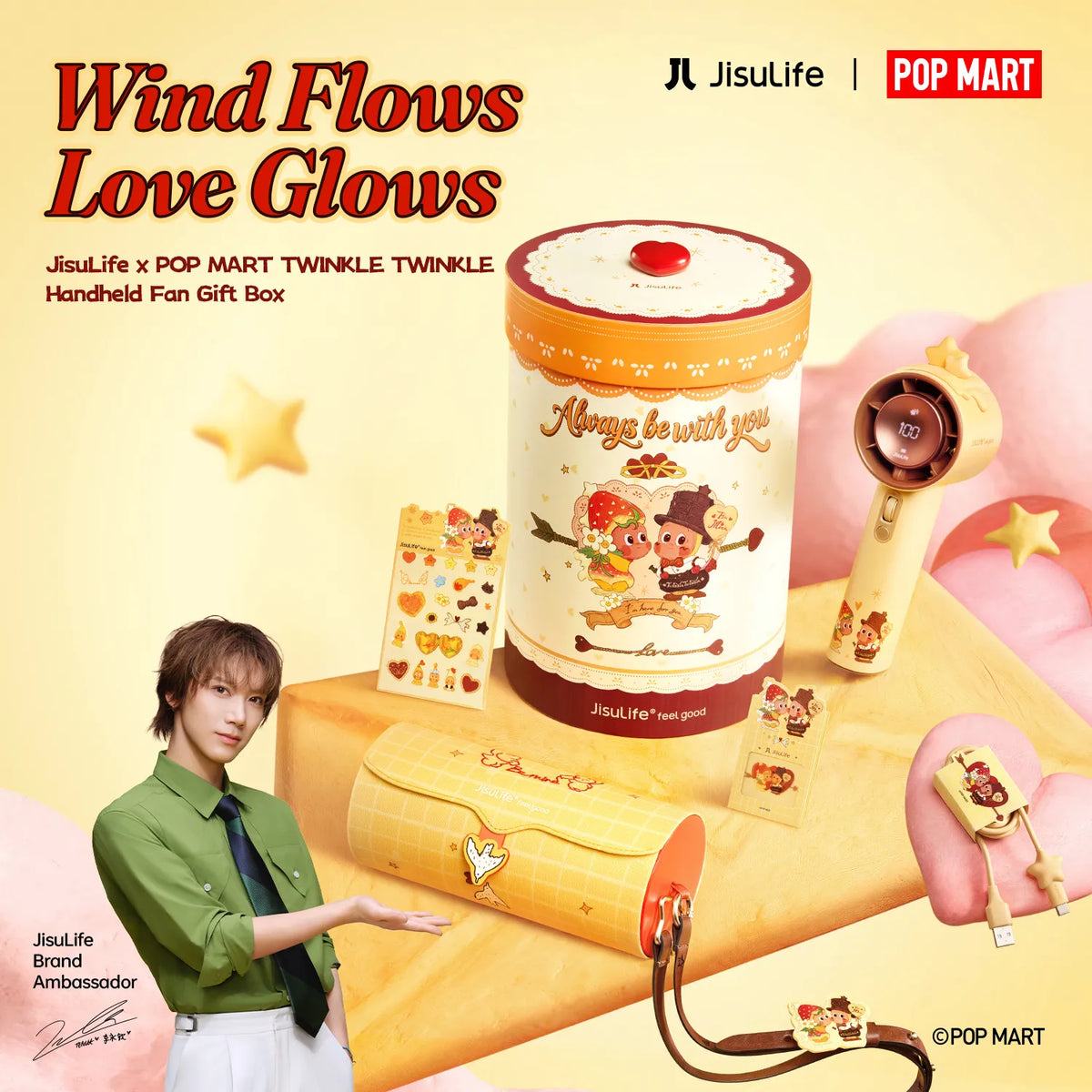
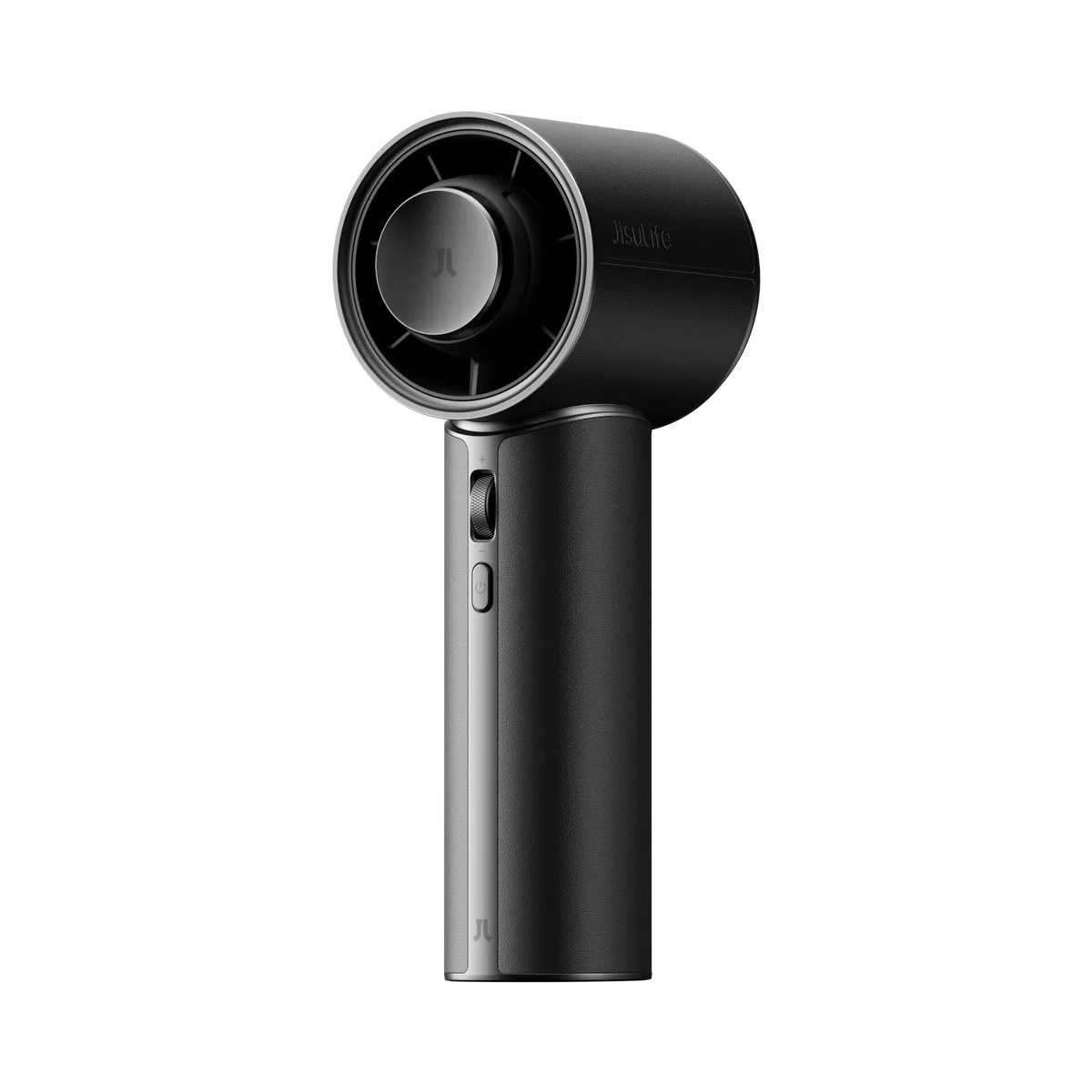
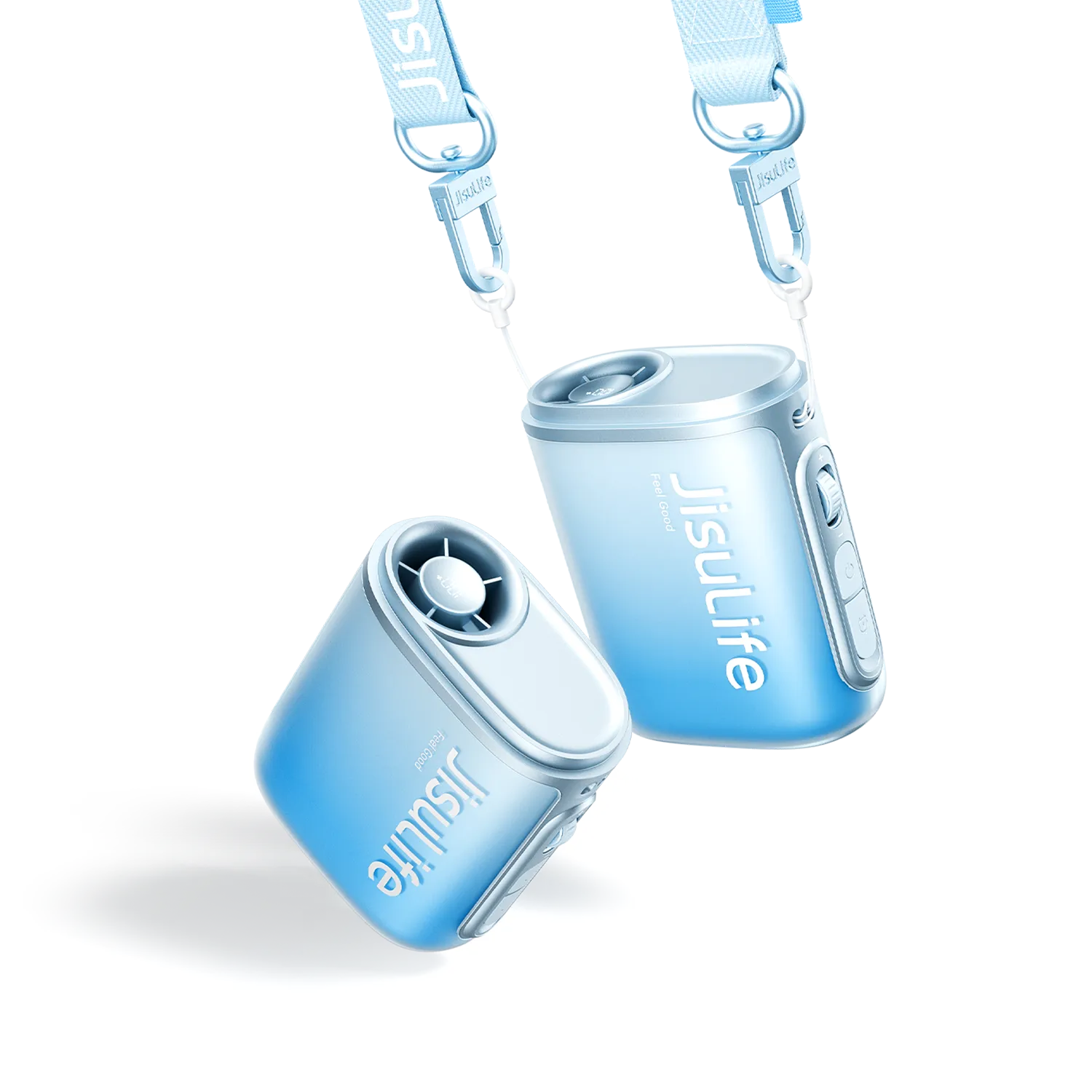
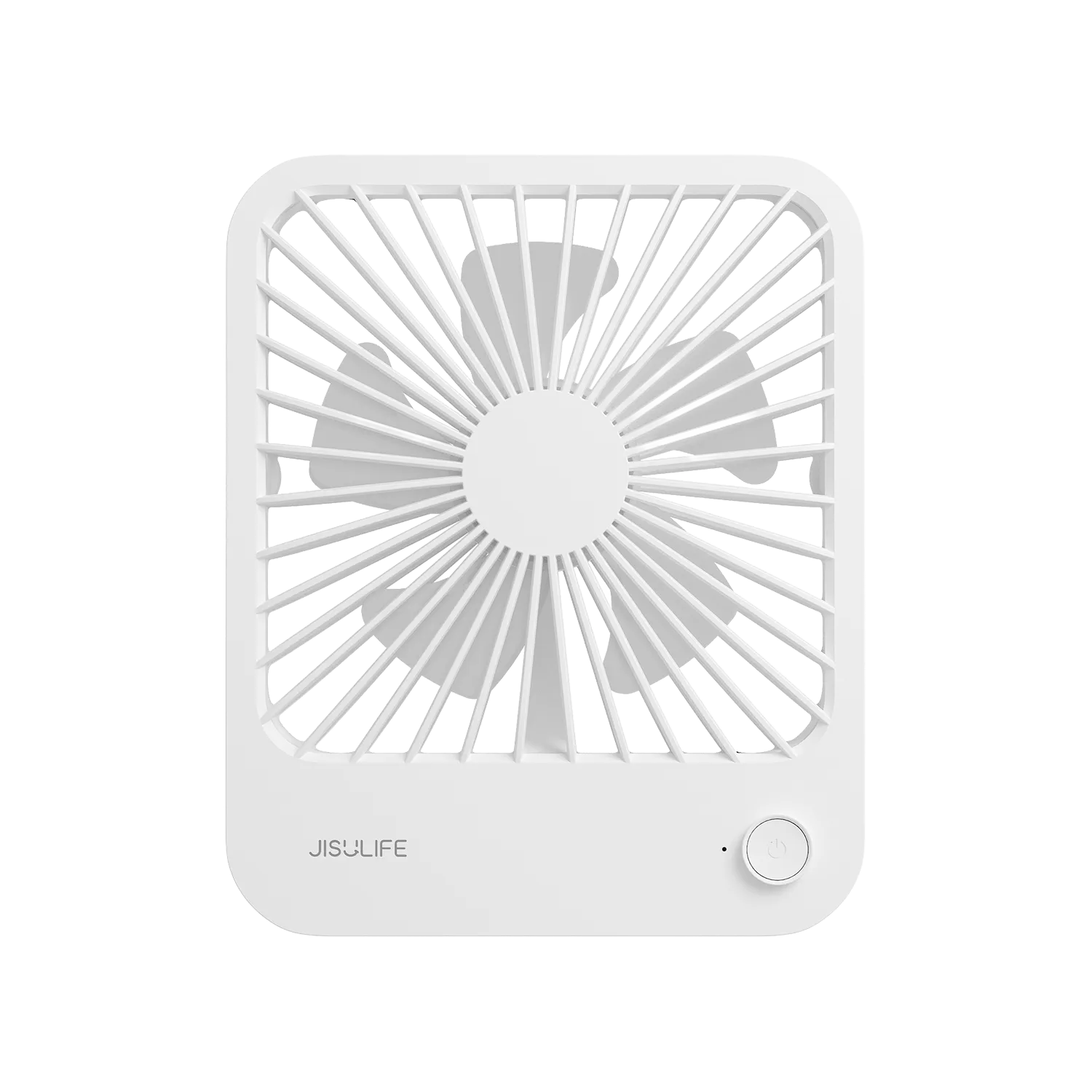
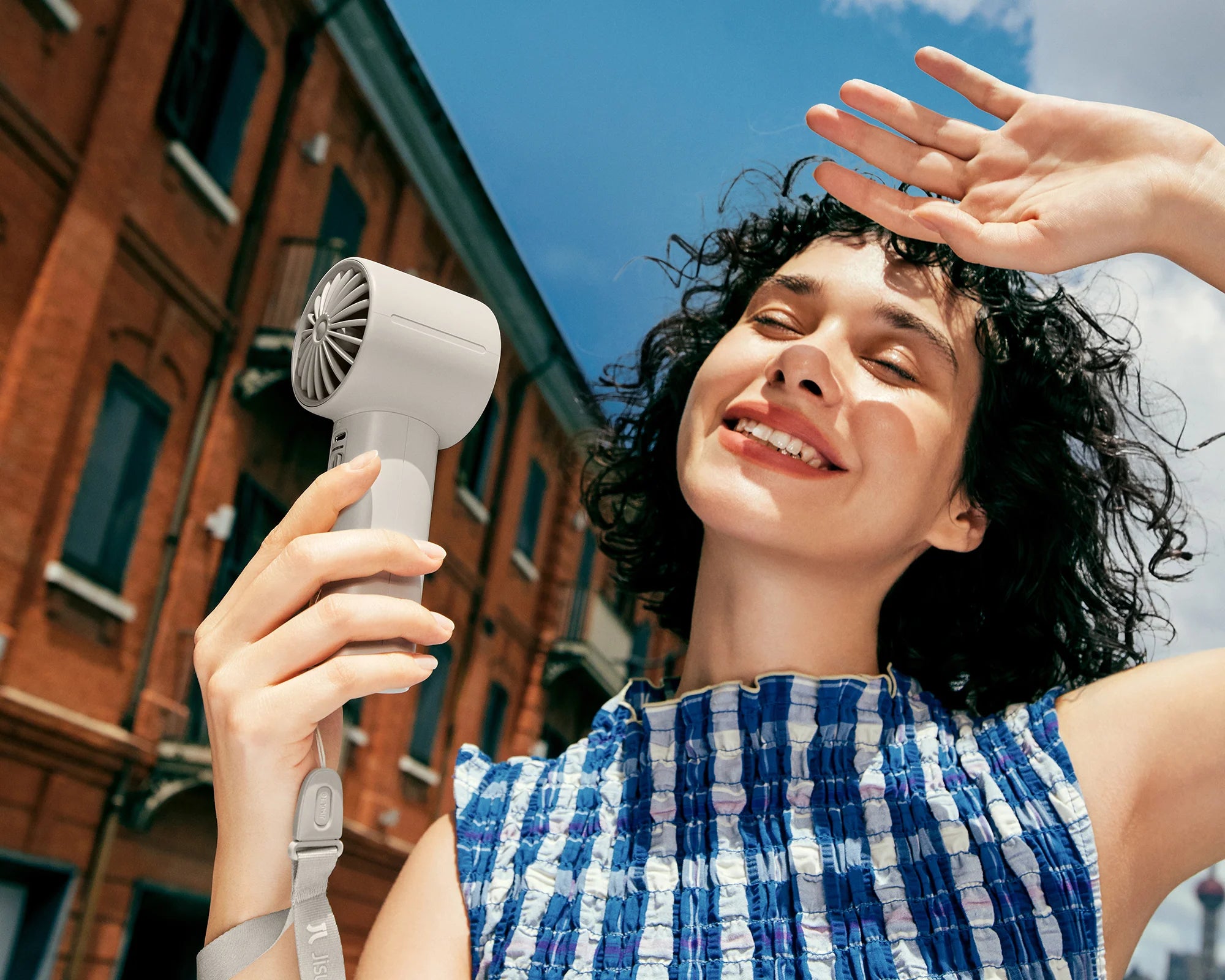
A handheld fan can provide quick perceived relief by moving air across the skin, especially when conditions still allow sweat to evaporate effectively.
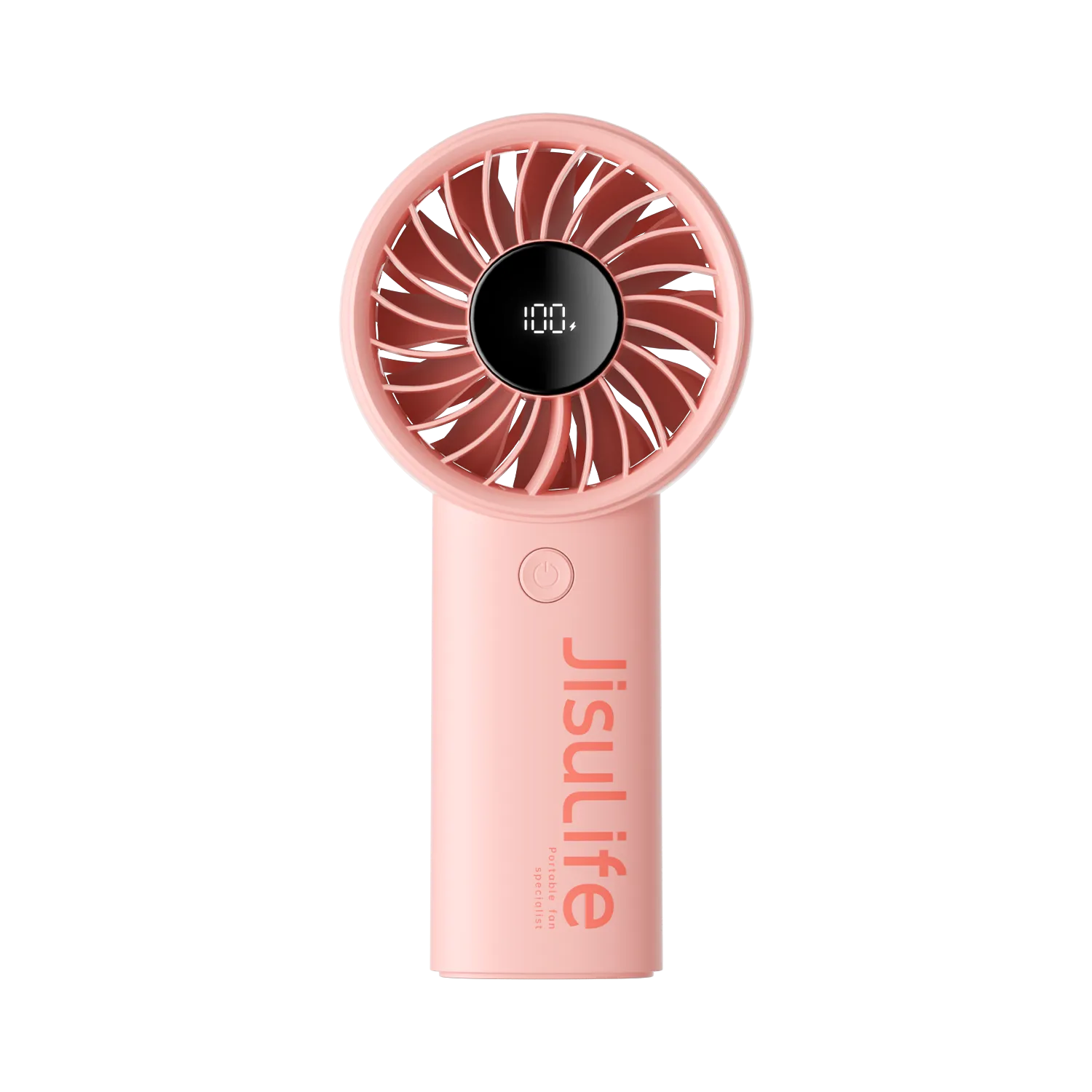
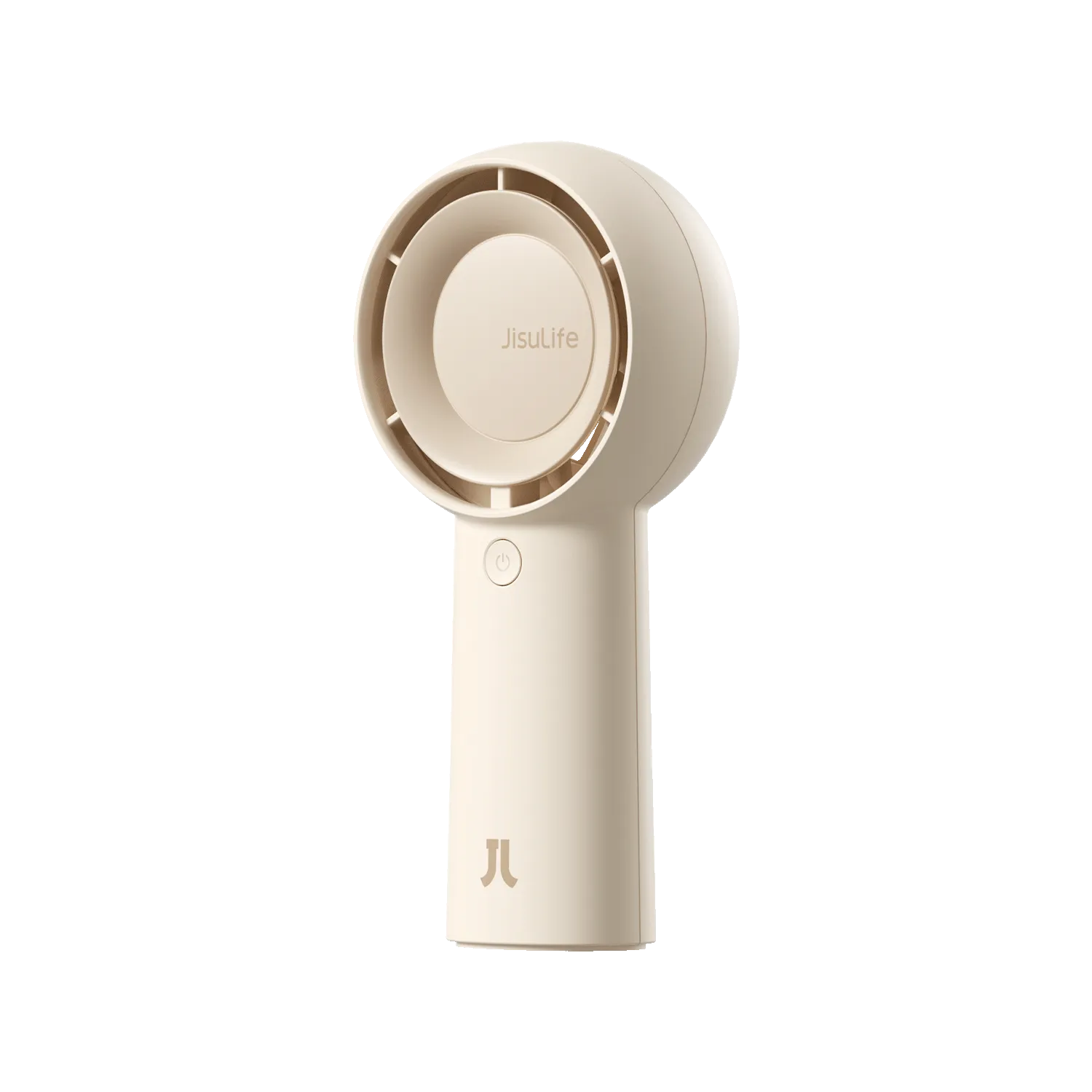
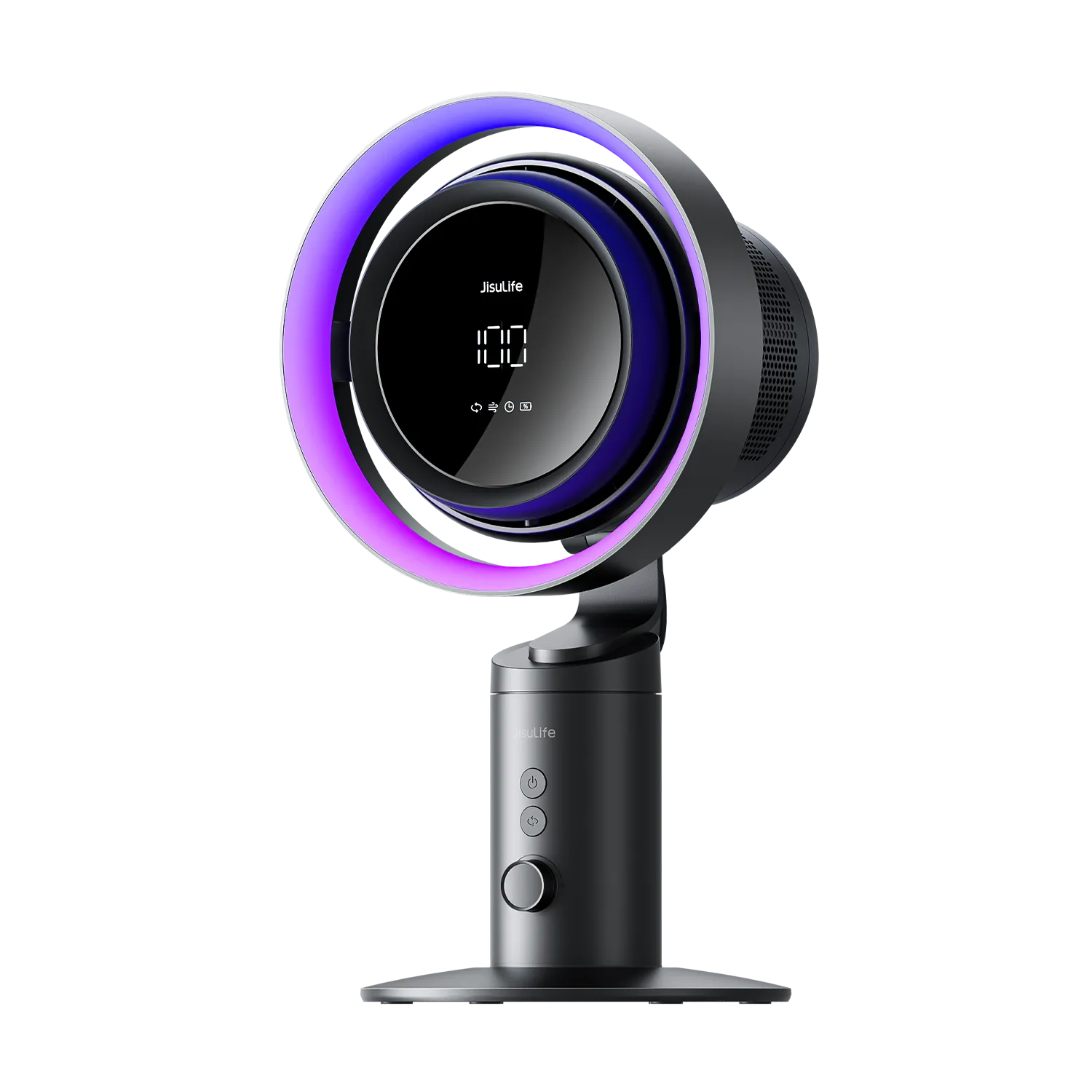
Modern options have come a long way. Some offer 100-level stepless speed control, letting you dial in exactly the right airflow rather than toggling between just two or three presets. Battery capacity matters enormously during a multi-day heat event. The JisuLife Handheld Fan Ultra2, for example, packs a 9000mAh battery with up to 25 hours of runtime and charges fully in around 2.5 hours — the kind of specs that hold up across several consecutive hot days without leaving you scrambling for an outlet. For long outdoor exposure, weight matters too. The lightest options come in under 6 oz, barely noticeable after extended holding.

Neck Fans
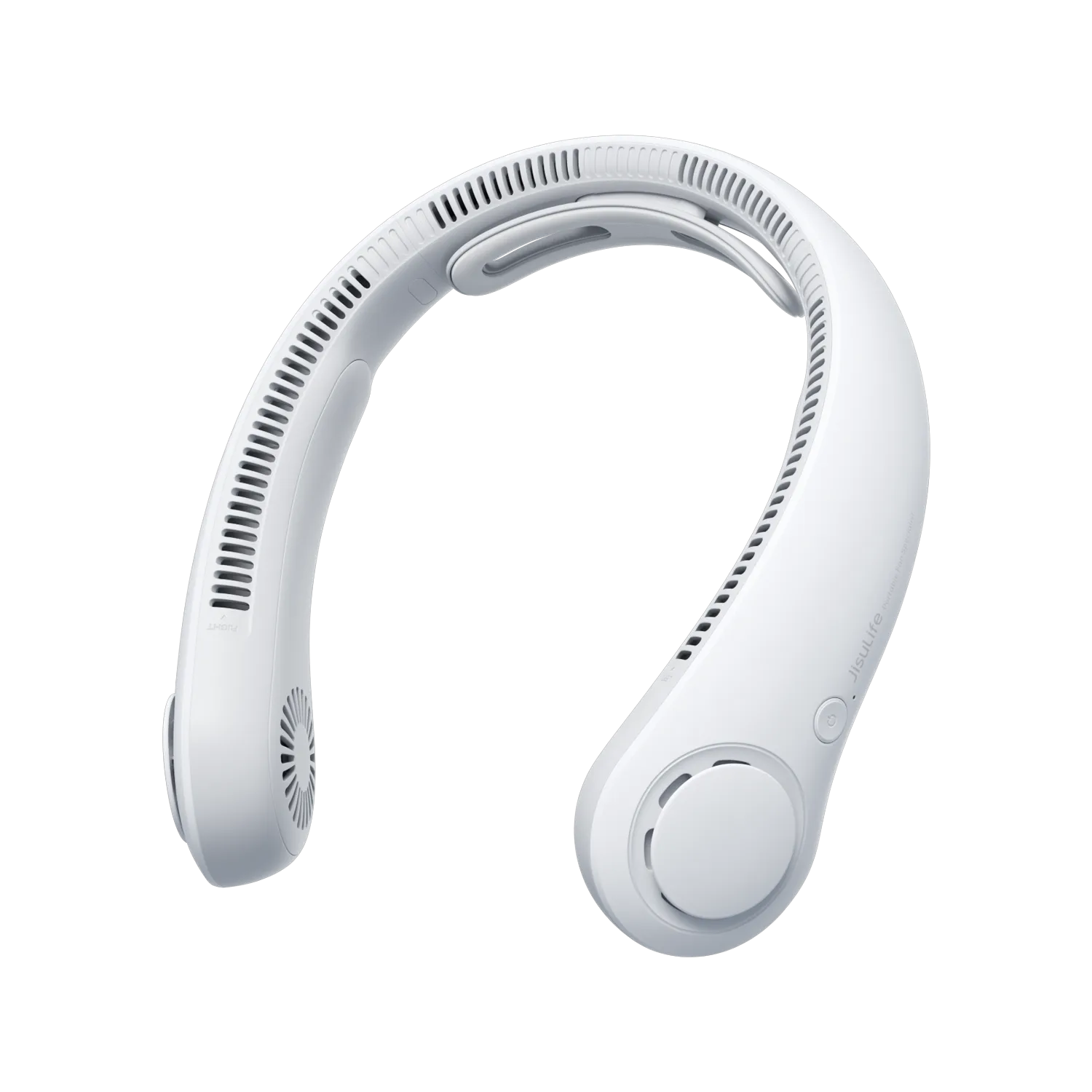
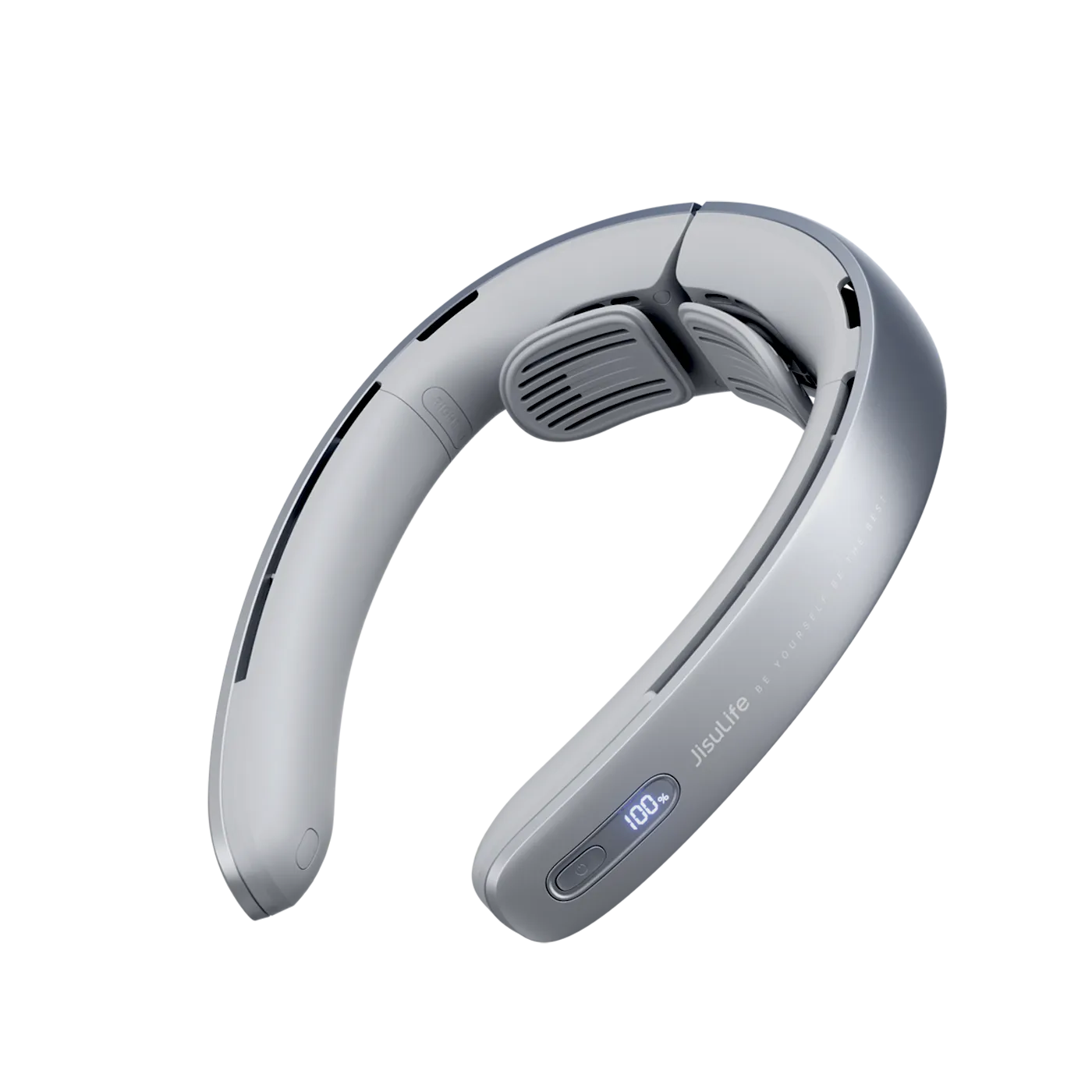
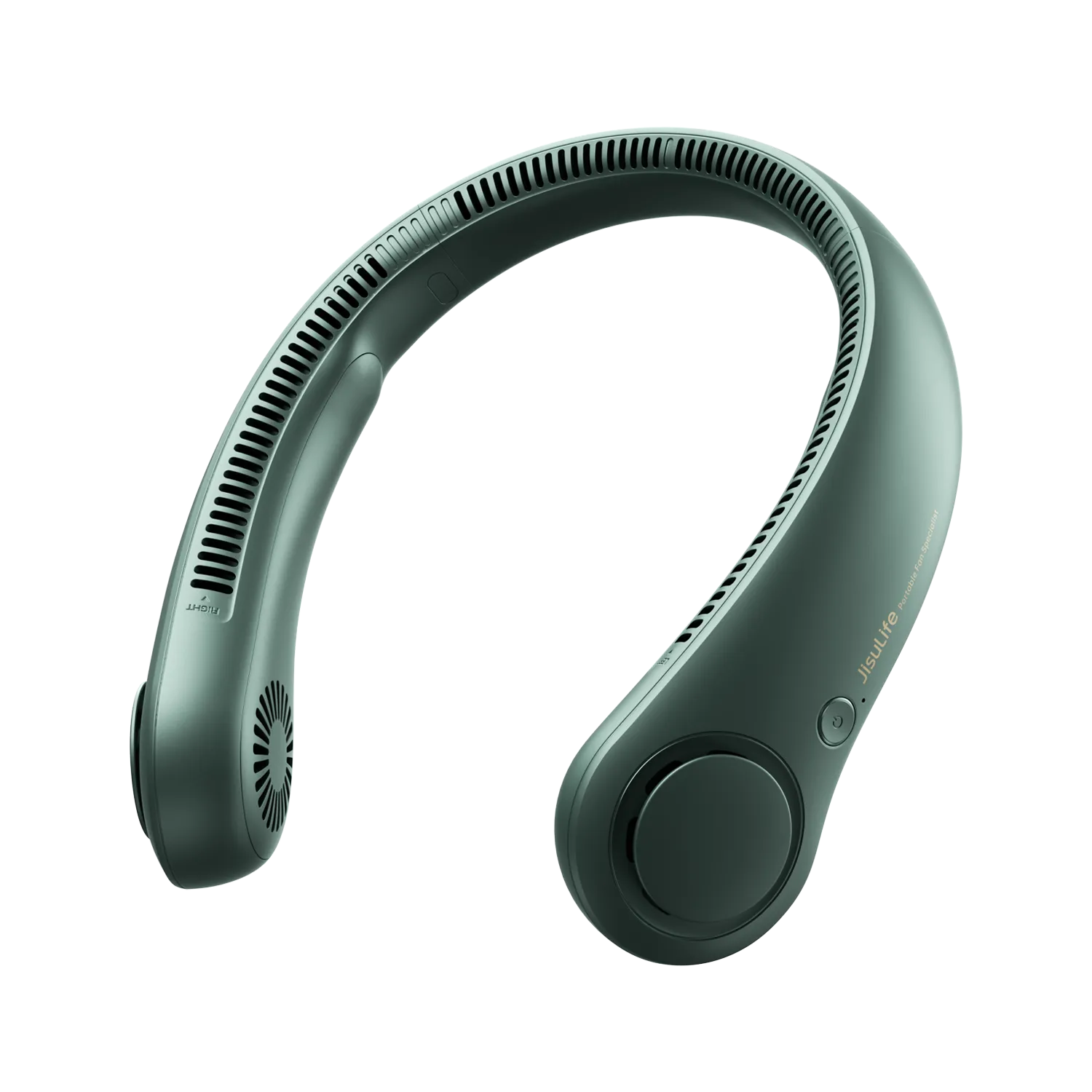
The best neck fan for heat waves solves a problem handheld fans can't: keeping you cool when your hands need to be free. Neck fans rest across the shoulders and direct airflow toward the face, neck, and chest, the areas where cooling produces the biggest physiological effect.
During a multi-day heat wave, runtime is the most important spec. Look for at least 4500mAh battery capacity with 16 or more hours per charge. Bladeless models with 78 or more air outlets distribute airflow evenly and run quietly enough for office or nighttime use. Some premium models include an LED display showing remaining battery, a practical feature when you can't afford to run out of power mid-afternoon.
Personal Misters and Spray Fans
A personal mister combines a small fan with a fine water spray. The mist evaporates on contact with skin, pulling heat away faster than airflow alone. In dry climates, this effect is significant. Even in moderate humidity, the added evaporative cooling provides noticeable relief during peak afternoon hours.
These are compact, typically USB-rechargeable, and easy to carry anywhere. They work best as a supplement to a larger primary fan rather than a standalone solution.
Cooling Towels and Wearable Vests
Cooling towels are soaked in cold water and draped over the neck, shoulders, or forehead. They cool through direct contact and evaporation simultaneously. They require no power at all, which makes them invaluable during a power outage or long outdoor stretches far from any charging source.
Wearable cooling vests take the same principle further. Some use ice packs inserted into pockets across the torso. Others rely on evaporative materials. Either way, they provide sustained body cooling that complements fan-based devices rather than competing with them.
Evaporative Coolers
An evaporative cooler pulls warm air through a water-saturated pad, dropping the air temperature before releasing it into a room. Compact versions are small enough for a desk or nightstand and use far less electricity than an air conditioner.
The key limitation is climate. In dry regions like the Southwest, evaporative coolers can drop room temperature meaningfully. In humid areas like the Southeast, they lose much of their effectiveness. Know your local conditions before investing.
Portable Air Conditioners
A portable air conditioner is the most powerful option on this list. It uses a refrigerant cycle to actively remove heat from a room rather than just moving air around. Most require venting through a window or sliding door.
The tradeoffs are energy use and cost. During a severe heat wave, though, a portable AC can make a bedroom livable when nothing else can, particularly for older adults and people with health conditions who face the greatest risk.
Matching Each Device to Your Heat Wave Situation
Not every device belongs in every situation. During a heat wave, the conditions you face can shift dramatically from hour to hour. You might be outdoors in direct sun in the morning, working at a desk by afternoon, and trying to sleep in a stuffy room at night. Each scenario has a different set of needs, and matching the right tool to the right moment is what makes your cooling setup actually work.
The table below maps common heat wave situations to the most effective primary device, along with a useful supplement to layer on top.
| Situation | Best Primary Device | Useful Supplement |
| Outdoors, hands occupied | Neck fan | Misting spray |
| Outdoors, hands free | Handheld fan | Cooling towel |
| Indoor room, no AC | Portable AC or evaporative cooler | Portable fan |
| Sleeping in heat | Portable fan, quiet mode | Cooling towel |
| Power outage | Cooling towel or vest | Battery-powered handheld fan |
| Working in direct sun | Neck fan + cooling vest | Misting fan |
A few things stand out from this breakdown. First, cooling towels appear repeatedly as a supplement because they require no power at all, which makes them uniquely reliable during a prolonged heat event when access to outlets isn't guaranteed. Second, no single device dominates every row. That's the point. A neck fan is the right call when your hands need to be free, but it's not the best solution when you're trying to sleep quietly or dealing with a power outage. Recognizing those distinctions before a heat wave hits, rather than during one, is what keeps you consistently comfortable and safe across multiple days.
How to Layer Cooling Devices Across a Heat Wave
The real advantage comes from combining devices strategically, not relying on just one.
Outdoors During Peak Heat
Wear a neck fan from mid-morning before temperatures peak. Keep a handheld fan accessible for the hottest afternoon hours. A cooling towel around the neck adds another layer with no power requirement. Drink water consistently throughout the day, not just when thirsty, since your body's cooling system depends on it.
Indoors Without Air Conditioning
Position a portable fan near a window in the early morning to draw in cooler air before outside temperatures climb. Run an evaporative cooler if your climate supports it. Close blinds during afternoon hours to block radiant heat. For sleeping, a fan set to a low quiet speed aimed across the bed helps more than full-blast airflow.
Managing Power During a Prolonged Heat Wave
Grid stress during a severe heat event can cause brownouts. Prioritize devices with large batteries and fast charging. A 5000mAh portable fan that charges fully in under two hours is far more reliable during a heat emergency than a cheaper model with a five-hour charge time. Keep cooling towels as a non-electric backup at all times.
Build Your Cooling Kit Before the Next Heat Wave
Portable cooling gadgets for extreme heat work best when you match the right device to each situation. A long-running neck fan, a handheld fan, a cooling towel, and—where appropriate—a compact evaporative cooler can cover many common heat-wave situations. But when indoor heat remains dangerous, access to air-conditioned space is still the most reliable protection. Start building your cooling kit before the next heat advisory hits, not after.
FAQs about Portable Cooling in Extreme Heat
Q1: What Are the Most Essential Portable Cooling Gadgets for Extreme Heat?
No single device covers every situation. The most effective combination for a heat wave is a neck fan for all-day hands-free cooling, a handheld fan for direct relief during peak hours, and a cooling towel as a power-free backup. For indoor use, add a portable evaporative cooler in dry climates or a portable air conditioner if conditions are severe enough to make sleep dangerous.
Q2: How Effective Is a Handheld Fan for Extreme Heat Above 100°F?
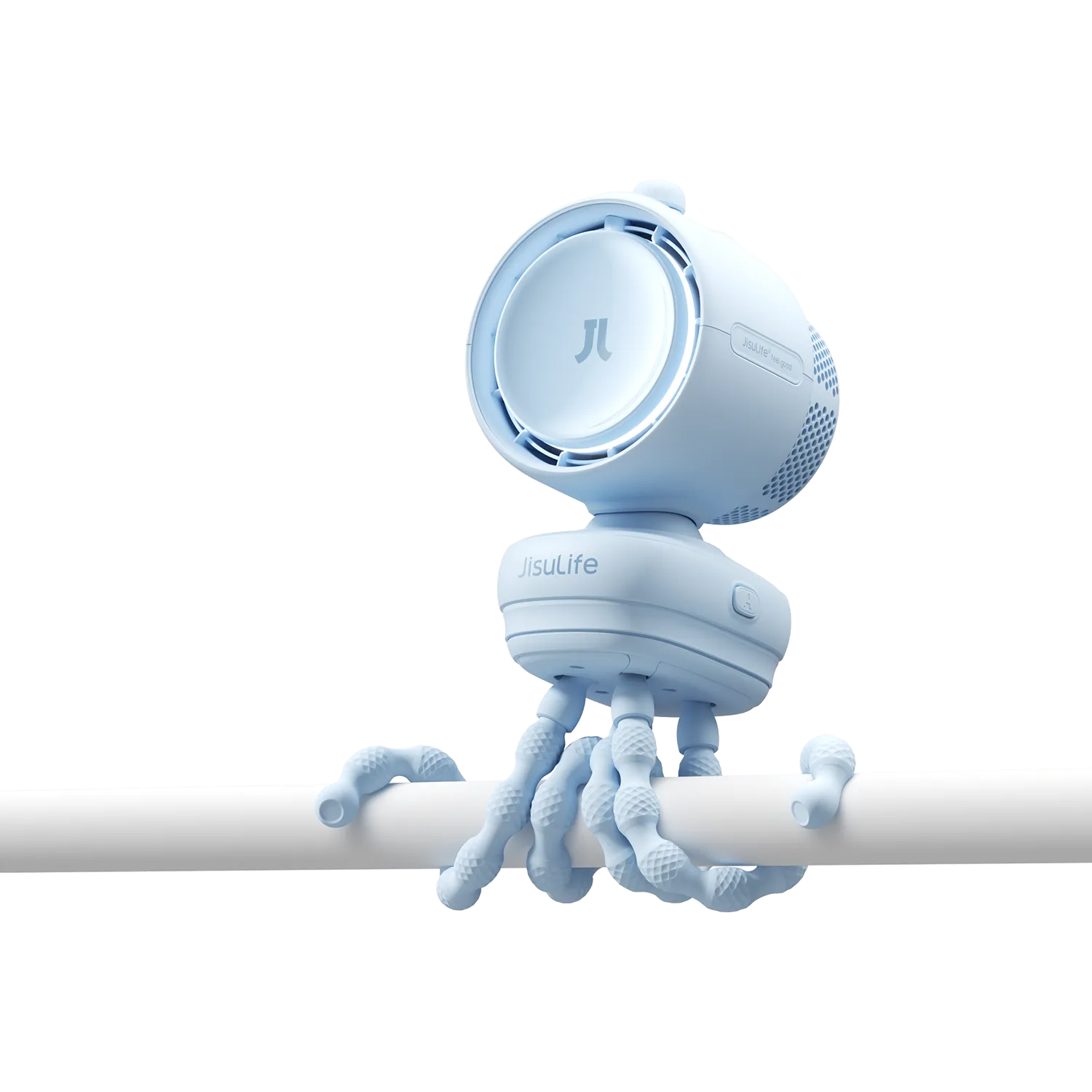
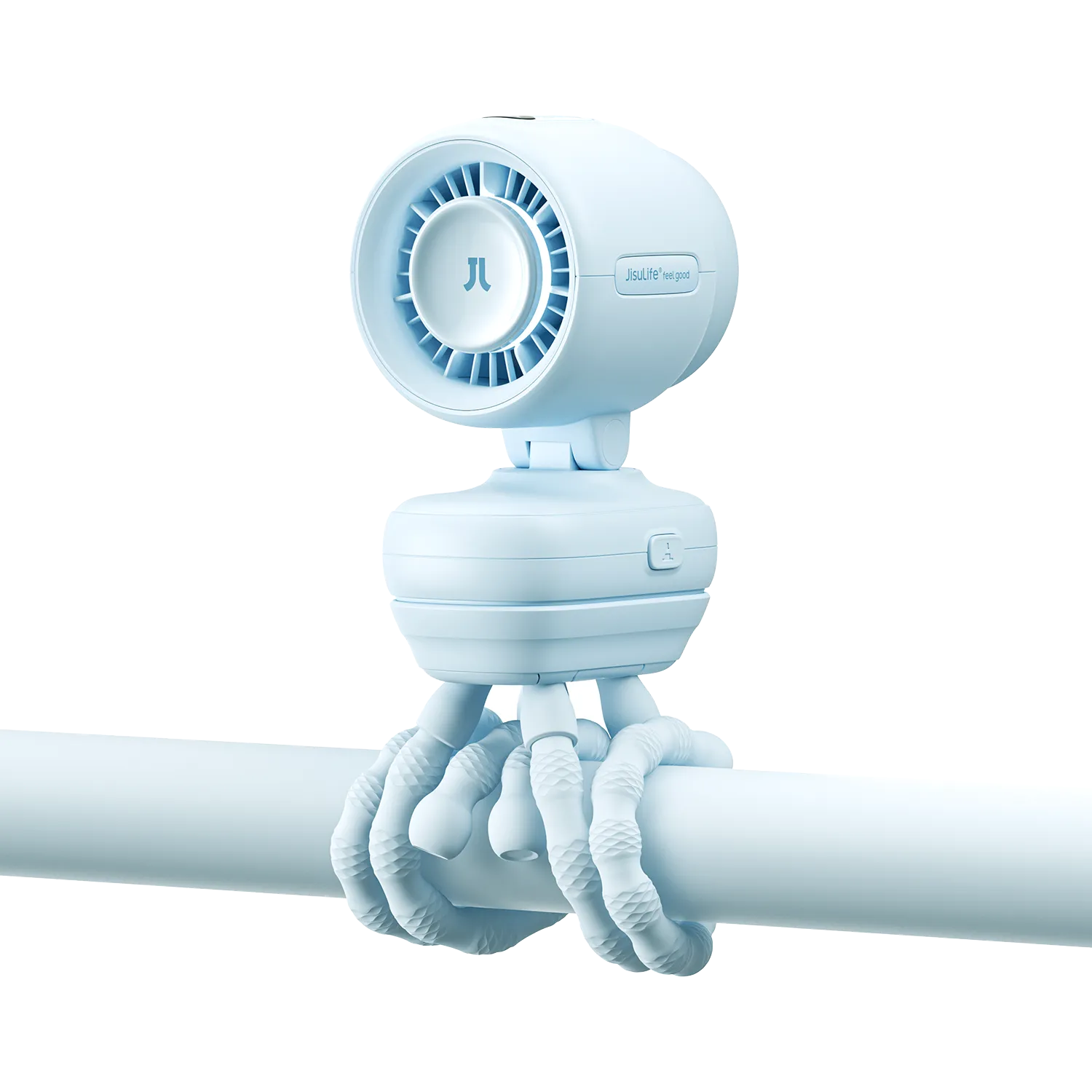
A handheld fan can improve comfort in some hot conditions, but it should not be treated as primary protection in dangerous heat. In very high temperatures, fans may provide comfort without preventing heat-related illness, so access to shade, hydration, and air-conditioned space matters more. Effectiveness depends on airspeed and battery endurance. Models reaching 10 m/s airspeed cool noticeably faster than weaker alternatives. During a multi-day heat wave, prioritize a model with a 5000mAh or larger battery and up to 40 hours of runtime so cooling stays available when temperatures peak.
Q3: What Makes the Best Neck Fan for Heat Waves Worth the Investment?
The best neck fan for heat waves combines strong directional airflow, long battery life, and comfortable extended wear. Look for at least 4500mAh capacity with 16 or more hours of runtime per charge. Bladeless designs with multiple air outlets run quietly enough for all-day and overnight use. An LED battery display is a genuinely practical feature during a heat wave when running out of power at the wrong moment carries real risk.
Q4: How Can I Cool Down Without AC During a Multi-Day Heat Wave?
Cooling down without AC requires layering several methods. Use a portable fan to bring in cool morning air before outdoor temperatures peak. Add a neck fan or handheld fan during outdoor exposure. Use a cooling towel for direct skin contact cooling. In dry climates, an evaporative cooler can lower indoor temperatures meaningfully. Staying well-hydrated supports all of these approaches since the body's cooling system depends entirely on adequate fluid intake.
Q5: When Should I Choose a Portable Air Conditioner Over a Fan During a Heat Wave?
A portable air conditioner makes sense when indoor temperatures stay dangerously high even overnight, which is when fan-based cooling loses most of its effectiveness. Fans move air but don't remove heat from a room. During a severe multi-day heat wave, especially for older adults or people with underlying health conditions, a portable AC provides a level of protection that fans, misters, and evaporative coolers cannot match on their own.



Leave a comment
All comments are moderated before being published.
This site is protected by hCaptcha and the hCaptcha Privacy Policy and Terms of Service apply.