

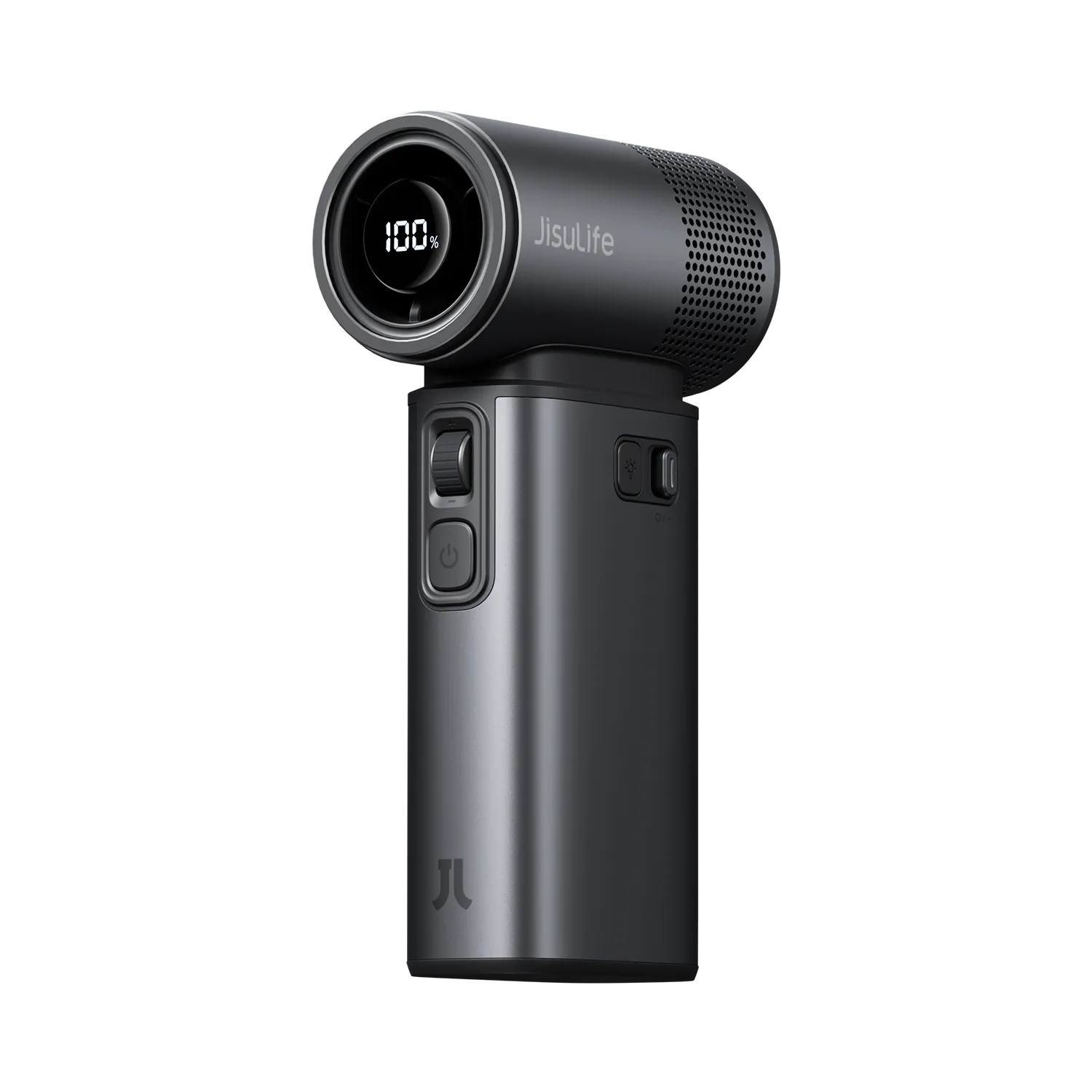

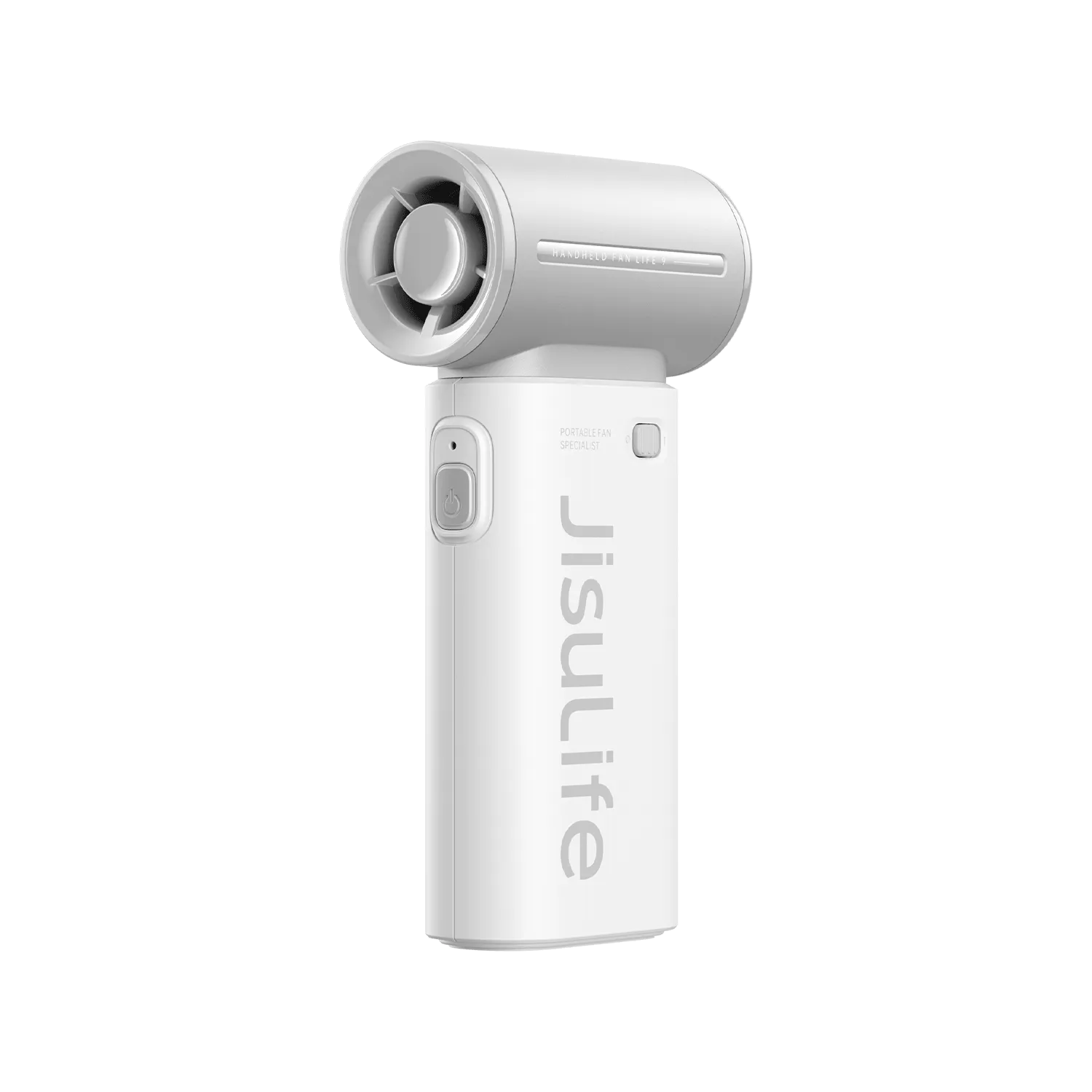
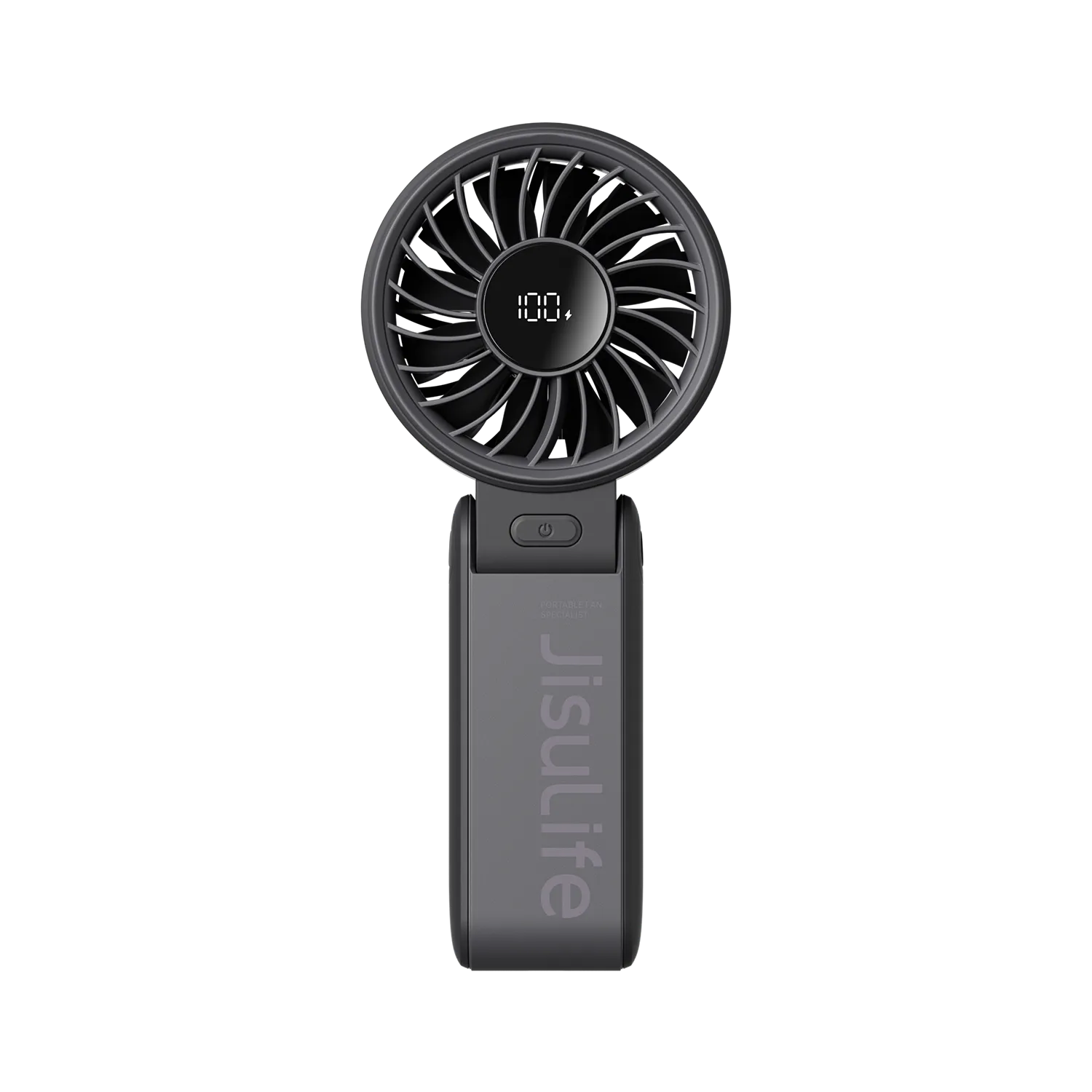




Fans have come a long way from the spinning blades most people grew up with. The bladeless fan has become a popular alternative, promising smoother airflow, quieter operation, and fewer safety risks. But do these claims hold up? This article breaks down how bladeless fans really compare to traditional ones, so you can decide which option suits your home.
How Bladeless Fans Work Differently From Traditional Models
To compare the two fairly, it helps to know what sets them apart on a mechanical level.
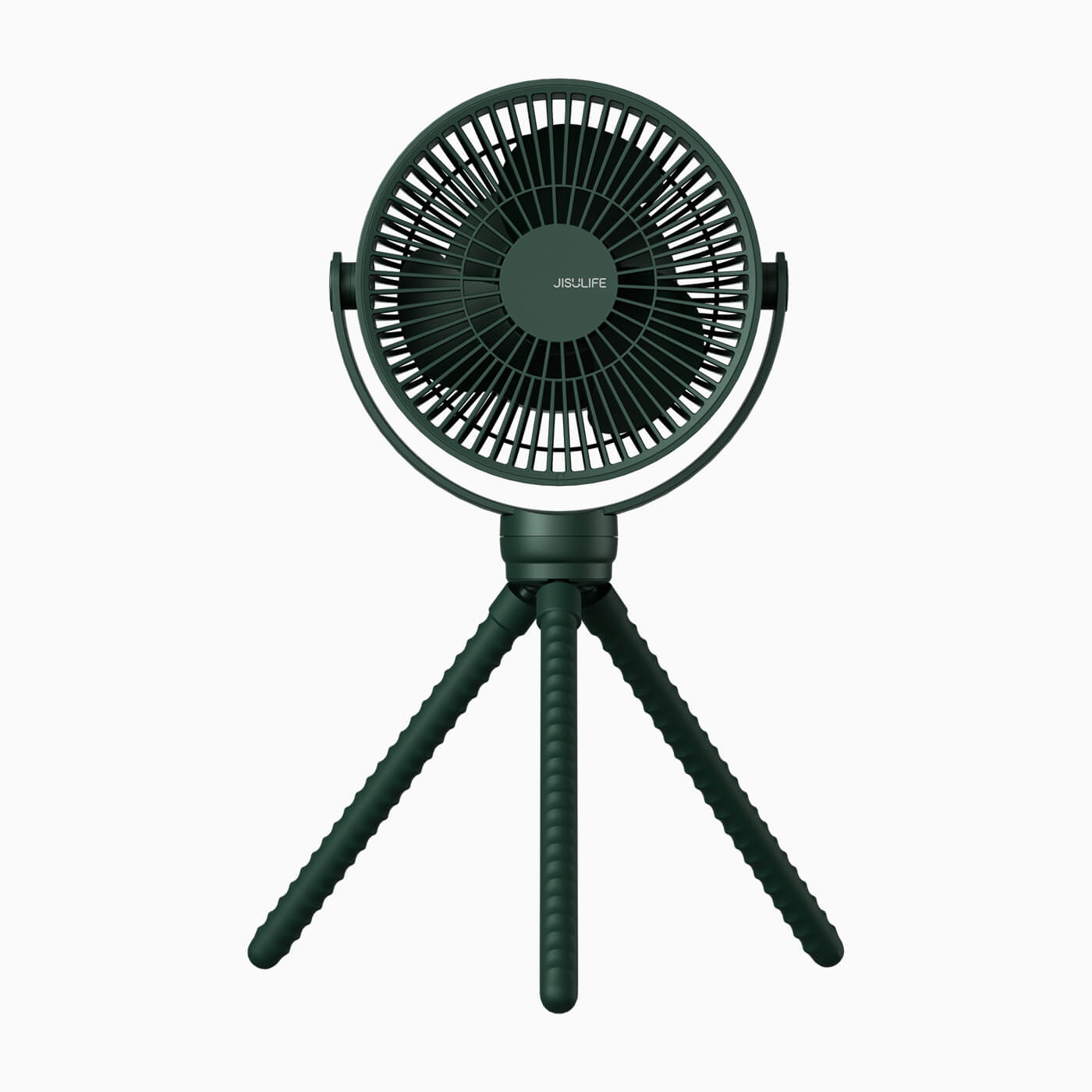
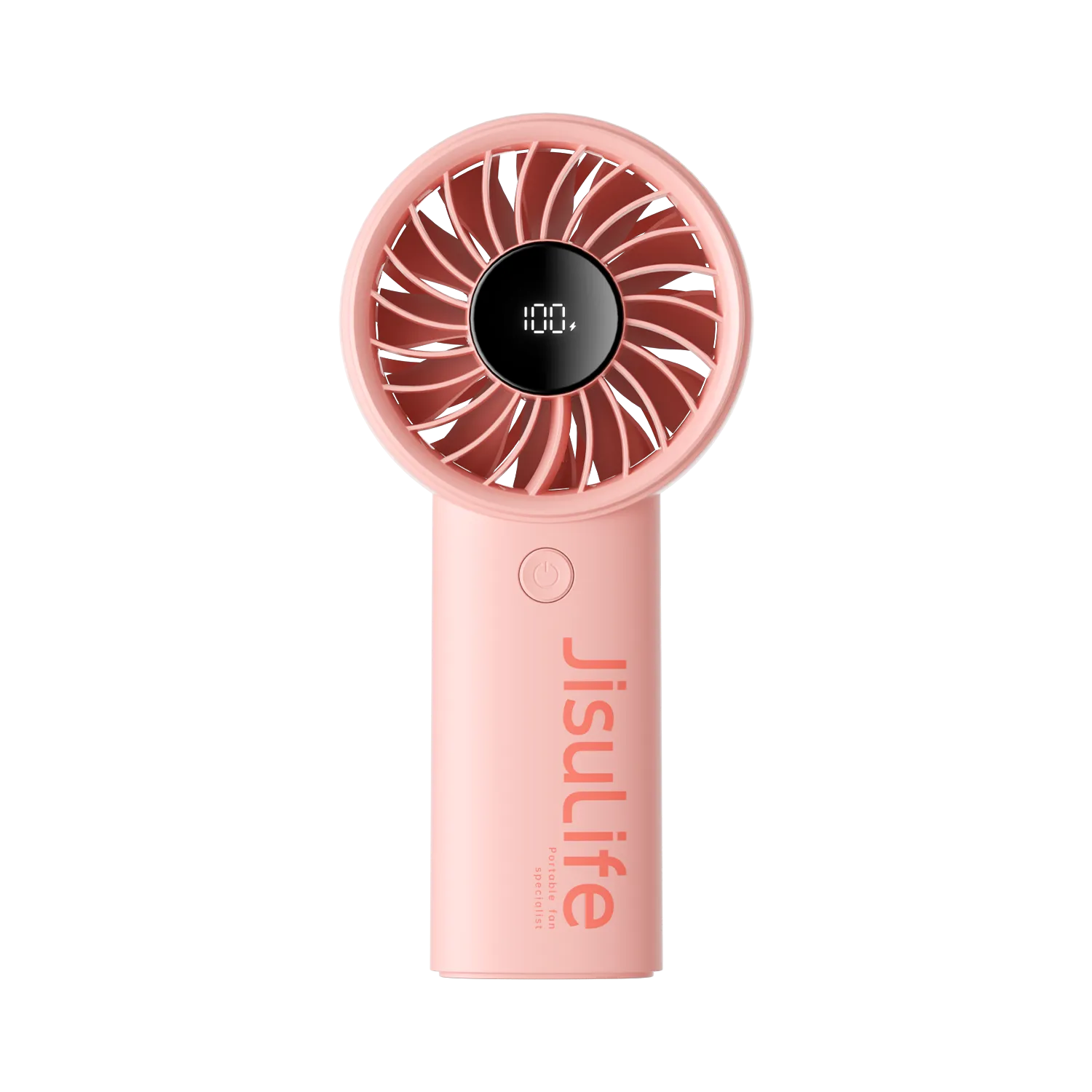
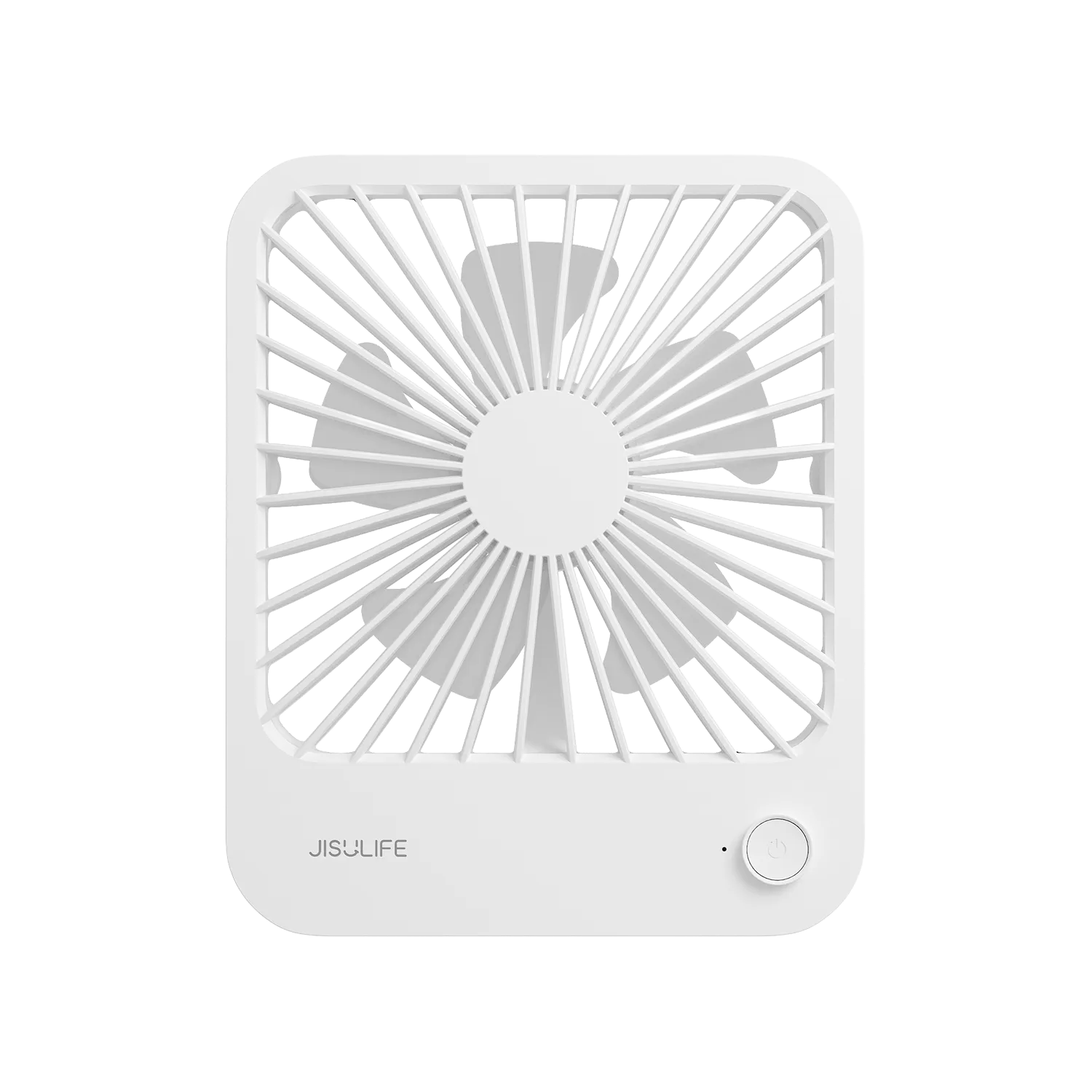
Traditional fans use visible rotating blades to chop and push air forward. The motor spins the blades at high speed, creating a choppy, pulsed airflow. That chopping action is a big part of why traditional fans can feel blustery and noisy.
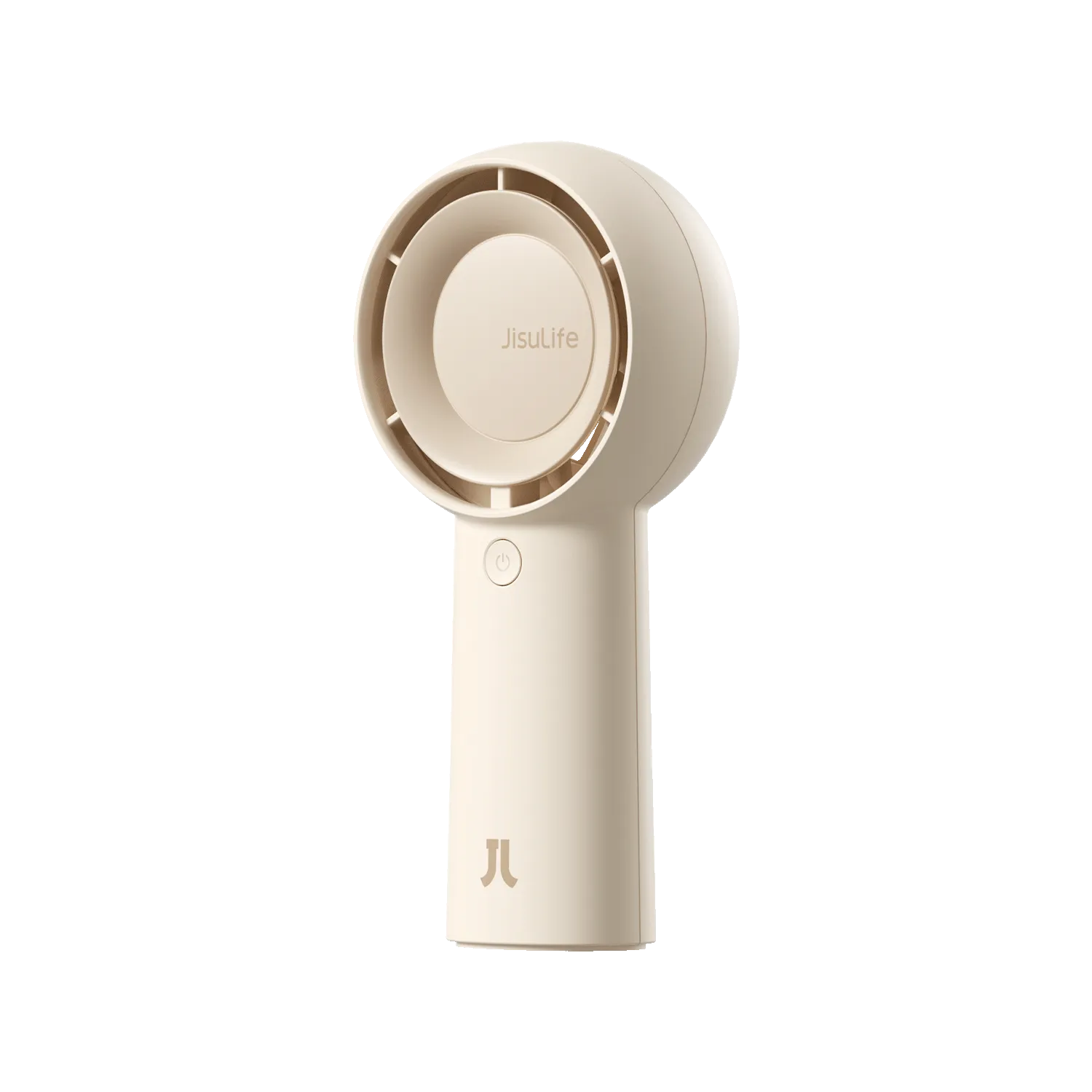
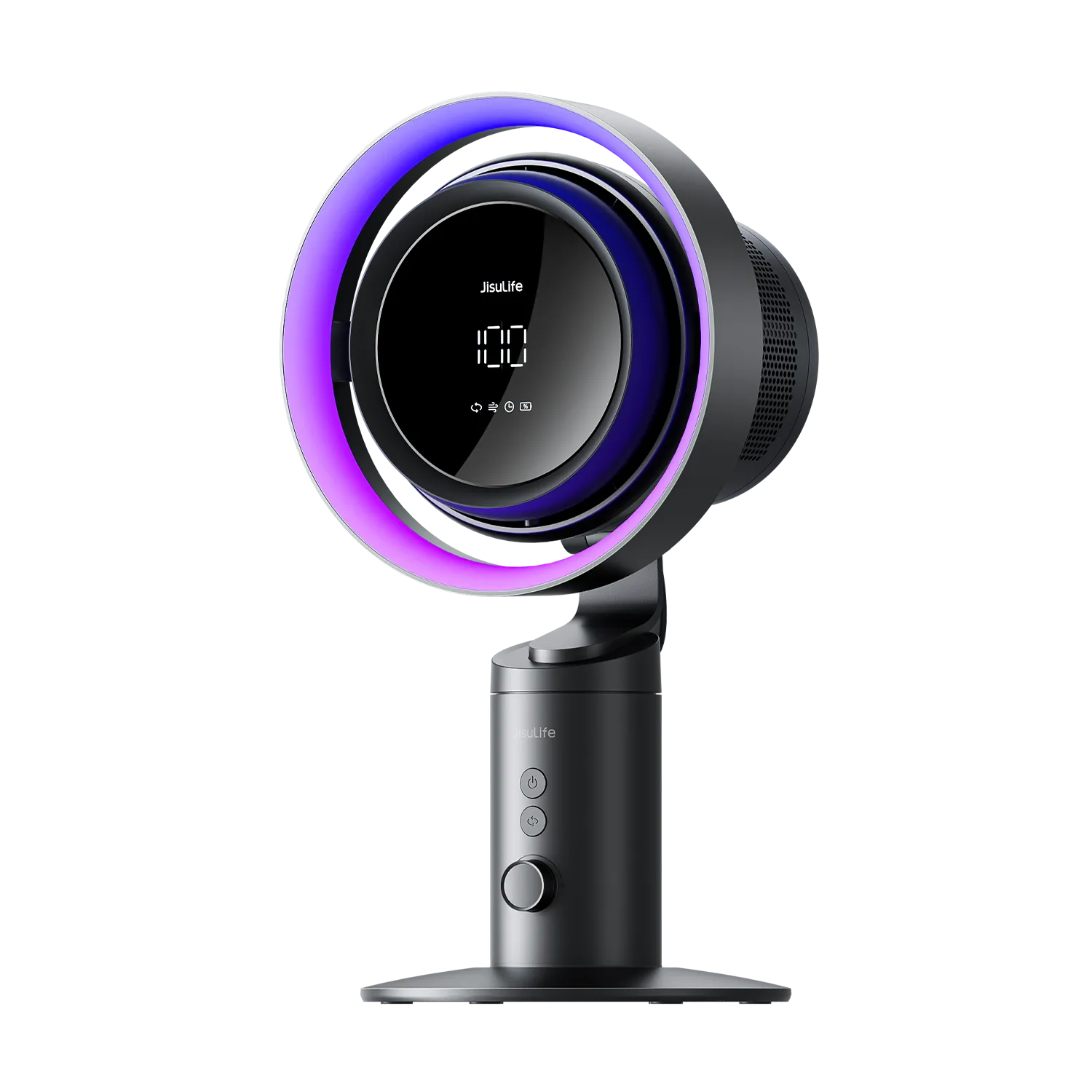
A bladeless fan works differently. It draws air in through a base unit using a motor and an impeller hidden inside. The air then travels up into a hollow ring or oval loop and exits through a narrow internal slit. This design amplifies and accelerates the air, releasing it as a smooth, continuous stream. There are no exposed blades spinning in the open.
This difference in mechanics is the root of nearly every practical comparison between the two types.
Safety: Which Fan Is Less Likely to Cause Harm?
Safety is one of the most common reasons people consider switching to a bladeless fan. The concern is real, especially in homes with young children or pets.
Exposed Blades vs. Enclosed Motors
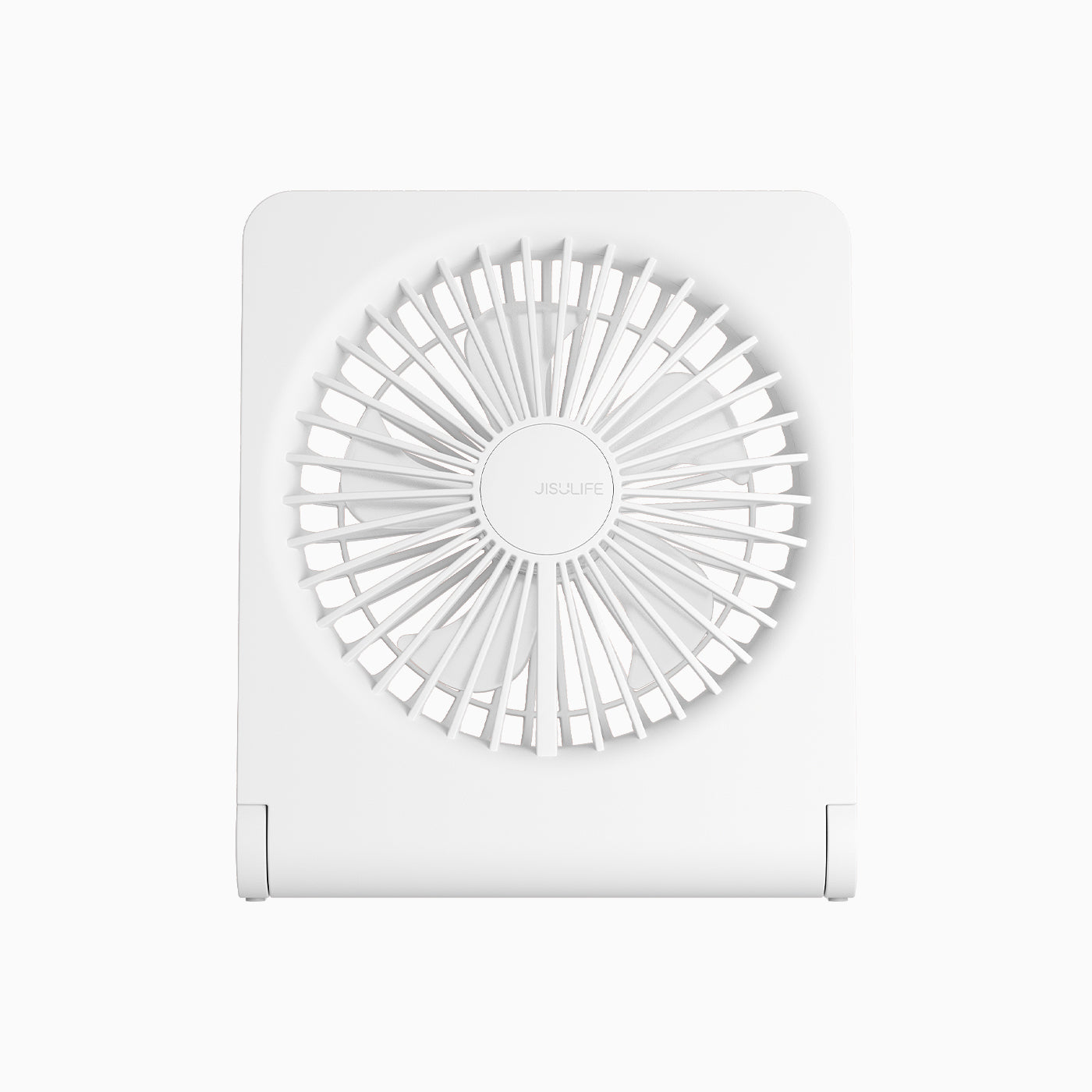
Traditional fans have fast-spinning blades that are easy to touch accidentally. Most come with a plastic grille guard, but the gaps are often large enough for small fingers to pass through. The blades themselves can cause cuts or bruises on contact.
A bladeless fan has no exposed moving parts. The motor and impeller are sealed inside the base. The air exits through a smooth loop with no sharp edges. This makes accidental contact far less dangerous.
Stability and Tipping Risk
Both types of fan can tip over if knocked. Bladeless fans tend to have a weighted base that improves stability. Traditional fans often use a narrow pedestal stand, which is less forgiving on uneven floors.
Dust and Hygiene
Traditional fans collect dust on their blades over time. That dust gets redistributed into the air when the fan runs. Bladeless fans are easier to wipe down since there are no exposed fan blades to clean around. This matters for people with allergies or asthma.
Verdict: The bladeless fan is meaningfully safer, especially around children and pets.
Noise Levels: The Quieter Fan for Daily Use
Noise is another area where the bladeless fan stands out, though the reality is a bit more nuanced.
Why Traditional Fans Are Louder
The chopping motion of spinning blades creates turbulence. That turbulence produces the steady hum and whooshing sound associated with traditional fans. The faster the speed setting, the louder it gets. Some older or cheaper models add rattling and vibration on top of that.
How Bladeless Fans Reduce Sound
Because the airflow is continuous rather than chopped, there is less turbulence and therefore less noise. The motor is enclosed, which also dampens the mechanical sound. At low and medium settings, a bladeless fan runs noticeably quieter than most traditional fans.
That said, at the highest speed settings, bladeless fans are not completely silent. You will still hear airflow. The difference is more about tone than total silence. The sound from a bladeless fan tends to be a smoother, lower hiss rather than a rhythmic whoosh.
A Practical Comparison
| Feature | Traditional Fan | Bladeless Fan |
| Sound at low speed | Moderate hum | Near silent |
| Sound at high speed | Loud whoosh | Soft hiss |
| Vibration noise | Common | Rare |
| Sleep-friendly | Sometimes | Usually yes |
For bedrooms, nurseries, or office spaces where background noise matters, the bladeless fan is the better choice.
Airflow Quality and Cooling Performance
Moving air quickly is one thing. Moving it comfortably and effectively is another.
Smooth vs. Choppy Airflow
Traditional fans produce a strong but uneven stream of air. Some people find this cooling effect too harsh or drying, particularly when sitting directly in front of the fan for long periods.
Bladeless fans produce a more even, consistent airflow. The amplified stream feels less aggressive on the skin. This is often described as more natural, similar to a gentle outdoor breeze.
Coverage Area
Traditional fans with oscillation can cover a wide area. Bladeless fans also oscillate, and the loop design can spread air fairly evenly across a room. Neither type has a clear advantage here; room shape and fan placement matter more.
Energy Use
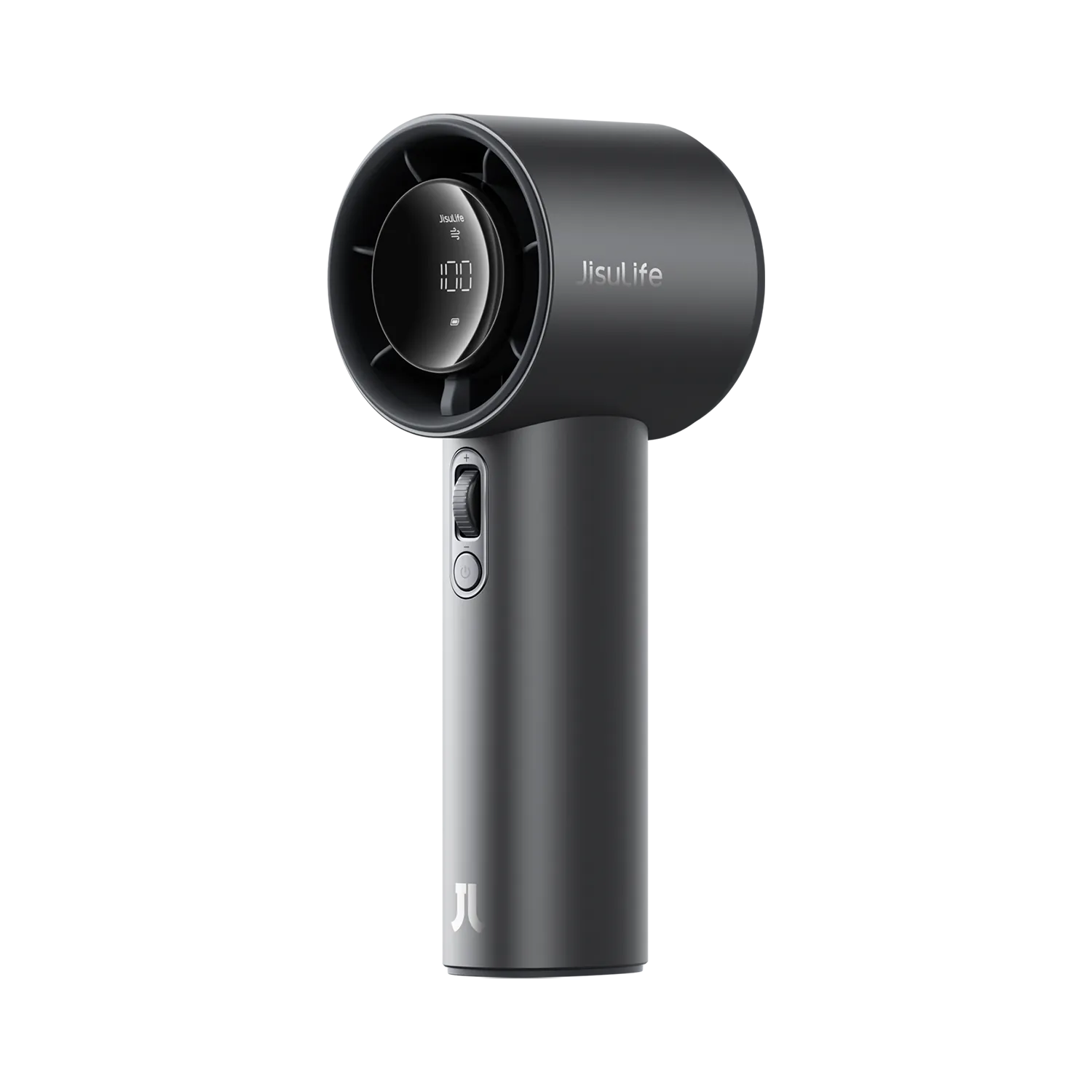
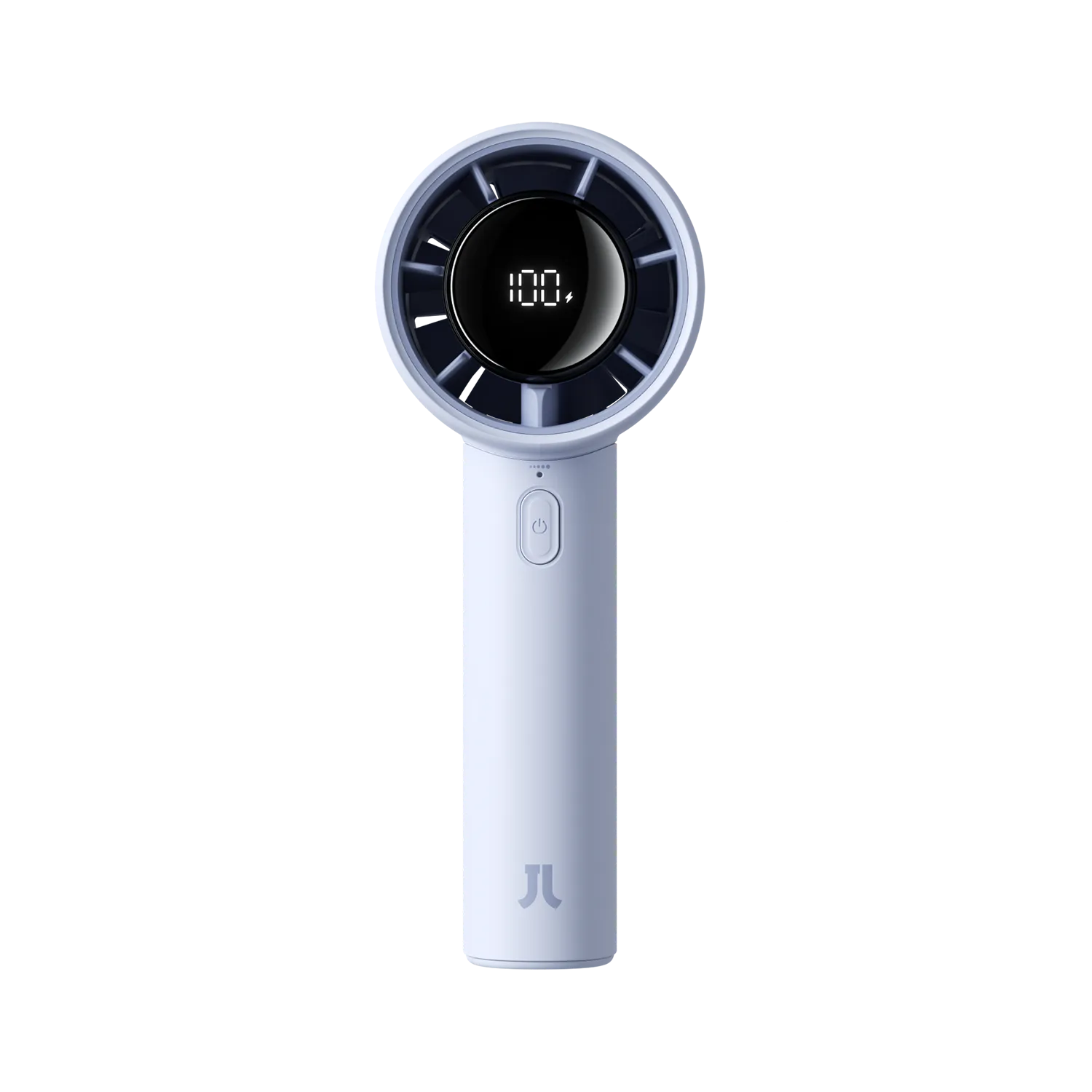
Bladeless fans tend to use more energy than basic traditional fans to produce similar airflow volumes. However, some models include digital 1-100 speed controls that let you run at lower settings without sacrificing comfort, which can offset the energy cost.
The Bladeless Neck Fan: A Portable Take on the Same Technology
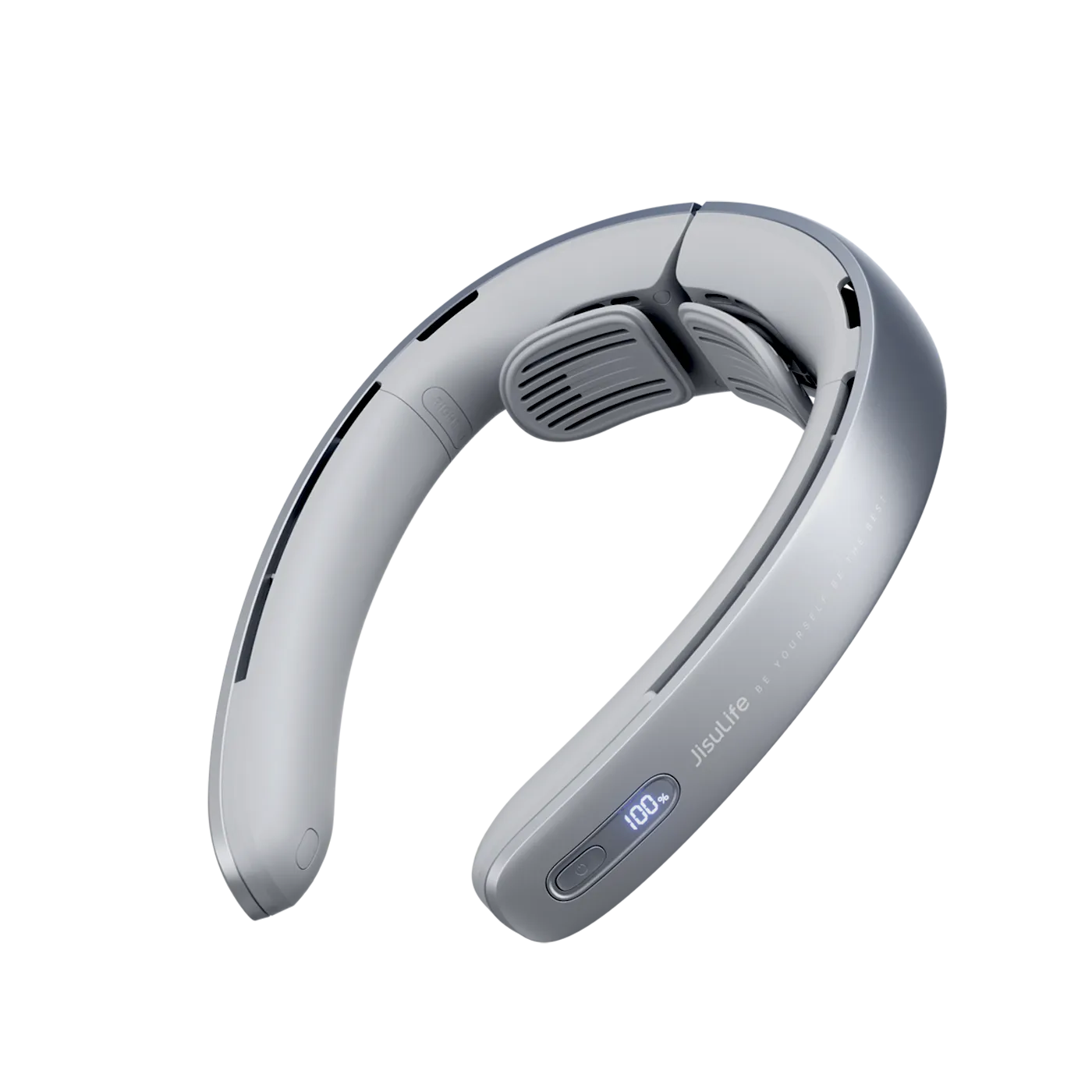
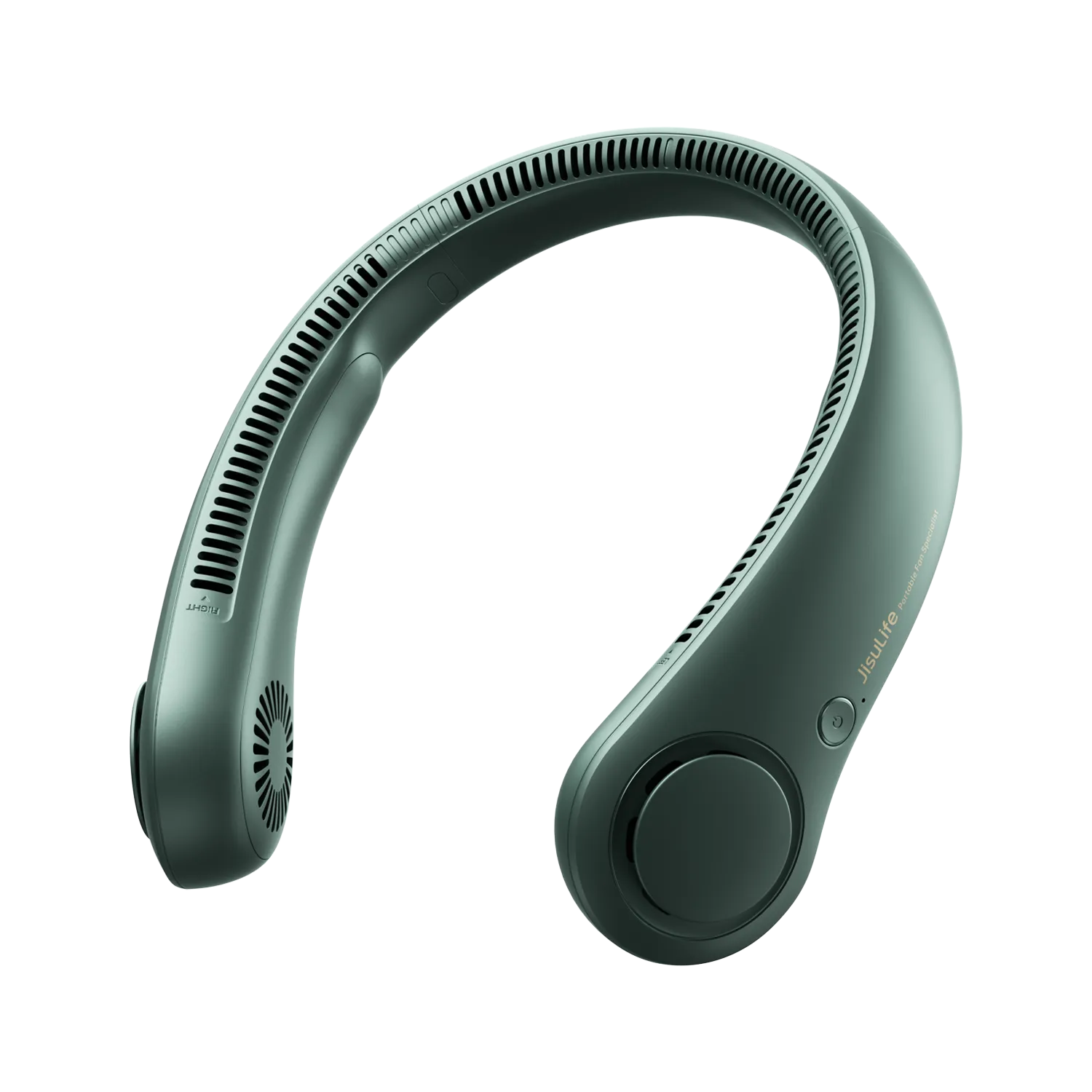
Beyond floor and desk models, the bladeless neck fan has carved out its own niche. This wearable fan sits around your neck and uses the same enclosed airflow principle, but in a compact form.
How It Differs From Desk Models
The bladeless neck fan does not produce the same airflow volume as a full-sized unit. It works by directing a soft stream of air toward your face and neck from close range. The effect is personal cooling rather than room cooling.
Because it sits against your skin, safety is especially important in this design. The enclosed motor and lack of exposed blades make the bladeless neck fan significantly safer than a small handheld fan with spinning blades.
Who It Works Well For
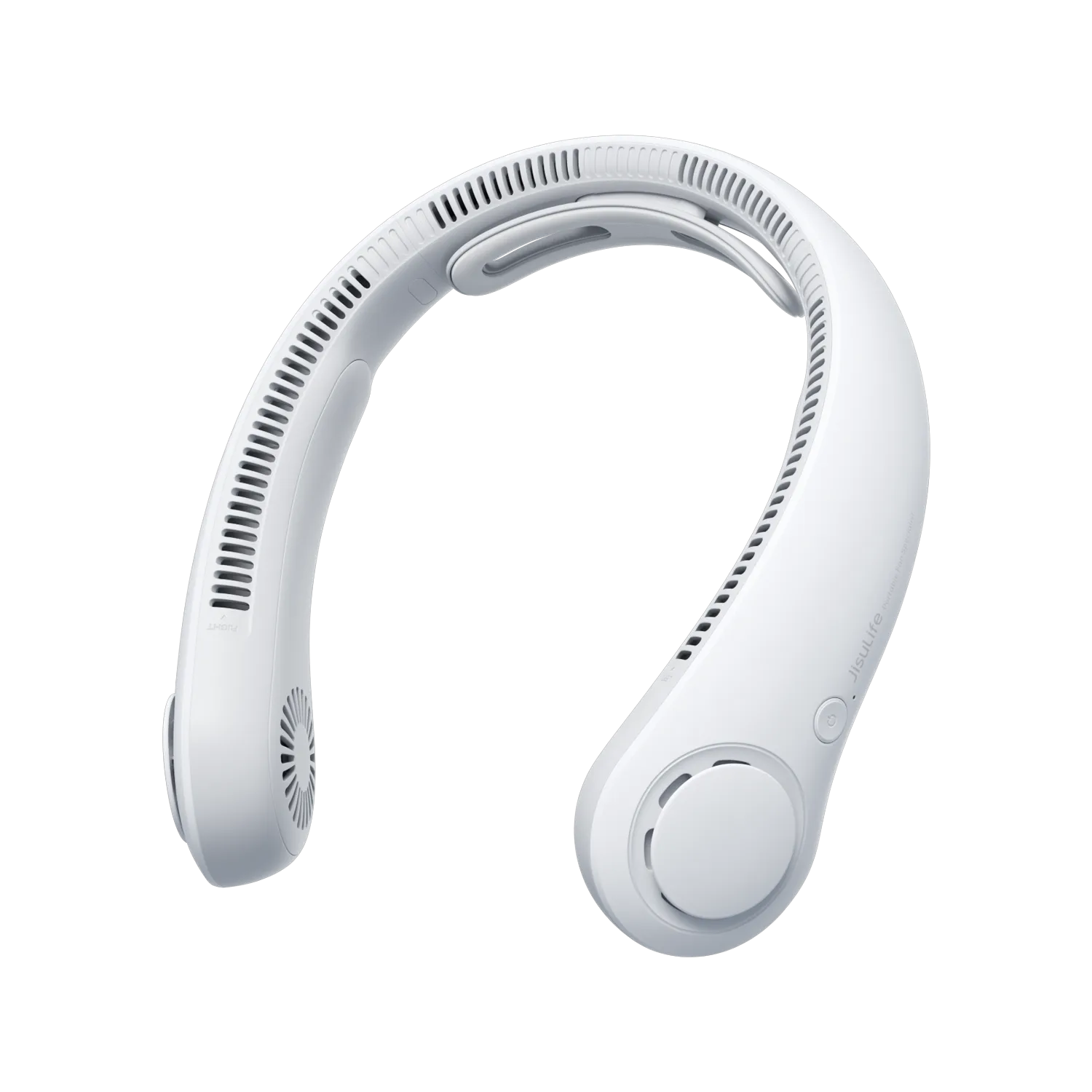
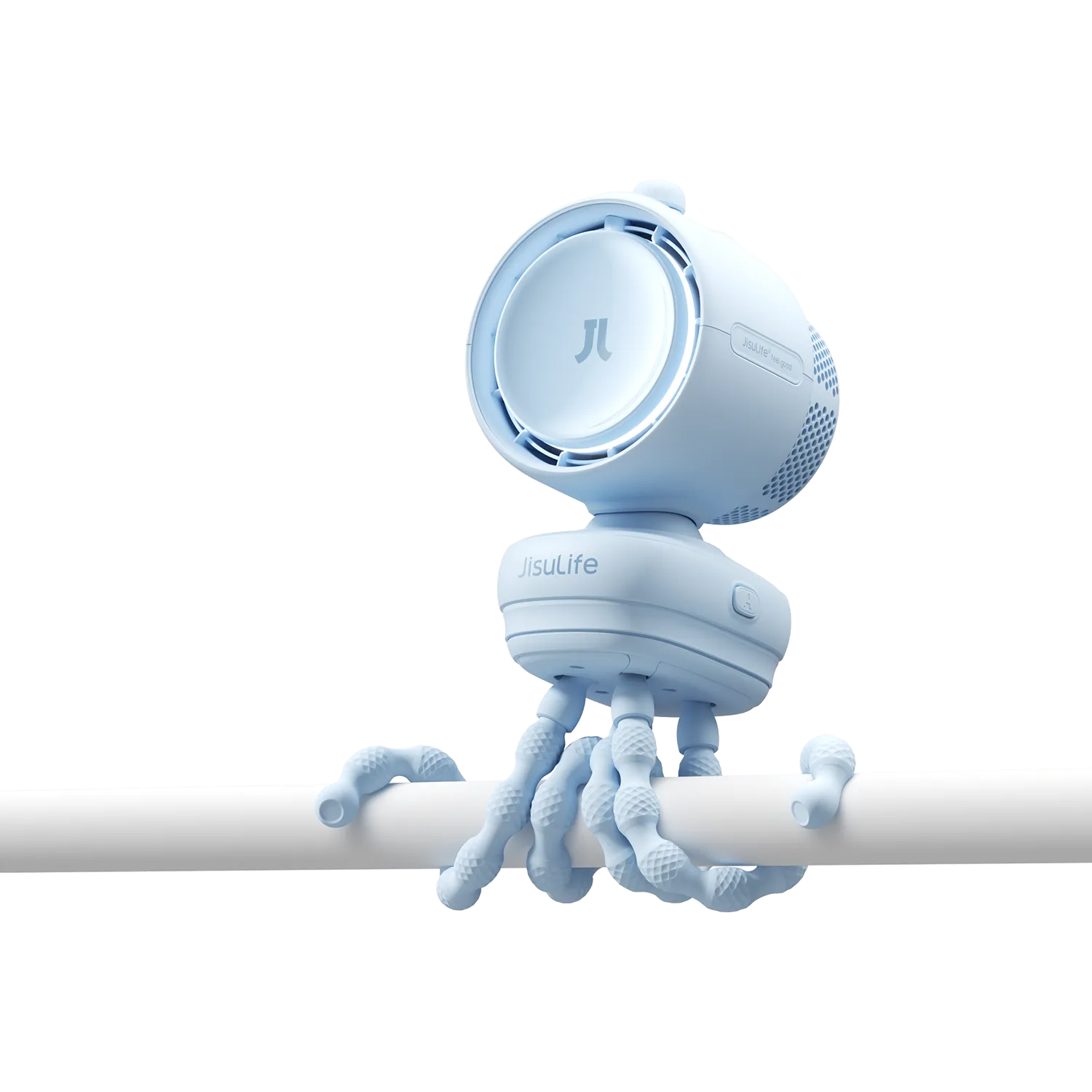
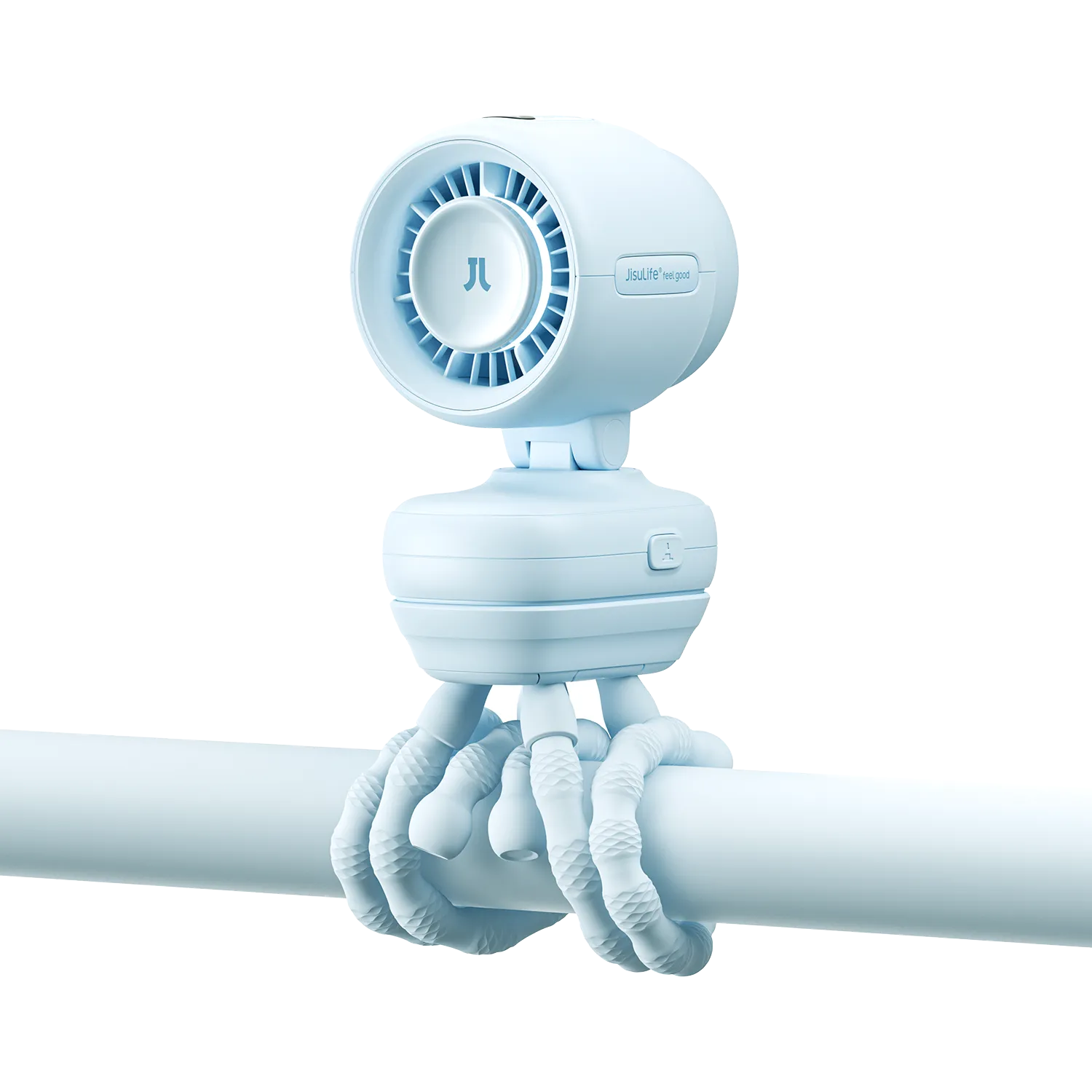
The bladeless neck fan is popular with commuters, outdoor workers, and people who need hands-free cooling. It is lightweight, quiet at lower settings, and rechargeable in most cases. The JisuLife Neck Fan Life3, for example, has 78 air outlets. It runs quietly, lasts up to 16 hours on a single charge, and has no exposed blades at all.

Bladeless Fan vs. Traditional Fan: Key Differences at a Glance
When making a direct bladeless fan vs traditional fan comparison, a few points consistently stand out.
| Category | Traditional Fan | Bladeless Fan |
| Child safety | Lower | Higher |
| Noise at low speed | Noticeable | Minimal |
| Ease of cleaning | Harder | Easier |
| Airflow feel | Choppy | Smooth |
| Price | Lower | Higher |
| Energy use | Lower | Moderate to higher |
The bladeless fan wins on safety, noise, and comfort. The traditional fan wins on price and energy efficiency. Neither is universally better; it depends on your priorities.
Make Your Choice Count
Choosing between a bladeless fan and a traditional fan comes down to what matters most to you. If safety, quiet operation, and smooth airflow are your priorities, a bladeless fan is worth the higher upfront cost. If budget and raw cooling power are your main concerns, a traditional fan still does the job. Think about where and how you plan to use the fan, and let that guide your decision.
FAQs about bladeless fan safety, performance, price
Q1: Are Bladeless Fans Actually Safe for Young Children?
Yes, bladeless fans are definitely much safer for young children than traditional fans. There are no blades to accidentally touch. The motor is fully contained within the base of the fan. Although this does not mean that children cannot get into mischief with these fans, they are definitely much safer than traditional fans.
Q2: Do Bladeless Fans Cool a Room as Effectively as Traditional Fans?
Yes, they do, but in a very different manner. A bladeless fan blows air in a smooth, constant motion. They can cool a room just as effectively as a traditional fan, but possibly not with the same gush of air when set to the highest speed.
Q3: How Much Quieter Is a Bladeless Fan Compared to a Traditional Fan?
Noticeably quieter at low and medium speeds. While both types make noise at high speeds, the bladeless fan makes a softer, less annoying hiss, whereas the traditional fan makes a whooshing noise from the blades. This is a significant advantage if you need a fan for sleeping or other activities where noise is a problem.
Q4: Is a Bladeless Neck Fan Worth Buying for Outdoor Use?
A bladeless neck fan is a worthwhile purchase if you are looking for a fan for outdoor activities, especially if you are commuting. This is a personal, hands-free fan that is compact and convenient. While it is not a solution for cooling off in extreme heat, it is a worthwhile purchase for everyday warm weather.
Q5: Why Are Bladeless Fans More Expensive Than Traditional Fans?
A bladeless fan is more expensive because it is a more complex piece of engineering inside. While it is true that a traditional fan is less complex, it is also true that this difference in engineering has driven up the price. This price difference has decreased as the product has become more common.



Leave a comment
All comments are moderated before being published.
This site is protected by hCaptcha and the hCaptcha Privacy Policy and Terms of Service apply.