

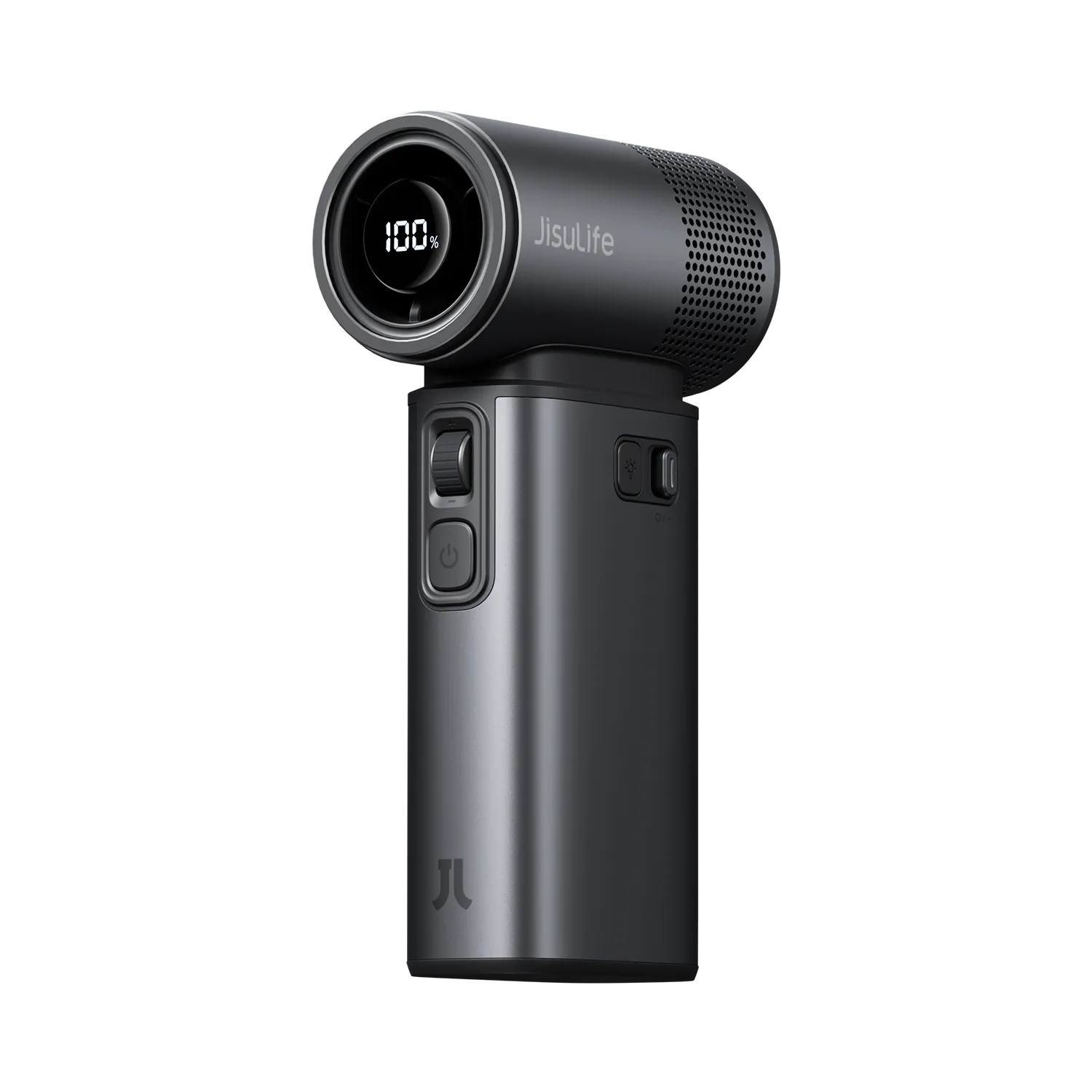
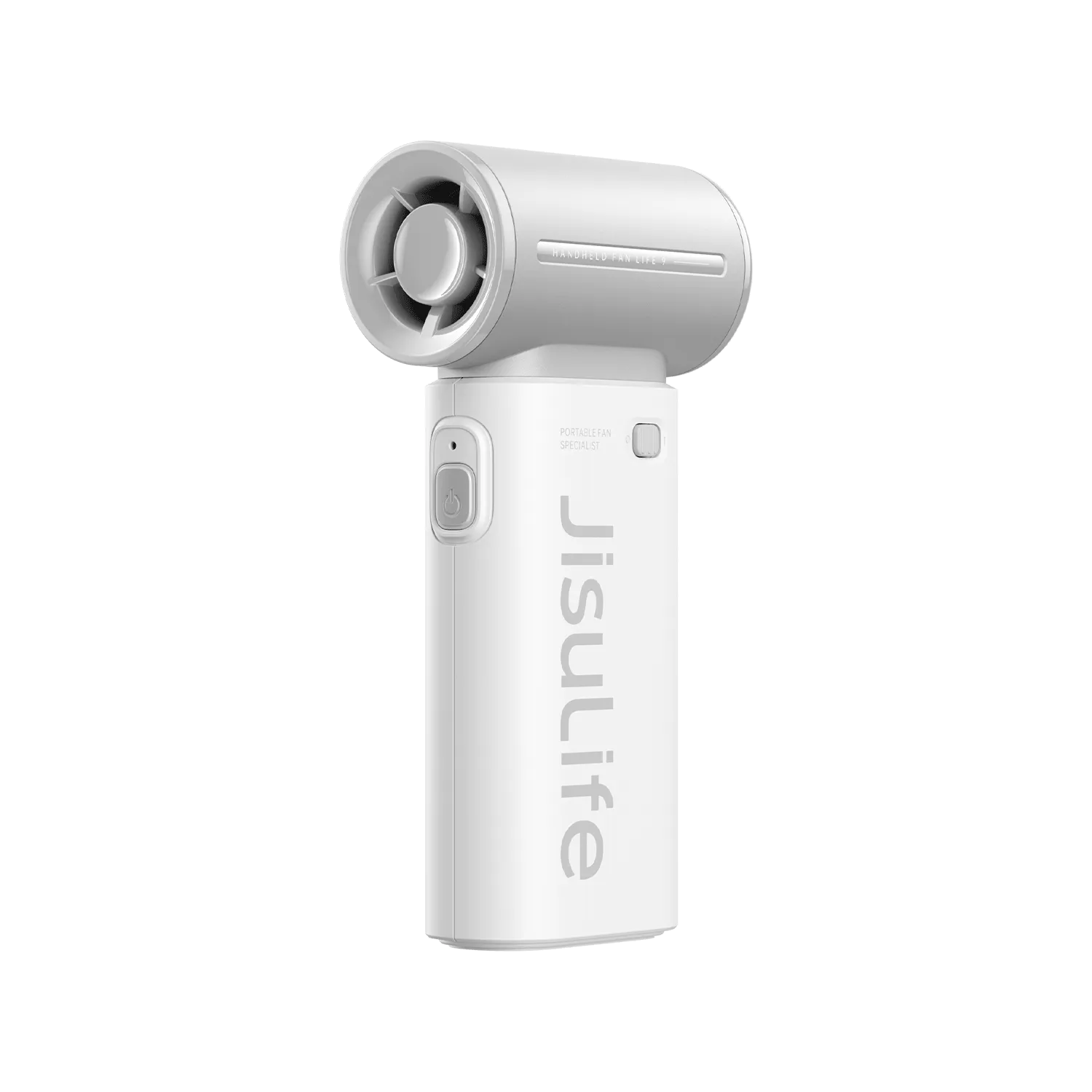
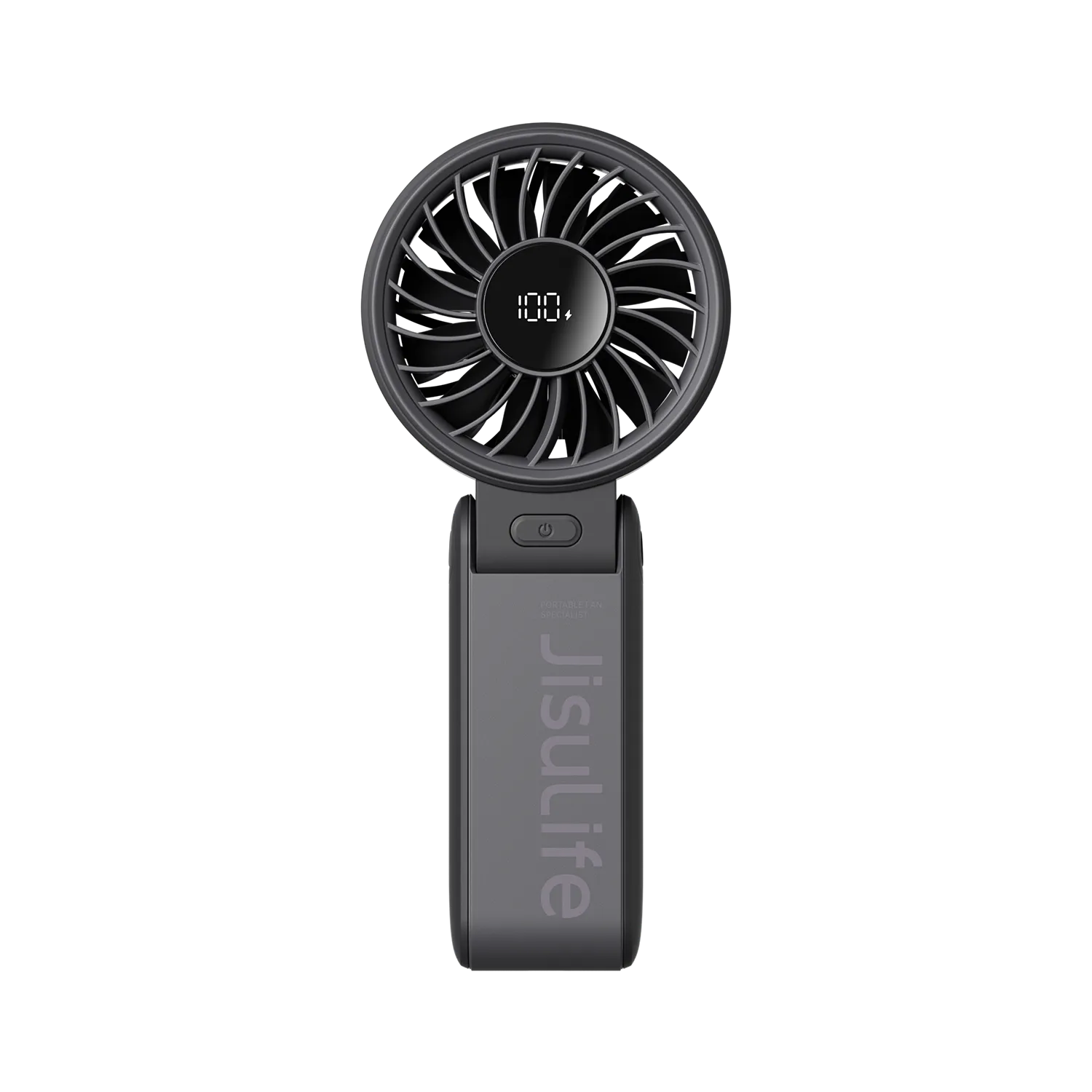
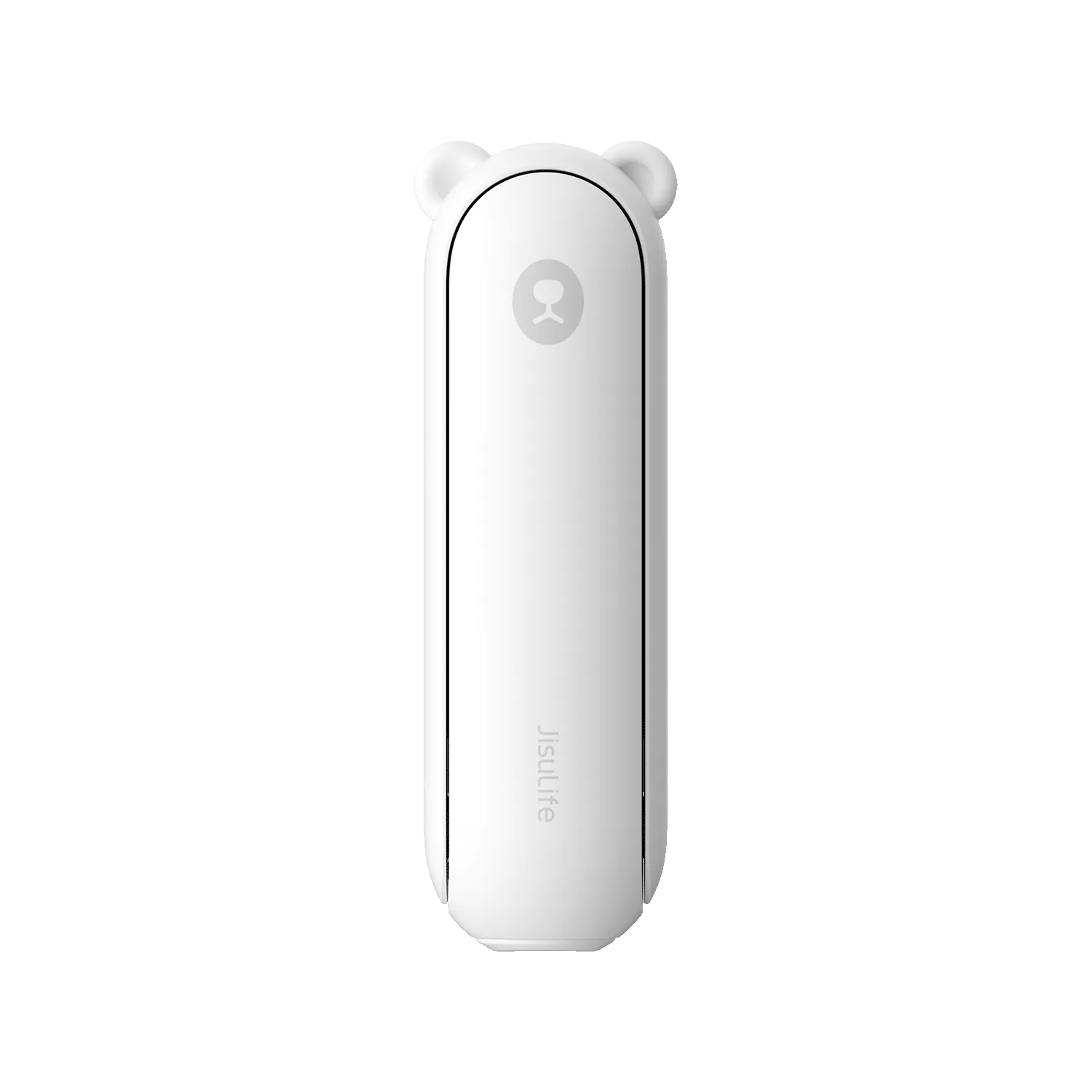
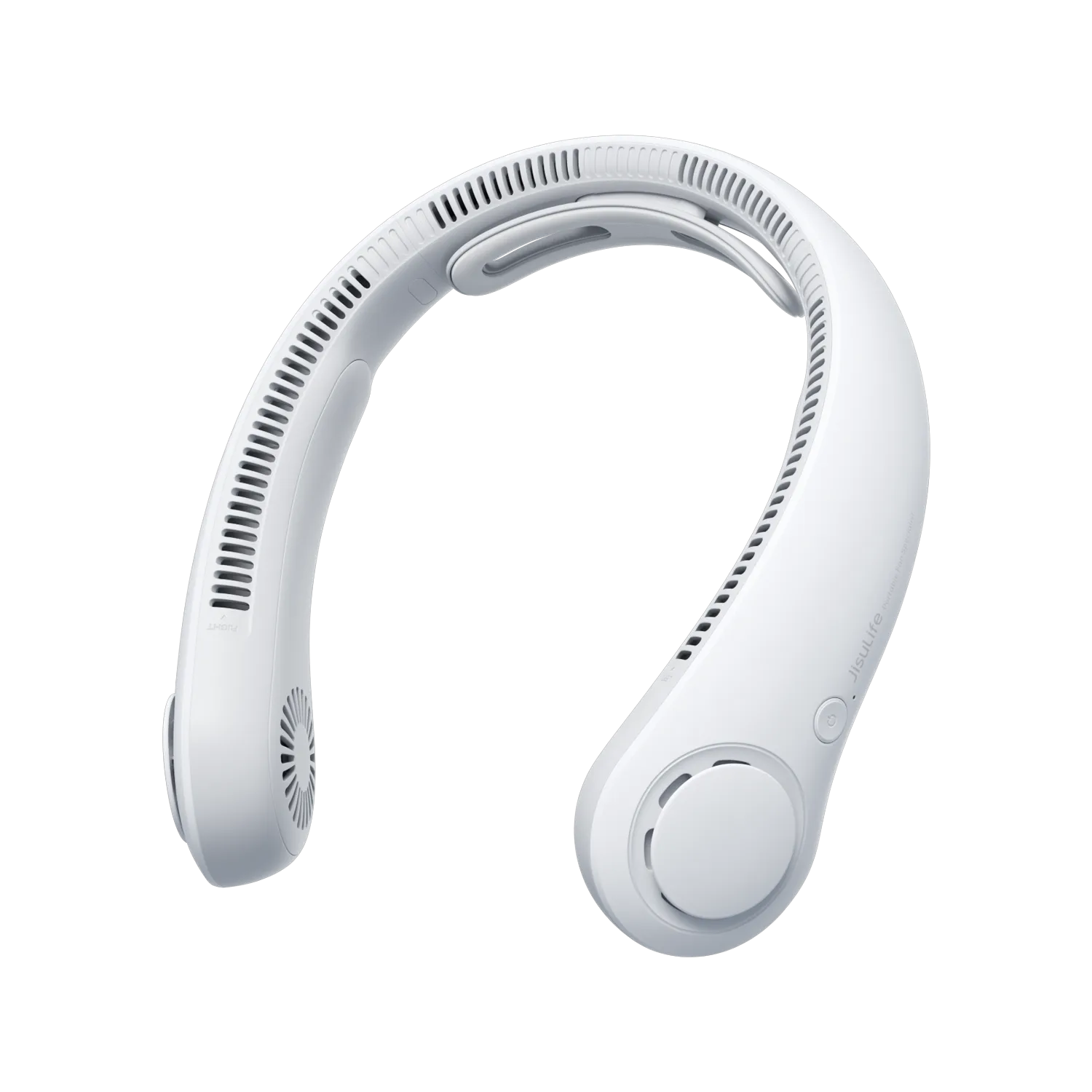
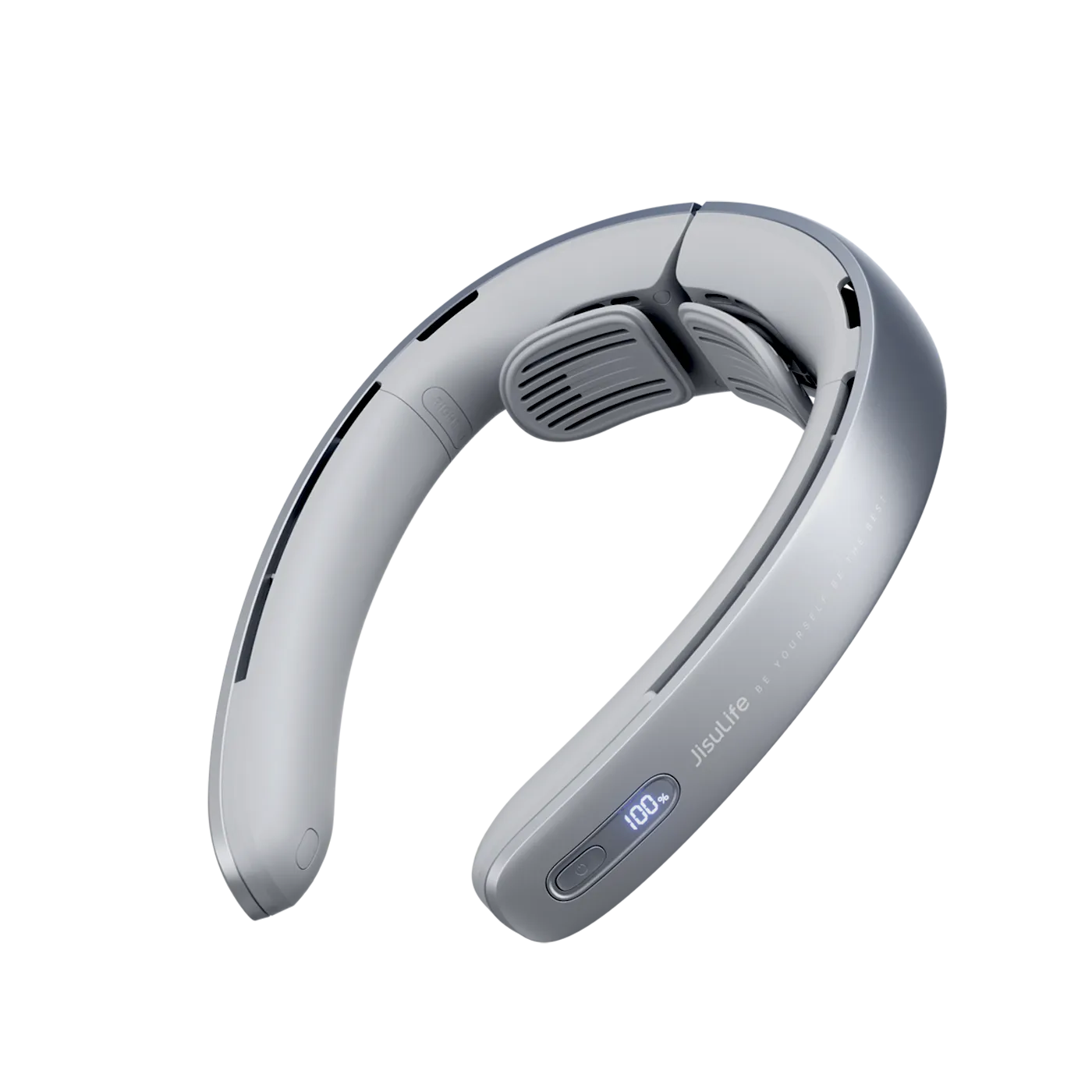
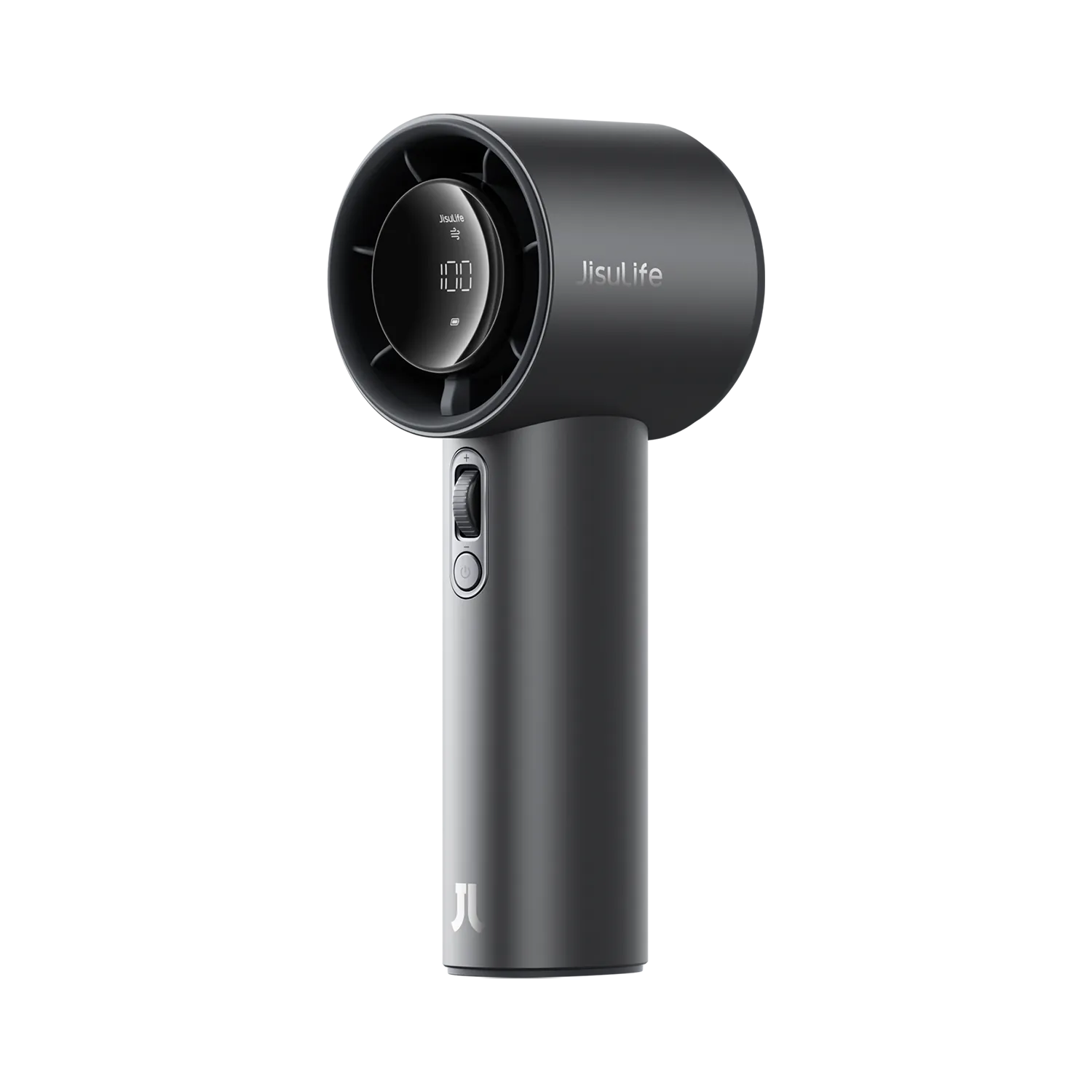
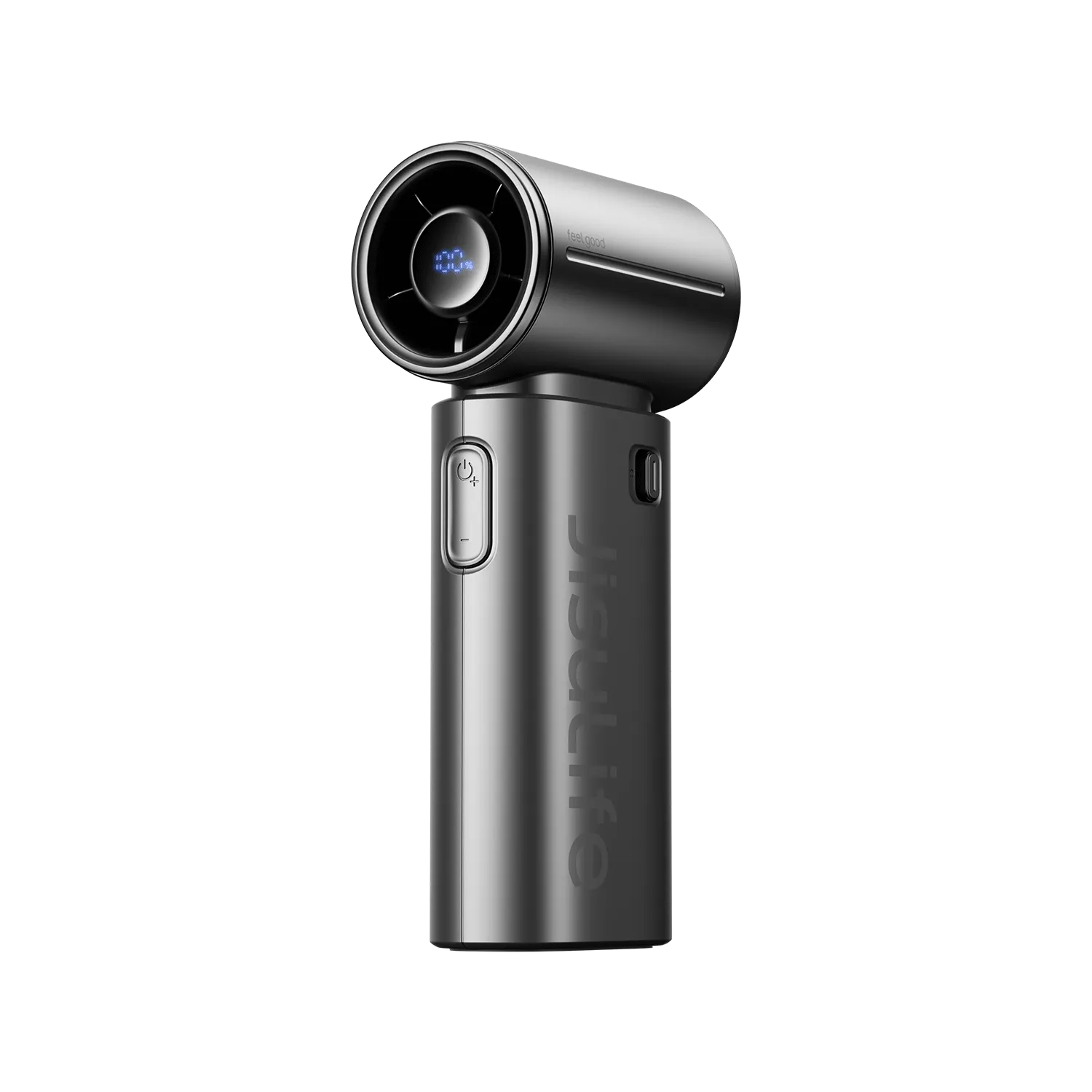


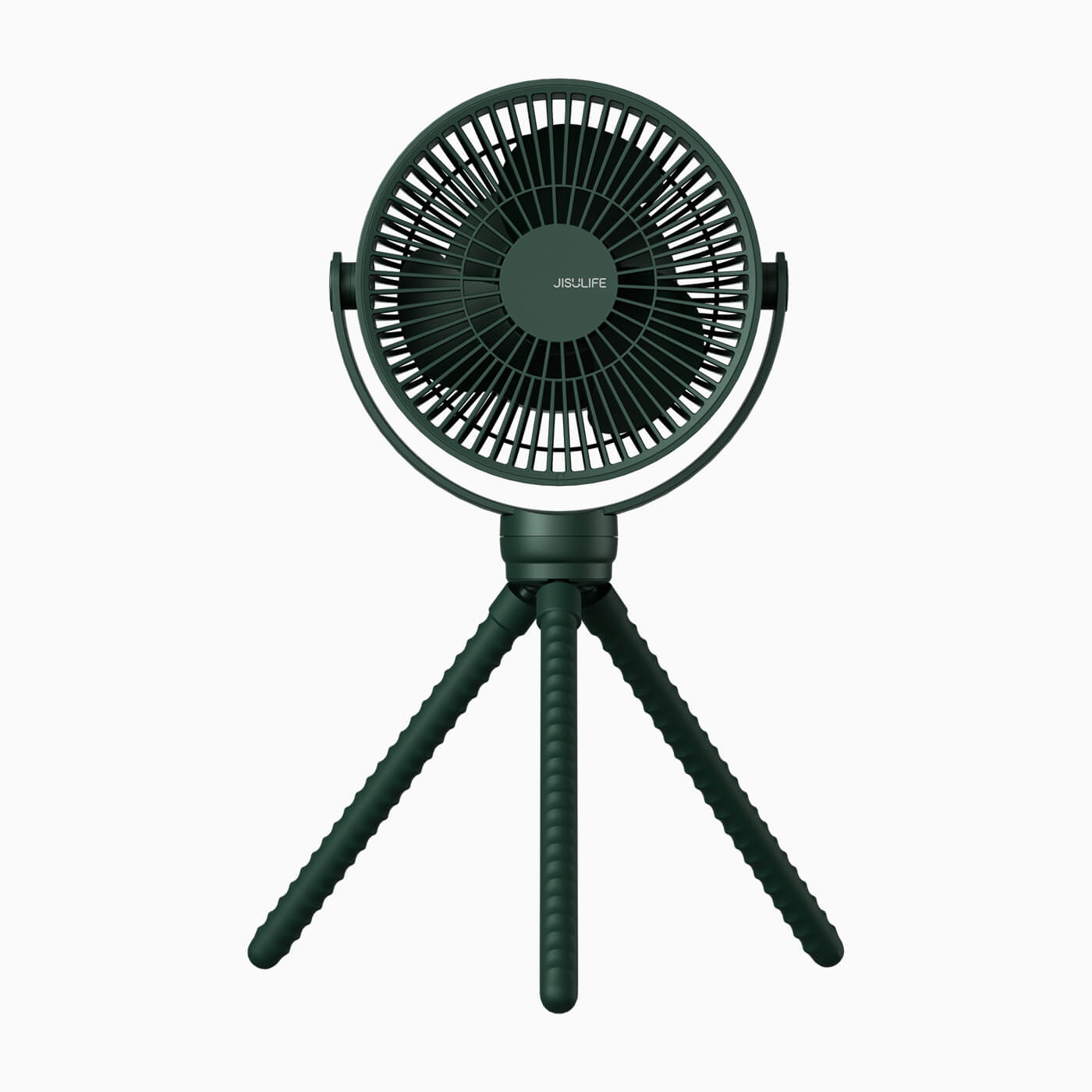
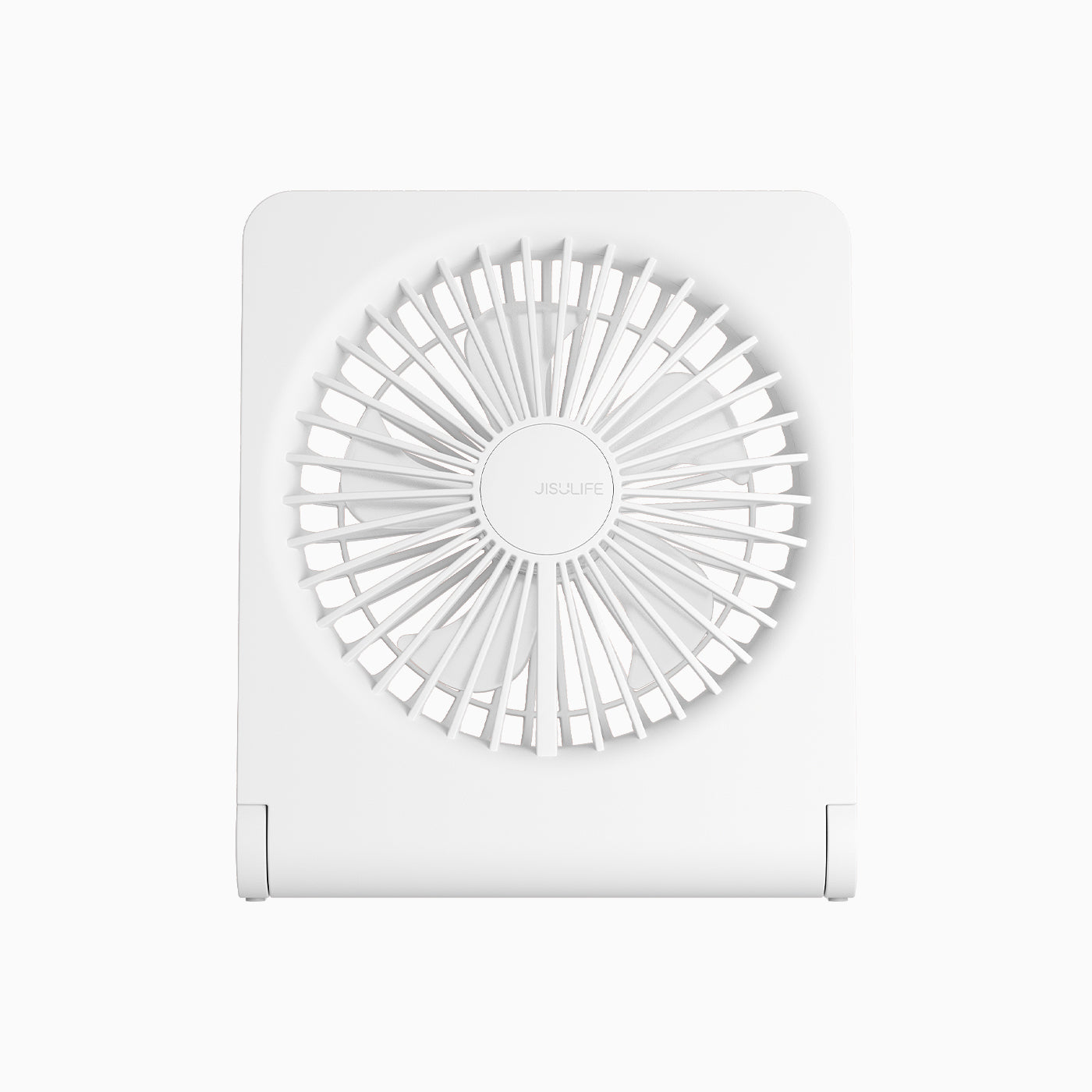
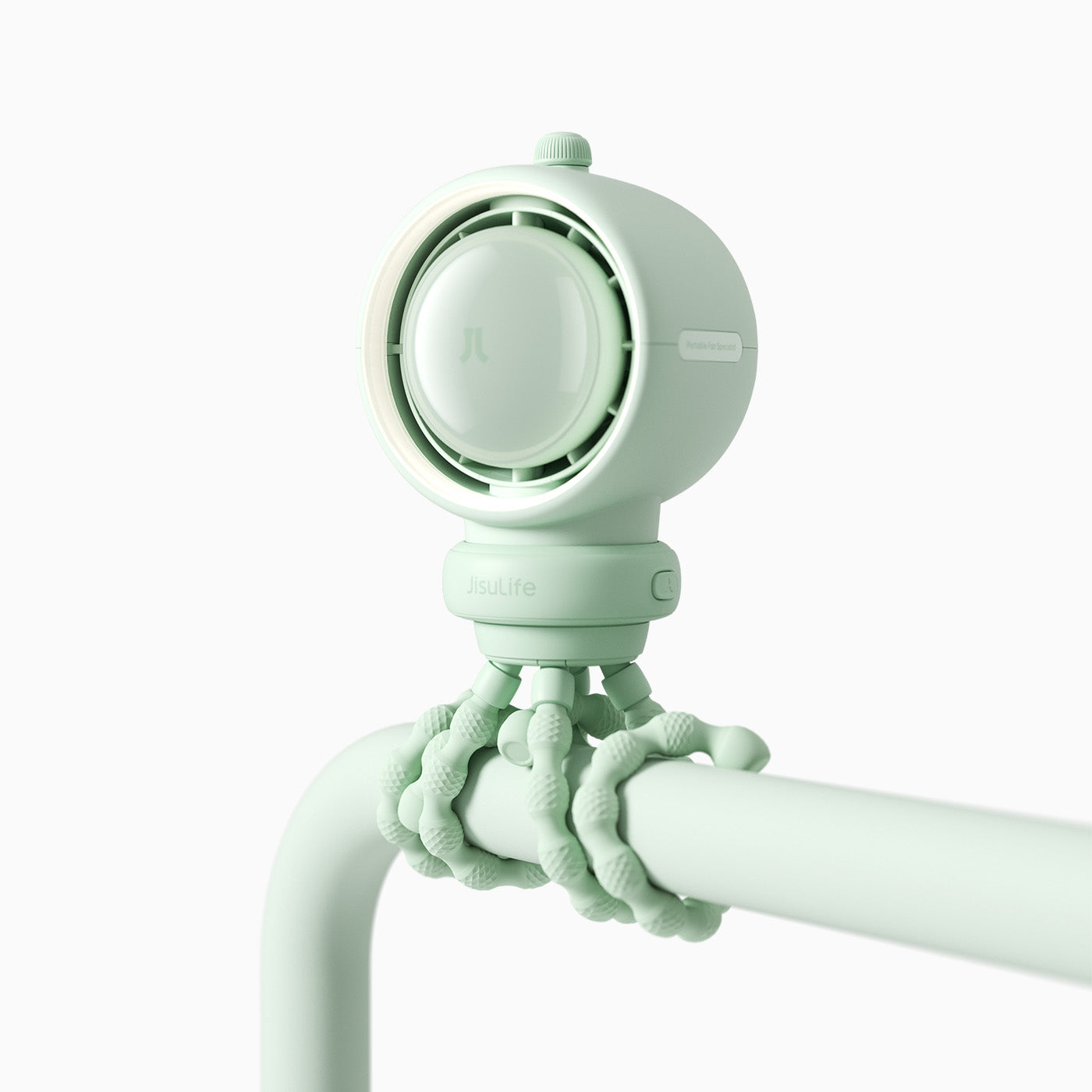
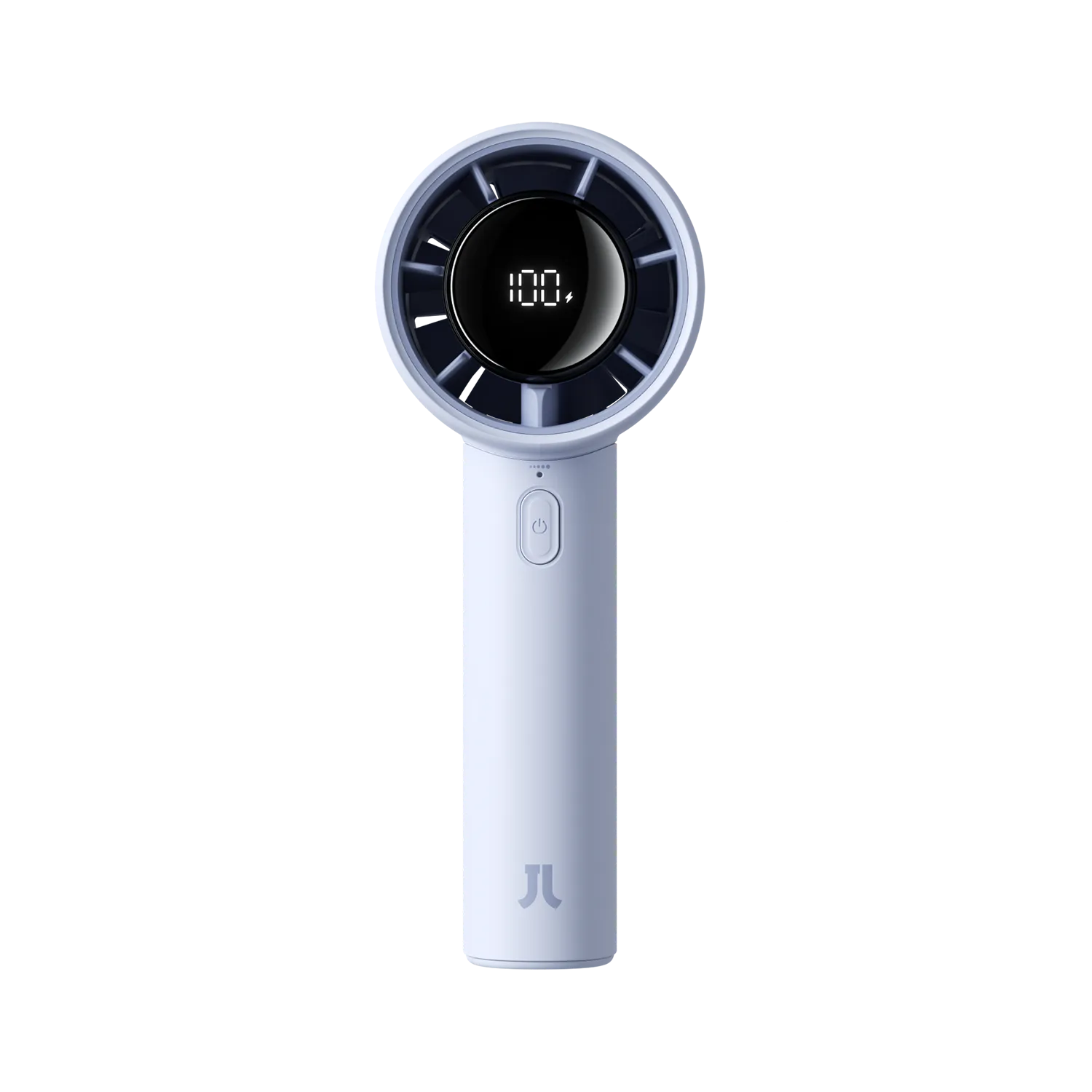
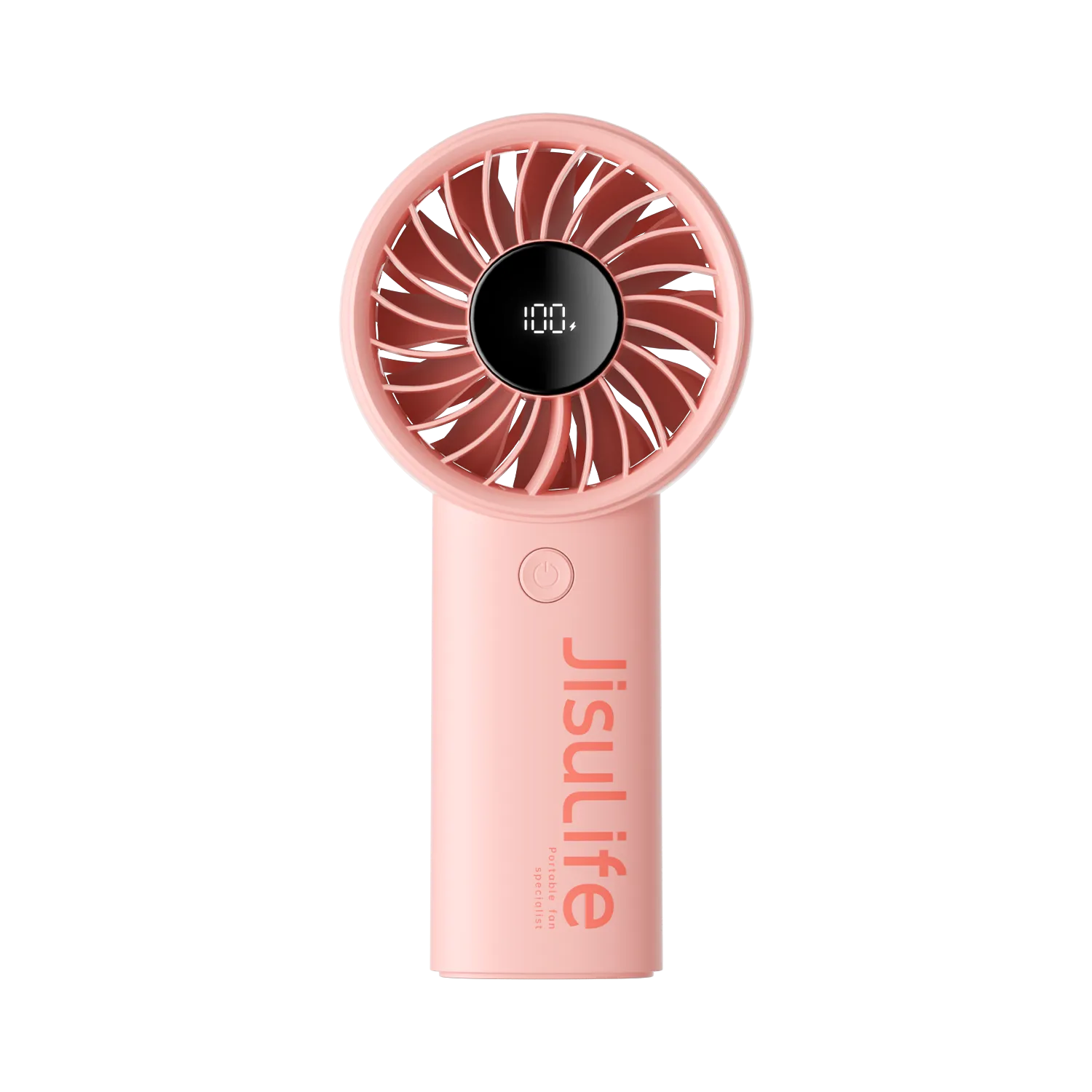
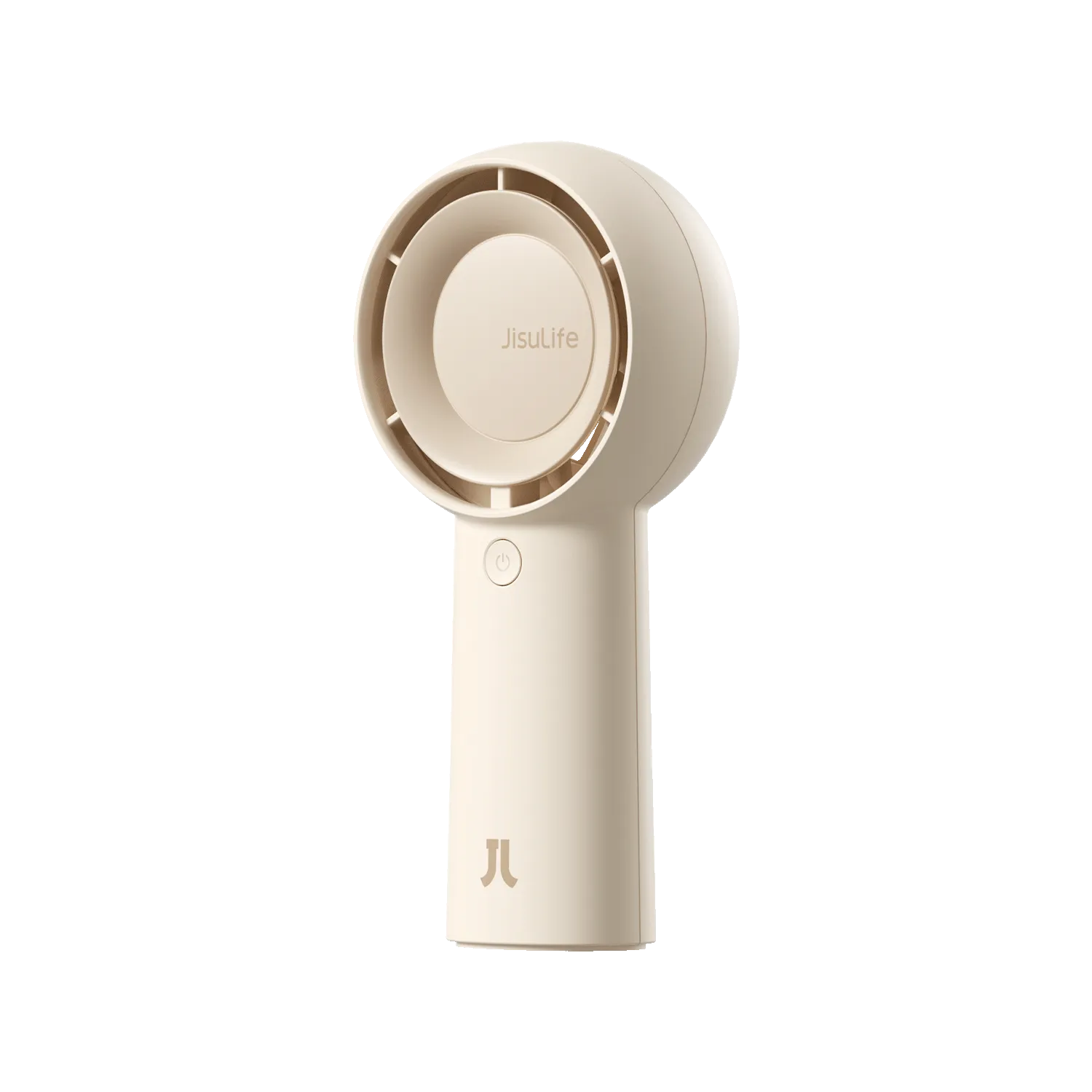
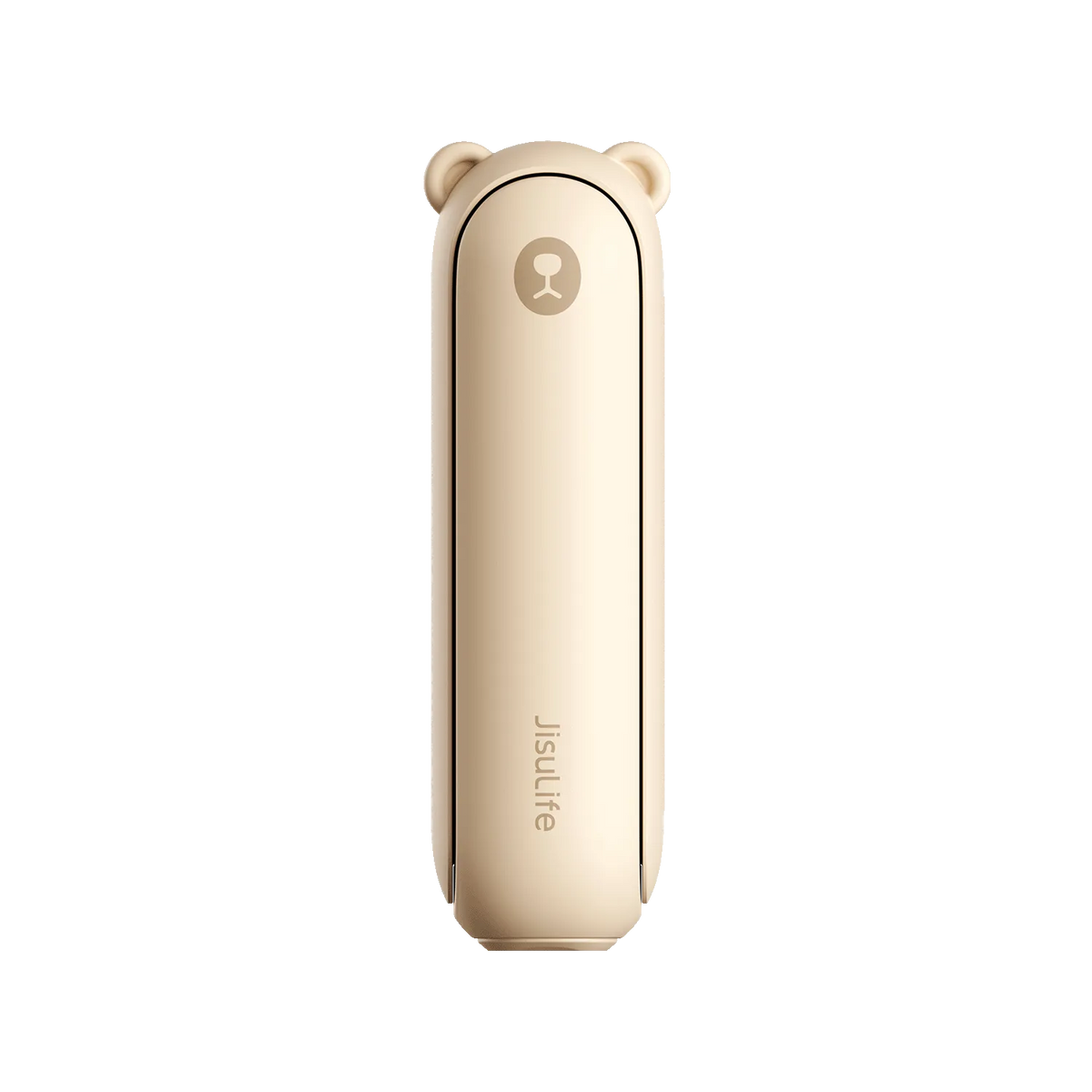
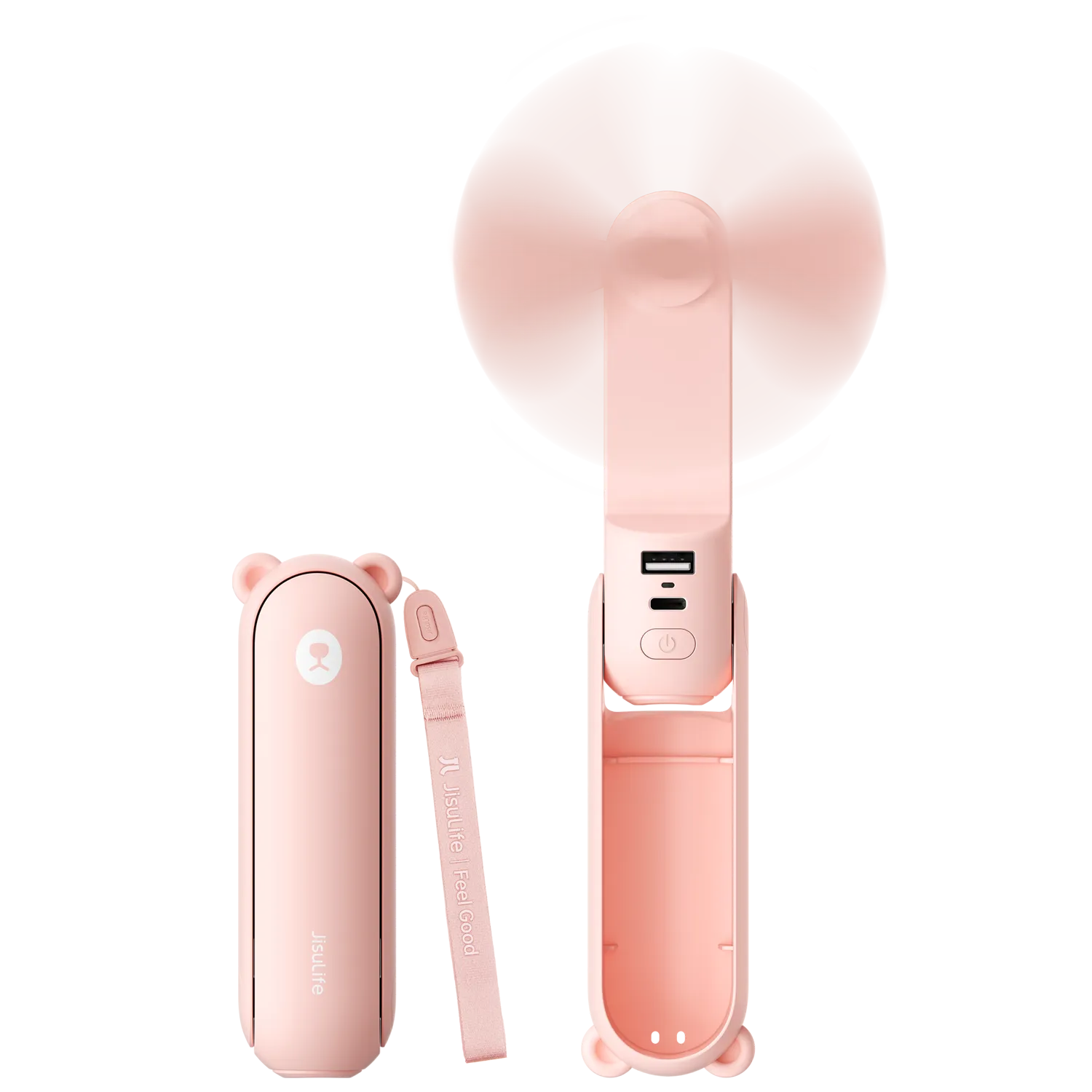
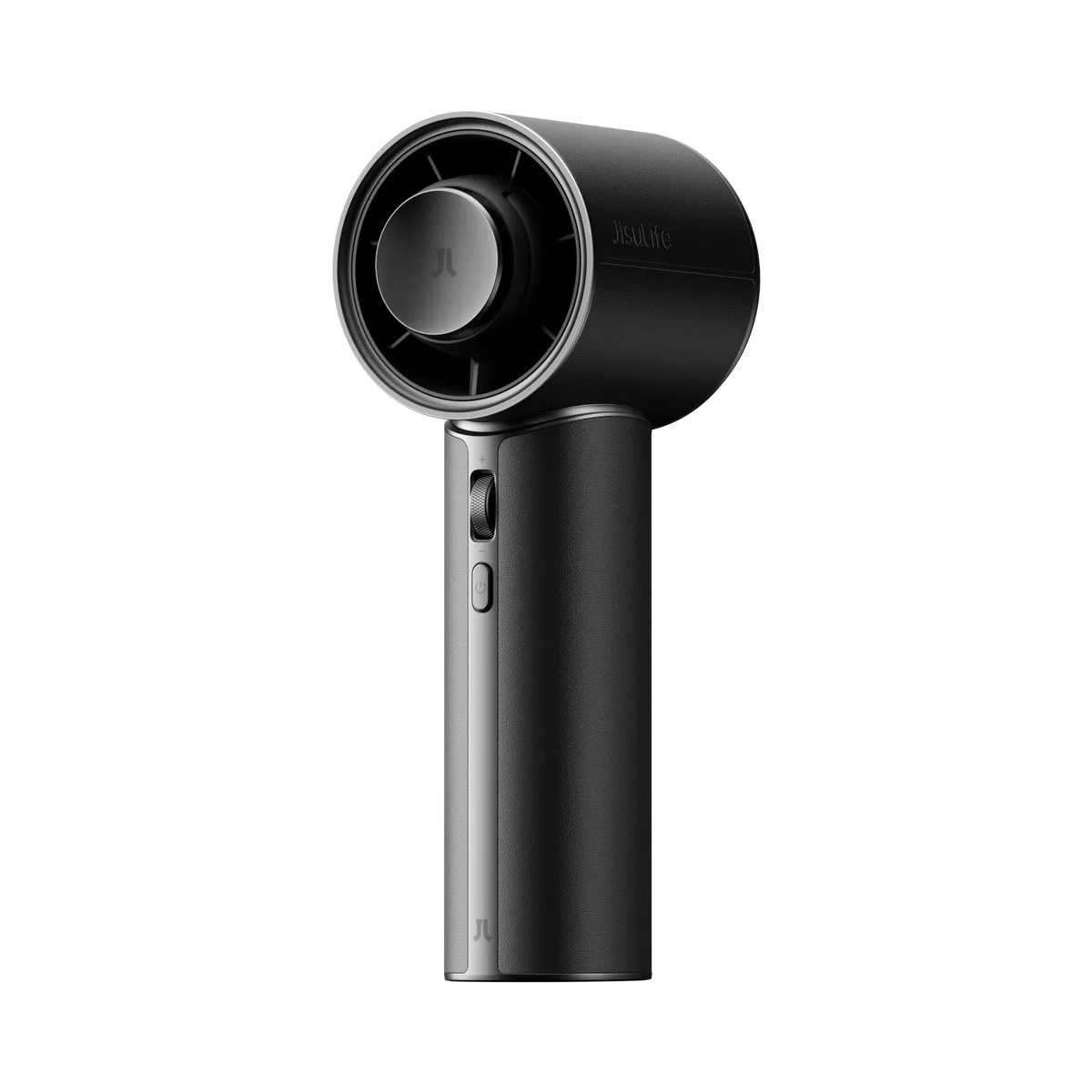
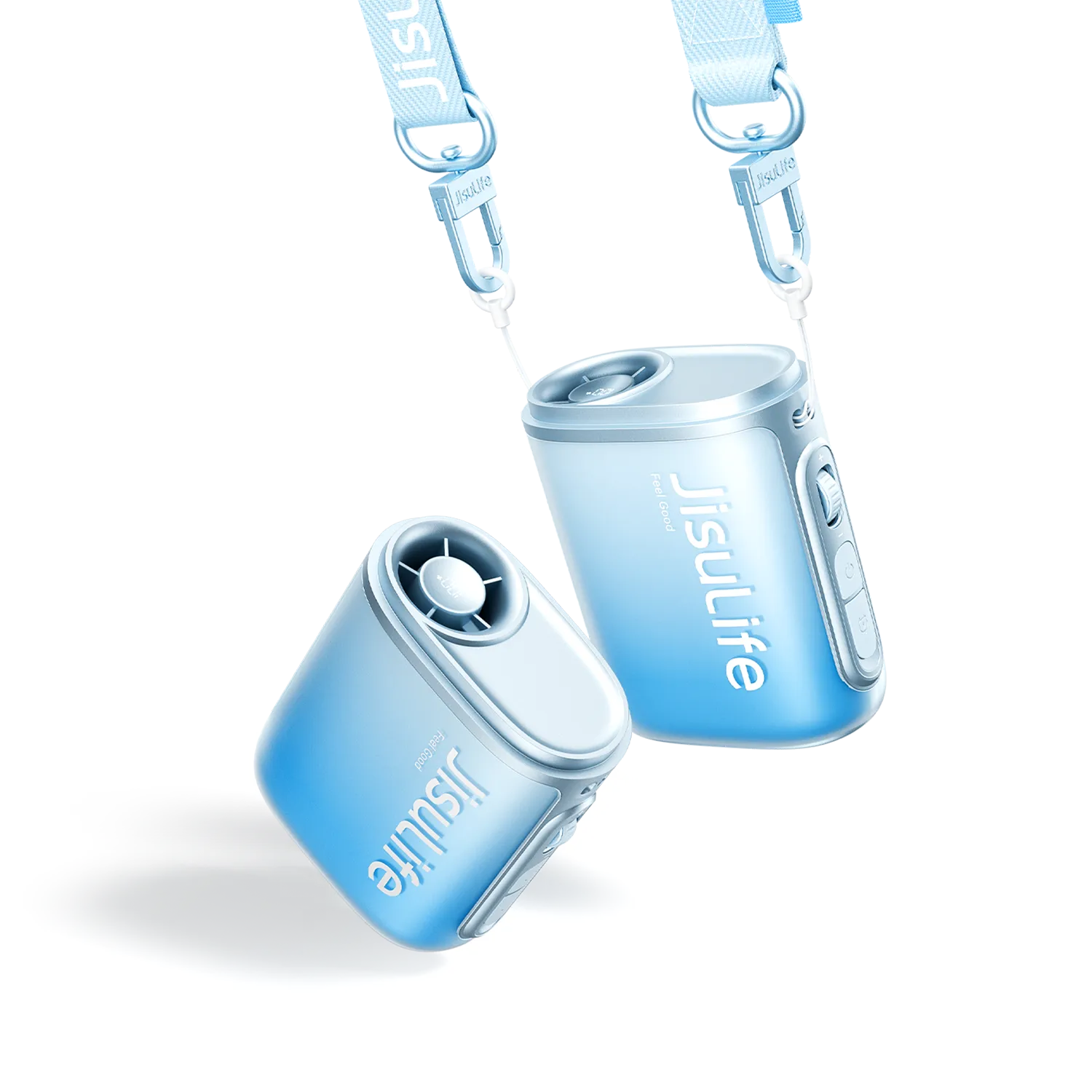
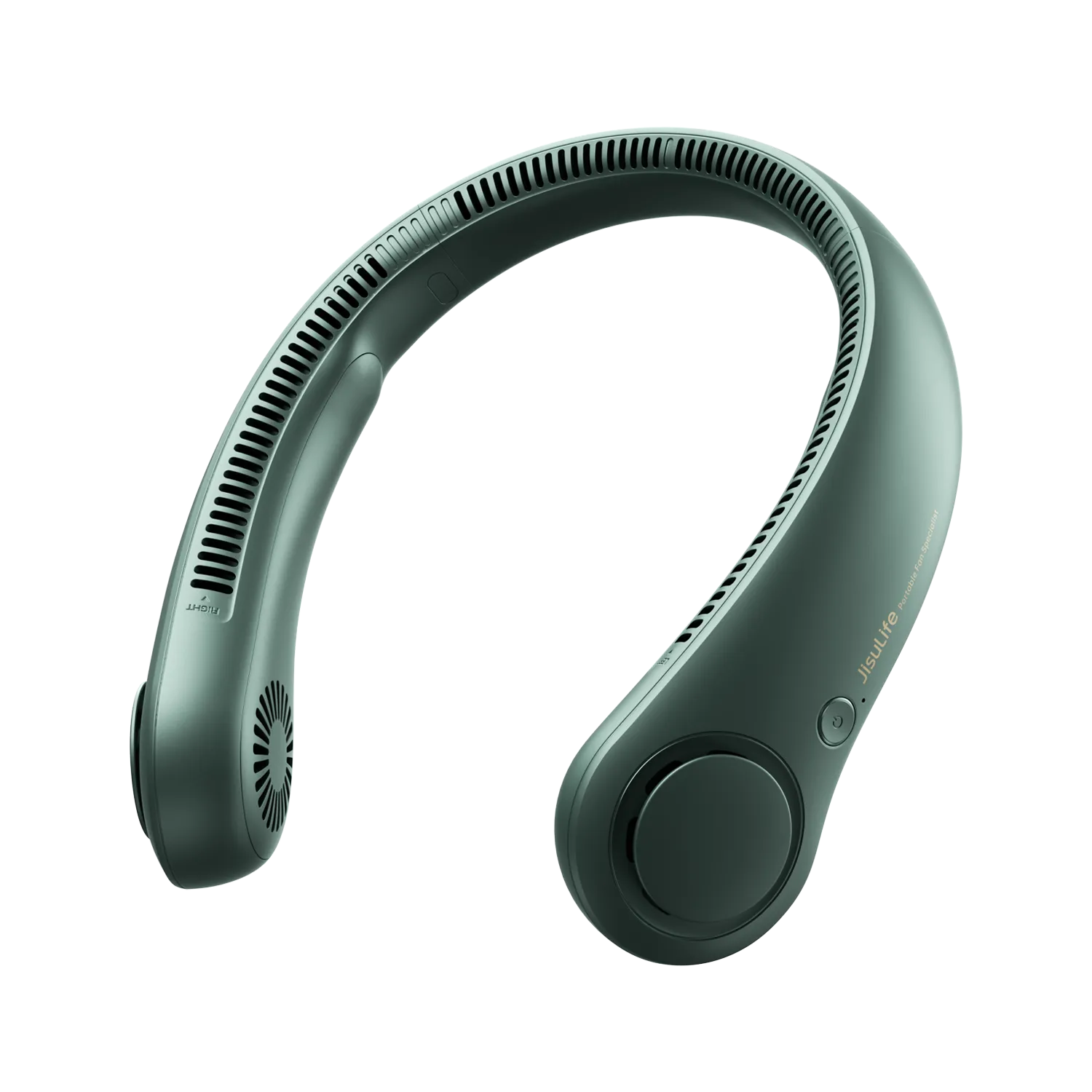
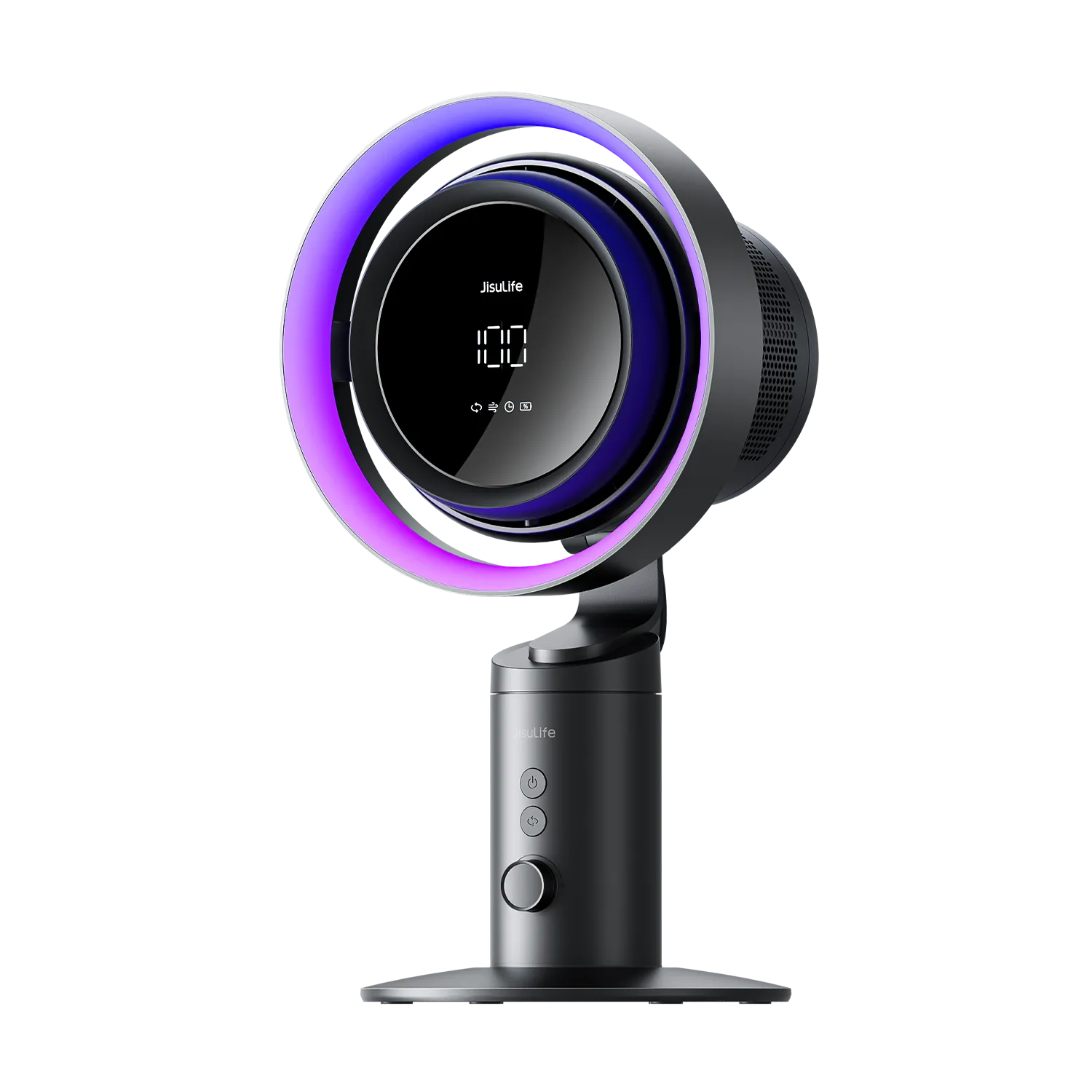
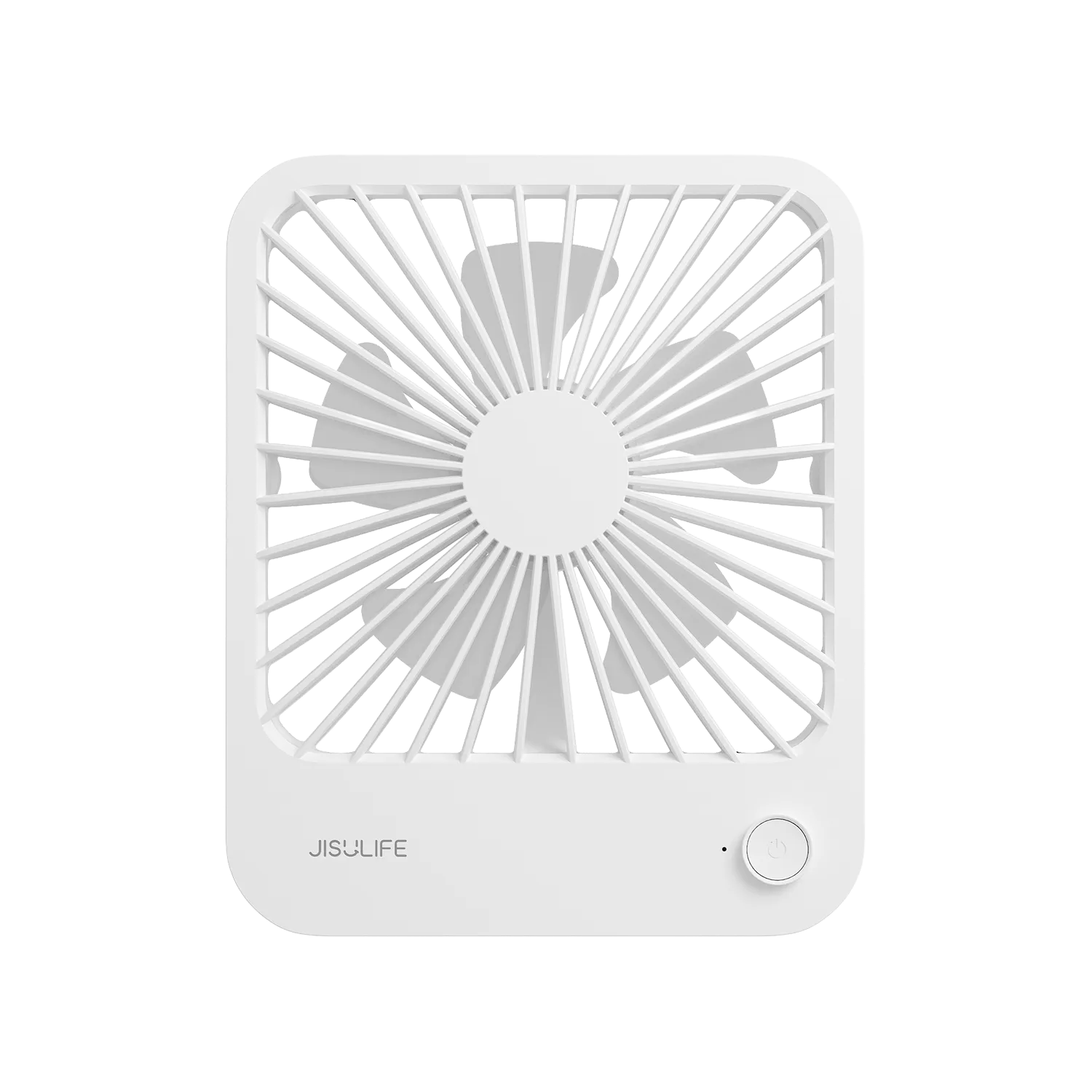
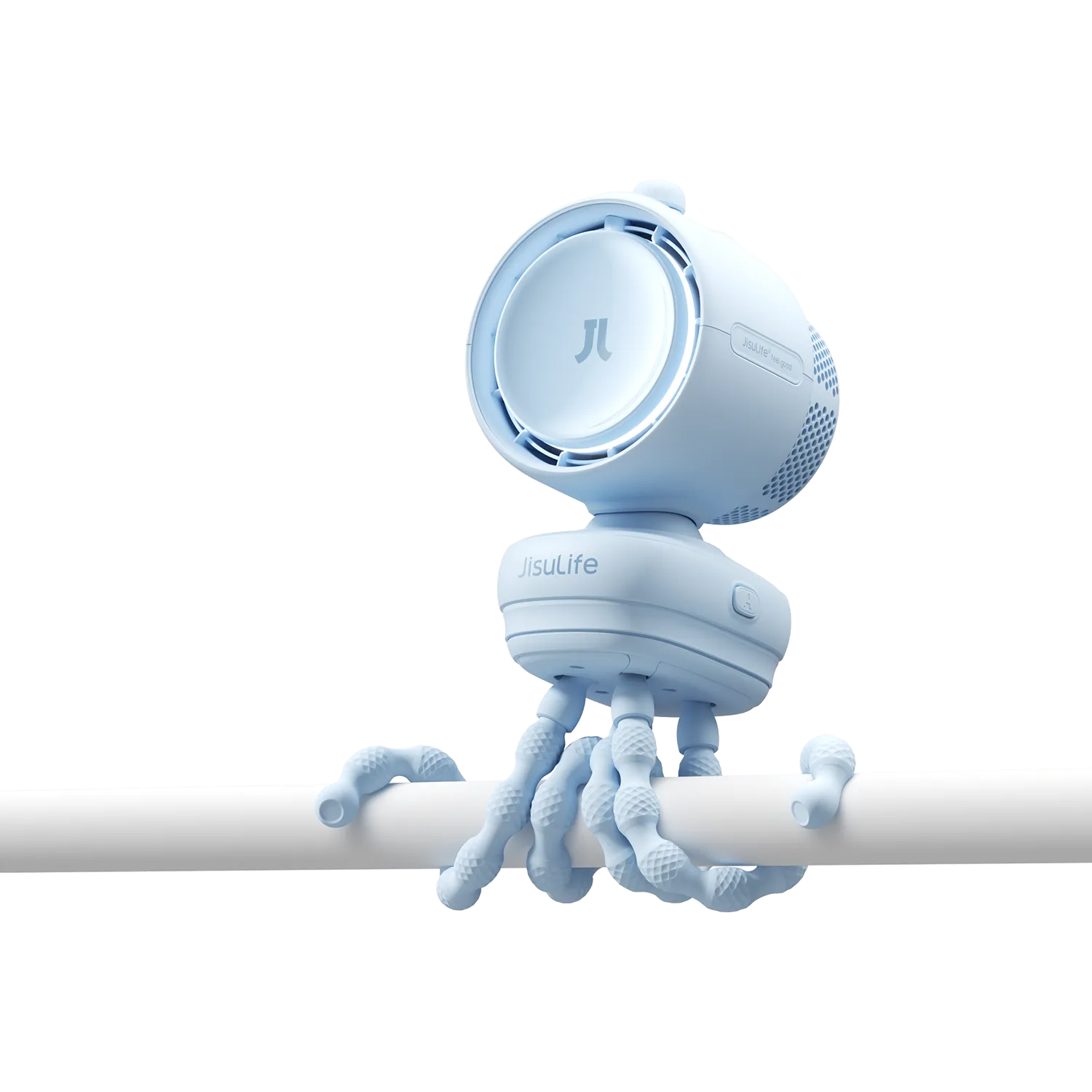
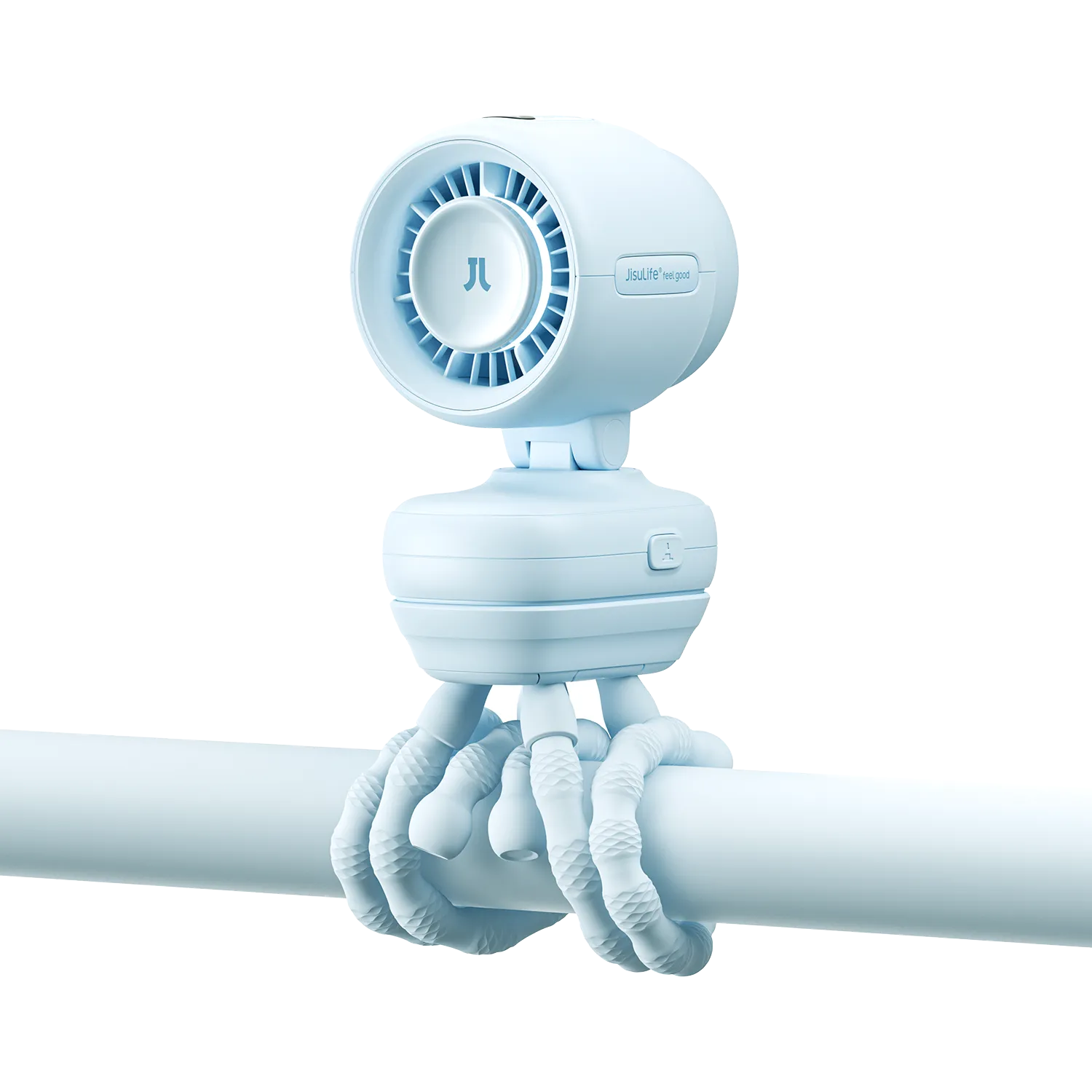
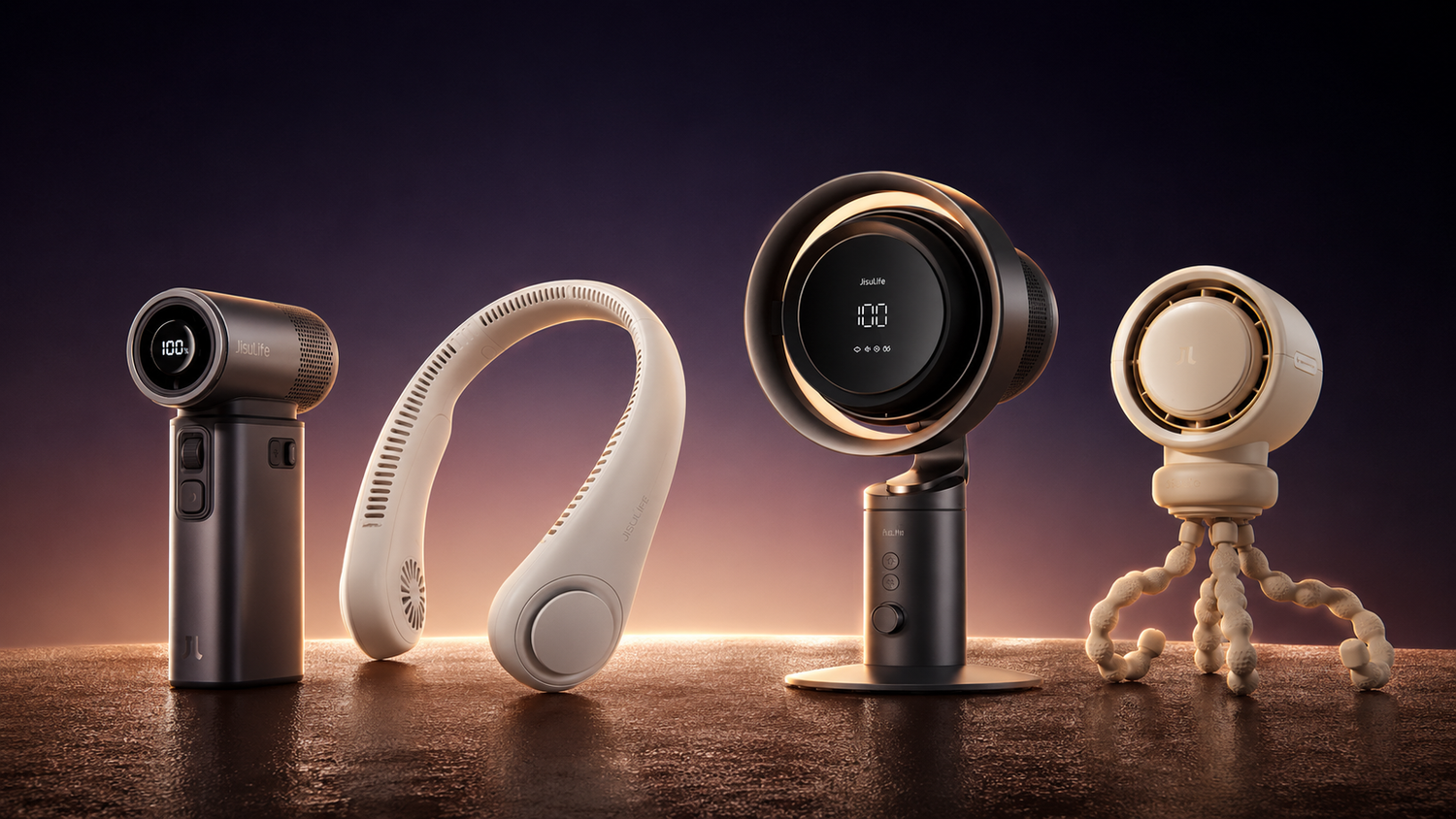
A portable fan works best when the form factor matches the way you actually use it: handheld for direct cooling, neck for hands-free movement, desk for fixed airflow, clip for flexible mounting, and stroller fans for secure parent-friendly cooling.
Portable Fan Types at a Glance
If you want the fastest shortcut, consider your hands, your movement, and your mounting needs. Handheld fans are easiest to aim directly, neck fans keep you hands-free, desk fans are better for a fixed spot, and clip or stroller fans matter most when the fan must attach securely instead of sit on a table.
| Fan Type | Best Fit | Portability | Hands-Free? | Mounting / Holding Need | Main Trade-Off |
|---|---|---|---|---|---|
| Handheld fan | Outdoor lines, concerts, quick heat spikes | High | No | Must be held | Direct cooling, but your hand stays busy |
| Neck fan | Commutes, walks, errands | High | Yes | Worn around the neck | Convenient, but comfort and noise can matter more |
| Desk fan | Desk, dorm, small room | Medium | Yes | Sits on a surface | Steady airflow, but not true on-the-go use |
| Clip fan | Strollers, desks, travel setups | Medium to high | Yes | Clips to an edge or frame | Flexible placement, but mounting stability matters |
| Stroller fan | Stroller use, parent-focused cooling | Medium | Yes | Needs secure attachment | Best when angle control matters more than compact size |
The quick filter is simple: if your fan must stay with you while you move, lean handheld or neck; if it must stay attached to something, lean clip or stroller; if it mainly cools one spot, desk fans usually make more sense.
How to Match a Fan to Your Routine
The best portable fan is the one that reduces friction in your day, not the one that looks most compact on paper. In practice, the decision usually flips on three questions: Do your hands need to stay free, does the fan need to move with you, and does it need to attach securely to a surface or frame?
Commuting and Walking Routes
For trains, sidewalks, and station platforms, hands-free convenience usually matters more than absolute compactness. That is where a neck fan can make sense, especially if you can tolerate a little extra bulk or noise in exchange for not holding the fan the whole time.
That trade-off is worth calling out because neck fans are not equally comfortable for everyone. Consumer Reports’ neck fan review notes that fit, sound, and day-to-day comfort vary by user, which means the best pick is often the one you can wear for a full commute without adjusting it every few minutes.
Parents and Stroller Use
When the fan rides with a stroller, the question changes. Compact size matters less than whether the fan stays put, points where you want it, and does not need constant re-aiming.
That is why clip and stroller fans are usually judged by mounting stability first and portability second. As a practical buying rule, if a fan wobbles, slips, or drifts out of position, it stops being convenient very quickly, even if it looks small and light. Forbes stroller fan guide emphasizes that secure mounting and angle control take priority.
Desk, Dorm, and Small Room Use
If the fan mostly lives beside a laptop, bed, or study space, a desk fan is usually the cleaner choice. You do not need to wear it, carry it, or clip it to something; you just want steady airflow in one place.
That is also why a desk fan can feel more comfortable than a highly portable model in a quiet room. A fan that is easy to move around is not automatically the best fan for staying put for several hours.
Concerts, Games, and Festival Days
For outdoor events, the best choice usually comes down to how long you will hold the fan and how direct you want the airflow to feel. Handheld fans are strongest when you want a quick burst you can aim immediately, especially in lines, crowds, or other short heat spikes.
That said, the benefit drops if your wrist gets tired or you do not want to keep thinking about the fan every few minutes. The New York Times Wirecutter guide to cordless fans highlights that direct, aimable airflow is a real strength, but constant holding becomes the downside in longer sessions.
What Each Fan Type Does Best
Each category wins by solving a different problem. The mistake is assuming every portable fan is interchangeable when the design itself changes how you use it.
Handheld Fans: Best for Direct, Short-Term Cooling
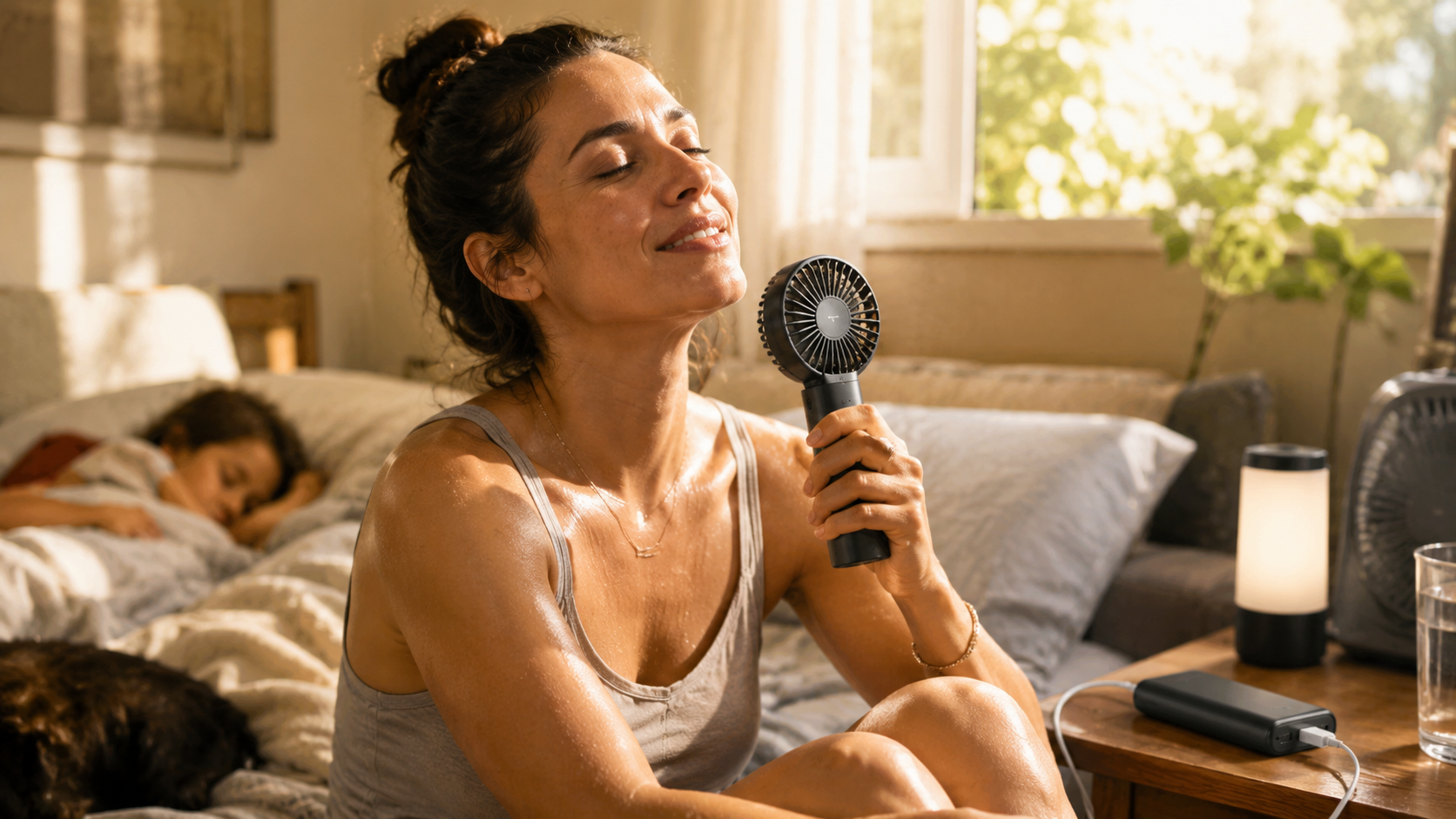
Handheld fans are the most intuitive choice if you want to point airflow exactly where you want it. That makes them a strong match for outdoor events, waiting in line, or quick relief during a hot walk.
The drawback is obvious once the use lasts longer than a few minutes: your hand stays occupied, and that can get annoying fast. For that reason, a handheld fan is often the best choice for short bursts of cooling, but not the most comfortable choice for long commutes or all-day wear.
Neck Fans: Best for Hands-Free Movement
Neck fans are most useful when you keep moving and do not want to carry the fan in your hand. They fit commuting, errands, and walking routes better than they fit a fixed desk or a formal quiet space.
The trade-off is that comfort, fit, and perceived noise matter more than raw portability. A neck fan can be convenient on paper and still feel bulky in real use, so it is a better fit for people who value hands-free cooling more than a minimal-feeling carry item.
Desk Fans: Best for Stable, Quiet Airflow
Desk fans are the least “mobile” option here, but that is not a weakness if your real need is steady airflow at one spot. They make the most sense for workstations, dorm desks, and bedside use where the fan can stay put.
This is where a lot of buyers misjudge the category. A fan can be small, rechargeable, and easy to move, yet still be the wrong choice if you mainly want comfort while sitting in one place. For fixed spots, desk fans often feel less fussy than wearables or clip-ons.
Clip and Stroller Fans: Best for Flexible Mounting
Clip fans and stroller fans exist for situations where the fan has to attach to something. That makes them useful for strollers, desk edges, travel setups, and other places where simply placing the fan on a flat surface is not enough.
The key trade-off is that secure mounting and angle control matter more than compactness. If the clip is weak or the fan drifts off target, the category loses much of its value. In other words, the best clip or stroller fan is the one that stays aimed where you need it.
Specs That Change Real-World Comfort
- Battery runtime matters when the fan has to last through a commute, a shift, or an outdoor outing. If the fan quits before your routine is over, the form factor stops mattering.
- Noise level matters most in shared spaces such as trains, offices, and classrooms. A strong fan that you do not want to turn on is not much help in daily life.
- Weight and balance matter because a fan can seem small but still feel tiring after extended use. That is especially true for handheld and neck styles, where you feel the load directly.
- Charging convenience matters if you expect to top the fan off often. Rechargeable models are easier to live with when they fit into a simple nightly routine.
- Airflow direction matters because cooling only helps if you can aim it where your body actually feels hot. That is why adjustability matters across nearly every portable fan type, especially clip and stroller models.
Best-Fit Picks for Common Scenarios
If you want one sentence per situation, use this rule: choose handheld for direct short-term cooling, neck for hands-free movement, desk for one steady location, and clip or stroller for attachment-first use.
For commuters and walkers, a neck fan usually wins if you care most about keeping your hands free. For outdoor event attendees, handheld usually wins if you want stronger direct cooling in short bursts.
For office workers and students, desk fans usually win if the priority is quiet, steady airflow at one spot. For parents, clip and stroller fans usually win when secure attachment and stable aiming matter more than how small the fan looks.
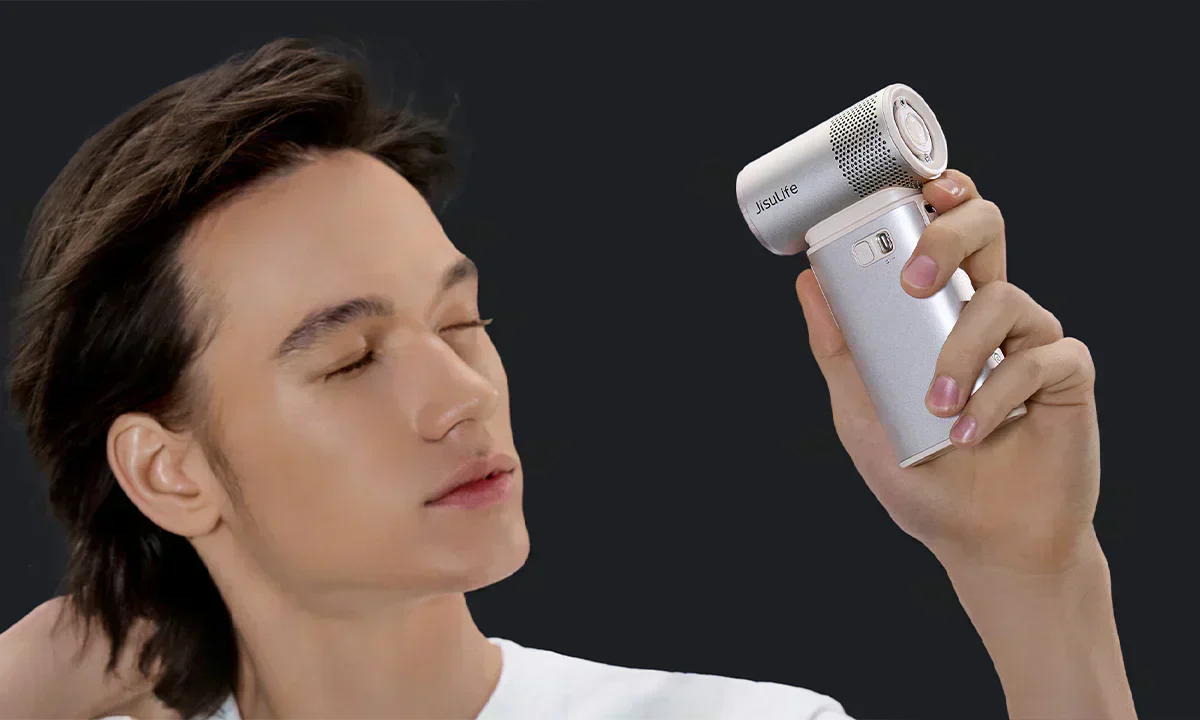
Top models line up with those two most common buyer paths: the JisuLife Handheld Fan Life8 Plus for direct carry-and-cool use, and the JisuLife Neck Fan Life3 for hands-free wear.

Final Checks Before You Buy
- Confirm the main place you will use the fan most often, because the best portable fan type changes with the setting.
- Confirm the runtime feels long enough for your commute, errand run, or outing.
- Confirm the noise level fits the space, especially if other people will be nearby.
- Confirm the form factor feels comfortable to hold, wear, or clip the way you plan to use it.
- Confirm the product page, shipping, warranty, and return details match how confident you feel about the purchase.
FAQs
Q1. How Do I Choose Between a Handheld Fan and a Neck Fan?
Choose handheld if you want direct airflow you can aim instantly and you do not mind holding the fan. Choose neck if keeping your hands free matters more than compact storage. The better option usually depends on how long you will carry or wear it, and whether comfort or control matters more.
Q2. What Makes a Portable Fan Good for Strollers?
The big three are secure attachment, stable angle control, and practical airflow placement. A stroller fan that looks compact but slips out of position will frustrate you faster than a larger one that stays aimed. For stroller use, attachment quality usually matters more than size alone.
Q3. Can a Desk Fan Be a Good Travel Fan?
Sometimes, but only if your travel use still centers on a stable surface. If you are going to move around a lot, a desk fan usually becomes less convenient than a handheld or neck style. It makes the most sense when you travel with a fixed workspace in mind.
Q4. Why Does Noise Matter So Much in a Portable Fan?
Noise becomes a comfort issue in offices, trains, libraries, and shared rooms, even when airflow is strong. A fan that sounds fine at home can feel distracting in public. If you are sensitive to sound, treat noise as a core buying factor rather than a minor detail.
Q5. What Should I Prioritize If I Want One Fan for Multiple Uses?
Start with your most common use case, then weigh portability, runtime, noise, and mounting flexibility. One fan can cover several roles, but it usually has one best role. If you split time between two very different settings, the better purchase is the one that fits the setting you face most often.
Choosing the Right Portable Fan Type
The right portable fan is the one that fits your routine without making you work around it. If you need direct, grab-and-go cooling, choose handheld. If you need to stay hands-free, choose neck. If you cool one spot, choose desk. If you need attachment, choose clip or stroller. That simple filter will keep you from paying for convenience you will not actually use.


Leave a comment
All comments are moderated before being published.
This site is protected by hCaptcha and the hCaptcha Privacy Policy and Terms of Service apply.